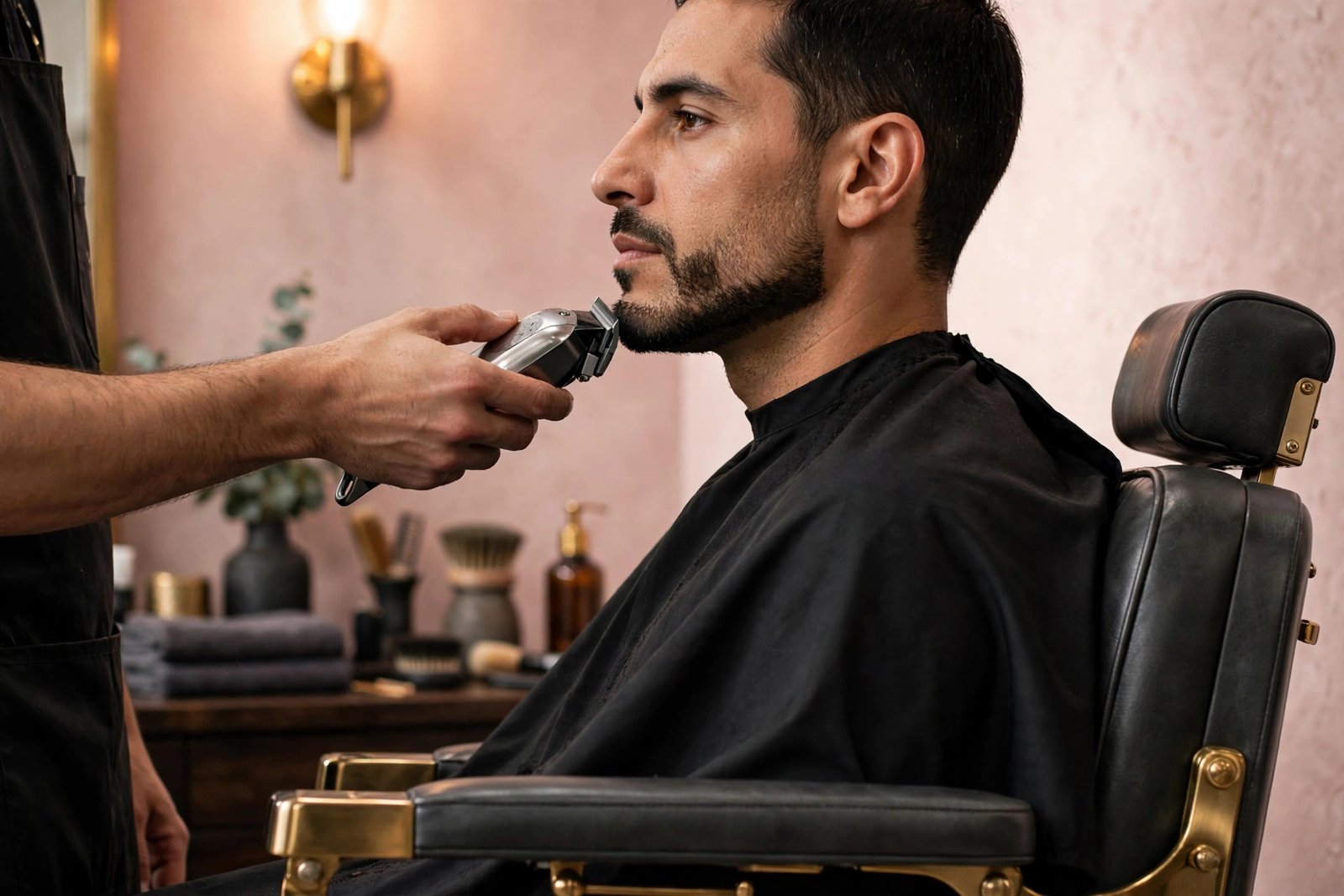
Best Beard Styles for Your Face Shape (Find Your Match)
A beard is the most powerful shaping tool in a man’s grooming kit — it can lengthen a round face, soften a square jaw, or add structure where nature left things undefined. But a style that looks incredible on one man can look off on another, and the difference is almost always face shape. Choosing the best beard style for your face shape isn’t about following trends; it’s about using hair to balance your natural proportions.
Whether you’re growing your first beard or rethinking your current one, this guide will help you identify your face shape and find the styles that flatter it most. And if you’re starting from scratch, our complete beard grooming guide for beginners covers the washing, oiling, and trimming routine you’ll need to pull any of these styles off.
Key Takeaways
- Your face shape determines which beard styles add balance — the goal is always to push your proportions toward oval.
- Round faces need length and angles; square faces benefit from softness; oblong faces need width, not length.
- Determine your face shape with a simple mirror test measuring forehead, cheeks, jawline, and face length.
- Patchy growers aren’t excluded — shorter styles flatter thin growth beautifully.
- Any style only looks its best with consistent maintenance — trimming, shaping, and clean lines.
How to Find Your Face Shape
The mirror test
Stand in front of a mirror and pull your hair back (or use a headband). Trace your face’s outline on the mirror with a dry-erase marker or lip balm — yes, really. Step back and look at the shape: is it widest at the cheeks (round), angular with a strong jaw (square), longer than wide with a rounded jaw (oblong), or balanced with slightly wider cheekbones (oval)? This 30-second test beats guessing.
Measuring for accuracy
For a more precise read, use a flexible tape measure:
- Forehead: temple to temple across the widest point
- Cheeks: across the top of the cheekbones
- Jawline: from the tip of the chin to below the ear, then double it
- Face length: from the hairline center to the chin tip
Compare the numbers. Roughly equal width and length with soft angles = round. Length clearly greater than width = oblong. Strong, wide jawline similar to forehead width = square. Cheekbones widest, forehead and jaw slightly narrower = oval. Balanced and narrow with a defined chin = diamond. Wide forehead tapering to a narrower chin = triangle.
Common mistakes when identifying face shape
Haircuts distort perception — a high fade can make a round face look oblong. Assess your face with hair pulled back and a neutral expression. And don’t overthink borderline cases: most faces sit between two shapes, so pick the one that dominates and choose styles that flatter both.
Best Beard Styles by Face Shape
Round Face: Add Length and Angles
A round face is roughly as wide as it is long, with soft angles and full cheeks. The goal is to create the illusion of length and definition.
Best styles: Longer beards with shape — the ducktail, a neatly shaped long beard, or a short boxed beard with a pointed or squared chin. Keep the sides shorter and let the chin area grow fuller and slightly longer; this draws the eye downward and elongates the face. A Van Dyke (goatee with mustache) also works by concentrating length at the chin.
Avoid: Full, wide beards that add bulk at the cheeks — they make round faces look rounder. Also skip chin straps, which cut the face horizontally and emphasize width.
Styling tips: Keep cheek lines sharp and high, fade the sides shorter than the chin, and taper toward a slightly pointed or squared finish at the chin. Regular at-home beard trimming keeps the sides from puffing outward.
Square Face: Soften the Angles
Square faces have a strong, wide jawline and broad forehead — classically masculine, but a beard that’s too angular can make the face look boxy. The goal is softness and slight length.
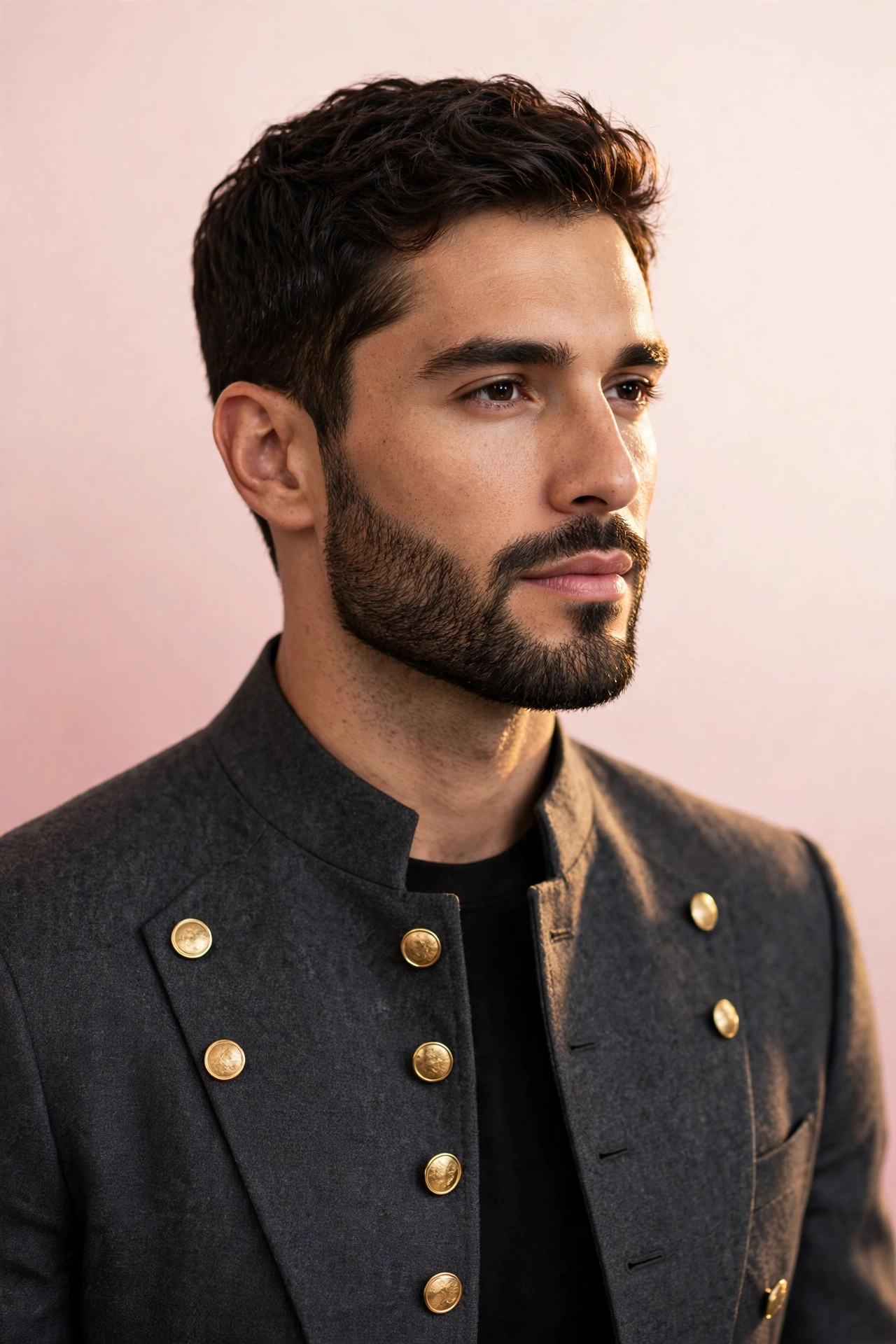
Best styles: The circle beard (goatee connected to mustache), a rounded full beard, or short stubble with soft edges. Rounding off the corners of the beard counterbalances the jaw’s sharpness. A medium-length beard with a rounded bottom works beautifully.
Avoid: Sharp, square-cut boxed beards or styles with hard geometric lines at the chin — they echo the jaw and exaggerate the boxiness. Extremely short, harsh styles can also make the face look severe.
Styling tips: Round the bottom edge rather than squaring it, keep the chin area from getting too long and pointed, and soften cheek lines slightly instead of carving them razor-sharp.
Oval Face: The Lucky Canvas
Oval is the most balanced face shape — slightly longer than wide, with cheekbones as the widest point and a gently rounded jaw. Most beard styles work here, which means your choice can be about personal style rather than correction.
Best styles: Almost anything — full beard, short boxed beard, stubble, goatee, Van Dyke, ducktail. The one rule: don’t hide a balanced face under excessive length. A medium full beard shows off the proportions best.
Avoid: Very long beards that elongate an already-long face, or styles that add too much width. Extremes in either direction throw off the natural balance.
Styling tips: Keep proportions moderate, maintain clean cheek and neck lines, and let personal preference lead — try a style, assess honestly after two weeks, and adjust.
Oblong / Rectangular Face: Add Width, Not Length
Oblong faces are noticeably longer than wide, with a longer forehead, cheeks, and jawline. The goal is to add perceived width and avoid adding more length.
Best styles: Fuller, wider beards — the classic full beard kept at medium length, mutton chops, or a wide short boxed beard. Keep the chin area trimmed shorter and let the sides grow fuller; width at the cheeks visually shortens the face.
Avoid: Long, pointed styles like the ducktail or extended goatee — they stretch the face further. Also avoid very short or chin-only styles that leave the face’s length exposed.
Styling tips: Resist the urge to trim the sides tight; let them fill out. Keep the bottom edge blunt and wide rather than tapered. A mustache with some width (like a chevron) also adds horizontal balance.
Diamond Face: Soften Cheekbones, Fill the Chin
Diamond faces have narrow foreheads and chins with wide, prominent cheekbones. The goal is to add fullness at the chin and jaw while softening the cheekbone line.
Best styles: A full beard with length at the chin, a chin curtain with some width, or a rounded goatee. Fullness at the jawline and chin balances the wide cheekbones above.
Avoid: Styles that widen the cheeks further (bushy mutton chops) or very narrow chin-only styles that leave the diamond’s points exposed.
Styling tips: Keep the beard fullest at the chin and jaw, avoid trimming the sides too tight at the cheekbones, and let the bottom carry the visual weight.
Triangle Face: Balance a Strong Jaw
Triangle faces (sometimes called pear-shaped) have a narrower forehead and a wide, strong jawline. The goal is to avoid adding bulk where there’s already plenty.
Best styles: Shorter styles — neat stubble, a short boxed beard kept close, or a circle beard. Keeping the beard compact prevents the lower face from dominating.
Avoid: Long, heavy beards that add mass to an already-strong jaw. Wide, bushy styles overwhelm the narrower upper face.
Styling tips: Keep length moderate, maintain sharp cheek lines to define the upper face, and let a good haircut add volume up top for balance.
What If Your Growth Is Patchy?
Face shape guides assume a certain density — but what if your beard is still filling in? You have options. Shorter styles are far more forgiving: a well-kept short boxed beard, neat stubble, or a defined goatee look intentional with moderate density. Longer styles demand fullness and will expose gaps.
The smartest approach is to grow patiently while wearing a shorter style that suits your face shape now, then graduate to a longer version once density arrives. Our guide to fixing patchy beard growth covers the 12–16 week growth strategy, grooming tricks that hide thin spots, and when patchiness is worth a dermatologist’s look. A style matched to both your face shape and your current density always beats chasing a style your beard can’t support yet.
Maintenance: Keeping Your Style Sharp
The neckline rule
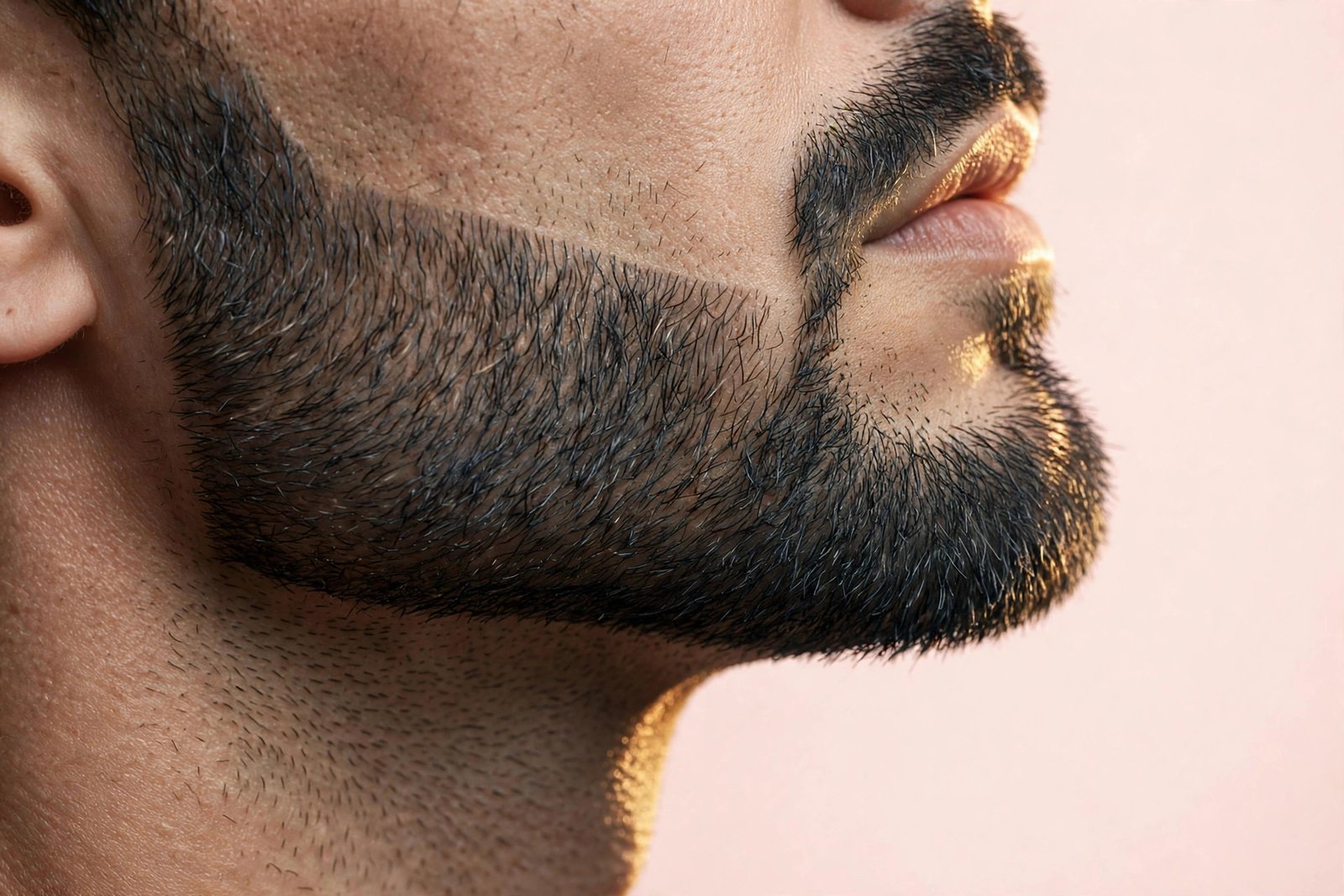
The neckline is where most beginners go wrong. The standard guide: place two fingers above your Adam’s apple — that’s roughly where the neckline should sit, following a gentle curve from ear to ear. Too high looks unnatural; too low looks unkempt. Shave everything below the line.
Cheek lines
Cheek lines are personal preference, but they should look intentional. You can keep them natural (just cleaning strays) or define a crisp line. Whatever you choose, keep both sides symmetrical — check in the mirror from straight-on, not just each side individually.
Trimming schedule
Most styles need a tidy-up every 1–2 weeks: neckline shave, cheek stray cleanup, and a light pass with clippers to keep the shape. Full reshapes can happen every 3–4 weeks. Consistency matters more than perfection — a decent style maintained beats a perfect style neglected. Learn the technique in our beginner’s guide to trimming your beard at home.
Tools worth owning
A quality trimmer with adjustable guards, a pair of sharp barber scissors for detail work, a boar-bristle brush, and a clear shave gel (so you can see your lines) cover 95% of maintenance. Everything else is optional.
Frequently Asked Questions
How do I know my real face shape if I’m between two shapes?
Most men are. Pick the shape that dominates and choose styles that flatter both candidates. A safe middle ground: the short boxed beard works for nearly every face shape and is easy to adjust — grow the chin slightly for round faces, keep it rounded for square ones.
Can I wear a long beard with a round face?
Yes, with shaping. A long beard makes a round face worse only when it’s wide and shapeless. Keep the sides controlled, taper toward the chin, and maintain sharp lines — a shaped long beard or ducktail can elongate a round face beautifully.
What beard style needs the least maintenance?
Short stubble (kept with a guard) or a neat short boxed beard. Both need only weekly edge cleanup and look sharp with minimal effort. They’re also the most forgiving for beginners still learning to trim.
Should my mustache match my beard style?
Generally, yes — they should look like one deliberate design. A big handlebar mustache pairs oddly with barely-there stubble; a short, neat mustache suits a boxed beard. Keep the mustache trimmed so it doesn’t hang over the lip, regardless of style.
How often should I reshape vs. just clean up?
Clean up edges (neckline, cheek strays) weekly. Reshape the overall silhouette every 3–4 weeks, or when the style starts losing its intended outline. If you’re growing toward a new style, reshape less and let length build — assess the silhouette at week 10–12 before committing.
Conclusion
The best beard style for your face shape is the one that balances your proportions: length for round faces, softness for square ones, width for oblong faces, and moderation for oval faces. Identify your shape honestly, choose accordingly, and remember that density matters too — a shorter style that suits both your face and your current growth always looks better than a longer style your beard can’t carry. Build the foundation with the beginner beard grooming routine, master trimming at home, and if patches are holding you back, follow the patchy beard fix guide while your style grows into itself.
Love this? Pin it for later!