Brow Lamination Aftercare Tips: The 24–48 Hour Rules & Long-Term Brow Health
You have done the hard part — the patch test, the careful timing, the precise shaping. Your brows look amazing. But here is what many beginners do not realize: the next 48 hours matter just as much as the lamination itself. The chemical bonds in your brow hairs are still settling, and what you do (or do not do) during this window determines whether your results last six weeks or fade in two.
In this guide, you will learn the complete brow lamination aftercare routine: the strict 24–48 hour rules, which nourishing oils to use and when, what to avoid in the weeks that follow, and how to keep your brows healthy between sessions. Follow these tips and your lamination will look better, last longer, and leave your natural brows in great condition.
If you have not laminated yet, start with our step-by-step brow lamination guide. And to understand exactly how aftercare affects your timeline, read our how long brow lamination lasts guide.
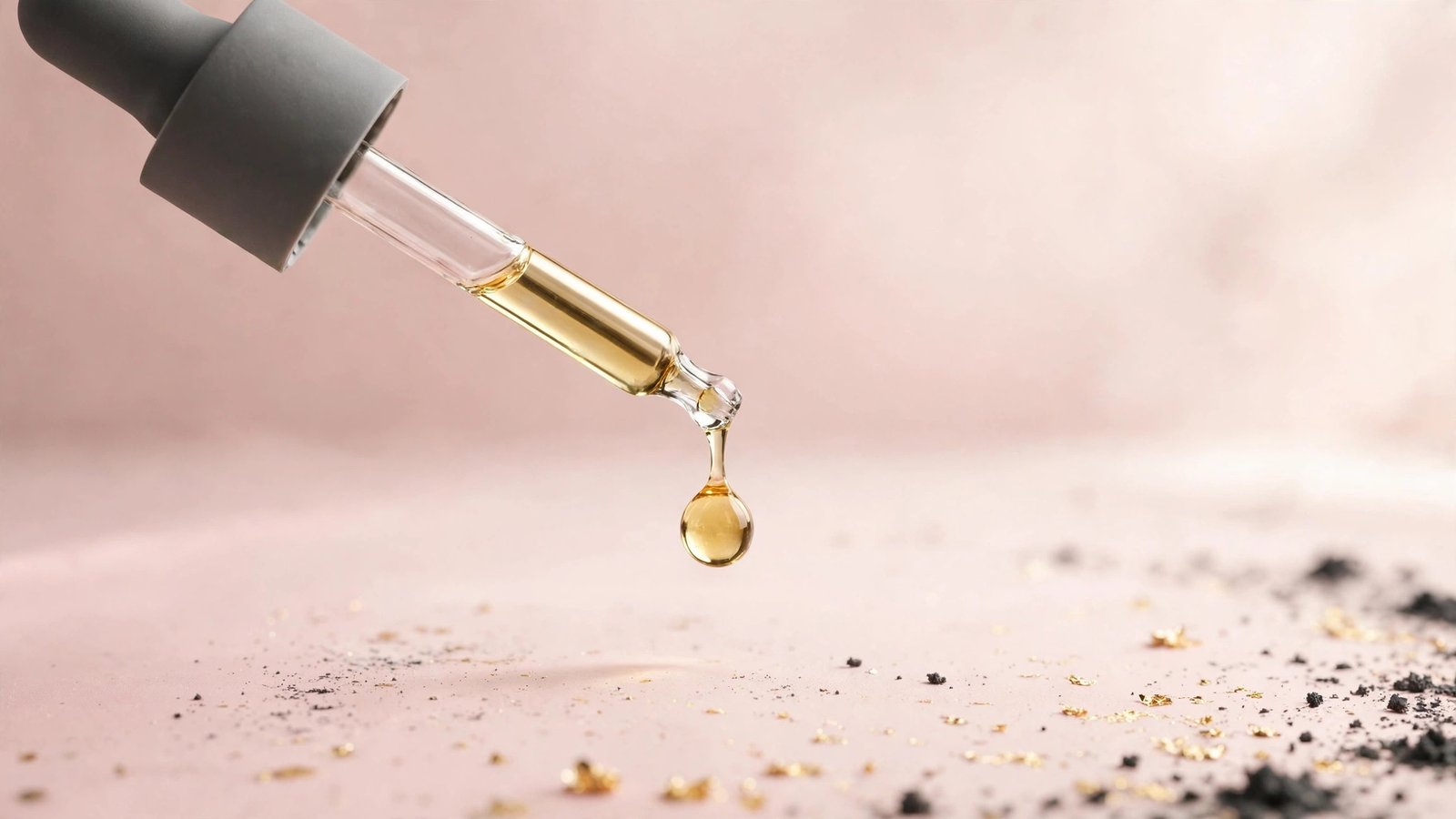
Why Aftercare Matters So Much
Brow lamination chemically restructures each hair: the lifting cream breaks the hair’s internal bonds, and the neutralizer rebuilds them in a new position. But “rebuilt” does not mean “fully cured.” For roughly 24 to 48 hours after treatment, those new bonds are still stabilizing — and they are vulnerable.
Water, steam, sweat, and oil during this window can all disrupt the settling process, leaving you with brows that relax prematurely or set unevenly. Think of it like fresh nail polish: the manicure is done, but smudging it in the first hour ruins the result. Brow lamination gives you a longer curing window, but the principle is the same — protect the investment while it sets.
Good aftercare does not just extend results; it protects brow health. Processed hairs are temporarily more fragile, and the right nourishing routine keeps them supple instead of brittle.
The First 24–48 Hours: The Strict Rules
These rules apply for a full 48 hours after lamination (24 hours minimum if your kit specifies a shorter window — when in doubt, go the full 48):
Do not get your brows wet. No washing the brow area, no swimming, no saunas or steam rooms. When you shower, keep your face out of the direct water stream and minimize steam exposure — lukewarm, quick showers are best.
Avoid sweat on the brows. Skip intense workouts, hot yoga, and anything that leaves your brow area damp for the first two days. If you do perspire lightly, blot gently with a clean tissue rather than rubbing.
No makeup on the brows. Keep brow pencils, powders, gels, and pomades away for 48 hours. Makeup on the rest of your face is fine — just avoid the brow area itself.
No oil-based products on the brows. This includes facial oils, oil cleansers, heavy moisturizers, and oily sunscreens applied through the brow hairs. Oils interfere with bond-setting more than almost anything else.
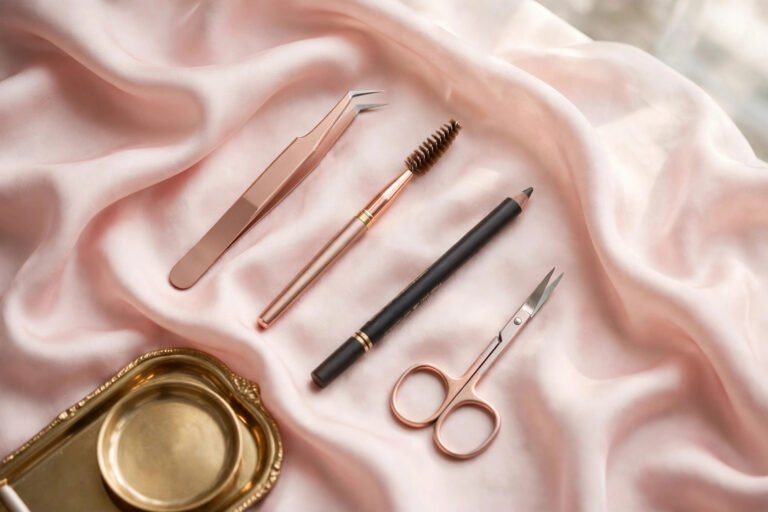
Do not touch or rub your brows. Every touch risks disturbing hairs that are still setting into their new direction. Brush them gently into place once with a clean spoolie after treatment, then leave them alone.
Sleep on your back if you can. Pressing freshly laminated brows into a pillow can bend hairs out of their set direction. If you are a side sleeper, try to keep the brow area off the pillow for the first couple of nights.
These 48 hours require a little planning — many people schedule their lamination for a quiet weekend — but they are the single highest-leverage aftercare step. Get this right and everything else is maintenance.
Nourishing Oils: Which Ones and When to Start
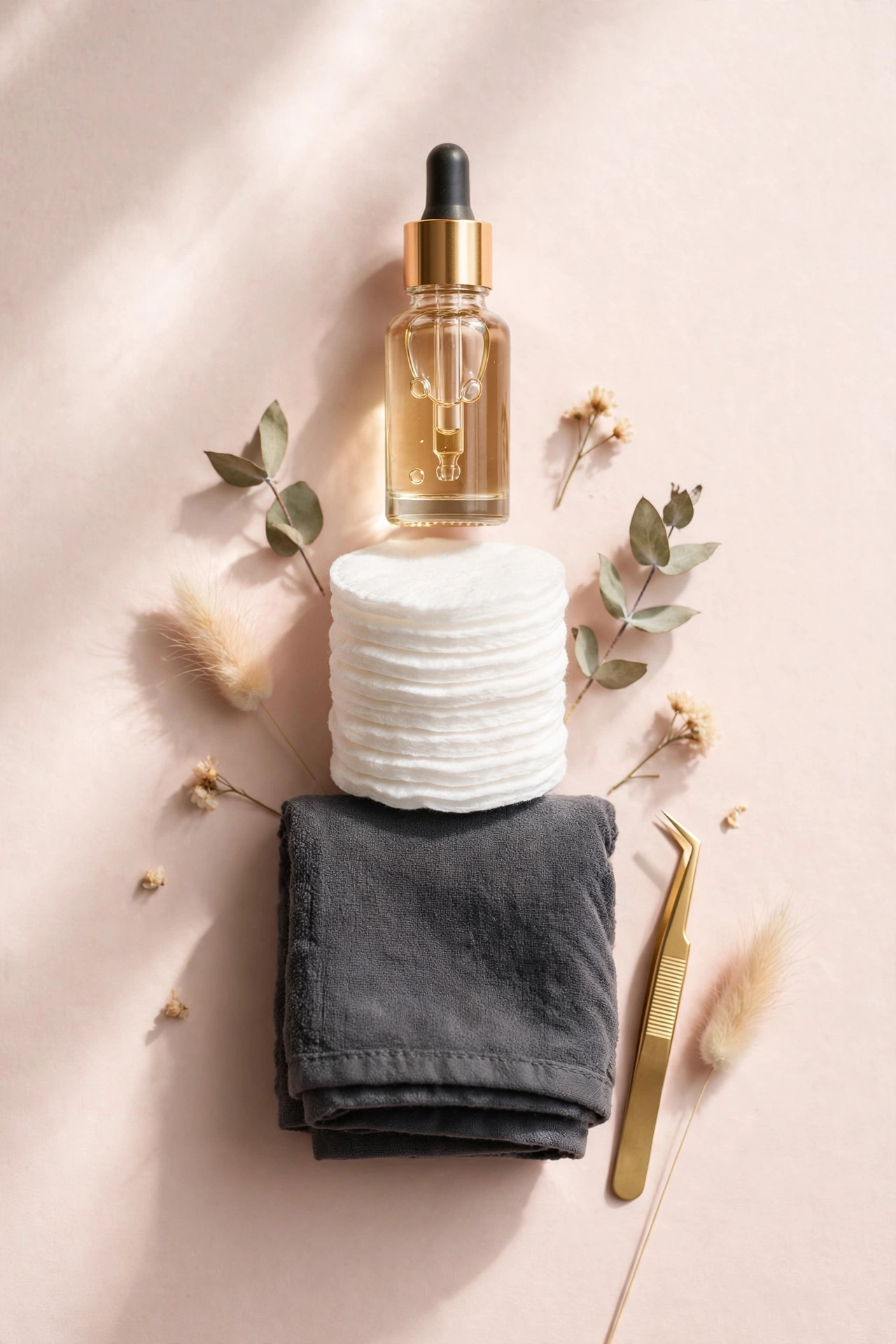
After the first 48 hours, nourishing oils become your brows’ best friend. Lamination is a chemical process, and processed hair needs moisture to stay soft, flexible, and healthy. Dry, brittle brow hairs snap — and every broken hair is a visible gap in your results.
When to start: begin light oil application after the 48-hour window closes. Before that, keep oils completely away from the brows.
Best oils for laminated brows:
- Castor oil — the classic brow oil, rich and deeply conditioning; many people find it the most effective for keeping processed hairs supple. Our castor oil for brows and lashes guide covers how to use it.
- Argan oil — lighter than castor oil, absorbs quickly, and less likely to feel heavy on the brow area.
- Sweet almond oil — gentle, affordable, and a good middle ground for daily use.
- Jojoba oil — closely mimics the skin’s natural oils and works well for people prone to breakouts around the brow area.
- Dedicated brow conditioning serums — many kits include a Step 3 nourishing treatment; continue using it or switch to one of the oils above.
How to apply: put a tiny amount on a clean spoolie or your fingertip and brush through the brows in their set direction, ideally at night. A little goes a long way — you want conditioned hairs, not greasy ones. Two to three times per week is enough for most people; daily is fine if your brows feel dry.
One caution: even after the initial window, do not drench your brows in oil right before important events — heavy oil can still gradually relax the set over time. Light, regular conditioning beats occasional heavy oiling.
What to Avoid After Brow Lamination
Beyond the first 48 hours, these habits protect both your results and your brow health for the full 4–6 weeks:
- Exfoliating acids and retinoids on the brow area. AHAs, BHAs, and retinoids increase cell turnover and can irritate the delicate skin under freshly processed hairs. Keep strong actives away from the immediate brow area for at least a week; if you use them on your forehead, apply carefully around the brows. Our how to repair a damaged skin barrier guide is worth reading if the skin around your brows ever feels sensitized.
- Harsh scrubbing when cleansing. Use gentle pressure over the brows — no exfoliating brushes, grainy scrubs, or rough washcloths directly on the brow hairs.
- Very hot water on the face. Lukewarm is the rule for the life of your lamination; hot water and steam relax the set faster.
- Picking or pulling at brow hairs. Processed hairs are more fragile — pulling them out creates gaps that take weeks to fill in.
- Waxing or threading immediately after. Wait at least 48 hours (ideally a few days) before any hair removal around the brows, since the skin is more sensitive post-treatment. For shaping comparisons, our eyebrow threading vs waxing guide breaks down the options.
- Re-laminating too soon. The minimum safe interval is 6–8 weeks. Impatience here causes cumulative damage that no aftercare can fix.
Your Daily Brow Routine After Lamination
Once you are past the initial 48 hours, daily care is simple — about two minutes, morning and night:
Morning:
1. Brush brows upward and outward with a clean spoolie to reinforce the direction.
2. If needed, apply a light clear or tinted brow gel to hold the shape through the day.
3. Apply sunscreen around (not heavily through) the brow area — UV degrades hair bonds over time.
Evening:
1. Remove makeup gently with a mild cleanser, using light pressure over the brows.
2. Two to three nights per week, brush a small amount of nourishing oil through the brows.
3. If you sleep on your side or stomach, consider a silk or satin pillowcase to reduce friction on the brow hairs.
That is the entire routine. Lamination is popular precisely because the daily effort is minimal — a spoolie, occasional oil, and gentle handling.
Long-Term Brow Health Between Sessions
Lamination is safe to repeat, but only if your brows stay healthy between sessions. Think of aftercare as a cycle, not a one-time event:
Give brows a full recovery window. Wait 6–8 weeks between laminations, even if results faded at week 4. This rest period lets the hair shaft recover its natural moisture and strength. Chronically over-processed brows become thin, brittle, and unable to hold any shape — the exact opposite of the goal.
Keep conditioning consistently. Do not stop the oil routine once the lamination looks “done.” Ongoing nourishment is what keeps the hairs resilient enough for the next session. If you want to actively improve fullness over time, our how to get thicker eyebrows naturally guide covers growth-supporting habits that pair well with periodic lamination.
Watch for warning signs. If your brows feel straw-like, look frizzy, or start breaking, that is your signal to extend the break before your next lamination — or skip a cycle entirely. Healthy hair holds lamination beautifully; damaged hair does not hold it at all.
Trim, do not over-tweeze. Between sessions, tidy only obvious strays outside your brow shape. Over-tweezing thins the brows that lamination is trying to make look full — counterproductive and slow to reverse.
Troubleshooting: Common Aftercare Problems
“My brows feel dry and crispy.” Increase your oiling to nightly for a week, using castor or argan oil. If dryness persists beyond a week, your processing time may have been slightly long — note it and go shorter next session.
“The hairs are going in different directions again.” This is normal gradual relaxing, especially from week 3 onward. A spoolie plus brow gel each morning manages it. If it happened within the first week, the likely cause is water, steam, or oil exposure during the 48-hour window.
“The skin under my brows is red or flaky.” Mild sensitivity can occur. Keep actives, acids, and retinoids away from the area, moisturize gently, and let the skin calm down. If redness is significant, spreading, or accompanied by swelling, see a dermatologist — do not try to treat a possible reaction with more products.
“My lamination looks uneven.” Uneven results usually trace back to uneven product application or inconsistent timing rather than aftercare. There is no aftercare fix for this — but brow gel and a spoolie can camouflage it until your next session, when you can correct the technique.
Key Takeaways
- The first 24–48 hours are critical: no water, steam, sweat, makeup, or oil-based products on the brows, and minimal touching while the bonds finish setting.
- After 48 hours, start nourishing with a light oil (castor, argan, sweet almond, or jojoba) 2–3 times per week to keep processed hairs supple and prevent breakage.
- Avoid exfoliating acids, retinoids, harsh scrubbing, and very hot water on the brow area for the life of your lamination.
- Daily care is minimal: morning spoolie brush-through plus optional brow gel, gentle evening cleansing, and periodic oiling.
- Wait 6–8 weeks between laminations and watch for dryness or breakage — healthy hair holds lamination; damaged hair does not.
- Schedule lamination before a quiet 48-hour window when you can realistically follow the no-water, no-sweat rules.
Frequently Asked Questions
Can I wash my face after brow lamination?
Yes, but keep water off the brow area for the first 24–48 hours. Use a damp cloth or cotton pads to clean around the brows, and keep showers lukewarm with your face out of the direct stream. After 48 hours, wash normally — just use gentle pressure over the brows rather than scrubbing.
When can I wear brow makeup after lamination?
Wait 48 hours before applying brow pencils, powders, or gels directly on the brows. After that, makeup is fine — though many people find they need far less than before. When you do fill in, our how to fill in eyebrows naturally tutorial shows a soft technique that complements the laminated look.
Can I use castor oil on laminated brows?
Yes — castor oil is one of the best choices for nourishing laminated brows, but only after the initial 48-hour window. Apply a small amount with a spoolie 2–3 times per week. Avoid heavy daily drenching, which can gradually relax the set.
Can I work out after brow lamination?
Avoid sweaty workouts for the first 48 hours — sweat on the brows disrupts the setting bonds just like water does. After that, exercise normally, but blot sweat from the brow area promptly rather than letting it sit. If you are a daily heavy sweater, expect results at the shorter end of the 4–6 week range.
What happens if my brows get wet within 48 hours?
A light splash is not a disaster — gently pat (do not rub) the brows dry and brush them back into direction with a spoolie. Prolonged soaking (swimming, saunas, steamy showers) is what causes real damage to fresh results. If your lamination relaxed early after water exposure, that is the likely cause — note it for next time rather than re-laminating immediately.
How do I know if my brows are healthy enough to laminate again?
Healthy brows feel soft and flexible, look smooth (not frizzy or straw-like), and are not breaking or shedding excessively. If your brows feel dry, brittle, or thinner than before your last lamination, extend your break — skip a cycle and focus on nightly oiling until they recover. When in doubt, waiting longer is always safer than laminating sooner.
Love this? Pin it for later!