Best Moisturizer for Teen Skin: 6 Formula Types That Won’t Clog Pores
Here’s a myth worth busting on day one: oily skin doesn’t need moisturizer. In reality, skipping moisturizer is one of the fastest ways to make teen skin oilier, because dehydrated skin overcompensates by producing even more sebum. The real question isn’t whether teens should moisturize — it’s which type of moisturizer suits young, often acne-prone skin.
This guide breaks down the best moisturizer types for teen skin by formula — not by hyped-up brand claims. You’ll learn what to look for on the label, which textures work for oily, dry, and combination teen skin, and the ingredients that help (and the ones to skip). Everything here is research-based guidance on formula types — no personal testing claims, just honest information so you or your teen can shop with confidence.
If you’re building a routine from scratch, start with our [skincare routine for teens → skincare-routine-for-teens] to see where moisturizer fits in the simple 3-step plan.
Key Takeaways
- Every teen skin type needs moisturizer — even very oily skin.
- The best moisturizer for teen skin is lightweight, non-comedogenic, oil-free, and fragrance-free.
- Gel and gel-cream formulas suit oily and combination teen skin; light lotions suit normal skin; barrier creams suit dry skin.
- Key helpful ingredients: hyaluronic acid, glycerin, niacinamide, ceramides, and squalane.
- Ingredients to skip: heavy fragrance, coconut oil, cocoa butter, and mineral-oil-heavy formulas on acne-prone skin.
- Apply a pea-sized amount to slightly damp skin, morning and night.
- One moisturizer is enough — teens don’t need separate day and night creams.
Why Moisturizer Matters for Teens
A moisturizer’s job is simple: it keeps water in the skin and supports the skin barrier. For teens, this matters even more than it sounds, because many common teen skincare habits — foaming cleansers, acne treatments like benzoyl peroxide, long hot showers — strip moisture from the skin.
When the barrier is compromised, skin gets red, flaky, and stingy — and paradoxically, it can break out more. A good lightweight moisturizer prevents this cycle. Think of it as the peacekeeper of your routine: it lets your cleanser and any acne treatments do their jobs without collateral damage.
What to Look for on the Label
Before comparing formula types, learn the label language. These terms actually mean something:
- Non-comedogenic: Formulated not to clog pores. Essential for acne-prone teen skin.
- Oil-free: Contains no added oils. A good default for oily and combination skin.
- Fragrance-free: No added perfume (different from “unscented,” which can still contain masking fragrance). Fragrance is a top irritant for young skin.
- Lightweight / gel / lotion: Texture descriptors — lighter textures generally suit oilier skin.
- Won’t clog pores: Marketing-speak for non-comedogenic; trust it more when paired with an actual ingredient list you can scan.
Parent tip: Flip the bottle and scan the first five ingredients. If you see heavy butters, coconut oil, or “fragrance/parfum” near the top and your teen is acne-prone, put it back.
The 6 Best Moisturizer Types for Teen Skin
1. Lightweight Gel Moisturizers — Best for Oily Teen Skin
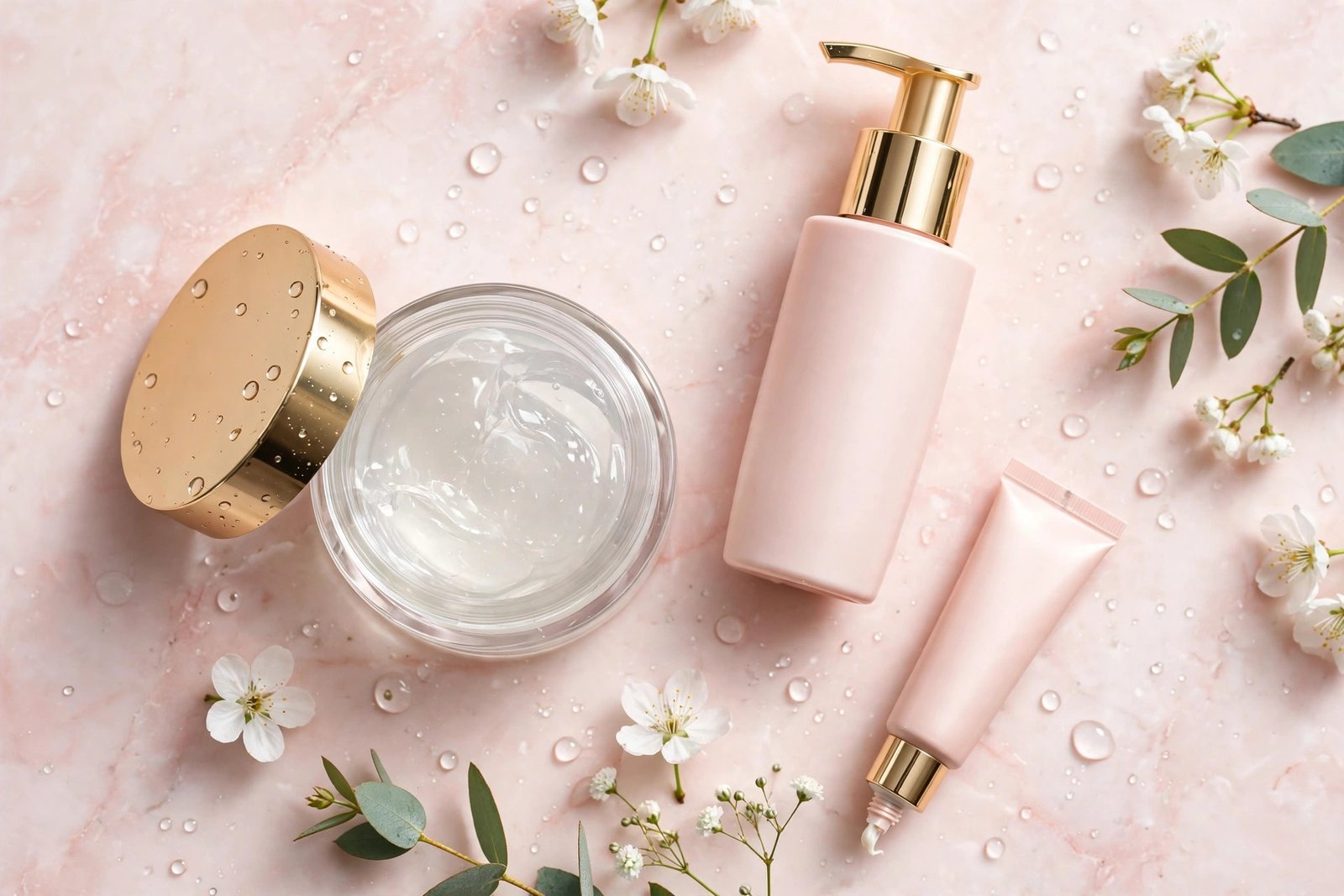
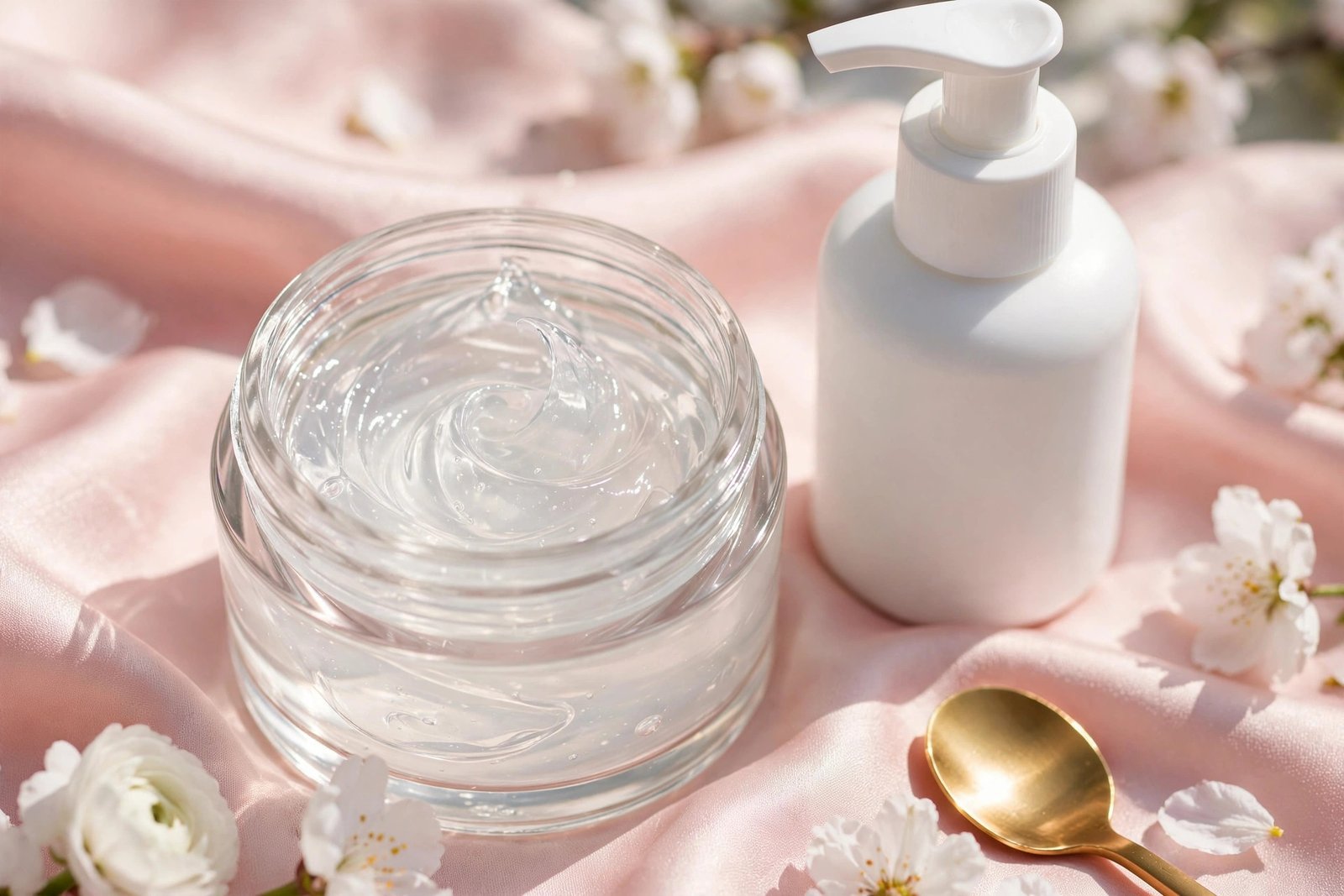
Water-based gels are the classic match for oily, acne-prone teen skin. They hydrate without adding oil, absorb in seconds, and layer cleanly under sunscreen. Formulas built around hyaluronic acid or glycerin deliver hydration that feels like nothing on the skin — ideal for teens who hate the feeling of “product” on their face. If your teen’s forehead shines by lunchtime, this is the category to shop in.
2. Oil-Free Gel-Cream Moisturizers — Best for Combination Skin
Gel-creams split the difference: lighter than a cream, more cushiony than a pure gel. They’re the most versatile teen option and work well for combination skin — hydrating enough for drier cheeks without overwhelming an oily T-zone. Many popular teen-friendly moisturizers live in this category, often with niacinamide, which helps regulate oil and calm redness.
3. Non-Comedogenic Lotions — Best for Normal Teen Skin
If your teen’s skin is neither very oily nor very dry, a simple non-comedogenic lotion is the no-fuss choice. Lotions are fluid, easy to spread, and typically affordable. Look for formulas with glycerin high on the ingredient list and no added fragrance. This is the “can’t go wrong” category for a first moisturizer.
4. Barrier-Repair Creams (Lightweight) — Best for Dry or Sensitized Teen Skin
Teens with dry skin — or skin sensitized by acne treatments — need more support. Barrier creams with ceramides, cholesterol, and fatty acids help rebuild the skin’s protective layer. The key for teens: choose lightweight barrier formulas, not the heavy ointment-style creams marketed for eczema or mature skin. A little goes a long way; a pea-sized amount is plenty.
5. Moisturizers with Niacinamide — Best for Redness and Uneven Tone
Niacinamide (vitamin B3) is one of the most teen-friendly ingredients in skincare: it helps regulate sebum, calms redness, minimizes the look of pores, and supports the barrier — all without the irritation risk of acids or retinoids. Many gel and gel-cream moisturizers include niacinamide at 2–5%, which is the sweet spot for daily use. If your teen deals with both oiliness and red marks from old breakouts, this category pulls double duty.
6. SPF Moisturizer Combos — Best for Teens Who Skip Steps
Let’s be honest: some teens will never apply two separate products in the morning. An oil-free moisturizer with broad-spectrum SPF 30+ is a legitimate compromise — it guarantees sun protection happens. The trade-offs: you need to apply enough (most people under-apply), and reapplication during the day is still tricky. For the full picture on sun protection, see our guide to the [best sunscreen for teenagers → best-sunscreen-for-teenagers].
Ingredients That Help vs. Ingredients to Skip
Helpful for teen skin: hyaluronic acid, glycerin, niacinamide, ceramides, squalane, panthenol, aloe, green tea extract.
Better to skip for acne-prone teens: coconut oil, cocoa butter, wheat germ oil (highly comedogenic), heavy fragrance/parfum, denatured alcohol high on the ingredient list, and “illuminating” shimmer particles (they can irritate active breakouts).
One more label-reading skill worth building: ingredients are listed in descending order of concentration. The first five ingredients make up the bulk of the formula, so that’s where your attention should go. A product can advertise “with ceramides” on the front while ceramides sit near the very end of the list — nice marketing, negligible effect. Flip every bottle and read the first five lines before deciding.
How to Apply Moisturizer the Right Way
Technique matters more than people think:
- Apply to slightly damp skin — right after cleansing, while skin is still a little moist. This locks in hydration.
- Use a pea-sized amount — more product doesn’t mean more moisture; it means pilling under sunscreen.
- Dot and press, don’t drag — place small dots on forehead, cheeks, nose, and chin, then press gently outward.
- Don’t forget the neck — extend whatever’s left on your hands down to the neck.
- Morning and night — the same moisturizer works for both. Teens don’t need a separate night cream.
Common Moisturizer Mistakes Teens Make
- Skipping it because skin is oily. The #1 mistake. Oily skin needs hydration to stop overproducing oil.
- Using an adult anti-aging cream. Rich formulas with retinoids or heavy peptides are too much for teen skin and can trigger breakouts.
- Applying too much. A thick layer won’t absorb and will pill under SPF. Pea-sized is the rule.
- Switching products weekly. Give any moisturizer 2–3 weeks before judging it.
- Using body lotion on the face. Body formulas are often fragranced and comedogenic — face skin deserves its own product.
For more traps like these, see our full list of [skincare mistakes teens should avoid → skincare-mistakes-teens-should-avoid].
Frequently Asked Questions
Should a teen with oily skin use moisturizer?
Absolutely. Oily skin still needs water-based hydration. Skipping moisturizer signals the skin to produce more oil to compensate, which worsens shine and can clog pores further. The fix is choosing the right type — a lightweight, oil-free gel — not skipping the step.
What’s the difference between gel and cream moisturizers for teens?
Gels are water-based, absorb quickly, and feel weightless — best for oily and combination teen skin. Creams contain more emollients, feel richer, and provide more barrier support — better for dry teen skin. Gel-creams sit in the middle and suit most teens.
Can teens use moisturizers with niacinamide every day?
Yes. Niacinamide at 2–5% is well tolerated for daily use and is one of the gentlest multi-tasking ingredients for teen skin — it helps with oil control, redness, and barrier support without irritation.
How much moisturizer should a teen use?
A pea-sized amount for the whole face. Teens consistently over-apply, which causes pilling under sunscreen and wastes product. If skin still feels tight after a pea-sized amount absorbs, the formula is too light — step up to a gel-cream rather than adding more.
Is it okay for teens to share moisturizer with a parent?
A basic, fragrance-free, non-comedogenic moisturizer is usually fine to share. But teens should avoid borrowing rich anti-aging creams, which often contain retinoids, strong peptides, or heavy oils that can clog young pores and cause breakouts.
Do teens need a separate night moisturizer?
No. One good lightweight moisturizer works for both morning and night. Separate day/night products are a marketing construct that adds cost and complexity without meaningful benefit for teen skin.
Does moisturizer expire?
Yes — most moisturizers last 12 months after opening (look for the small open-jar symbol with “12M” on the packaging). Expired moisturizer won’t necessarily harm skin, but preservatives break down over time, making contamination more likely — especially in jar packaging where fingers dip in repeatedly. Pump bottles stay fresher longer, which is another reason they’re a great choice for teens.
The right moisturizer is the quiet hero of teen skincare — it makes everything else in the routine work better. Pair it with the gentle basics in our [skincare routine for teens → skincare-routine-for-teens], protect with a teen-friendly option from our [best sunscreen for teenagers → best-sunscreen-for-teenagers] guide, and keep breakouts in check with our advice on [how to treat teenage acne → how-to-treat-teenage-acne].
skincare routine for teens
best sunscreen for teenagers
how to treat teenage acne
skincare mistakes teens should avoid
best moisturizer for oily skin
Love this? Pin it for later!