How to Get Rid of Dandruff Fast: 12 Proven Remedies That Work
Few things are more annoying than dandruff: the flakes on your shoulders, the itch that strikes mid-meeting, the dark top you can’t wear anymore. Nearly half of all adults deal with dandruff at some point, and while it’s harmless, it can be stubbornly persistent — especially if you’re treating it as dryness when it’s actually a fungal issue.
The fastest way to get rid of dandruff is to use the right active ingredient consistently, not to cycle through random home remedies hoping one sticks. This guide covers what dandruff actually is, the medicated ingredients dermatologists recommend (with realistic timelines), effective home remedies, and how to keep flakes from coming back. And because dandruff care works best as part of a full routine, start with our [scalp care routine guide → scalp-care-routine-guide] to see where anti-dandruff treatment fits into your week.
Key Takeaways
- Dandruff is usually caused by an overgrowth of the yeast Malassezia, not just dry skin — that’s why moisturizing alone rarely fixes it.
- Anti-dandruff actives (zinc pyrithione, ketoconazole, selenium sulfide, salicylic acid) are the fastest proven treatments.
- You should see improvement within 1–2 weeks of consistent use; most shampoos need 2–3 washes per week during flare-ups.
- Home remedies like tea tree oil and apple cider vinegar rinses can support treatment but work slower than medicated shampoos.
- To stop dandruff returning, keep a maintenance routine: 1–2 anti-dandruff washes per week even after flakes clear.
- If flakes are yellow, greasy, or accompanied by redness and swelling, see a dermatologist — it may be seborrheic dermatitis.
What Dandruff Actually Is (and Isn’t)
Dandruff is the visible shedding of dead skin cells from the scalp, accelerated by inflammation. The most common driver is Malassezia, a yeast that lives on everyone’s scalp but overgrows on some people’s — feeding on sebum and triggering an inflammatory response that speeds up skin cell turnover. The result: the white or grayish flakes that fall onto shoulders and clothes.
This matters because dandruff is not the same as dry scalp, though they look similar. Quick differences:
- Dandruff: flakes are white/grayish, often oily or waxy, accompanied by itch; scalp may look oily; often worse in oily areas.
- Dry scalp: flakes are small, dry, powdery; scalp feels tight and itchy; often comes with dry skin elsewhere on the body; improves with moisturizing.
If you’ve been treating flakes with heavy oils and masks and nothing improves — or things get worse — you’re probably dealing with dandruff, and oil is feeding the yeast. That distinction saves weeks of frustration.
The Fastest Proven Treatments: Anti-Dandruff Actives
Dermatologists rank medicated anti-dandruff shampoos as the first-line treatment, and they’re genuinely the fastest option. Each works slightly differently:
Zinc pyrithione (1–2%). The most common anti-dandruff active, found in many mainstream shampoos. It has anti-fungal and anti-bacterial properties, slows excess skin cell turnover, and is gentle enough for regular use. Good first choice for mild-to-moderate dandruff. Expect visible improvement within 1–2 weeks of 2–3 washes per week.
Ketoconazole (1–2%). A stronger anti-fungal, available over the counter (1%) and by prescription (2%). Often recommended when zinc pyrithione hasn’t fully cleared things, or for more stubborn, recurring dandruff. Typically used 2x weekly for 2–4 weeks, then as maintenance.
Selenium sulfide (1%). Anti-fungal plus slows skin cell turnover. Effective for dandruff and seborrheic dermatitis, though it can be slightly drying and may affect hair color — check the label if you’re color-treated.
Salicylic acid (1.8–3%). A chemical exfoliant that dissolves the bonds holding flakes to the scalp, making them wash away more easily. Best for thick, stubborn scaling. Often combined with another active — salicylic acid clears the way so the anti-fungal can reach the skin. For more on this approach, see [how to exfoliate your scalp at home → how-to-exfoliate-scalp-at-home].
How to use them correctly. Apply the shampoo to the scalp (not the lengths), massage in, and leave it on for 3–5 minutes before rinsing — the active needs contact time to work. Most people rinse medicated shampoos off far too quickly, which is the number-one reason they “don’t work.” If one active doesn’t help after 3–4 weeks of correct use, try a different one before concluding shampoos can’t help.
12 Remedies to Get Rid of Dandruff Fast
Ranked roughly from fastest/most proven to slowest/supportive:
- Ketoconazole shampoo (2x weekly). The strongest OTC option for stubborn dandruff. Leave on 5 minutes. Most people see major improvement within 2 weeks.
- Zinc pyrithione shampoo (2–3x weekly). The everyday workhorse. Gentler, widely available, effective for mild-to-moderate flakes.
- Salicylic acid scalp treatment (1–2x weekly). Dissolves stubborn scale and buildup so anti-fungal actives can work. Use before your anti-dandruff shampoo.
- Selenium sulfide shampoo (1–2x weekly). Particularly good for greasy, yellowish flakes. Follow label directions carefully on color-treated hair.
- Tea tree oil scalp treatment. Tea tree has documented anti-fungal and anti-inflammatory properties. Mix a few drops into a carrier oil or your shampoo — never apply undiluted essential oil to the scalp. Studies support modest anti-dandruff effects over 4 weeks.
- Apple cider vinegar rinse. Dilute 1 part ACV to 4–5 parts water, pour over the scalp after shampooing, leave 1–2 minutes, rinse. The acidity can help discourage yeast overgrowth and removes buildup. Use weekly at most — it’s acidic and can irritate sensitive scalps.
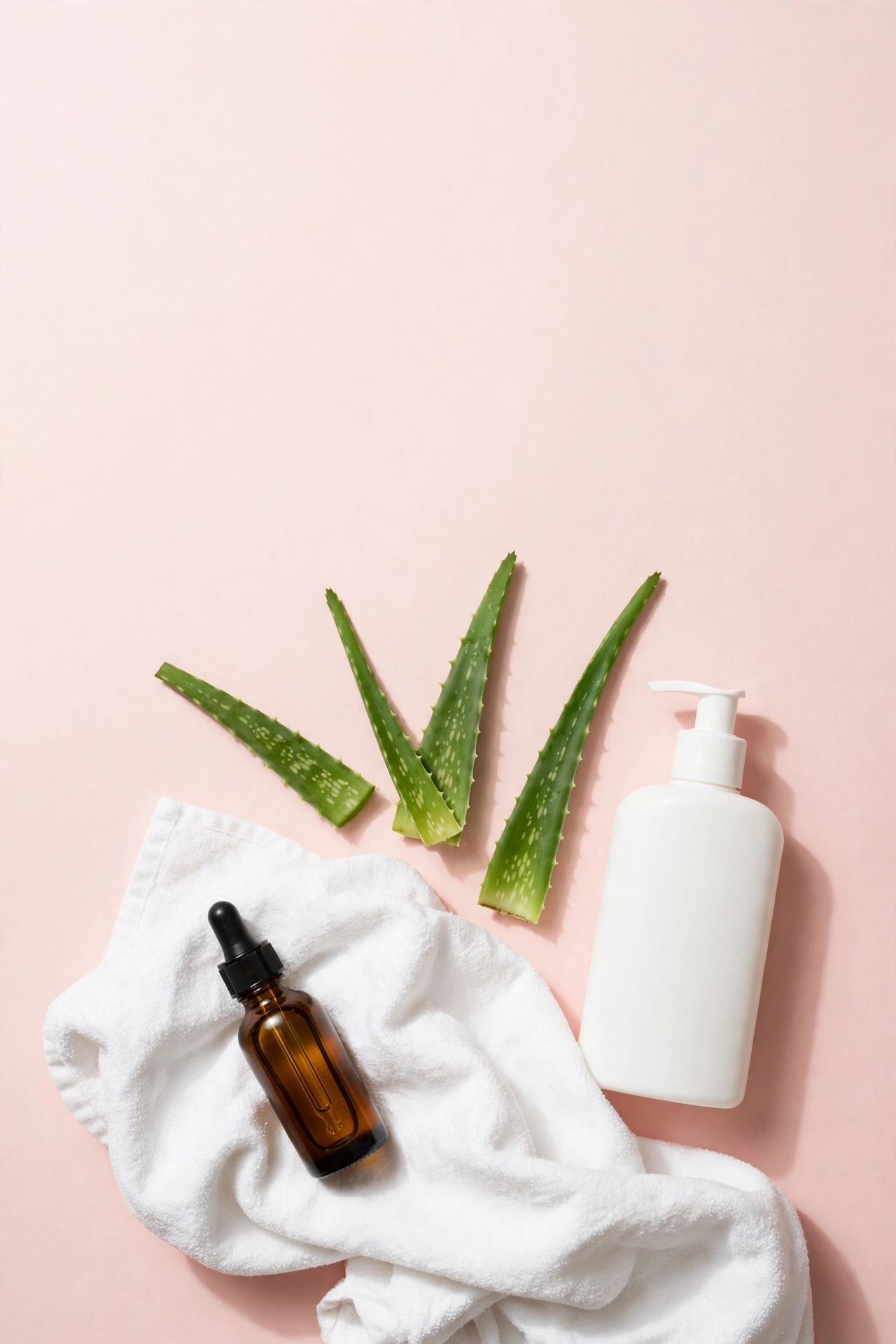
- Aloe vera gel. Anti-inflammatory and soothing; may reduce itch and mild flaking. Apply pure aloe gel to the scalp for 30 minutes before washing. Supportive rather than curative.
- Proper washing technique. Massaging shampoo into the scalp for a full 60 seconds with fingertips, double-shampooing when needed, and rinsing thoroughly prevents the buildup that feeds dandruff. Many people’s “dandruff” is partly just insufficient cleansing.
- Reduce heavy scalp oils. Malassezia feeds on oils. If you’re dandruff-prone, avoid leaving coconut oil or heavy oils on the scalp overnight — it can actively worsen flaking.
- Wash more frequently during flare-ups. Stretching washes lets oil and yeast build up. During an active flare, washing every 1–2 days with your anti-dandruff shampoo is better than waiting it out.
- Manage stress and diet patterns. Stress flares are real — dandruff often worsens during stressful periods because stress affects immune response and oil production. Consistent sleep and stress management support treatment (they don’t replace it).
- Sunlight in moderation. Brief, sensible sun exposure has mild anti-fungal effects and many people notice improvement in summer. Don’t burn your part line — protection still matters.
What NOT to Do When You Have Dandruff
- Don’t scratch. It damages the scalp, spreads inflammation, and can cause secondary infection. Treat the cause instead.
- Don’t assume it’s dryness and pile on oils. This is the most common mistake — feeding the yeast with coconut or olive oil overnight often makes dandruff visibly worse within days.
- Don’t use hot water. Hot water irritates the scalp and strips protective oils, increasing flaking. Lukewarm is enough.
- Don’t share the same towel/brush without washing. Not because dandruff is contagious (it’s not), but because dirty tools reintroduce buildup to a scalp you’re trying to clear.
- Don’t expect one wash to fix it. Consistency for 2–4 weeks is what clears dandruff, not a single heroic treatment.
Keeping Dandruff From Coming Back
Dandruff is a chronic tendency, not a one-time problem — Malassezia lives on everyone’s scalp permanently. The goal is management, not permanent cure:
- Maintenance washing: once flakes clear, keep using your anti-dandruff shampoo 1–2 times per week (alternating with a gentle regular shampoo). Stopping completely is why dandruff “comes back.”
- Rotate actives if needed: if one active stops working as well over months, switching to a different one often restores results.
- Keep up the routine: regular exfoliation (every 1–2 weeks) prevents the buildup that lets yeast overgrow. Our full [scalp care routine → scalp-care-routine-guide] shows how to schedule this.
- Watch for triggers: stress, infrequent washing, heavy styling products on the scalp, and seasonal changes (winter dryness, hat season) are common flare triggers.
Dandruff vs. Itchy Scalp: When They’re Connected
Dandruff and scalp itch travel together — itch is one of dandruff’s hallmark symptoms. But an itchy scalp without visible flakes can have entirely different causes (dryness, allergies, buildup). If your main complaint is itching rather than flakes, read [why is my scalp itchy: causes and remedies → why-is-my-scalp-itchy-causes-remedies] to diagnose the real cause before treating.
Frequently Asked Questions
How fast can I get rid of dandruff?
With a proper anti-dandruff shampoo used correctly (left on 3–5 minutes, 2–3x weekly), most people see noticeable improvement within 1–2 weeks and significant clearing within 3–4 weeks. Home remedies alone typically take 4+ weeks and work best as support.
Is dandruff contagious?
No. Dandruff is your own scalp’s response to yeast that already lives on everyone’s skin. You can’t catch it from someone or give it to someone.
Can dandruff cause hair loss?
Dandruff itself doesn’t directly cause hair loss, but chronic scratching damages follicles, and severe inflammation can increase shedding. Persistent heavy shedding alongside dandruff deserves a look at our [hair fall control guide → hair-fall-control-complete-guide] — and a dermatologist if it continues.
Should I brush my hair if I have dandruff?
Gentle brushing before washing can help loosen flakes so shampoo removes them more easily. Avoid aggressive brushing on an inflamed, sore scalp.
Why does my dandruff keep coming back?
Because the underlying tendency is permanent and maintenance usually stops too soon. Keep 1–2 anti-dandruff washes per week indefinitely, and watch for your personal triggers (stress, skipped washes, heavy products).
When should I see a doctor about dandruff?
If flakes are thick, yellow, and greasy with red, inflamed skin underneath; if there’s swelling, sores, or patches of hair loss; or if 4 weeks of correct medicated shampoo use hasn’t helped. These can indicate seborrheic dermatitis, psoriasis, or fungal infection needing prescription treatment.
Start tonight: pick one anti-dandruff active, use it correctly with proper contact time, and give it two consistent weeks. That single change clears dandruff for most people — and our [scalp care routine guide → scalp-care-routine-guide] will help you keep it gone.
complete scalp care routine
scalp exfoliation methods
itchy scalp causes and remedies
hair fall control guide
best shampoo for oily scalp and dry ends
Love this? Pin it for later!