Hormonal Acne on Chin & Jawline: Causes and Treatment
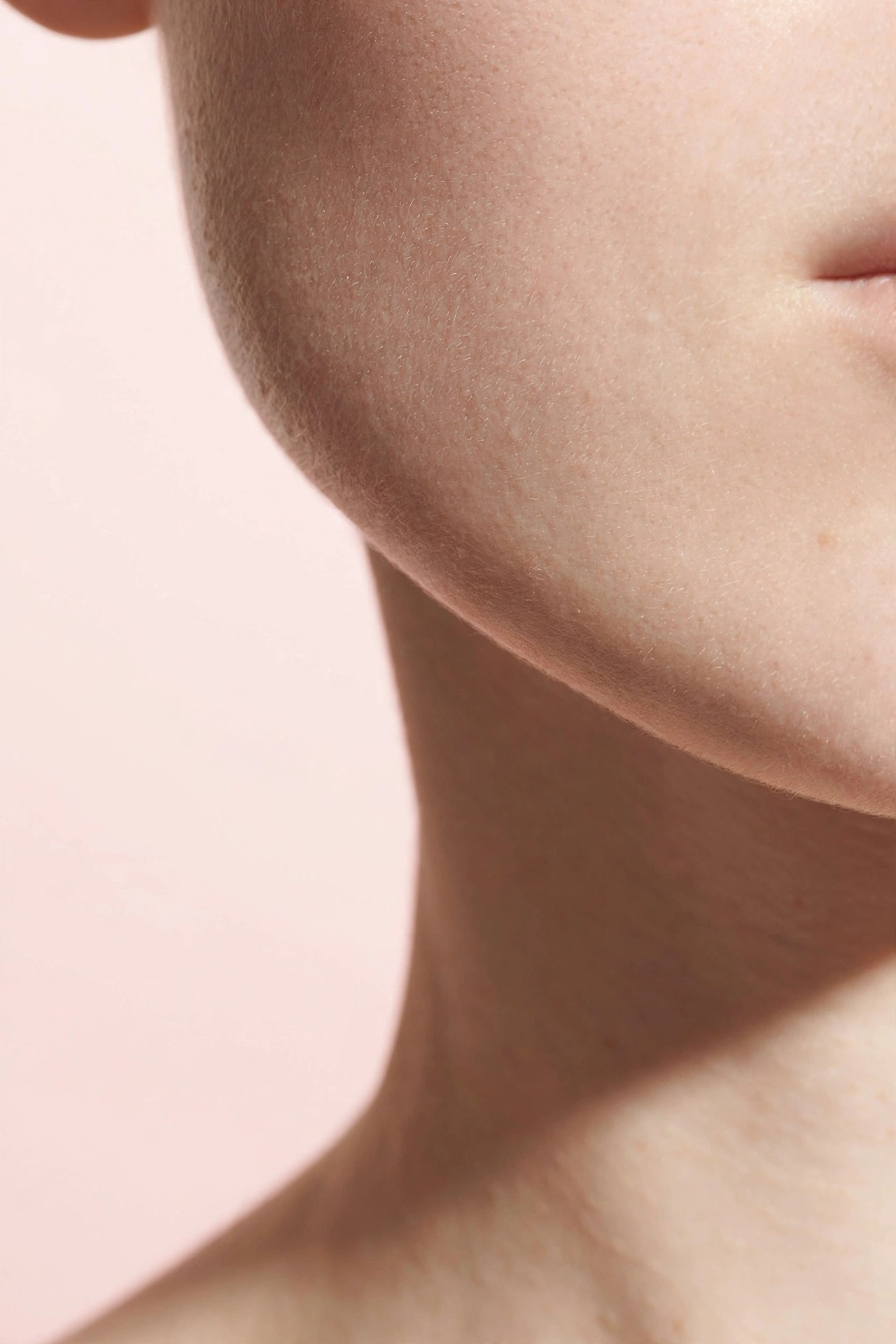
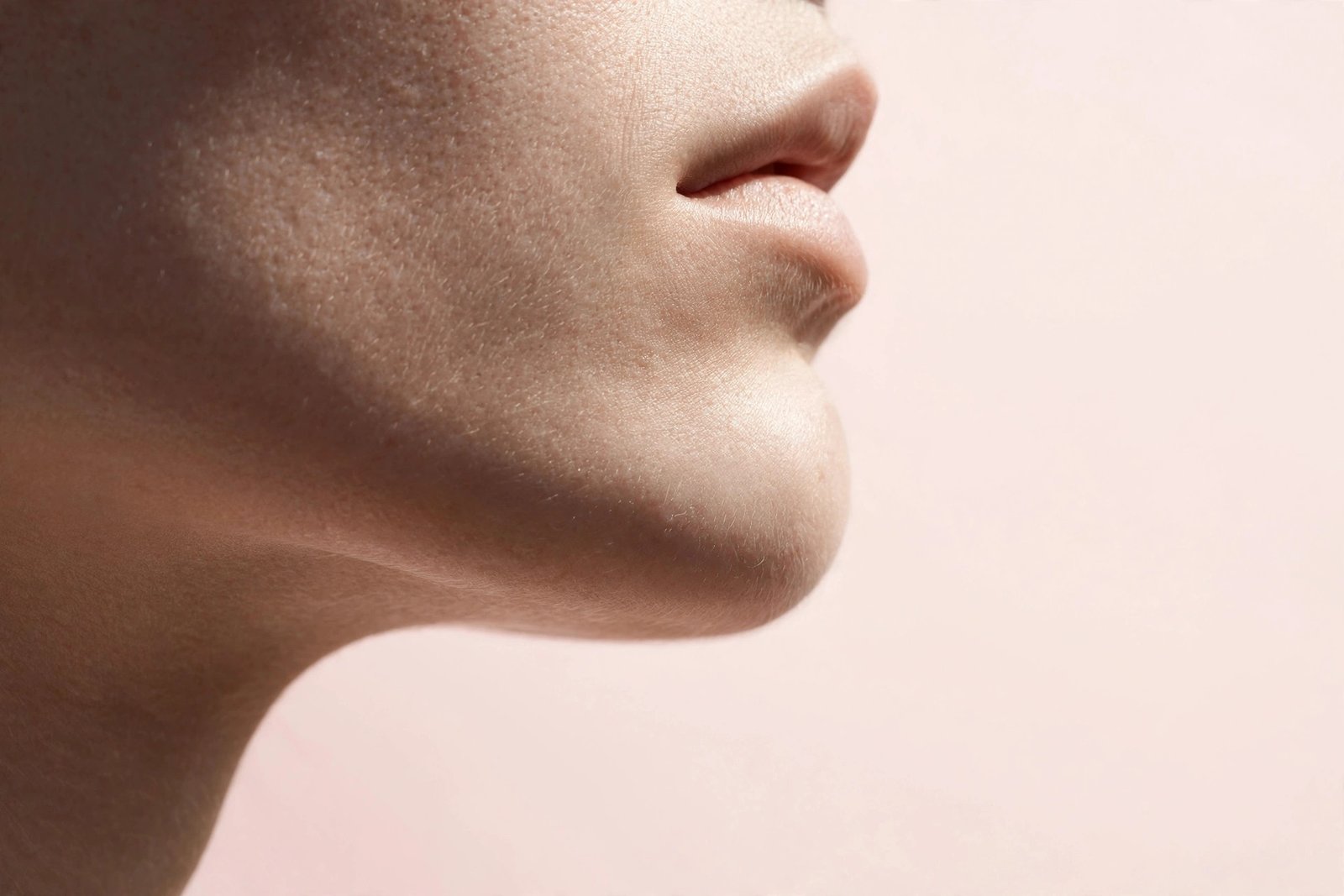
If your breakouts cluster stubbornly along the chin, jawline, and lower cheeks — often flaring in a monthly rhythm — you’re likely dealing with hormonal acne. Unlike teenage T-zone breakouts, hormonal acne tends to be deeper, more painful, and frustratingly resistant to the spot treatments that work on ordinary pimples.
The good news: once you understand what’s driving it, hormonal acne is very treatable. This guide covers how to tell if your acne is hormonal, what causes it, the skincare ingredients that help, and when professional treatment makes sense.
Key Takeaways
- Hormonal acne typically appears on the chin, jawline, and lower cheeks as deep, painful, cystic-feeling bumps.
- Monthly flare-ups, adult onset, and resistance to standard spot treatments are classic signs it’s hormonal.
- Fluctuations in androgens (not just estrogen) drive excess oil production and inflammation.
- Topical retinoids, benzoyl peroxide, and azelaic acid help; persistent cases often need dermatologist-prescribed hormonal therapy.
- Consistency over 8–12 weeks is required — hormonal acne rarely responds to quick fixes.
How to Tell If Your Acne Is Hormonal
No single symptom proves acne is hormonal, but this cluster of signs points strongly in that direction:
- Location: Breakouts concentrate on the chin, jawline, neck, and lower cheeks rather than the forehead and nose.
- Timing: Flares follow your menstrual cycle (often 1–2 weeks before your period), or appeared during pregnancy, postpartum, perimenopause, or after starting or stopping hormonal birth control.
- Type: Deep, tender bumps under the skin rather than surface whiteheads — often painful to touch and slow to come to a head.
- Age: You’re past your teens (hormonal acne most commonly affects women in their 20s–40s, though men get it too).
- Resistance: Standard over-the-counter spot treatments barely make a dent, and breakouts recur in the exact same spots month after month.
If several of these sound familiar, a hormone-driven pattern is likely. A dermatologist can confirm and rule out underlying conditions like PCOS (polycystic ovary syndrome) if breakouts come with irregular periods, excess facial hair, or hair thinning.
What Causes Hormonal Acne?
Hormonal acne is driven primarily by androgens — the group of hormones that includes testosterone. Everyone has androgens; when their levels fluctuate or skin becomes more sensitive to them, oil glands go into overdrive. Excess sebum mixes with dead skin cells, clogs pores, and feeds acne-causing bacteria, triggering the deep inflammation characteristic of hormonal breakouts.
Common triggers for these fluctuations include:
- Menstrual cycle: Progesterone rises after ovulation, stimulating oil production — hence the classic pre-period breakout.
- Puberty and teenage years: The androgen surge of puberty is why teen acne is so common.
- Pregnancy and postpartum: Dramatic hormonal shifts in both directions can trigger breakouts.
- Perimenopause and menopause: Declining estrogen means androgens have relatively more influence.
- Starting or stopping hormonal birth control: Both can temporarily destabilize oil production.
- Stress: Cortisol doesn’t directly cause hormonal acne, but chronic stress disrupts overall hormonal balance and increases inflammation.
- PCOS and other conditions: Elevated androgens from conditions like PCOS commonly cause persistent jawline acne.
It’s worth noting that blood hormone levels often test “normal” in people with hormonal acne — the issue is frequently how sensitive the skin’s oil glands are to normal hormone levels, not the levels themselves.
Skincare Ingredients That Help Hormonal Acne
Over-the-counter skincare can’t change your hormones, but the right ingredients can significantly reduce the breakouts they cause:
- Adapalene (a topical retinoid): The strongest OTC option for hormonal acne. It normalizes cell turnover inside pores, preventing the deep clogs that become cystic bumps. Use a pea-sized amount over the lower face 2–3 nights per week to start. when to start using retinol
- Benzoyl peroxide: Kills acne bacteria and calms inflammation in the painful bumps hormonal acne produces. A 2.5–5% wash or short-contact treatment minimizes irritation.
- Azelaic acid: Anti-inflammatory and antibacterial with the bonus of fading the dark marks hormonal breakouts leave behind. Well tolerated by sensitive skin.
- Niacinamide: Helps regulate oil production and calm redness without irritation — a good daily supporting ingredient. what niacinamide does for skin
- Salicylic acid: Useful for keeping pores clear, though less effective on deep cystic bumps than on surface clogs. salicylic acid vs glycolic acid
What to skip: harsh physical scrubs (they inflame already-angry skin), picking at deep bumps (which guarantees scarring), and layering multiple strong actives at once. For a full routine framework, see our complete guide to getting rid of acne.
Lifestyle Habits That Support Clearer Skin
Skincare treats the breakouts; habits reduce the triggers.
- Track your cycle alongside breakouts. A simple note in your phone for 2–3 months reveals your personal flare pattern, which helps you time stronger treatments (like an extra retinoid night) before the breakout week.
- Manage stress deliberately. Since cortisol worsens inflammation, regular sleep, movement, and downtime aren’t luxuries — they’re part of the treatment plan.
- Change pillowcases frequently. Your jawline and chin press into your pillow all night; wash cases 2–3 times per week.
- Clean your phone. Phones rest directly against the jawline and lower cheek, transferring oil and bacteria to exactly where hormonal acne strikes.
- Check hair products. Heavy oils, waxes, and dry shampoos migrate onto the jawline and neck. Keep them away from the lower face.
- Be patient with diet experiments. The evidence linking specific foods to hormonal acne is limited. Notice patterns before making major cuts.
When to See a Dermatologist About Hormonal Acne
Book an appointment if:
- Deep, painful breakouts persist after 8–12 weeks of consistent OTC treatment.
- Acne is leaving scars or dark marks.
- Breakouts appeared suddenly with other symptoms (irregular periods, new facial hair growth, hair thinning) — these warrant evaluation for PCOS or other hormonal conditions.
- Acne is significantly affecting your confidence or daily life.
Dermatologists have tools beyond OTC skincare: prescription-strength retinoids, hormonal therapies (such as combined oral contraceptives or spironolactone for appropriate candidates), and in-office treatments like corticosteroid injections that can flatten a painful cyst within days. There’s no prize for suffering through treatable acne alone.
Birth Control and Hormonal Acne: What to Know
Hormonal contraception has a complicated relationship with acne. Combined oral contraceptives (containing both estrogen and progestin) are FDA-approved to treat acne in some cases — they lower free testosterone, which reduces oil production. Many people see significant improvement within 2–3 months of starting one.
But it’s not universal: some people break out when starting birth control, when switching formulations, or when stopping it, as the body readjusts. Progestin-only methods (mini-pill, hormonal IUD, implant, shot) are more likely to worsen acne in susceptible people, though responses vary individually.
If you’re considering birth control partly for acne, discuss it with both your dermatologist and your prescribing doctor — they can help weigh skin benefits against other health factors. Never start, stop, or switch contraception solely based on internet advice; it’s a medical decision that deserves professional guidance. Keep in mind that any hormonal approach takes at least two to three full cycles to show its effect on skin, so patience is essential before judging results.
Frequently Asked Questions
How long does hormonal acne last?
It varies widely. For many women, cycle-related breakouts continue through the reproductive years but become manageable with the right treatment. The key point: hormonal acne doesn’t simply “age out” on a schedule, but consistent treatment — topical or prescribed — can keep it well controlled indefinitely.
Does hormonal acne go away on its own?
Sometimes mild cases improve as hormones stabilize, but moderate-to-severe hormonal acne rarely resolves without treatment. Waiting it out usually just means more months of breakouts and a higher risk of scarring. Starting treatment sooner protects your skin long-term.
Can men get hormonal acne?
Yes. Men also experience androgen-driven breakouts, particularly along the jawline and chin, and during periods of hormonal change. The same topical treatments apply; dermatologists can advise on prescription options suited to men.
Is spearmint tea or seed cycling proven to help hormonal acne?
These are popular online remedies, but the scientific evidence is thin — small studies, no large clinical trials. They’re unlikely to be harmful for most people, but dermatologists recommend prioritizing treatments with solid evidence (retinoids, benzoyl peroxide, prescribed hormonal therapy) rather than relying on unproven remedies alone.
Should you pop hormonal acne bumps?
No — especially not the deep, painful ones without a head. Squeezing deep bumps pushes inflammation further into the skin, worsens pain, prolongs healing, and greatly increases scarring risk. A warm compress can ease pain, and a dermatologist can inject a stubborn cyst to flatten it quickly.
Love this? Pin it for later!