Solid Perfumes: The Beginner’s Guide to Scent Balms
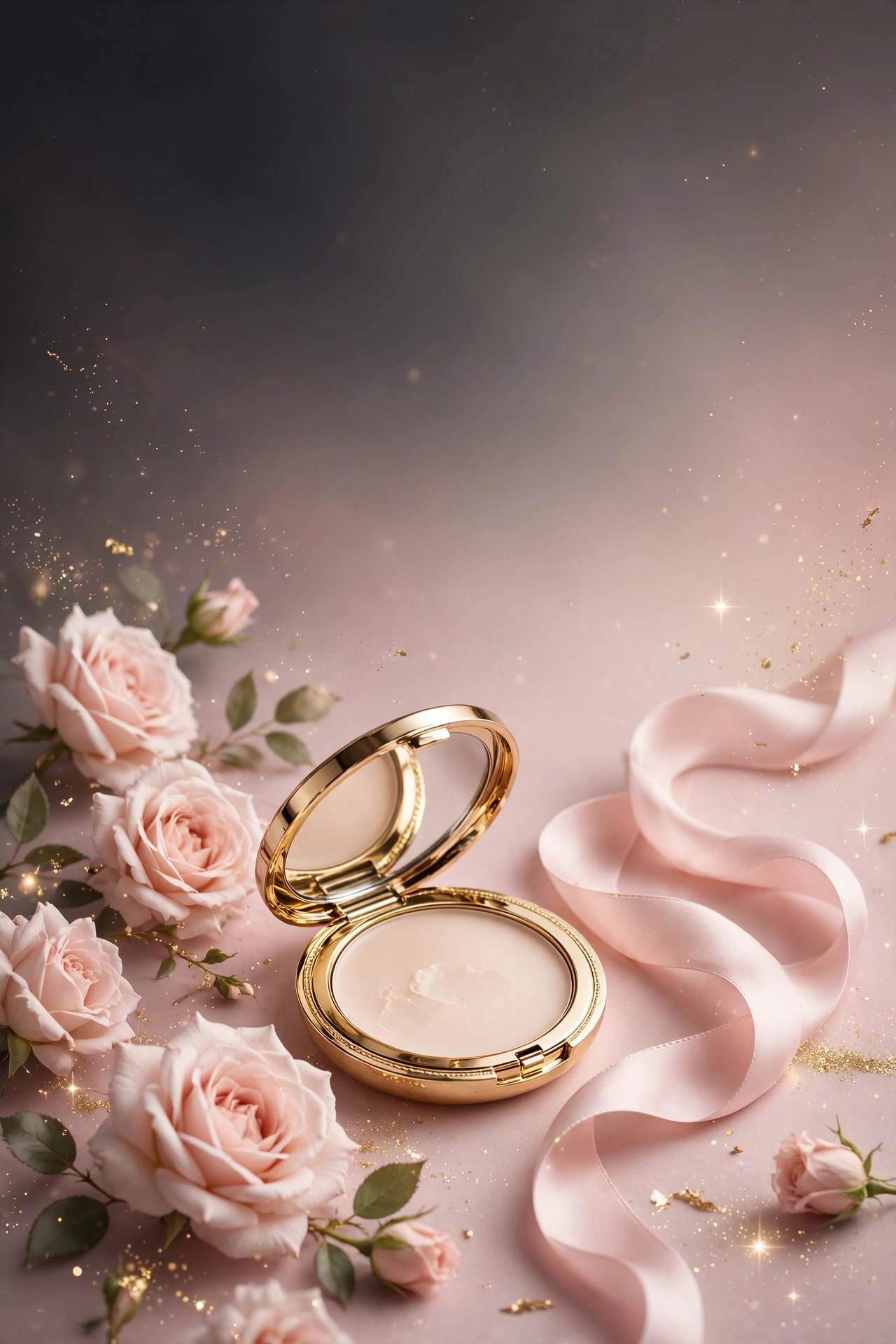
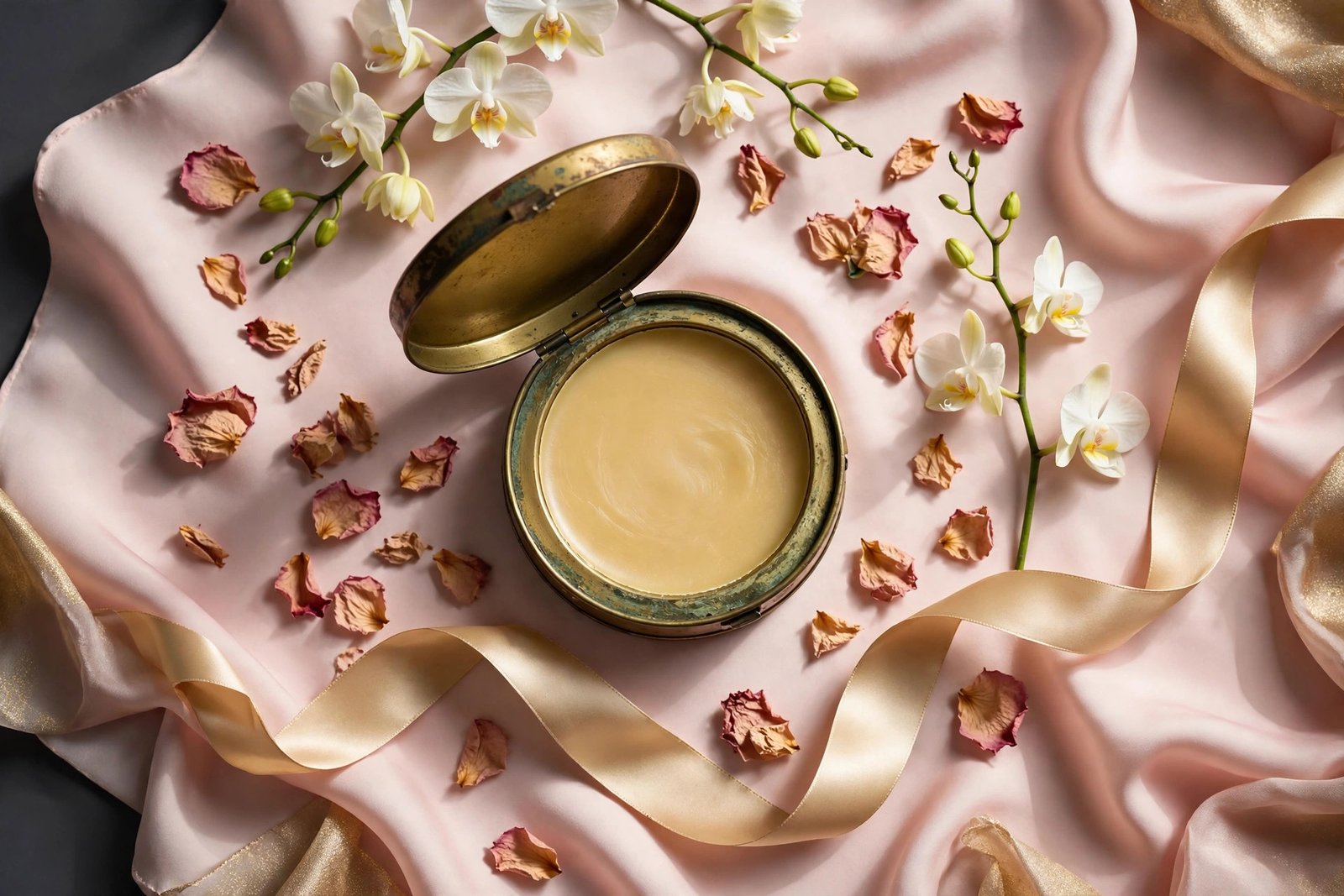
If your fragrance routine has always meant a glass bottle and a spray nozzle, you may be missing out on one of the most underrated formats in perfumery. Solid perfumes — also called scent balms, perfume balms, or solid colognes — pack fragrance into a compact, wax-based compact you can toss in a pocket, a purse, or a carry-on without a second thought. No liquid restrictions at airport security, no leaking sprayer, no clinking glass bottle rattling around your bag.
Despite being around for centuries — solid scented balms date back to ancient Egypt — solid perfumes have only recently entered the mainstream beauty conversation, and many beginners are still unsure how they work. How do you apply them? Do they last as long as sprays? Are they worth the money? This guide answers all of that and more, so you can decide whether a scent balm deserves a spot in your routine.
Key Takeaways
- Solid perfumes are wax-based fragrances you swipe on with your fingers — no alcohol, no spray, no mess.
- They last roughly 4–6 hours on skin (closer to the skin than sprays) and are easy to reapply discreetly.
- Solid perfumes are ideal for travel: spill-proof, TSA-friendly, and pocket-sized.
- They work best as complements to your spray collection or as gentle, intimate everyday scents — not as one-for-one replacements for strong projection fragrances.
- Beginners should start with a versatile scent family (fresh florals, soft vanilla, or clean citrus) and test wear before investing in a full-size balm.
What Are Solid Perfumes, Exactly?
How Scent Balms Are Made
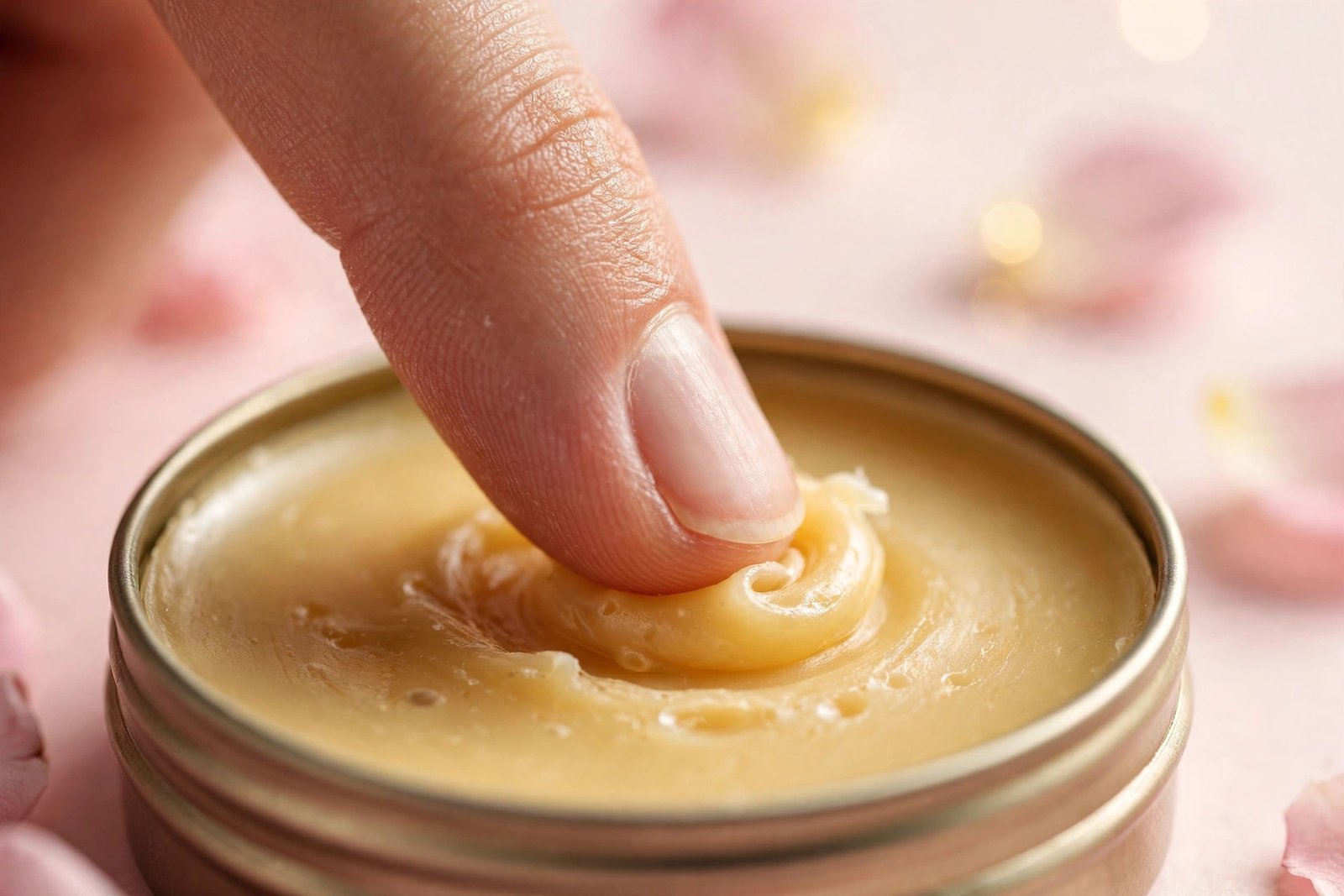
A solid perfume is fragrance suspended in a base of waxes and oils rather than alcohol. Most formulas blend a fragrance oil (the scent itself) with a carrier such as jojoba oil, coconut oil, shea butter, or beeswax. Some brands use vegan candelilla or carnauba wax instead of beeswax, which is worth knowing if you prefer animal-free products.
Because there is no alcohol to flash off quickly, the scent develops differently on skin. Sprays often open with a bright, sharp burst from the alcohol and volatile top notes; solid balms warm up more gradually as the oils melt against your skin, revealing the heart of the fragrance in a softer, rounder way. The result is a scent that wears closer to the body — an intimate, “your skin but better” effect rather than a scent trail that fills the room.
Solid Perfume vs. Spray: The Real Differences
It helps to set expectations honestly. Solid perfumes and alcohol-based sprays are not identical experiences in different packaging; they behave differently in several key ways:
- Projection: Sprays project outward; balms sit close to the skin. If you love a fragrance that announces you in a doorway, a solid version of the same scent will feel quieter.
- Longevity: A quality solid balm typically lasts 4–6 hours before fading, comparable to many eau de toilette sprays but shorter than a rich eau de parfum.
- Scent development: Balms skip the sharp alcohol opening and bloom more gradually, which many people find more wearable for office or close-quarters settings.
- Portability: This is where solids win outright — no glass, no leaks, no security liquid limits, and reapplication anywhere without a visible spray cloud.
- Cost per wear: Balms often look expensive per gram, but because you use only a thin swipe per application, a small tin can last months of daily use.
Neither format is objectively better; they serve different purposes. Many fragrance enthusiasts keep both — sprays for nights out and special occasions, balms for travel, touch-ups, and low-key days.
Why Solid Perfumes Are Worth Trying
Travel-Friendly and Spill-Proof
The single strongest argument for solid perfume is travel. A balm takes up less space than a lipstick, cannot spill, and sails through TSA without counting toward your liquids bag. If you have ever packed a glass bottle wrapped in a sock, hoping it survives the flight, you already understand the appeal. For more ideas on building a compact, leak-proof kit, see this guide to travel beauty essentials.
Gentle on Sensitive Skin
Alcohol-based sprays can sting freshly shaved skin and irritate people with sensitivity. Wax-and-oil balms are alcohol-free, so they tend to feel gentler — a common reason dermatologists’ patients experiment with them when sprays cause reactions. That said, fragrance itself (in any format) can still trigger sensitivity, so patch-testing behind the ear remains a smart habit.
Discreet Reapplication
Reapplying a spray at your desk or in a restaurant is awkward: the mist travels, the pump clicks, and suddenly everyone knows. A balm, on the other hand, takes two seconds — open the tin, swipe a finger across, dab on your wrists. It is silent, invisible, and nobody notices. That discretion makes solid perfumes a favorite for work environments with fragrance-friendly-but-not-fragrance-forward policies.
Layering Potential
Because balms sit close to the skin, they make excellent layering bases. A swipe of a vanilla-scented balm under a floral spray adds warmth and staying power; a citrus balm under a heavier perfume lifts the opening. Layering is one of the fastest ways to make an existing collection feel new, and balms give you precise, controlled dosing that sprays cannot match.
How to Apply Solid Perfume (and Get It to Last)
The Right Application Points
Solid perfume works best on pulse points, where body heat melts the wax and releases the scent: the wrists, the sides of the neck, behind the ears, and the inner elbows. A thin swipe is enough — press the pad of your finger (or the balm stick itself) lightly against the surface and dab rather than rub hard. Heavy rubbing generates heat too fast and can muddy the top notes.
One common beginner mistake is applying balm to dry, lotion-free skin and expecting spray-level longevity. Because the fragrance is suspended in oil, it performs better when the skin underneath is slightly moisturized — an unscented lotion or a thin layer of petroleum-free body oil underneath gives the scent something to grip.
How Often to Reapply
Plan on reapplying every 4–5 hours for a full day of wear. The good news: reapplying a balm is effortless, and carrying the tin means your fragrance never has to fade by afternoon. For a dinner or evening event, a fresh swipe 30 minutes before you leave is usually enough to reset the scent.
Storing Your Balm Correctly
Heat is the enemy of solid perfume. Left in a hot car or on a sunny windowsill, the wax softens, and over time the fragrance oils can degrade faster. Store tins at room temperature with the lid closed, and they will keep their scent for a year or more. If a balm ever melts completely and re-solidifies, it is usually still usable, though the scent may be slightly altered.
Choosing Your First Solid Perfume
Start With a Versatile Scent Family
If you are new to both fragrance and balms, the safest first pick is something broadly wearable: a soft floral (rose, peony), a clean citrus (neroli, bergamot), or a cozy vanilla or amber. These families read “pleasant and put-together” across offices, dates, and casual days, and they layer well with most sprays you may already own.
Heavy orientals, smoky oud, and intense gourmands can work beautifully in balm form, but they are stronger personality choices — better as a second or third balm once you know you love the format. For a refresher on finding your signature scent family, check out this beginner’s guide to choosing a perfume.
What to Look For (and What to Avoid)
A good beginner balm checks a few boxes:
- Recognizable scent family on the label — so you know roughly what you are getting before you open it.
- Simple, skin-safe ingredients — a short list of waxes, carrier oils, and fragrance. Avoid anything with undisclosed “fragrance” plus a long string of unfamiliar chemicals if your skin is reactive.
- Practical packaging — a screw-top tin or twist-up stick. Push-up cardboard tubes are charming but can get crumbly.
- Reasonable size — 10–15 grams is plenty for months of use. Giant tins look like value but risk the scent going stale before you finish them.
One thing to be wary of: extremely cheap balms on large marketplaces that list no ingredient details at all. Fragrance sits on your skin for hours, so buy from brands that are transparent about what is in the tin.
Budget Expectations
Beginner-friendly solid perfumes typically run from about $10 to $35, with niche and luxury houses charging $50 and up. You do not need to start at the top. Several indie brands make excellent introductory balms in the $12–$20 range, and sampling one or two before committing to a favorite scent family is a perfectly reasonable strategy. If you love a good deal, keep an eye on perfume dupes guide for affordable ways to explore scent profiles.
Solid Perfumes for Common Beginner Questions
Do They Work for People Who “Can’t Smell” Their Own Spray?
Yes — and this is a surprisingly common reason people switch. If you go nose-blind to your daily spray within an hour (olfactory adaptation), a balm’s quieter, closer scent can actually be easier to notice throughout the day because the fragrance releases gradually rather than in one big blast. Many people also find that switching between two or three balms across the week keeps their nose fresher than wearing one spray every day.
Are Solid Perfumes Unisex?
Almost always, yes — balms are among the most gender-neutral fragrance formats available. The format itself carries no gendered packaging conventions the way some spray bottles do, and most brands market their balms simply by scent family. Woody, citrus, and green notes are popular across the board. If you are building a scent wardrobe beyond perfume, the principles are the same as in this multipurpose beauty products roundup.
Frequently Asked Questions
How long does solid perfume last on skin?
Most quality balms last 4–6 hours before fading noticeably. Longevity depends on the formula (more concentrated fragrance oil lasts longer), where you apply it (moisturized pulse points hold scent best), and how much you apply. Reapplying every 4–5 hours keeps the scent present all day.
Can solid perfume replace my regular spray?
It depends on what you want from your fragrance. If you want a discreet, travel-friendly scent for everyday wear, absolutely. If you want strong projection and a long scent trail for evenings out, a balm will feel too quiet on its own — but it makes an excellent base layer under a spray to extend the spray’s wear.
Is solid perfume better for sensitive skin than spray?
Often, yes, because balms are alcohol-free and alcohol is a common irritant. However, the fragrance compounds themselves can still cause reactions in sensitive individuals, so patch-test any new balm behind the ear or on the inner forearm for 24 hours before wearing it all day.
Do solid perfumes expire?
They do not “expire” the way food does, but fragrance oils degrade over time, especially with heat and air exposure. A balm stored at room temperature with the lid closed typically smells as intended for 12–18 months. If it starts smelling flat, waxy, or “off,” it is time to replace it.
Why can’t I smell my solid perfume after an hour?
Two likely causes: olfactory adaptation (your nose tuned it out, not your skin), or applying too little. Try a slightly heavier swipe on moisturized skin, and ask a friend whether they can still smell it — more often than not, it is still there. Rotating between two scents during the week also helps keep your nose sensitive.
Are solid perfumes vegan?
Some are, some are not. Traditional formulas use beeswax, but many brands now use plant-based candelilla or carnauba wax and label their balms vegan. Check the ingredient list — transparent brands state it clearly.
Your Next Step: Pick One Balm and Test It
Solid perfumes are one of the lowest-risk experiments in all of beauty: inexpensive to start, impossible to spill, and easy to love once you get the application right. Pick one versatile scent family, swipe it on moisturized pulse points for a week, and pay attention to how the quieter, closer wear feels compared to your sprays.
If the format clicks, your second balm should be something with a little more personality — a warm amber for evenings, a green fig for spring, or a cozy vanilla for layering. And if you decide you are a spray person at heart, that is useful knowledge too: your fragrance wardrobe is one balm smarter than it was before. Either way, the little tin in your bag will have earned its place.
Love this? Pin it for later!