Pink Hair Stripe: How to Get the Look and Keep It Vibrant
A pink hair stripe is one of the easiest ways to wear a bold color without committing to a full head of pink. One well-placed section — a face-framing streak, a peekaboo panel underneath, or a chunky stripe through the front — gives instant impact, grows out gracefully, and is far simpler to maintain than all-over color. It also suits almost every hair length, from a pixie to waist-length waves.
The catch is that pink is a famously fickle color. It fades fast, it can turn patchy if the base underneath is uneven, and the wrong shade can clash with your skin tone. The good news is that all of those problems are avoidable with a little planning. This guide walks through choosing your shade, preparing your hair, applying the color, and keeping it vibrant for as long as possible.

Key Takeaways
- A pink stripe works best on pre-lightened hair; the lighter and more even the base, the truer the pink.
- Pastel pink needs a very pale blonde base, while hot and magenta pinks show up on darker blonde bases.
- Semi-permanent dye is the safest choice for a first stripe because it fades out gradually without harsh regrowth lines.
- Cold water, sulfate-free shampoo, and less frequent washing are the three habits that most slow fading.
- A stripe grows out softly, so it is one of the most forgiving bold-color choices for beginners.
Choosing Your Pink
Find the right shade for your skin tone
Pink is not one color. Cool-toned pinks, such as bubblegum and cotton-candy pink, tend to flatter cool and neutral skin tones, while warmer pinks, such as coral pink and rose gold, tend to suit warm skin tones. If you are unsure, hold fabric swatches or clothing in different pinks near your face in natural light and notice which one makes your skin look brighter rather than washed out.
Depth matters as much as tone. A soft pastel reads romantic and subtle, a classic medium pink reads playful, and a hot magenta reads bold and edgy. If you are torn between pink and another trending shade, it helps to compare the maintenance each one needs — a warm copper, for example, fades very differently from pink: cowboy copper hair color guide. If you are coloring for the first time, a medium pink is a forgiving middle ground: it is vivid enough to look intentional, but it fades into a pretty pastel rather than disappearing overnight.
Decide on placement
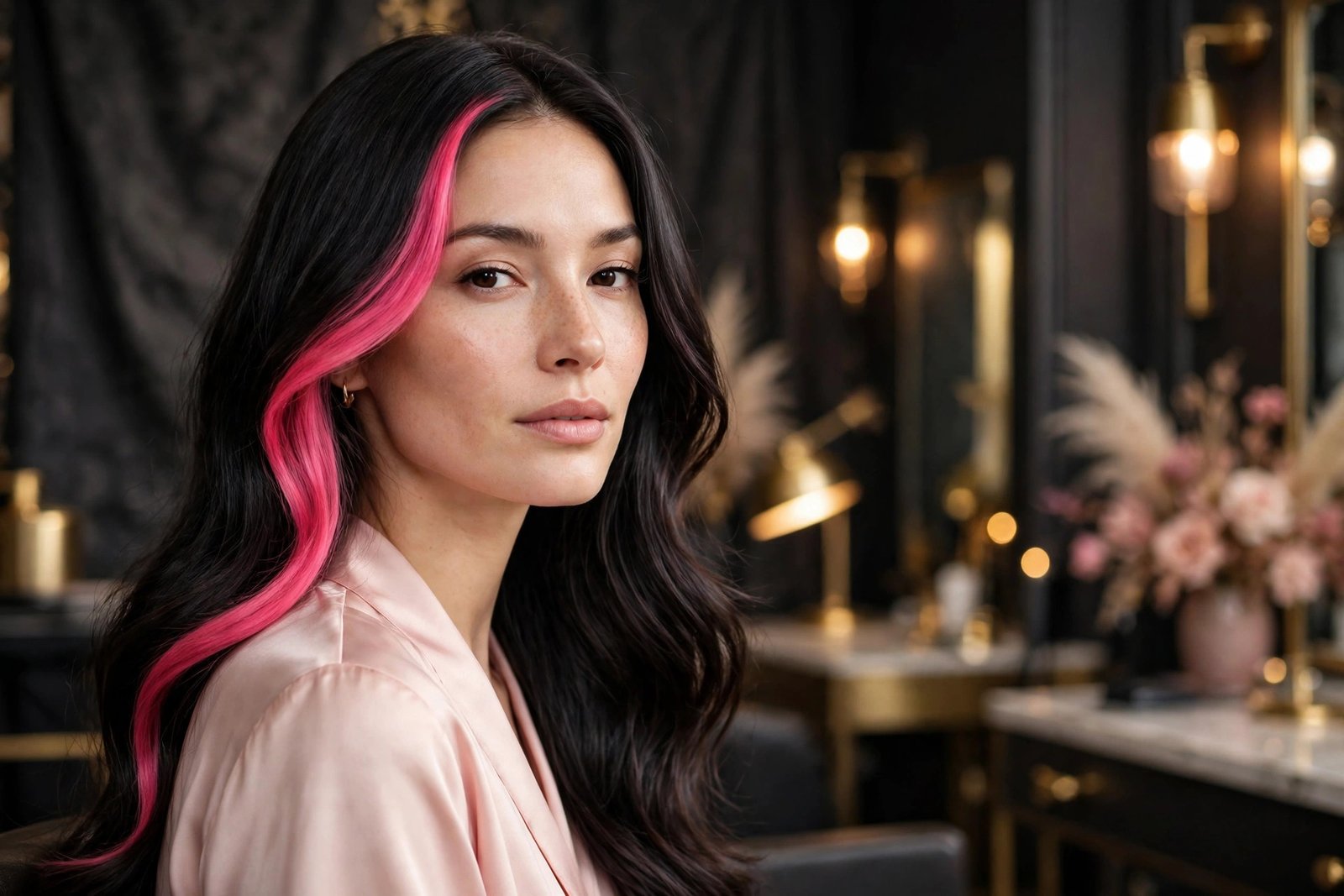
Placement changes the whole look. Face-framing stripes, sometimes called money pieces, brighten the face and are the most visible option. A peekaboo stripe sits underneath the top layer, so it flashes when you move or tie your hair up and stays subtle the rest of the time. A single chunky stripe through the fringe or along a parting makes a graphic statement.
Think about your everyday styling too. If you usually wear your hair down and parted in the middle, symmetrical face-framing stripes look balanced. If you often wear a ponytail or bun, a peekaboo panel underneath gives you a surprise pop of color when your hair is up.
Pick the right type of dye
For most people, a semi-permanent direct dye is the best choice for a pink stripe. It deposits color on the surface of the hair without developer, so it causes far less damage than permanent color, and it fades gradually over several weeks. That gentle fade is a real advantage: there is no harsh line as it grows out.
Permanent pink dye exists, but it is rarely necessary for a single stripe, and it is much harder to remove if you change your mind. Temporary color sprays and chalks can be fun for a single evening, but they transfer easily and rarely look as rich as a proper dye. If you want to test the look before committing, a temporary option is a sensible trial run.
Preparing Your Hair
Lightening: the step you cannot skip
Pink dye is translucent, which means the color underneath shows through. On dark brown or black hair, pink dye alone will barely show, and on brassy orange hair it can turn muddy or salmon-toned. For a true pink, the stripe section usually needs to be lightened first.
How light you need to go depends on your shade. Pastel pink needs a pale, almost white-blonde base. Medium and hot pinks work on a level 8 to 9 blonde, which is a light golden blonde. A common mistake is lightening unevenly, which leads to patchy pink, so take your time and check the section in good light as it processes.
If you are new to lightening, read a beginner guide first: how to dye hair at home for beginners. For the lightening step itself, the safety basics matter more than speed: how to bleach hair safely at home. Never overlap bleach onto previously lightened hair, and always do a strand test before applying it to a visible section.
The strand test and patch test
A strand test tells you how long your hair needs to reach the right base and how the pink will actually look on your hair. Test a small hidden section first, following the product instructions exactly. A patch test, done at least 48 hours before coloring, checks for an allergic reaction. Skipping these steps is the most common cause of disappointing or uncomfortable results, and they cost almost nothing.
What to have ready
Gather everything before you start: dye, gloves, an old towel and T-shirt, clips to section the hair, a tint brush, petroleum jelly or barrier cream for the hairline, and a sulfate-free shampoo for the first wash. Working with a clean, dry, unwashed-for-a-day head of hair is a common recommendation, since natural oils can help protect the scalp during lightening.
Applying the Pink Stripe
Sectioning
Clean sectioning is what separates a salon-looking stripe from a messy one. Use the tail of a comb to draw a neat section, clip the rest of the hair away, and keep the stripe section as even as possible. For a face-framing stripe, a section about one to two inches wide on each side is a good starting point. For a single statement stripe, choose one side and keep it bold and deliberate.
Applying the dye
Apply the dye generously and evenly, saturating the section from root to tip. Thin, patchy application is the main cause of uneven pink, so do not be stingy. Work the dye through with your fingers (gloved) or a tint brush, and check the section from several angles to catch any missed spots.
Processing time varies by product, so follow the instructions on your dye rather than guessing. Most semi-permanent pinks need around 30 minutes, and leaving the dye on longer does not damage hair the way bleach does, but it can deepen the result. Cover the section loosely with cling film or a shower cap to keep it moist while it processes.
Rinsing and drying
Rinse with cool water until the water runs mostly clear, and skip shampoo for the first wash if the product allows it. Cool water helps seal the hair cuticle and lock in color. Dry the stripe separately where possible, or at least avoid rubbing it vigorously with a towel, which can rough up the cuticle and encourage fading. Once dry, you will see the true color — wet pink always looks darker than it really is.
Keeping It Vibrant
Wash less, and wash cool
Every wash removes a little pink, so washing less often is the single most effective way to slow fading. Many people find that washing two to three times a week, with dry shampoo in between, keeps a stripe vivid noticeably longer. When you do wash, use cool or lukewarm water rather than hot water, which opens the cuticle and releases color faster.
Use color-safe products
A sulfate-free, color-safe shampoo is worth the switch for a pink stripe. Harsh sulfates strip semi-permanent color quickly, while gentler formulas clean without pulling as much pigment out. A weekly deep-conditioning mask also helps, since healthy, moisturized hair holds color better than dry, porous hair.
If your pink starts to look dull between dye sessions, a pink color-depositing conditioner can refresh it without a full reapplication. This is a popular maintenance trick for pastel shades in particular, since it tops up the pigment each time you condition. For related color care, a toner guide can help you understand how to correct unwanted tones: beginner’s guide to hair toner.
Protect it from sun, heat, and chlorine
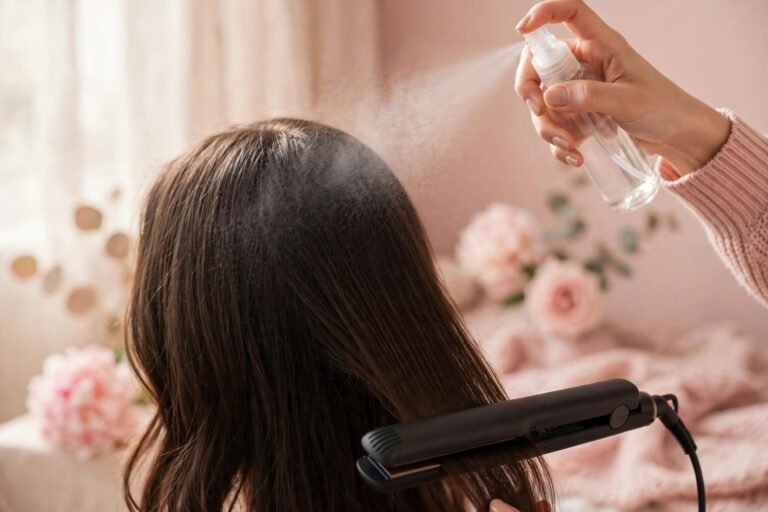
Sunlight fades pink faster than almost anything else, so a hat or a UV-protectant spray is a good idea for long days outdoors. Heat styling also accelerates fading, so use a heat protectant and keep temperatures moderate where possible. Chlorine is another culprit: wet your hair with clean water before swimming and wear a swim cap if you swim regularly, since pre-wetted hair absorbs less chlorinated water.
Refreshing the stripe
Most semi-permanent pinks last around four to six weeks, depending on the shade, your washing habits, and your hair’s porosity. Pastels fade fastest, sometimes within two to three weeks, while deeper magentas hold on longer. Refreshing just the stripe section is quick — you usually do not need to re-lighten unless the base has grown out significantly. Many people refresh the color every few weeks and re-lighten only the new growth every couple of months.
If your pink fades unevenly, purple shampoo is sometimes suggested, but it is designed for blonde toning rather than pink maintenance, so use it sparingly and understand what it does first: how to use purple shampoo.
Common Mistakes to Avoid
- Applying pink over dark hair and expecting vibrancy. Without lightening, the result is usually faint or muddy.
- Lightening too quickly in one session. Rushing bleach can cause breakage; two gentler sessions beat one harsh one.
- Skipping the strand test. Hair porosity varies, and the same dye can look very different on different heads of hair.
- Washing with hot water and harsh shampoo. This is the fastest way to wash a new stripe down the drain.
- Choosing a shade from the tube alone. Dye always looks darker in the container than it will on lightened hair, so check swatches on a similar base.
Who a Pink Stripe Suits
A pink stripe suits people who want bold color with an easy exit. Because it is a small section, it works in many workplaces that would not allow a full head of pink, especially when the stripe is peekaboo rather than face-framing. It also suits people who are unsure about pink: if you love it, you can add more sections later, and if you do not, one section is easy to tone down or grow out.
Hair texture matters less than people expect. A stripe looks striking on straight hair, where the line is crisp, and equally good on wavy or curly hair, where it peeks through the texture. The key is a clean section and an even base, not a particular hair type.
Shop This Guide
The pick below is genuinely useful for a pink stripe: a well-known semi-permanent pink dye for the color itself. Check the live details on Amazon before buying, since formulas and shades change.
As an Amazon Associate I earn from qualifying purchases.

Frequently Asked Questions
How long does a pink hair stripe last?
A semi-permanent pink stripe usually lasts around four to six weeks, with pastels fading faster and deeper magentas lasting longer. Washing habits, water temperature, and sun exposure all affect how quickly it fades.
Do I have to bleach my hair for a pink stripe?
For a true, vivid pink, yes — the stripe section usually needs to be lightened first, especially on medium to dark hair. Hot pinks can show faintly on dark blonde hair, but pastels need a very pale base. For a fuller overview of coloring at home, see: beginner’s guide to dyeing hair at home.
Will a pink stripe damage my hair?
The dye itself is gentle, since semi-permanent color does not use developer. Most of the risk comes from the lightening step, which is why a strand test, careful timing, and good aftercare matter. Deep conditioning after lightening helps keep the stripe section healthy.
Can I get a pink stripe without lightening dark hair?
Temporary sprays and chalks can add a visible pink tint to dark hair for a day, but they will not give the rich, even color of a proper dye. If you want lasting pink on dark hair, lightening the section is the reliable route.
How do I remove a pink stripe if I change my mind?
Semi-permanent pink fades on its own over several weeks. Washing more often, using a clarifying shampoo, and warm water can speed fading. For stubborn color, a color remover or a toner can help — a toner guide explains the options: hair toner guide for beginners. If the color is still strong, a colorist can help without damaging the rest of your hair.
Does pink hair suit warm skin tones?
Yes. Warmer pinks such as coral, rose gold, and warm magenta tend to suit warm skin tones best, while cool bubblegum pinks suit cool tones. The right pink for you depends on both undertone and depth, so testing shades near your face in daylight is the most reliable method.
Conclusion
A pink hair stripe is the perfect balance of bold and low-commitment: one section of color, a big visual payoff, and a graceful fade if you decide to move on. The formula for success is simple — choose a shade that suits your undertone, lighten the section evenly, apply the dye generously, and then protect it with cool water, gentle shampoo, and less frequent washing. Get those basics right, and your stripe will stay vibrant far longer than most people expect.
Love this? Pin it for later!