Night Show Makeup: Long-Wear Stage and Concert Looks
Night show makeup is not evening makeup with extra glitter. It is performance makeup, built for a completely different job: to be seen from the back row, to survive sweat, heat, and hours under bright lights, and to stay intact through dancing, singing, costume changes, and curtain calls. A look that is perfect for dinner can vanish entirely under stage lighting, while a stage look can seem exaggerated up close yet read as just right from the audience.
This guide is for performers, dancers, singers, musicians, and anyone doing stage or concert makeup — whether for a school show, a local theatre production, a gig, or a dance recital. It covers how stage lighting changes color, how to layer for sweat-proof wear, and how to build eyes, skin, and lips that hold up until the final bow. This is not a date-night guide: the goals, the intensity, and the products are different, and treating them the same is the most common reason show makeup fails.

Key Takeaways
- Stage makeup must be bolder than everyday makeup because bright lights wash out color and distance flattens features.
- Sweat-proofing is a layering system — primer, long-wear base, powder, and setting spray — not a single miracle product.
- Matte, long-wear formulas outperform dewy finishes under hot lights, which amplify shine and make skin look oily on stage.
- Eyes and brows need extra definition for distance: stronger liner, fuller brows, and lashes that read from rows back.
- Always test show makeup under similar lighting before performance night, and photograph it from a distance to check readability.
- Removal matters after a show: long-wear layers need a proper double cleanse, not a single wipe.
How Stage Lighting Changes Your Makeup
Why lights wash you out
Stage lights are far brighter and harsher than room lighting. They flatten the face, bleach out blush and lip color, and make subtle contour disappear. That is why performers who look fully made-up in the dressing room can look pale and featureless on stage. The fix is intensity: deeper blush, stronger brows, more defined eyes, and a lip color at least two shades bolder than you would wear offstage.
Color temperature matters
Warm stage lights can turn cool-toned makeup ashy and make warm tones look orange. Cool LED lights can make skin look grey. If you know the lighting for your venue, test your look under it. If you do not, choose neutral-to-warm tones that hold up under both, and avoid very cool pinks and lavenders that shift unpredictably under colored gels.
Distance is the real test
Makeup for a concert or stage show is judged from metres away, not centimetres. Fine detail that looks beautiful in a mirror may be invisible to an audience. Step back — literally — and check your look from across a room, or have someone photograph you from a distance. If your eyes, brows, and lips do not read clearly in that photo, they will not read from the audience either.
The Sweat-Proof Layering System
Step 1: Skin prep without slip
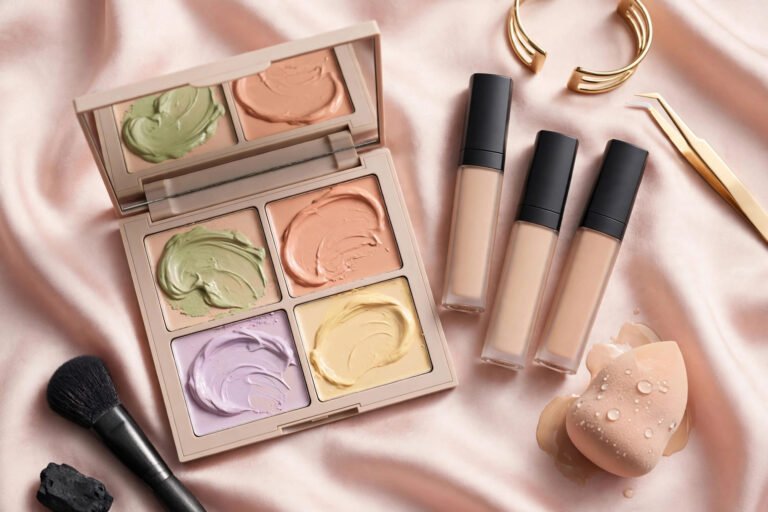
Start with clean, moisturized skin, but let moisturizer sink in fully before makeup — a slippery base is the enemy of long wear. For oily or combination skin, a mattifying primer on the T-zone helps. For dry skin, a hydrating primer keeps long-wear foundation from cracking. Either way, primer is not optional for show makeup; it is the grip layer everything else depends on.
Step 2: Long-wear base, applied thinly
Choose a long-wear, transfer-resistant foundation and apply it in thin layers, building only where coverage is needed. Thick, heavy foundation cracks under heat and movement, while thin layers flex with the face and last longer. Blend well into the jawline and neck — stage lights expose harsh foundation edges that room lighting hides. Set with a light layer of translucent powder, focusing on the T-zone and under the eyes.
Step 3: Cream, then powder, for color
For blush, contour, and highlight that survive a show, layer cream first, then a matching powder over it. The cream gives intensity and blendability; the powder locks it in. This double layer is standard practice for performers because a single layer, cream or powder alone, fades faster under sweat and lights.
Step 4: Set, and set again
Finish with a long-wear setting spray, applied in a cross pattern and allowed to dry fully. For very long shows or hot venues, some performers set twice: powder, spray, a second light powder on the T-zone, then spray again. This sandwich technique adds staying power without visible heaviness if each layer stays thin. For general long-wear principles that also apply to holiday events, see the Christmas party long-wear makeup and the long-wear Thanksgiving makeup guide.
Eyes That Read From the Back Row
Stronger liner and defined lashes
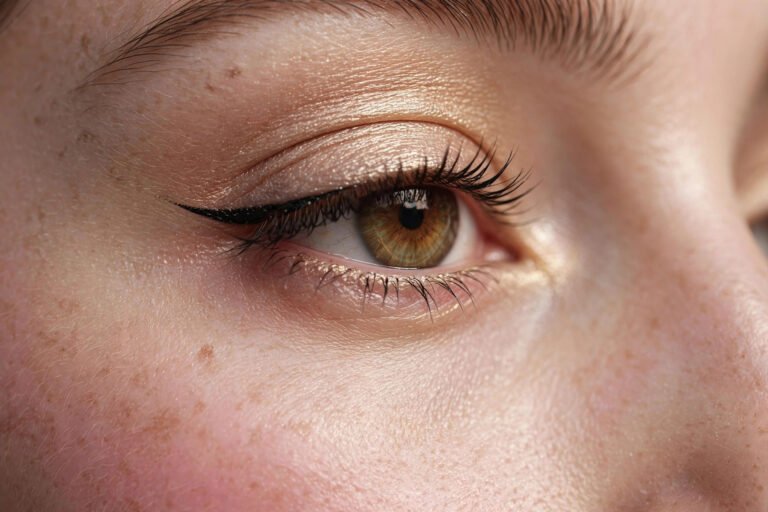
Under stage lights, a thin liner line disappears. Go bolder: a defined wing or a thickened upper lash line, plus liner on the lower lash line to frame the eye fully. Waterproof formulas are essential — sweat and tears under lights will smudge anything less. If smudging has been a problem before, the guide to stopping eyeliner smudging covers waterproof choices and setting tricks that transfer directly to stage work.
Eyeshadow with contrast, not just shimmer
Shimmer alone washes out under bright lights. Pair shimmer with matte depth: a matte crease shade to define the socket, a shimmer on the lid for light-catching, and a matte highlight under the brow. High-contrast combinations — dark crease with a bright lid — read far better from a distance than a single all-over shimmer.
Brows and lashes do heavy lifting
Brows frame the whole face from a distance, so fill them more fully than usual, with a defined shape and a shade that matches your hair. False lashes or a strong volumizing mascara also help eyes read from rows back; individual or strip lashes designed for stage are usually denser than everyday styles. Practice applying them before show night — performance day is not the time to learn.
Hooded eyes on stage
Hooded eyes need placement checked with eyes open, as a crease shade hidden under a hood is invisible to an audience. Place the crease color slightly above the natural crease so it shows when the eyes are open, and keep the lid shimmer where it catches light. The best eyeliner for hooded eyes has placement guidance that applies on stage as well as off it.
Skin, Cheeks, and Lips for Performance
Blush you can actually see
Apply blush more intensely than feels natural in the mirror, then step back and check from a distance. A good rule is to apply, check in a photo from across the room, and add more if the cheeks look flat. Warm rose, coral, and berry tones tend to read well under stage lights; very pale pinks often vanish.
Contour for structure, not sculpting trends
Stage contour is about restoring the structure that lights flatten: a soft shadow under the cheekbones, along the jawline, and at the temples. Keep it blended — harsh lines look theatrical in the wrong way up close during backstage photos — but do not skip it, or the face can look flat and washed out on stage.
Lips that last through singing and dancing
Long-wear liquid lipsticks and lip stains outperform traditional lipsticks for shows because they resist transfer onto microphones, costumes, and water bottles. Line the lips first with a matching liner to prevent feathering, apply the color, blot, and apply a second thin layer. Avoid very glossy finishes on stage unless the look demands it; gloss migrates quickly under heat and can look messy from a distance.
Hair, Sweat, and Costume-Proofing Details
The neck, chest, and ears
Stage lights do not stop at the jawline. Blend foundation down the neck and onto the chest if a costume exposes it, and set those areas too. Ears can look noticeably paler than a made-up face under lights, so a light pass of foundation or powder over them helps the whole look cohere in photos.
Sweat management during the show
Blotting papers backstage beat adding more powder mid-show, which can cake over sweat. Keep blotting papers, a small powder compact, lip color for touch-ups, and a mini setting spray in a backstage kit. Touch up only what has actually faded — reapplying everything over sweat creates texture that reads badly under lights.
Quick changes and costume transfer
If a show involves fast costume changes, choose transfer-resistant base and lip products and let setting spray dry completely before dressing. A light dusting of powder on the neck and shoulders reduces transfer onto light-colored costumes. Test the full costume with the full makeup at least once before performance night.
Building Looks for Different Shows
Theatre and dance recitals
Theatre makeup leans classic: defined eyes, strong brows, visible blush, and a lip color that matches the character and reads from the audience. Dance recitals add extra sweat-proofing and lash emphasis, since movement and heat are constant. Both benefit from the full layering system above, with intensity adjusted to venue size — a small black-box theatre needs less exaggeration than a large auditorium.
Concerts and live music
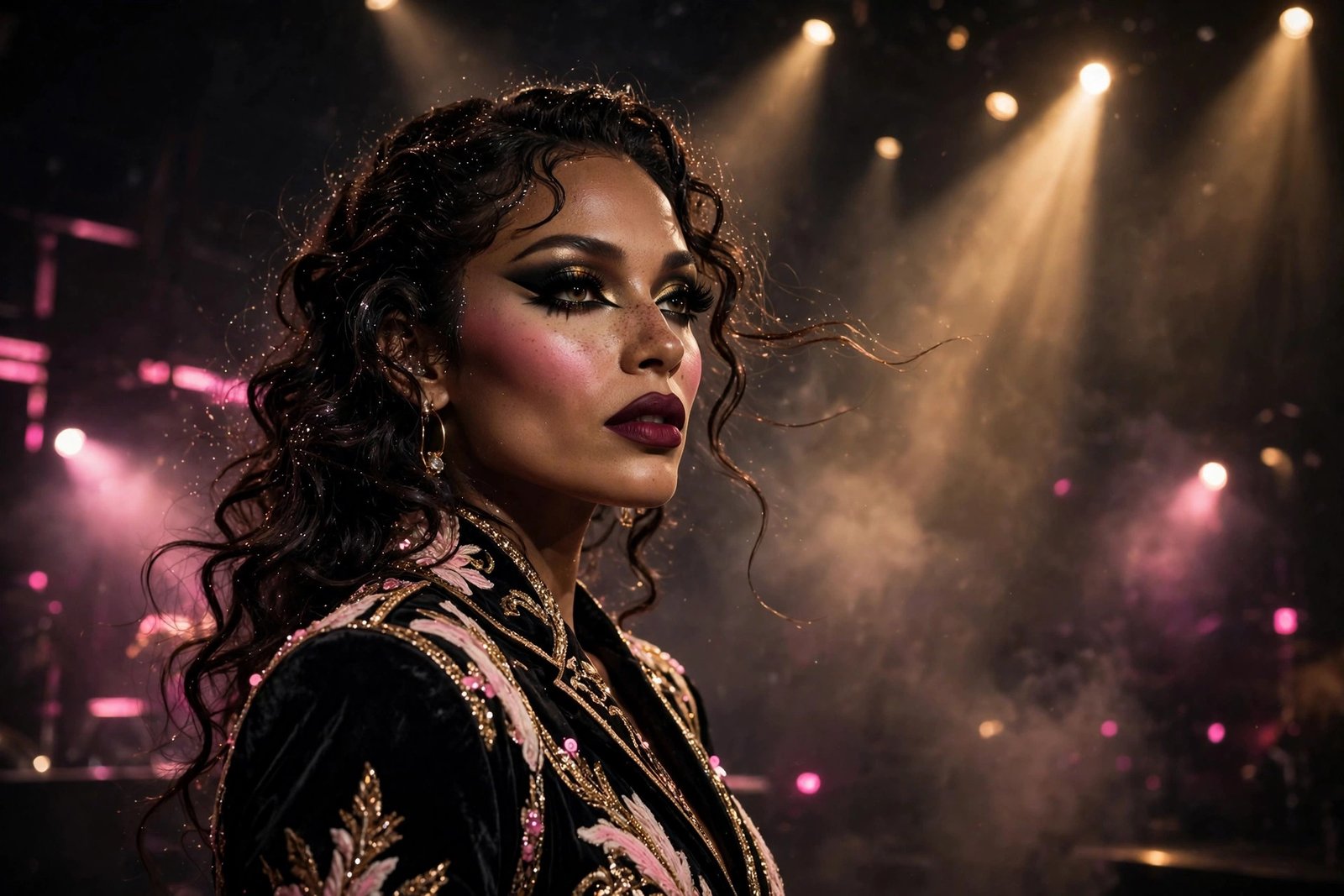
Concert makeup can be bolder and more creative: graphic liner, glitter, bold color, and high-shine accents all read well under concert lighting and in photos. The trade-off is durability through hours of performing, dancing, and heat from stage equipment, so waterproof and long-wear formulas matter even more. Glitter should be cosmetic-grade and applied over a glitter primer so it stays put rather than migrating into eyes.
Smokey eyes for the stage
A stage smokey eye needs more depth than an everyday one. Build the outer corner darker, keep the inner lid bright, and blend thoroughly so there are no harsh edges under lights. For smokey technique foundations, the smokey eye for a Christmas party is a useful starting point — then deepen the outer corner and strengthen the liner for stage distance.
Rehearsal, Testing, and Removal
Do a full dress rehearsal of the makeup
Never debut show makeup on performance night. Wear it through a full rehearsal under the actual lights, with the costume, movement, and duration of the real show. Check photos from the audience perspective and note what faded, creased, or transferred. Adjust once, then lock the routine — changing products on show day invites surprises.
After the show: remove it properly
Long-wear, layered makeup needs a real removal routine. Start with an oil-based cleanser or micellar water to dissolve the layers, follow with a gentle water-based cleanser, and finish with moisturizer. Sleeping in stage makeup clogs pores and irritates skin, and aggressive scrubbing to remove it causes its own irritation — dissolve first, then cleanse gently.
Shop This Guide
For show makeup, the setting step is where most looks succeed or fail. These two setting sprays are widely used for long, hot, high-pressure wear — a stage-grade option for maximum hold and a budget-friendly matte option for rehearsals and smaller shows.
As an Amazon Associate I earn from qualifying purchases.

As an Amazon Associate I earn from qualifying purchases.

Frequently Asked Questions
How is stage makeup different from date-night makeup?
Stage makeup is built for distance, bright lights, and sweat over hours of performing, so it is bolder, more layered, and more matte than date-night makeup. Date-night makeup is designed to look beautiful up close in soft lighting; stage makeup that looked right at dinner would likely vanish under stage lights.
Should stage makeup be matte or dewy?
Matte or natural finishes generally perform better on stage because hot lights amplify shine and can make dewy skin look oily from the audience. Save targeted glow for the high points of the cheekbones, applied sparingly, rather than an all-over dewy base.
How do I keep makeup from melting under stage lights?
Use the layering system: primer, thin long-wear base, powder, cream-then-powder color, and setting spray. Blot sweat backstage instead of piling on powder, and choose waterproof eye products. A full rehearsal under the real lights reveals weak points before show night.
Can I use my everyday foundation for a show?
Sometimes, if it is genuinely long-wear and transfer-resistant and you layer it with primer, powder, and setting spray. Sheer or dewy everyday foundations usually fade too fast on stage. When in doubt, test it through a full rehearsal before committing to it for a performance.
How do I remove heavy stage makeup without irritating my skin?
Dissolve it first with an oil cleanser or micellar water, then follow with a gentle cleanser. Avoid scrubbing, especially around the eyes, and moisturize afterwards. Proper removal is part of the routine, not an afterthought, when you perform regularly.
Conclusion
Great night show makeup is not about using more products — it is about using the right layers in the right order, at the right intensity for distance and lights. Prime, build thin long-wear layers, define eyes and brows boldly, set thoroughly, and test everything under real show conditions. Do that, and your look will hold from the first note to the final bow, in person and in every audience photo.
Love this? Pin it for later!