Hair Toner Guide for Beginners: Kill Brassiness Right
Here is the secret nobody tells beginners: bleach does not make hair blonde. Bleach makes hair lighter — usually an unflattering yellow or orange. Toner is what makes it blonde. It is the step that separates expensive-looking color from the unmistakable look of a DIY bleach job, and it is also the step beginners misunderstand most. Too many people either skip it entirely or grab a random shade and hope for the best.
This guide fixes that. You will learn what toner actually does, how to choose the right shade for your lift level, how to read the famous Wella color chart without a cosmetology degree, and exactly how to time your toner so you land on beautiful — not gray, not lavender, not still-yellow. No jargon walls, no assumed knowledge. Just the beginner-friendly version that works.
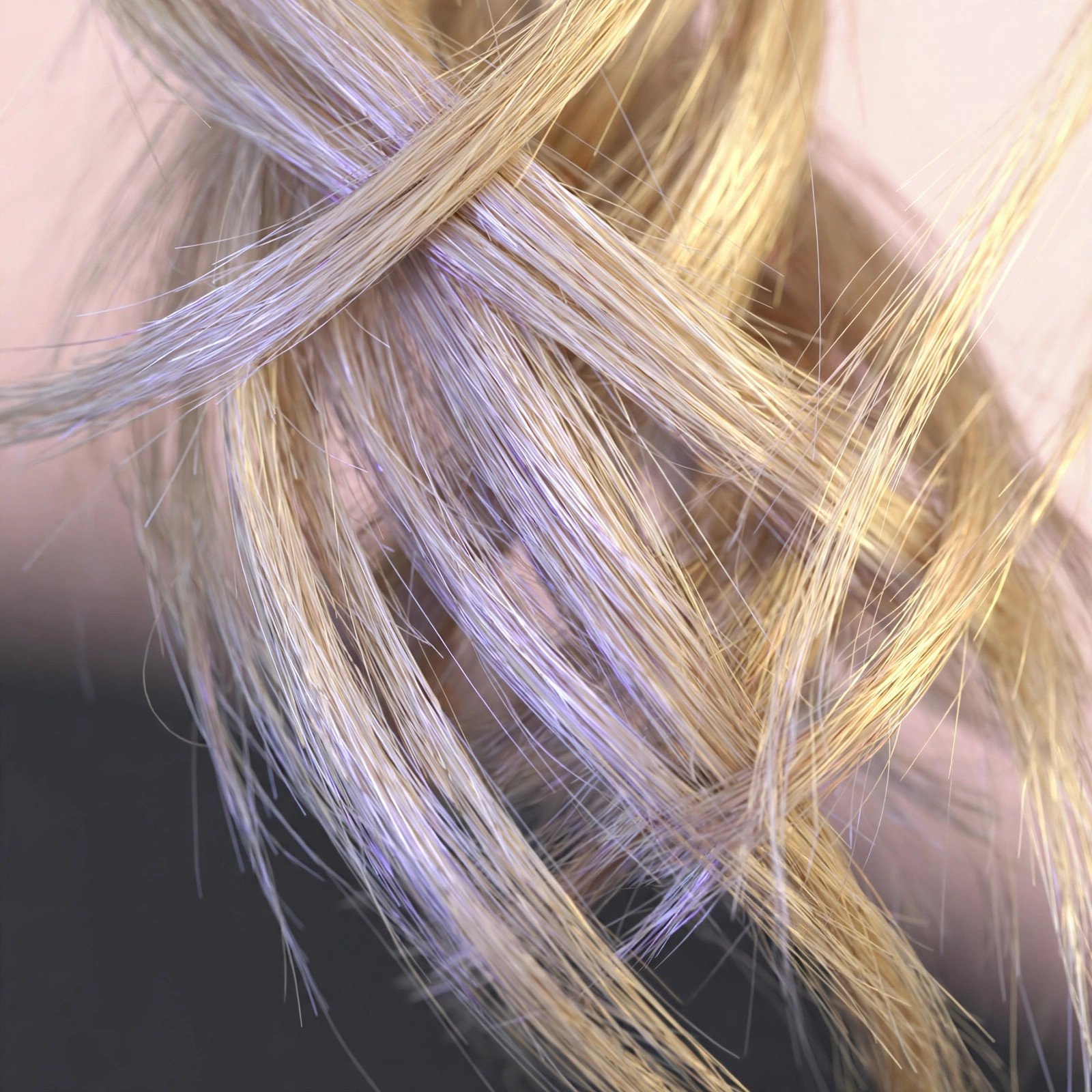
Key Takeaways
- Toner doesn’t lighten hair — it deposits tone that neutralizes unwanted yellow, orange, or brassy warmth.
- Your toner shade must match your actual lift level, not your goal color — check your hair in natural light first.
- The color wheel is the whole game: purple neutralizes yellow, blue neutralizes orange, blue-violet handles yellow-orange.
- Toner processes fast (5–20 minutes) — watch it closely and rinse the moment it looks right.
- Expect to re-tone every 4–6 weeks; toner is semi-permanent and fades with washing.
What Toner Actually Does (and Doesn’t Do)
Toner is a demi-permanent or semi-permanent color applied after bleaching. Its job is tonal correction: it deposits a sheer wash of pigment that cancels out the unwanted warm tones bleach leaves behind. Think of it as a filter over your lifted hair — it shifts the tone without changing the level of lightness.
What toner cannot do is just as important:
- It cannot lighten hair. If your hair is orange (level 6–7) and you want pale ash blonde (level 10), no toner on earth bridges that gap. You need more lift first — which usually means another bleaching session after proper recovery. Toning orange hair darker-gold can look intentional and pretty, but toning it and expecting platinum leads to disappointment.
- It cannot fix uneven lift. If some sections lifted more than others, toner will look different on each section. Fix the lift first.
- It cannot repair damage. Toner is cosmetic color, not treatment. Bleached hair still needs its bond builders and masks regardless of how good the tone looks.
Understanding this saves beginners from the most common toner frustration: “I toned and it did nothing.” It did exactly what toner does — your lift level just was not where the toner needed it to be. the damage-control bleaching method that gets lift right
The Color Wheel: Your Toner Cheat Code
Every toner decision comes down to one principle: opposite colors neutralize each other. This is the entire logic of toner selection:
| What you see | The problem tone | Toner base to use |
|---|---|---|
| Pale yellow (level 9–10) | Yellow | Violet / purple base |
| Yellow-orange (level 8) | Yellow + orange | Blue-violet base |
| Orange (level 6–7) | Orange | Blue base |
| Yellow with greenish cast | Over-toned or ash overload | Warm gold base (or clarifying wash) |
Memorize this and you can walk into any beauty supply store with confidence. The underlying pigment ladder after bleaching goes red → orange → yellow, and your toner simply targets wherever you landed. Most beginners land on yellow or yellow-orange, which is why violet-based toners are the bestsellers — they are the right answer for the most common outcome.
One more useful rule: when in doubt, go one shade less ashy than you think. Ash tones look sophisticated in the bottle and on the chart, but on porous bleached hair they grab fast and can go gray or dull. Beginners almost always do better starting with a natural or slightly cool shade rather than the iciest ash available.
Reading the Wella Chart (Without a Cosmetology Degree)
Wella Color Charm toners are the most talked-about at-home toners for a reason: they are affordable, widely available, and genuinely effective. The numbering looks cryptic at first, but it follows a simple system:
The number before the slash = depth (how light or dark). Higher numbers are lighter: T10 is lighter than T14, which is lighter than T18. Roughly: 10-series toners suit level-10 (palest) hair, 14-series suits level 9, 18-series suits level 8–9.
The letter after = tone family. T = the toner series. Then:
– A = ash (cool, matte — kills warmth aggressively)
– V = violet (kills yellow, gives a bright blonde finish)
– N = natural/neutral (balanced, the safest beginner choice)
– G = gold (warm — useful for golden blondes or correcting over-ash)
– P = pearl/pale (soft, luminous finish)
Beginner-friendly picks by situation:
– Pale yellow hair, want bright blonde → T18 Lightest Ash Blonde or T10 Pale Blonde
– Yellow hair, want neutral blonde → T14 Pale Ash Blonde
– Yellow-orange hair, want natural blonde → T27 Medium Beige Blonde or T35 Beige Blonde
– Want to play it safe on your first toning → anything with N (natural) in the name
Mix Wella toners 1:2 with 20 volume developer (one part toner, two parts developer) unless the instructions say otherwise. And always — always — strand-test the toner on a small section first. Toner is cheap; fixing over-toned hair costs time and another wash cycle. planning the full blonde transformation from the start
Timing: The 20-Minute Window That Decides Everything
Toner processes much faster than bleach, and this is where beginners get into trouble. The standard processing time is 5–20 minutes, but “standard” depends on your hair’s porosity — and bleached hair is porous, meaning it grabs color fast and unevenly.
The method that works:
- Apply toner to clean, damp, towel-dried hair — damp hair helps the toner spread evenly and process a touch more gently.
- Start your timer the moment you begin application.
- Check at 5 minutes by wiping a small section. Then check every 2–3 minutes after.
- Rinse the moment the tone looks right — not “a few more minutes to be sure.” Toner keeps developing until it is rinsed out.
What over-processing looks like: hair turning grayish, dull, or taking on a lavender tinge. This happens most with ash and violet toners on very porous hair. The fix is usually just washing: a clarifying shampoo or two typically lifts the excess tone. It is annoying, not tragic — but it is avoidable with close watching.
What under-processing looks like: you rinse, dry, and the brassiness is barely touched. The fix is simply re-toning — toner is gentle enough that a second application a few days later is fine. When uncertain, under-process; you can always add more tone, but removing excess tone takes washes.
Toner vs. Purple Shampoo: When to Use Which
Beginners often confuse these two, and using the wrong one at the wrong time causes frustration.
Toner is a real color service: stronger pigment, applied to damp hair for 5–20 minutes, lasts 4–6 weeks. Use it right after bleaching and whenever brassiness returns significantly.
Purple shampoo is maintenance: weak pigment in a shampoo base, used 1–2 times per week, keeps brassiness from building up between tonings. It cannot replace toner — it is not pigmented enough to correct real brassiness, only to prevent it. the right way to use purple shampoo
The ideal rhythm: tone after bleaching, maintain with purple shampoo weekly, re-tone every 4–6 weeks or whenever the shampoo stops holding the line. the full long-term blonde maintenance routine
Fixing Common Toner Problems
“It turned my hair gray/lavender.” Over-toned with ash or violet. Wash with clarifying shampoo — one or two washes usually lifts the excess. Next time, process for less time or choose a natural-base toner.
“It barely changed anything.” Either the lift was too dark for the toner level (toner can’t fix level-7 orange into level-10 blonde), or it was under-processed. Assess honestly which one it is before re-toning.
“My roots and lengths look different.” Uneven lift underneath, or roots processed the toner faster (virgin regrowth area is less porous than bleached lengths — actually the reverse issue: lengths grab faster). Apply toner to the more resistant area first, then pull through to the rest.
“It looks great wet but brassy when dry.” Hair always looks darker and cooler when wet. Judge toner results on fully dry hair in natural light before deciding whether it worked.
“Toner faded in two weeks.” Very porous hair sheds toner fast. This is normal for freshly bleached hair — the first toning never lasts as long as later ones. A second toning usually holds much better as the cuticle settles.
Frequently Asked Questions
Do I actually need toner, or is it optional?
It is not optional if you want the hair to look blonde rather than bleached. Raw lifted hair is some shade of yellow or orange — toner is what converts that into ash blonde, honey blonde, platinum, or whatever your target is. Skipping toner is the single biggest reason DIY blonde looks DIY.
Can I use toner without bleaching first?
Toner on unbleached hair does very little — there is no underlying lightness for the tone to work with, and the cuticle is not open enough for good deposit. On naturally light hair (dark blonde and up), a toner or gloss can add subtle tonal shifts, but true toner transformations need pre-lightened hair.
How often should I tone?
Every 4–6 weeks for most people, or whenever brassiness returns despite purple shampoo. Very porous or frequently washed hair may need it closer to every 3–4 weeks. Watch your hair, not the calendar.
Can toner damage my hair?
Demi-permanent toner with low-volume developer is far gentler than bleach, but it is still a chemical process — it is not zero-damage. The developer (usually 20 volume or lower for toning) does open the cuticle slightly. Space toning sessions reasonably and keep up conditioning, and the cumulative effect stays minor compared to the bleaching itself.
What’s the difference between toner and hair gloss?
They overlap heavily. “Gloss” usually means a clear or subtly tinted demi-permanent treatment focused on shine, while “toner” specifically targets unwanted undertones. In practice, many products do both — a violet gloss tones brassiness and adds shine. For correcting yellow or orange after bleach, shop for products labeled toner.
Why does my toner look different than the box/chart showed?
Porosity is the usual culprit — bleached hair grabs tone differently than the virgin-hair swatches on charts. Your starting level matters too: the same toner looks different on level-8 yellow than level-10 pale yellow. This is why the strand test exists even for toner — a 5-minute test section saves you from a full-head surprise.
The Bottom Line
Toner is a small step with an outsized payoff — ten careful minutes that decide whether your blonde looks expensive or unfinished. Match the toner base to what you actually see (not what you wish you saw), respect the fast processing time, and keep purple shampoo on maintenance duty between sessions. Get this step right and the whole at-home blonde project clicks into place. If brassiness keeps winning despite good toning, here’s the dedicated brassiness troubleshooting guide — and for the complete start-to-finish process, the honest beginner’s blonde guide.
Love this? Pin it for later!