How to Fix Brassy Hair at Home: Toners, Shampoos & Prevention Tips
Brassiness is the uninvited guest of every lightened dye job: those yellow, orange, or reddish tones that creep in weeks after your color looked perfect. Whether your hair was lightened at the salon or during an [at-home dye session → how-to-dye-hair-at-home-for-beginners], understanding how to fix brassy hair at home saves you from emergency salon visits and keeps your color looking intentional.
The good news: brassiness is one of the most fixable hair problems there is. The key is matching the fix to the type of brassiness you have — yellow tones and orange tones need different weapons. This guide breaks down toner vs. purple shampoo vs. blue shampoo, gives you a decision framework for your specific situation, and covers the prevention habits that stop brassiness from returning.
Key Takeaways
- Brassiness = unwanted warm tones (yellow, orange, red) that surface as color fades or hair lightens.
- Match the fix to the tone: purple neutralizes yellow; blue neutralizes orange; toner corrects both more powerfully.
- Purple shampoo is maintenance; toner is a stronger, longer-lasting correction.
- Brunettes with orange brassiness need blue shampoo — purple won’t work on orange.
- Prevention matters as much as correction: heat protectant, UV protection, and chlorine defense keep brass away.
- If brassiness comes from a botched bleach job (uneven, severely orange), see a colorist rather than layering products.
Why Hair Turns Brassy in the First Place
Brassiness isn’t your color “going wrong” — it’s your hair’s natural underlying pigment showing through. When hair is lightened, it doesn’t go straight from dark to blonde; it passes through stages: red, then orange, then yellow. Dye and toner initially mask those warm undertones, but as the artificial pigment fades with washing, sun, and heat, the warm base re-emerges.
Some hair turns brassy faster than others:
– Naturally dark hair that’s been lightened has the strongest warm undertones to fight
– Hard or mineral-heavy water deposits iron and copper that add orange tones
– Sun exposure breaks down cool pigments faster than warm ones
– Heat styling without protectant literally cooks the tone out
– Chlorine and salt water strip and discolor lightened hair
– Washing too often with harsh shampoo fades the masking pigments quickly
Knowing your cause helps you pick the right fix — and the right prevention.
Toner vs. Purple Shampoo vs. Blue Shampoo: Which Do You Need?
This is where most people go wrong, so here’s the clear breakdown:
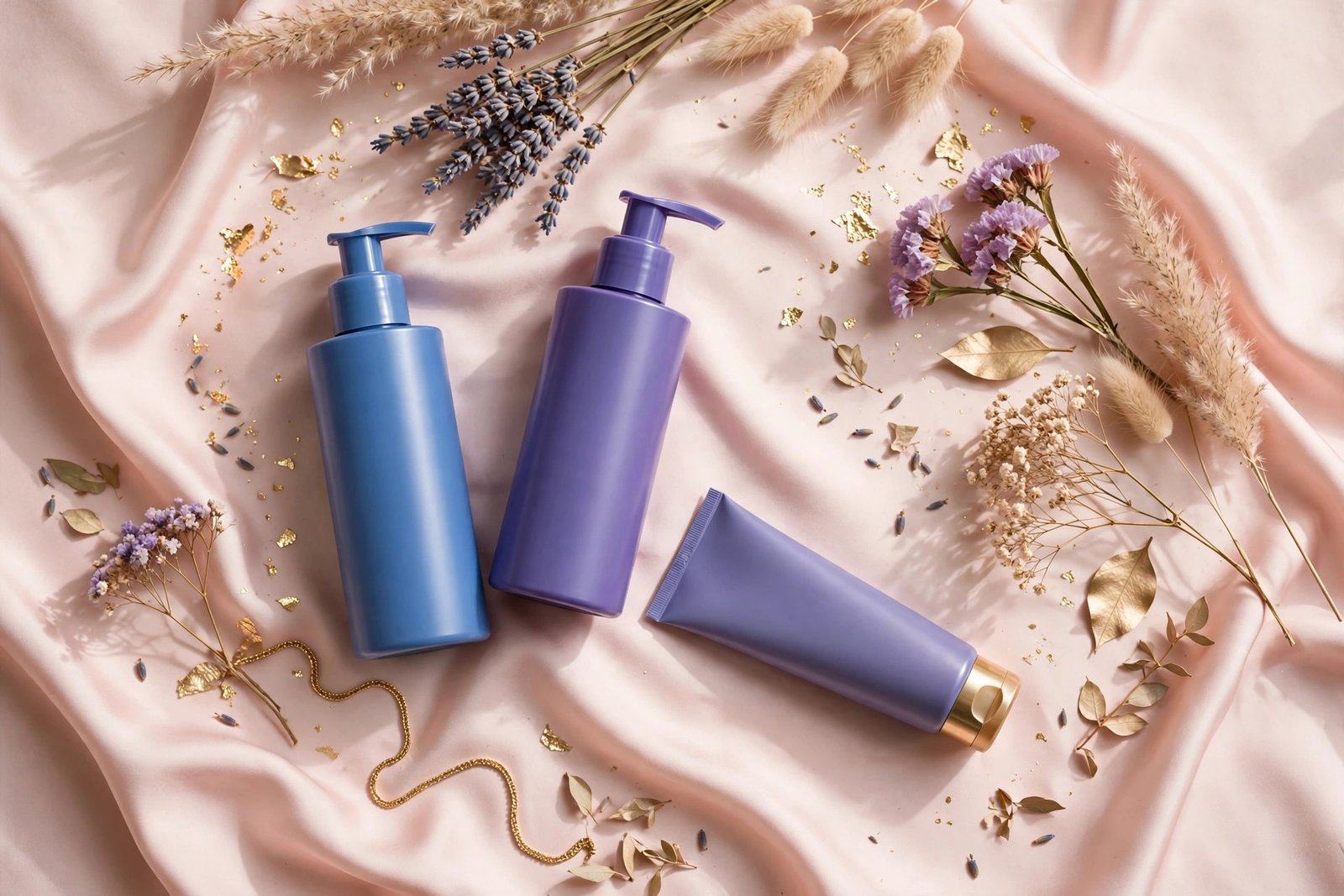
Purple shampoo — the maintenance player
Neutralizes yellow tones. Best for blondes whose color is mostly good but leaning warm between appointments. It’s gradual, gentle, and designed for regular use (1–2x per week). It will not fix strong orange brassiness, and it won’t correct uneven tone. Full instructions in the [purple shampoo guide → how-to-use-purple-shampoo].
Blue shampoo — the brunette’s answer
Neutralizes orange tones. If you’re a brunette or dark blonde whose color is pulling orange or coppery, blue shampoo is your equivalent of purple shampoo. Same usage logic: 1–2x per week, a few minutes of leave-on time, always followed by conditioner. Don’t use blue shampoo on pale blonde — blue pigment on very light hair can go muddy or greenish.
Toner (demi-permanent) — the heavy hitter
A toner is an actual color product (usually demi-permanent) that deposits tone more powerfully and evenly than any shampoo. It lasts 3–6 weeks and can shift your overall shade — for example, taking hair from golden blonde to ash blonde, or neutralizing strong orange in one session. Toner is the right call when shampoos aren’t cutting it, when brassiness is uneven, or when you want a real shade adjustment.
Quick decision guide:
– Slightly warm blonde, mostly even, then purple shampoo
– Orange tones on brown/dark blonde hair, then blue shampoo
– Strong, uneven, or stubborn brassiness, then demi-permanent toner
– Brassy + damaged + uneven from a bad bleach, then salon correction
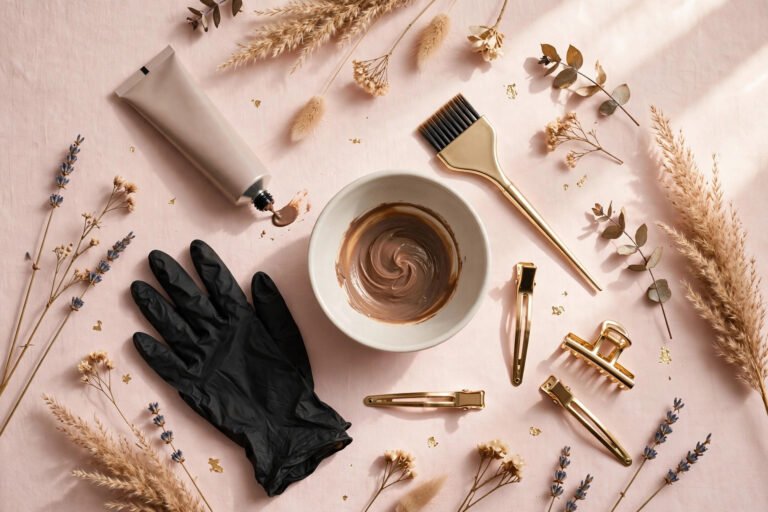
How to Tone Brassy Hair at Home (Demi-Permanent Toner)
If you’ve decided toner is the answer, here’s how to do it safely:
Choose the right toner shade. For yellow brassiness on blonde, look for ash or violet-based toners. For orange brassiness on light brown/dark blonde, blue or ash-based toners. When in doubt between two, choose the lighter or more neutral option — you can always tone again, but over-ashing is harder to reverse.
Do a strand test. Toner processes fast (often 5–20 minutes), and porous ends grab it quickly. Test a hidden section first to check both the final tone and the timing your hair needs.
Apply to damp, towel-dried hair. Most demi-permanent toners go on damp hair for even distribution. Work quickly in sections — toner waits for no one — and start where brassiness is strongest, since those areas get the most processing time.
Watch it develop. Check every 5 minutes. Toner can go from “perfect” to “too ashy” quickly on porous hair. Rinse the moment you like what you see, even if the box says longer.
Rinse cool and condition. Cool water, thorough rinse, then a deep conditioner. Skip shampoo for 48 hours to let the tone settle.
One honest note: at-home toning works beautifully for maintenance-level corrections. If your brassiness comes from significantly uneven lightening (bands, spots, hot roots), toner alone can’t fix the underlying unevenness — that’s a job for a colorist’s corrective formulation.
Prevention: Keeping Brassiness From Coming Back
Fixing brassiness is satisfying; not needing to fix it is better. These habits dramatically slow the return of warm tones:
Use heat protectant every time. Flat irons and curling wands oxidize and warm up toner faster than almost anything else. If you heat style regularly, a protectant isn’t optional for color longevity.
Block UV exposure. The sun fades cool pigments preferentially — that’s why blonde goes brassy after beach vacations. A hat, or a UV-protectant hair spray, makes a measurable difference.
Defend against chlorine and minerals. Wet your hair with clean water before swimming (saturated hair absorbs less pool water), and consider a swim cap for regular swimmers. If you have hard water at home, a shower filter or an occasional clarifying/chelating wash removes the mineral deposits that add orange tones.
Wash smarter. Less frequent washing, cooler water, and [sulfate-free color-safe shampoo → sulfate-free-shampoo-vs-regular-shampoo] all preserve the pigments that mask brassiness. Every harsh wash is a step closer to warm tones.
Maintain with toning shampoo. Once you’ve corrected brassiness, a regular [purple shampoo → how-to-use-purple-shampoo] (for yellow-prone blonde) or blue shampoo (for orange-prone brunette) routine keeps it from rebuilding.
Frequently Asked Questions
Can I fix brassy hair without toner?
For mild brassiness, yes — the right toning shampoo used consistently (purple for yellow, blue for orange) handles maintenance-level warmth. Toner becomes necessary when brassiness is strong, uneven, or resistant to shampoo correction.
How long does toner last?
Demi-permanent toner typically lasts 3–6 weeks, fading gradually with washing. Washing less often, using cool water, and sticking to color-safe shampoo extends it. Plan to re-tone when warmth starts creeping back rather than waiting until it’s fully brassy.
Will purple shampoo fix orange brassy hair?
No — this is the most common toning mistake. Purple neutralizes yellow; orange needs blue. Using purple shampoo on orange brassiness does essentially nothing, which is why people conclude “toning shampoo doesn’t work” when they just had the wrong color.
Why does my hair turn brassy so fast after the salon?
Usually a combination of porous hair (from lightening), frequent washing with harsh shampoo, heat styling without protectant, and sun or hard water exposure. Your stylist’s toner was fine — your maintenance routine is letting it fade. The prevention habits above directly address this.
Can I use toner on dark brown hair?
Toner deposits tone but doesn’t lighten, so on dark brown hair its visible effect is limited to refining existing warmth or adding shine — it can’t make dark hair ashy blonde. Brunettes wanting to neutralize orange tones get more from blue shampoo maintenance, or from a [demi-permanent gloss in a cool brown shade → cherry-cola-brunette-hair-at-home] if they’re refreshing brunette color.
Is brassy hair damaged hair?
Not necessarily — brassiness is a color issue, not a damage diagnosis. But the two often travel together, because the lightening that causes brassiness also stresses hair. If your brassy hair also feels stretchy, gummy, or brittle, prioritize repair (deep conditioning, a break from chemical services) alongside your toning plan.
Brassiness is normal, fixable, and largely preventable. Diagnose your tone correctly (yellow tones need purple, orange tones need blue, stubborn brass needs toner), correct it with the right tool, and lock in the result with [toning-shampoo maintenance → how-to-use-purple-shampoo] and [color-safe washing → sulfate-free-shampoo-vs-regular-shampoo]. And if you’re working with silver or gray tones that are yellowing rather than brassy in the classic sense, the [gray transition guide → how-to-transition-to-gray-hair] covers yellowing prevention specifically for gray hair.
how to dye hair at home for beginners
how to use purple shampoo
sulfate-free vs regular shampoo
transition to gray hair
cherry cola brunette hair at home
Love this? Pin it for later!