How to Remove Waterproof Mascara Safely (Without Losing Lashes)
If you’ve ever finished taking off your waterproof mascara only to find lashes on your cotton pad, you’re not alone — but you are removing it wrong. Waterproof formulas are designed to resist water, sweat, and tears, which means regular cleanser and a few swipes won’t cut it. The secret to safe removal isn’t scrubbing harder; it’s using the right remover and giving it time to dissolve the formula before you wipe. Here’s the full method.
Key Takeaways
- Never rub or pull waterproof mascara off — soak it off instead. Rubbing is the #1 cause of lash breakage.
- Use an oil-based or dual-phase (bi-phase) remover; water-based cleansers and regular makeup wipes won’t dissolve waterproof formula.
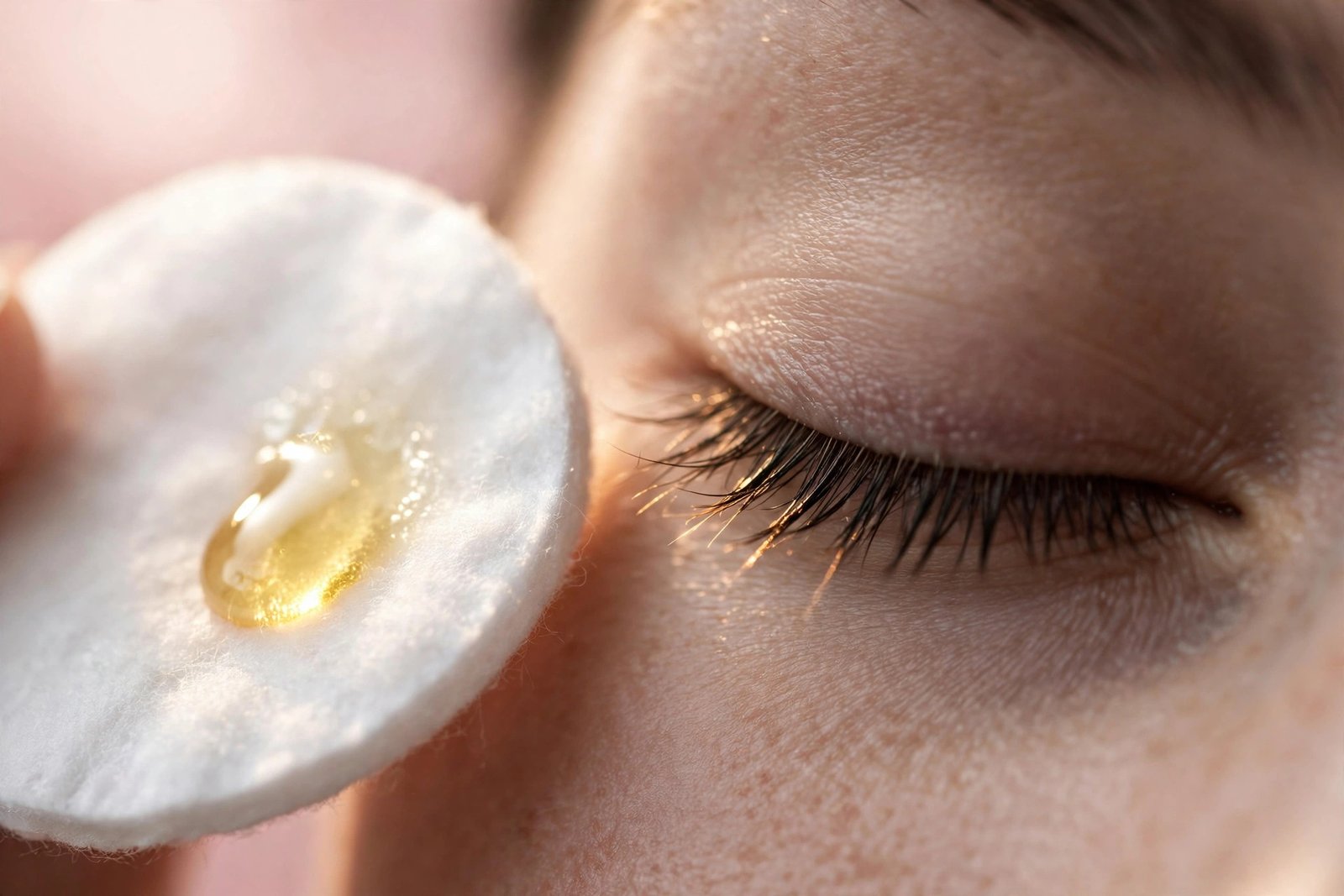
- Hold the soaked pad against closed lashes for 20–30 seconds before wiping — patience replaces force.
- Wipe gently downward, never side to side, and finish with a gentle water-based cleanse.
- If you wear waterproof mascara daily, consider switching to regular or tubing formula to reduce lash stress.
Why Waterproof Mascara Is So Hard to Remove
Waterproof mascara is built around water-repelling polymers and waxes that form a sealed coating around each lash. That’s exactly what you want during a humid day or an emotional wedding — but those same ingredients laugh at water, foam cleansers, and micellar water (unless the micellar water is specifically formulated as bi-phase).
When you try to remove it with the wrong product, you end up compensating with friction. And friction is what destroys lashes: rubbing and pulling weaken the lash at the follicle, causing premature shedding and breakage. Over time, aggressive removal is one of the most common causes of thinning lashes — even more than the mascara formula itself.
This is also why choosing the right formula for your lifestyle matters in the first place — a comparison of waterproof and regular mascara can help you decide whether you even need waterproof for daily wear.
The Right Removers for Waterproof Mascara
Oil-based cleansers
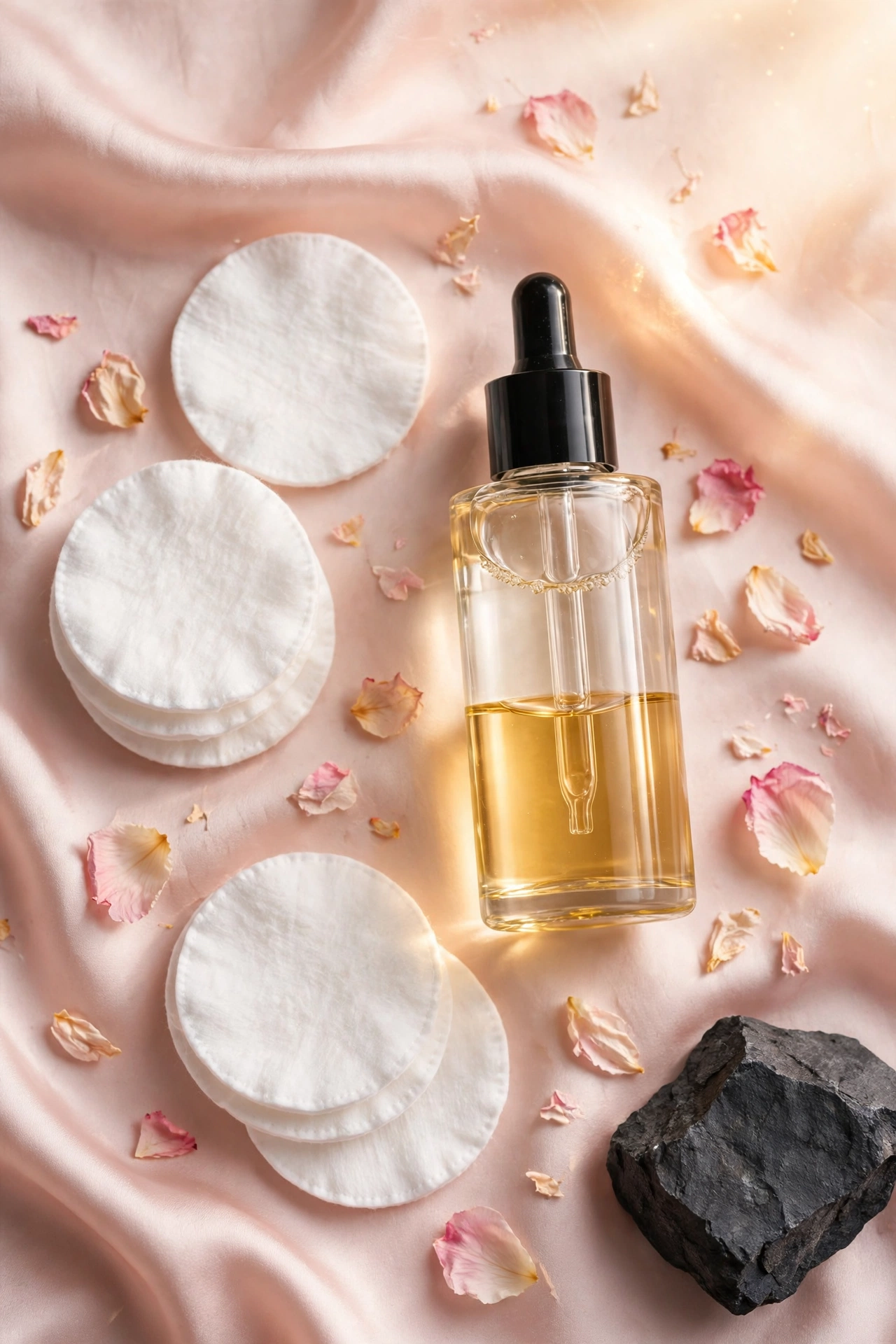
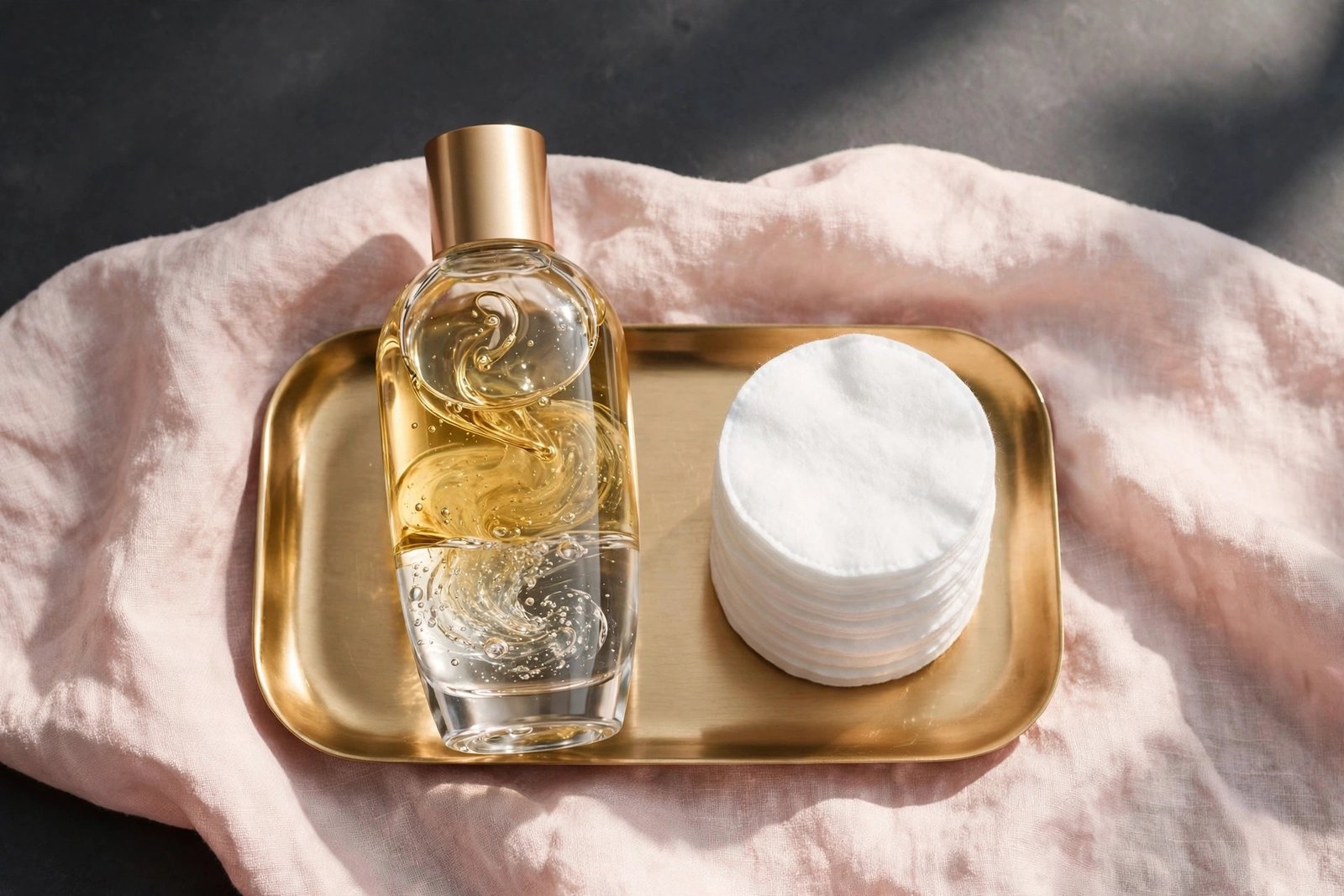
Cleansing oils and balms dissolve waterproof formula effectively because oil breaks down the waxes and polymers in the mascara. This is the gentlest and most effective category — look for products labeled for eye makeup or waterproof mascara specifically.
Dual-phase (bi-phase) removers
These are the classic two-layer bottles you shake before use: an oil layer and a water layer. They’re designed specifically for waterproof eye makeup, work quickly, and are widely available. Most makeup artists consider dual-phase removers the gold standard for waterproof mascara.
What NOT to use
- Regular foam or gel cleansers. They can’t break down waterproof polymers — you’ll just scrub your lashes raw.
- Plain micellar water (single-phase). Fine for regular mascara, useless against waterproof. A bi-phase micellar water works, but check the label.
- Makeup wipes alone. They require too much rubbing and leave residue. If you must use wipes in a pinch, use them only after dissolving the mascara with a proper remover first.
- Baby oil or coconut oil. These can work in an emergency, but they’re not formulated for the eye area — they can blur vision, irritate eyes, and clog the oil glands along your lash line (meibomian glands), which can lead to styes over time.
- Rubbing alcohol or harsh toners. Never use these near your eyes.
If you’re building a full cleansing routine, a double cleansing guide explains how the oil-then-water method fits into your evening skincare.
The Gentle Step-by-Step Removal Method
Step 1: Saturate a cotton pad generously
Don’t be stingy with product. Soak a round cotton pad (or a reusable makeup remover pad) with your oil-based or dual-phase remover until it’s thoroughly damp. A dry-ish pad creates friction; a well-saturated one does the dissolving work for you.
Step 2: Hold, don’t rub — the 30-second rule
Press the soaked pad gently against your closed eye, covering the lashes, and hold it there for 20–30 seconds. This is the most important step: the remover needs contact time to dissolve the waterproof polymers. Pressing lightly is fine; rubbing during this phase defeats the purpose.
Step 3: Wipe gently downward
After the soak, glide the pad downward along your lashes in one smooth motion — following the direction of lash growth. Never wipe side to side or upward against the lash direction. One or two gentle passes should remove most of the formula.
Step 4: Repeat if needed
For heavy or layered mascara, use a fresh section of the pad (or a new pad) and repeat the hold-and-wipe once more. Two gentle passes beat one aggressive scrub every time.
Step 5: Clean up the lash line with a cotton swab
Dip a cotton swab in remover and run it gently along the base of your lashes and the tightline to catch any remaining residue. This step prevents the raccoon-eye residue you sometimes wake up with.
Step 6: Follow with your normal cleanser
Finish with your regular gentle water-based cleanser to remove any oily residue from the remover. This keeps the eye area clean and prevents clogged pores or milia around the eyes.
Caring for Lashes After Removal
Removal is only half the equation — what you do afterward affects lash strength too.
Don’t skip moisturizer near the eyes. After cleansing, apply your regular eye cream or a light moisturizer around the eye area (not on the lashes themselves). Healthy skin around the follicle supports healthy lash growth.
Consider a lash conditioner. If you wear waterproof mascara frequently, a lash conditioning serum can help counteract the drying effect. Look for formulas with peptides or panthenol.
Give lashes rest days. Wearing no mascara for a day or two each week gives your lashes a break from both the formula and the removal process. Many dermatologists recommend this, especially for people who wear waterproof daily.
Never sleep in mascara. This is non-negotiable. Sleeping in mascara — waterproof or not — dries lashes out, causes breakage when you toss and turn, and can irritate your eyes overnight.
For broader mascara knowledge, including how to pick gentler formulas, a beginner’s mascara guide covers formula types and what to look for.
Common Removal Mistakes That Damage Lashes
Rubbing back and forth
Side-to-side rubbing is the fastest way to snap lashes. Always move with the direction of lash growth — downward on upper lashes.
Pulling at stubborn spots
If a patch of mascara won’t budge, don’t pick at it with your nails or tweezers. Re-soak the pad and hold it longer. Stubbornness means the formula hasn’t dissolved yet, not that you need more force.
Using hot water to “melt” it off
Hot water doesn’t dissolve waterproof polymers — it just irritates the delicate eye area and can cause redness and broken capillaries over time. Use lukewarm water.
Skipping the soak
The single most common mistake: wiping immediately without holding the pad in place first. The 30-second hold feels slow, but it’s what makes the whole process gentle. Think of it as letting the remover do the work instead of your fingers.
Tugging at the outer corners
Outer-corner lashes are finer and more fragile. Be extra gentle there — many people lose the most lashes from the outer corners precisely because they scrub hardest where mascara tends to smudge.
When to Stop Wearing Waterproof Daily
If any of these sound familiar, it’s worth reconsidering your daily formula:
- You regularly find lashes on your cotton pad after removal
- Your lashes look noticeably sparser or shorter than they used to
- Removal takes more than a couple of minutes of soaking
- Your eyes feel dry or irritated after taking makeup off
- You’re wearing waterproof “just in case” but rarely actually need it
For everyday wear, regular mascara removes with a fraction of the effort, and tubing mascaras offer smudge resistance with warm-water removal — both are significantly kinder to lashes long-term. Save the waterproof tube for the occasions that genuinely need it.
And if clumping is part of why you layer waterproof so heavily, learning how to apply mascara without clumping can help you get the look you want with fewer coats — which also means less to remove at night.
Frequently Asked Questions
Can I remove waterproof mascara with just coconut oil?
It will dissolve the formula, but it’s not ideal for regular use. Oils not formulated for the eye area can blur your vision, irritate eyes, and clog the oil glands along your lash line. A proper dual-phase eye makeup remover is safer and more effective.
Why do I lose lashes every time I remove waterproof mascara?
Almost certainly friction. If you’re rubbing, pulling, or wiping without a proper soak first, you’re snapping lashes at the follicle. Switch to the hold-for-30-seconds method with an oil-based remover and the lash loss should drop dramatically. Some daily shedding is normal (lashes have a natural growth cycle), but clumps of lashes on your pad are not.
Is micellar water enough for waterproof mascara?
Only if it’s a bi-phase (dual-phase) micellar water — the kind with an oil layer you shake to mix. Regular single-phase micellar water won’t dissolve waterproof polymers effectively.
How long should I hold the remover pad on my lashes?
20–30 seconds minimum. For very stubborn or layered waterproof mascara, up to a minute is fine. The key insight: more hold time means less wiping force.
Can I use the same remover for waterproof eyeliner?
Yes — oil-based and dual-phase removers work on all waterproof eye makeup. The same soak-then-wipe-downward technique applies to waterproof eyeliner on the lash line.
Will my lashes grow back if removal damaged them?
Yes, in most cases. Lashes follow a natural growth cycle (roughly 6–8 weeks), so broken lashes do regrow as long as the follicle itself isn’t damaged. Consistent gentle removal gives them the chance to recover fully.
Conclusion
Removing waterproof mascara safely comes down to three things: the right remover, a proper soak, and zero rubbing. Master the hold-for-30-seconds method and you’ll protect your lashes while getting every trace of formula off. And if you find yourself dreading the removal process every night, take it as a sign — you may not need waterproof for your daily routine after all. Either way, your lashes will thank you for the gentler approach starting tonight.
Love this? Pin it for later!