How to Stop Excessive Underarm Sweating: 12 Proven Fixes
Sweat stains by 10 a.m. Changing shirts midday. Avoiding light-colored tops, hugs, and raised arms. If excessive underarm sweating is running your life, you don’t have a hygiene problem — you have a very common, very treatable condition. Some people simply have overactive sweat glands, and the underarms (with their dense concentration of apocrine glands) show it first.
This guide covers everything from the simple fixes most people miss to clinical-strength options and medical treatments — in the order you should actually try them. If irritation or darkening comes along with the sweating, see our how to lighten dark underarms — constant moisture worsens both.
First: Is It Normal Sweating or Hyperhidrosis?
Everyone sweats. Hyperhidrosis — the medical term for excessive sweating — means sweating far beyond what’s needed to cool the body. Clues you may have it:
- Sweating soaks through clothing regularly, not just on hot days
- It happens even when you’re cool, calm, and resting
- It’s roughly symmetrical (both underarms, not just one)
- It started in adolescence or young adulthood
- It interferes with daily activities, work, or social life
- It notably stops during sleep (hyperhidrosis typically pauses at night)
One-sided, sudden-onset, or night sweats deserve a doctor’s visit — those patterns can signal other conditions. But classic bilateral underarm hyperhidrosis is common (affecting an estimated 2–3% of people) and has a clear treatment ladder. Start at the bottom and climb only as far as you need.
The 12 Fixes, In Order
1. Apply Antiperspirant at Night, Not Morning
The single most underused trick. Antiperspirant works best on dry skin when sweat glands are least active — i.e., at bedtime. The aluminum compounds need several hours to form their duct-blocking plugs, and nighttime application gives them that window. Morning application to already-active glands is dramatically less effective. If you change nothing else, change this.
2. Upgrade to Clinical-Strength Antiperspirant
Clinical-strength formulas contain up to 20% aluminum compounds versus ~10–15% in regular versions, and they’re widely recommended by dermatologists as first-line treatment for bothersome sweating. Apply nightly to completely dry underarms. Give any new formula 1–2 weeks of consistent nightly use before judging it.
3. Make Sure Underarms Are Bone-Dry Before Applying
Water blocks antiperspirant from reaching the sweat ducts properly. After showering, wait until underarms are fully dry — or gently blow-dry them on cool for 30 seconds — before applying. This small step noticeably improves effectiveness.
4. Shave (or Trim) Underarm Hair
Hair traps sweat and odor against the skin and keeps antiperspirant from contacting skin evenly. You don’t need to go bare — even trimming short helps product reach the skin. If shaving irritates your underarms, technique matters enormously: sharp blade, lubrication, shave with the grain. See our irritation-free shaving technique — written for the bikini line, but the anti-irritation principles apply directly to underarms.
5. Choose Your Fabrics Strategically
Natural breathable fabrics (cotton, linen, merino) allow airflow; moisture-wicking synthetics pull sweat away from skin. Avoid 100% polyester and silk for high-sweat days — they show every drop. Dark colors and busy patterns hide sweat marks; light gray is the worst offender. Undershirts or sweat-proof undershirt layers with absorbent underarm panels are a widely recommended, low-tech solution for workdays.
6. Manage the Triggers: Heat, Spicy Food, Caffeine, Alcohol, Stress
Sweat glands respond to more than temperature. Common amplifiers:
– Caffeine and alcohol stimulate the nervous system and dilate blood vessels
– Spicy foods trigger the same heat-response pathways as actual heat
– Stress and anxiety activate apocrine glands specifically (which is why stress sweat smells worse)
– Hot environments — obvious, but layering clothing for easy removal helps
You don’t need to eliminate these; just notice your patterns. Many people find cutting afternoon coffee alone makes a visible difference.
7. Try an Armpit Mask Weekly
Deodorant and antiperspirant residue builds up in and around sweat ducts over time, and heavy buildup can reduce how well fresh product works. A weekly clay or charcoal mask clears that residue. Our armpit detox mask guide has the full recipe and method.
8. Consider Prescription-Strength Topical Treatments
If clinical-strength OTC antiperspirant isn’t enough, dermatologists can prescribe stronger options:
– Prescription aluminum chloride (e.g., 20% Drysol): applied nightly, significantly stronger than OTC. Can cause itching and irritation — your dermatologist will advise on managing this.
– Glycopyrronium wipes (Qbrexza): anticholinergic wipes that reduce sweat production, FDA-approved specifically for underarm hyperhidrosis. Applied daily with a pre-moistened cloth.
9. Botox Injections for Underarms
Botulinum toxin injections are an established, FDA-approved treatment for severe underarm hyperhidrosis. Small injections across the underarm temporarily block the nerve signals that trigger sweat glands. Effects last 4–12 months per treatment round, and many patients report dramatic improvement. It’s the most effective non-surgical option — but it’s expensive, requires repeat treatments, and involves multiple small injections.
10. Iontophoresis
A device-based treatment where the affected area sits in shallow water while a mild electrical current passes through it. It’s most commonly used for hands and feet, but underarm attachments exist. Requires multiple sessions per week initially, then maintenance sessions. Non-invasive and drug-free, but time-intensive.
11. MiraDry (Microwave Thermolysis)
An in-office procedure that uses microwave energy to permanently destroy underarm sweat glands. Usually 1–2 sessions. Because sweat glands don’t regenerate, results are long-lasting — it’s the closest thing to a permanent fix short of surgery. Also reduces underarm hair and odor. Downsides: significant cost, temporary swelling and soreness, and limited provider availability.
12. Surgery (Sympathectomy) — Last Resort
Endoscopic thoracic sympathectomy cuts or clamps the nerves triggering sweating. It’s effective but carries a real risk of compensatory sweating — sweating increases in other body areas (back, chest, thighs) — which many patients find worse than the original problem. Dermatologists consider this a last resort after everything else has failed.
Lifestyle Adjustments That Actually Help
Beyond products and procedures, these daily habits reduce the burden:
- Stay hydrated. Dehydration makes your body less efficient at cooling, paradoxically increasing sweating episodes.
- Keep a spare shirt or sweat pads at work. Dress shields (disposable underarm pads) are cheap, invisible under clothing, and widely recommended by people who manage hyperhidrosis daily.
- Manage stress deliberately. Since stress activates apocrine glands, anything that lowers baseline anxiety — exercise, sleep, breathing techniques — reduces stress-sweat specifically.
- Lose excess weight if relevant. More body mass means more heat to dissipate, which means more sweating. Even modest weight loss can reduce sweating noticeably.
- Time your showers. A cool shower before bed (followed by nighttime antiperspirant on dry skin) sets you up better than a hot morning shower that activates glands right before you apply product.
Antiperspirant vs. Natural Deodorant for Heavy Sweaters
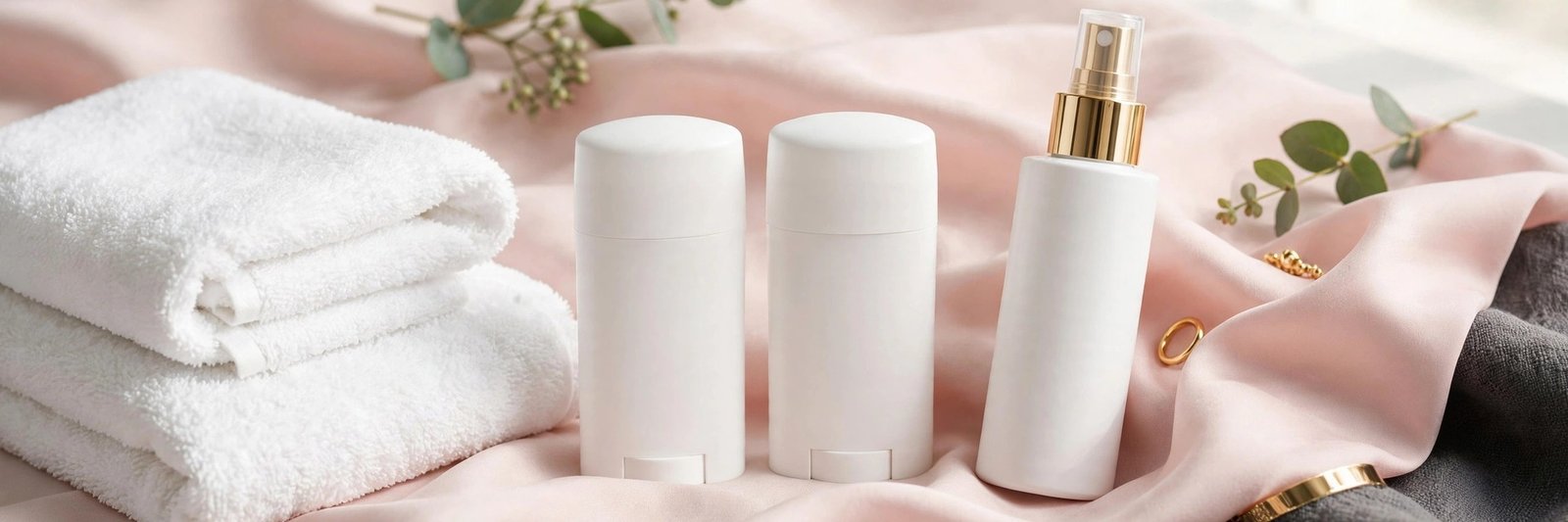
Be honest with yourself here: natural deodorant does not stop sweating. If wetness — not odor — is your problem, natural deodorant won’t solve it, and the frustration of a failed switch can be worse than the original problem. Our natural deodorant vs antiperspirant comparison breaks down exactly what each product can and can’t do, so you can choose based on your actual needs rather than marketing.
A practical middle ground many heavy sweaters use: clinical-strength antiperspirant at night for sweat control, plus a pleasant deodorant in the morning for scent. The two aren’t mutually exclusive.
When to See a Doctor
See a doctor or dermatologist if:
– Sweating is sudden-onset or dramatically worse than it used to be
– It’s one-sided (one underarm only)
– You get night sweats that soak bedding — hyperhidrosis typically stops during sleep
– Sweating comes with weight loss, fever, or fatigue — these warrant medical evaluation for underlying causes (thyroid issues, infections, and other conditions can cause secondary hyperhidrosis)
– OTC clinical-strength antiperspirant used correctly for 2–4 weeks hasn’t helped
Secondary hyperhidrosis — excessive sweating caused by another condition or medication — needs the underlying cause addressed, not stronger deodorant.
Key Takeaways
- Apply antiperspirant at night to dry skin — this alone dramatically improves effectiveness.
- Clinical-strength antiperspirant (up to 20% aluminum) is the dermatologist-recommended first line for bothersome sweating.
- Shaving or trimming underarm hair helps product reach skin; fabric choice (breathable, dark, patterned) manages visible sweat.
- Common amplifiers: caffeine, alcohol, spicy food, stress, and heat — notice your personal patterns.
- Prescription options exist (stronger aluminum chloride, glycopyrronium wipes) before procedures.
- Botox and miraDry are effective medical options for severe cases; surgery is a last resort due to compensatory sweating risk.
- Natural deodorant doesn’t stop sweat — choose based on whether wetness or odor is your actual problem.
- Sudden, one-sided, or night sweats deserve a doctor’s visit.
FAQ
What is the strongest antiperspirant for excessive sweating?
OTC clinical-strength formulas (up to 20% aluminum compounds) are the strongest available without prescription. If those fail after 2–4 weeks of correct nightly use, prescription aluminum chloride (20%) or glycopyrronium wipes are the next step — see a dermatologist.
Does shaving underarms reduce sweating?
It doesn’t reduce sweat production, but it helps significantly: less hair means antiperspirant contacts skin directly, sweat evaporates faster, and odor decreases. Even trimming short makes a difference.
Why do I sweat so much from my armpits even when I’m not hot?
Stress, caffeine, spicy food, and hormones all activate sweat glands independently of temperature. If it’s persistent, symmetrical, and excessive, it may be primary hyperhidrosis — overactive sweat glands with no underlying disease — which is treatable.
Can diet reduce underarm sweating?
Reducing caffeine and alcohol, limiting very spicy foods, and staying hydrated can meaningfully reduce sweating episodes for many people. There’s no “anti-sweat diet,” but trigger management is a real, if partial, lever.
Is Botox for sweating safe?
Underarm Botox for hyperhidrosis is FDA-approved and has a strong safety record when done by a qualified provider. The main downsides are cost, the need for repeat treatments every 4–12 months, and temporary injection-site soreness — not systemic safety concerns at the doses used.
Love this? Pin it for later!