Armpit Detox Mask: The Underarm Reset Your Routine Is Missing
Your face gets masks, serums, and exfoliants. Your underarms get deodorant — every single day, often for years, with no reset in between. An armpit detox mask is exactly what it sounds like: a weekly clay or charcoal mask applied to the underarms to draw out the buildup that daily cleansing leaves behind — deodorant residue, dead skin cells, trapped sweat, and odor-causing bacteria.
It’s a simple, 15-minute ritual that makes underarms smoother, less odorous, and more receptive to brightening treatments. If you’re working on dark underarms, this is the weekly reset that makes the rest of your routine work better. For the full brightening plan, see our how to lighten dark underarms.
What an Armpit Detox Mask Actually Does
Let’s be clear about the word “detox.” Your underarms don’t store toxins that need purging — that’s marketing language, not biology. What an armpit mask genuinely does is far more practical:
Removes deodorant and antiperspirant buildup. Aluminum salts, waxes, and silicones in antiperspirants accumulate in pores and on skin over time. Regular body wash doesn’t always dissolve them fully. Clay and charcoal are absorbent materials that pull this residue out.
Lifts dead skin cells. The underarm area is warm and moist, which means dead cells and product residue cling more stubbornly than on drier body areas. A mask loosens this layer, which is also one reason underarms can look dull and grayish.
Reduces odor-causing bacteria. Body odor isn’t caused by sweat itself — it’s caused by bacteria breaking sweat down into smelly compounds. Charcoal and certain clays create an environment bacteria don’t thrive in, and the masking process physically removes bacterial buildup. Many people notice less odor for days after a mask.
Preps skin for brightening treatments. This is the underappreciated benefit. Brightening serums (niacinamide, vitamin C, azelaic acid) absorb better into skin that’s been cleared of buildup. If your brightening routine has stalled, a weekly mask is often the missing piece.
Clay vs. Charcoal: Which Mask Base to Use
The two classic bases work slightly differently:
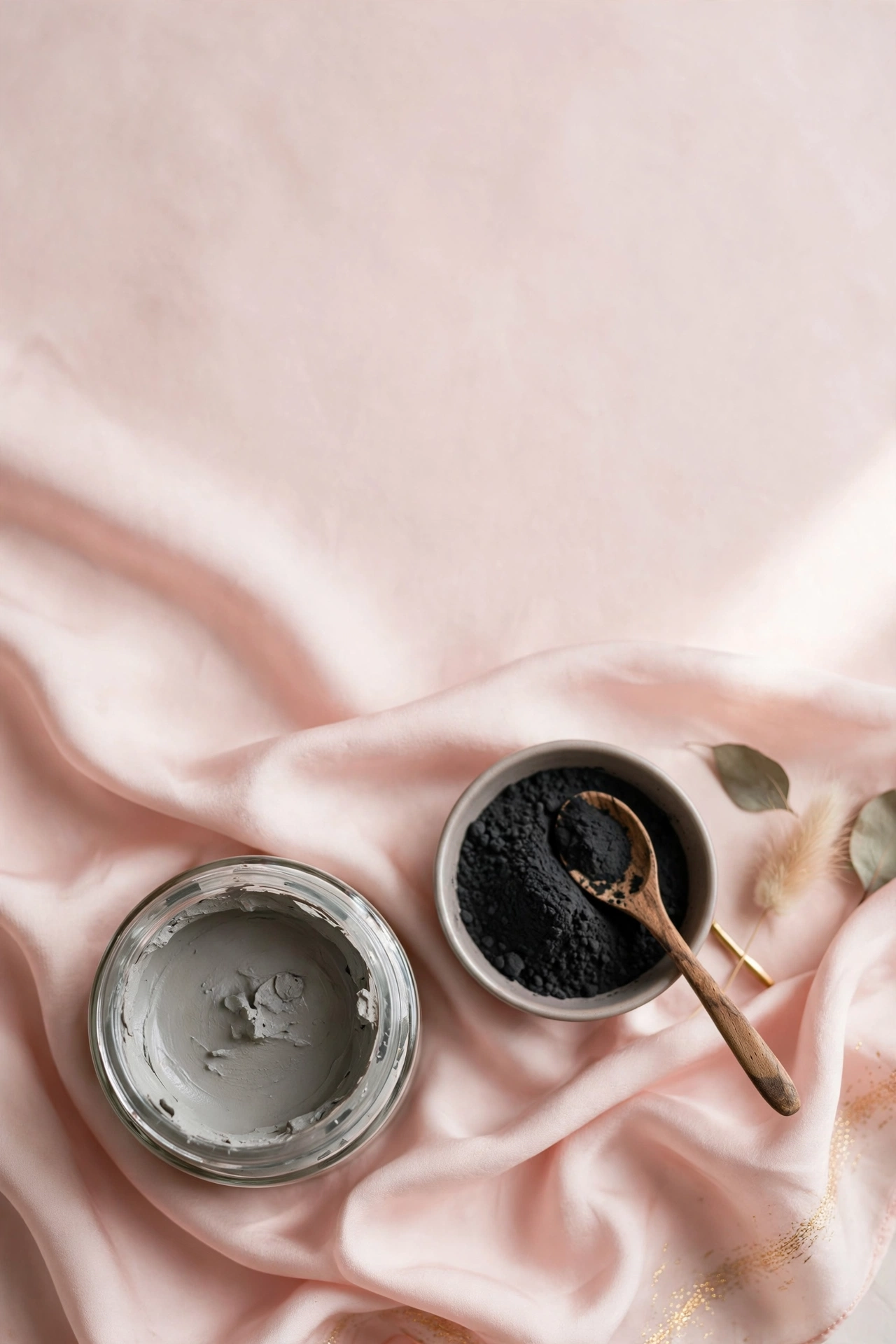
Bentonite clay is the workhorse. It’s a volcanic clay with a strong negative charge that binds to positively charged impurities — oils, residue, and debris. It also has mild exfoliating action as it dries and tightens. The most widely known option is Indian healing clay (calcium bentonite), a popular option for both face and underarm masking. For a full walkthrough of clay mask technique, see our how to use a clay mask — the application principles are identical, just on a different body part.
Kaolin clay is the gentler cousin. It absorbs oil without the intense tightening of bentonite, making it better for sensitive underarm skin or anyone new to masking.
Activated charcoal works through adsorption — its porous structure traps odor molecules, oils, and impurities on its surface. It’s the better choice if odor control is your primary goal. Charcoal is messier than clay (it stains everything it touches), so apply carefully.
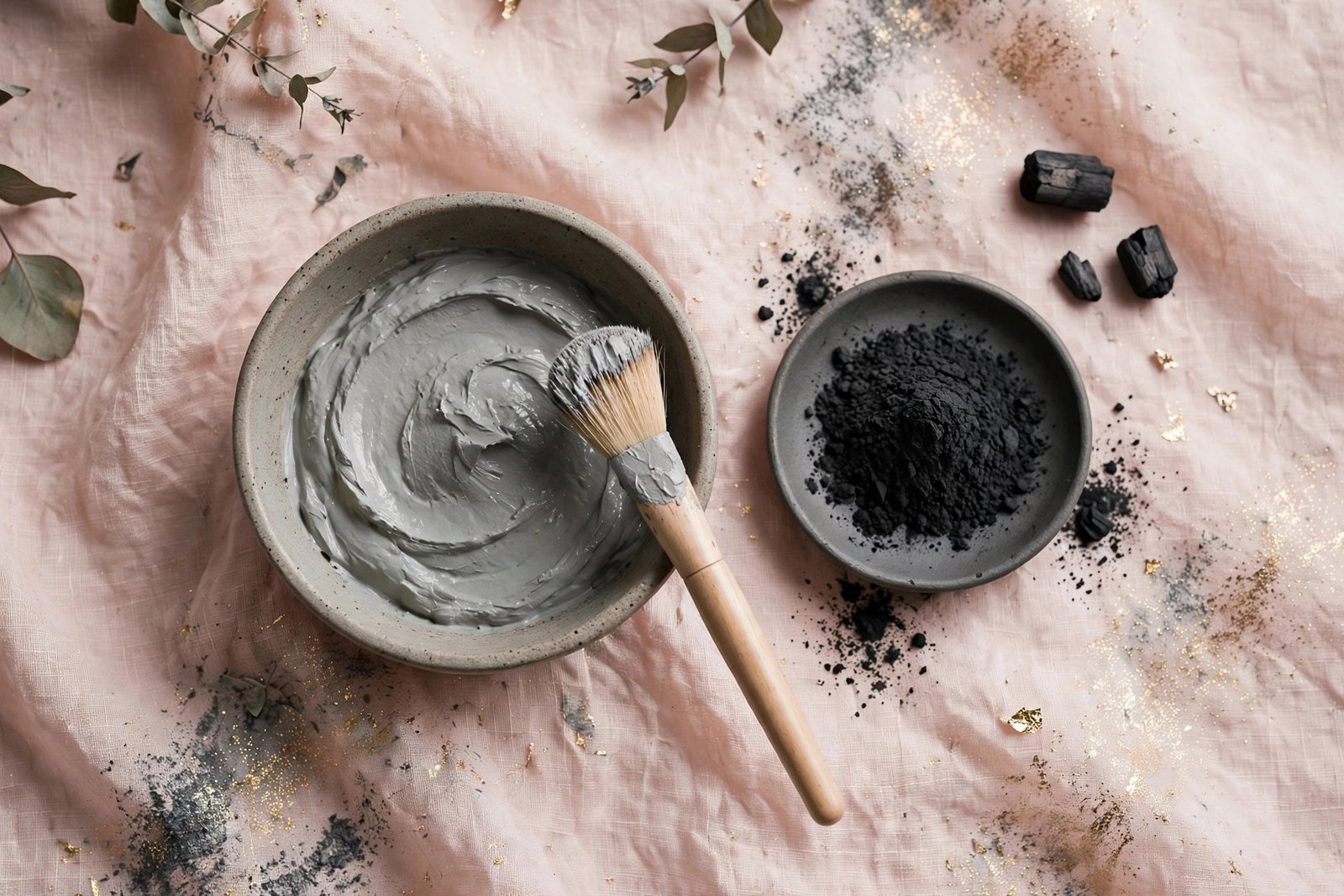
The best approach for most people: a bentonite clay base with a spoonful of activated charcoal powder mixed in. You get clay’s deep-cleaning pull plus charcoal’s odor-absorbing power in one mask.
The Armpit Detox Mask Recipe
You don’t need a special “armpit mask” product. The classic DIY recipe is simple and effective:
Ingredients:
– 1 tablespoon bentonite clay
– 1 teaspoon activated charcoal powder
– 1–2 tablespoons apple cider vinegar or water
– Optional: 2–3 drops of tea tree oil (antibacterial)
Method:
1. Mix the clay and charcoal in a non-metal bowl with a non-metal spoon. (Bentonite clay’s charge can react with metal — this is the standard guidance for clay masks generally.)
2. Add the apple cider vinegar or water gradually, stirring until you get a smooth, yogurt-like paste. Apple cider vinegar gives a stronger pull and a slight tingle; water is gentler for sensitive skin.
3. If using tea tree oil, stir it in last.
Application:
1. Start with clean, dry underarms. Don’t apply right after shaving — wait at least 24 hours, because the mask on freshly shaved skin can sting badly.
2. Apply a thick, even layer to each underarm with clean fingers or a mask brush. Don’t rub it in; just spread it.
3. Leave on for 10–15 minutes. Let it dry most of the way, but don’t leave it until it’s painfully tight and cracking — that’s over-drying, not extra detoxing. (This is the same dry-time rule as facial clay masks.)
4. Rinse thoroughly with warm water. Charcoal stains, so use a dark washcloth or rinse in the shower.
5. Pat dry and apply a light, fragrance-free moisturizer. Your underarms will feel slightly tight and very clean — moisturizer restores comfort.
How Often to Do an Armpit Detox Mask
Once a week is the sweet spot for most people. That’s frequent enough to prevent buildup from accumulating, but not so frequent that you dry out or irritate the area.
- Normal underarms: once weekly.
- Heavy deodorant/antiperspirant users: once weekly, possibly twice during summer or heavy workout periods.
- Sensitive or easily irritated skin: every 10–14 days, using kaolin clay or the water-based version instead of vinegar.
- During a deodorant transition: weekly masks are especially helpful when switching from antiperspirant to natural deodorant, a period when odor and sweating temporarily increase (more on that transition in our natural deodorant vs antiperspirant).
Signs you’re overdoing it: persistent dryness, itching, redness that lasts more than an hour after masking, or new bumps. Scale back frequency or switch to a gentler recipe.
What to Expect: Honest Results Timeline
- After the first mask: Underarms feel noticeably cleaner and smoother. Deodorant applies more evenly. Some people notice less odor immediately.
- After 3–4 weekly masks: Visible reduction in dullness and grayish cast as dead-cell buildup clears. Brightening serums start absorbing better.
- After 6–8 weeks: The mask becomes maintenance rather than treatment — underarms stay clearer between sessions.
What a mask won’t do: lighten deep hyperpigmentation on its own (that needs brightening actives — see the pillar guide), stop excessive sweating (different problem, different solutions), or permanently change your body odor (that’s bacterial and hormonal).
Precautions and Who Should Skip It
- Never mask freshly shaved skin. Wait 24 hours after shaving or waxing. The mask’s acids and tightening action on micro-cuts causes stinging and irritation.
- Patch test first. Apply a small amount to one underarm for 5 minutes before committing to the full 15, especially if you have sensitive skin.
- Skip apple cider vinegar if your skin is sensitive, broken, or prone to eczema — use water instead.
- Don’t combine with chemical exfoliants the same day. A clay mask plus an AHA treatment in one evening is too much for underarm skin. Alternate days.
- Pregnant or nursing? Clay and charcoal masks are topical and generally considered low-risk, but skip added essential oils (like tea tree) unless your doctor approves.
Key Takeaways
- An armpit detox mask is a weekly clay or charcoal mask that clears deodorant buildup, dead skin, and odor-causing bacteria from underarms.
- “Detox” means removing accumulated residue and bacteria — not purging toxins from your body.
- The classic recipe: bentonite clay + activated charcoal + apple cider vinegar or water, applied 10–15 minutes.
- Once a week is ideal for most people; every 10–14 days for sensitive skin.
- Never mask freshly shaved skin — wait at least 24 hours.
- Masks don’t lighten deep pigmentation alone, but they make brightening treatments absorb and work better.
- For full clay mask technique, see our how to use a clay mask.
FAQ
Does an armpit detox mask really work?
It works for what it’s designed to do: removing accumulated deodorant residue, dead skin, and bacterial buildup that regular washing leaves behind. Most people notice smoother, less odorous underarms after one session. It won’t lighten deep hyperpigmentation or stop sweating on its own.
How often should I do an armpit detox mask?
Once a week for most people. Heavy antiperspirant users can go twice weekly in summer; sensitive skin should stick to every 10–14 days with a gentler recipe.
Can I use a regular face clay mask on my armpits?
Yes. The same bentonite or kaolin clay masks used on the face work identically on underarms — the application principles are the same. Just avoid formulas with strong fragrances or high acid concentrations.
Why does my armpit mask tingle or burn?
Mild tingling with apple cider vinegar-based recipes is normal. Actual burning means the mask is too strong, left on too long, or applied to irritated or freshly shaved skin. Rinse immediately, switch to a water-based recipe, and wait 24 hours after shaving next time.
Should I detox my armpits before switching to natural deodorant?
It’s helpful but not required. Weekly masks during the 2–4 week transition period help manage the temporary increase in odor and sweating as your body adjusts away from antiperspirant. Our natural deodorant vs antiperspirant guide covers the full transition.
Love this? Pin it for later!