Hair Thickening Fibers: The Honest Guide (Do They Work?)
Hair thickening fibers are one of the few hair products that promise instant results — and, unlike many bold claims in the beauty world, this one is mostly true. A shake of fibers over a thinning crown or part line can make hair look visibly denser in under a minute. But the honest answer to “do they work?” is more nuanced than the marketing: they work brilliantly for concealment, they don’t treat anything, and they have limits worth understanding before you buy.
This guide covers how fibers actually work, who they’re best for, how to apply them so they look natural, and where they fall short — no hype, just the facts.
If your hair looks flat rather than thin, the 11 proven tricks for adding volume to fine hair may solve your problem without fibers at all.
Key Takeaways
- Hair thickening fibers are tiny keratin particles that cling to existing hair via static electricity, making strands look thicker and coverage look fuller.
- They work best for diffuse thinning and widening part lines — they cannot create the appearance of hair where there is none.
- Application technique matters: dry hair, light layers, and a fiber-hold spray make the difference between natural and obvious.
- They are a cosmetic concealer, not a treatment — they wash out completely and do nothing for regrowth.
- Fibers resist sweat and light rain but are not truly waterproof; plan accordingly.
How Hair Thickening Fibers Actually Work
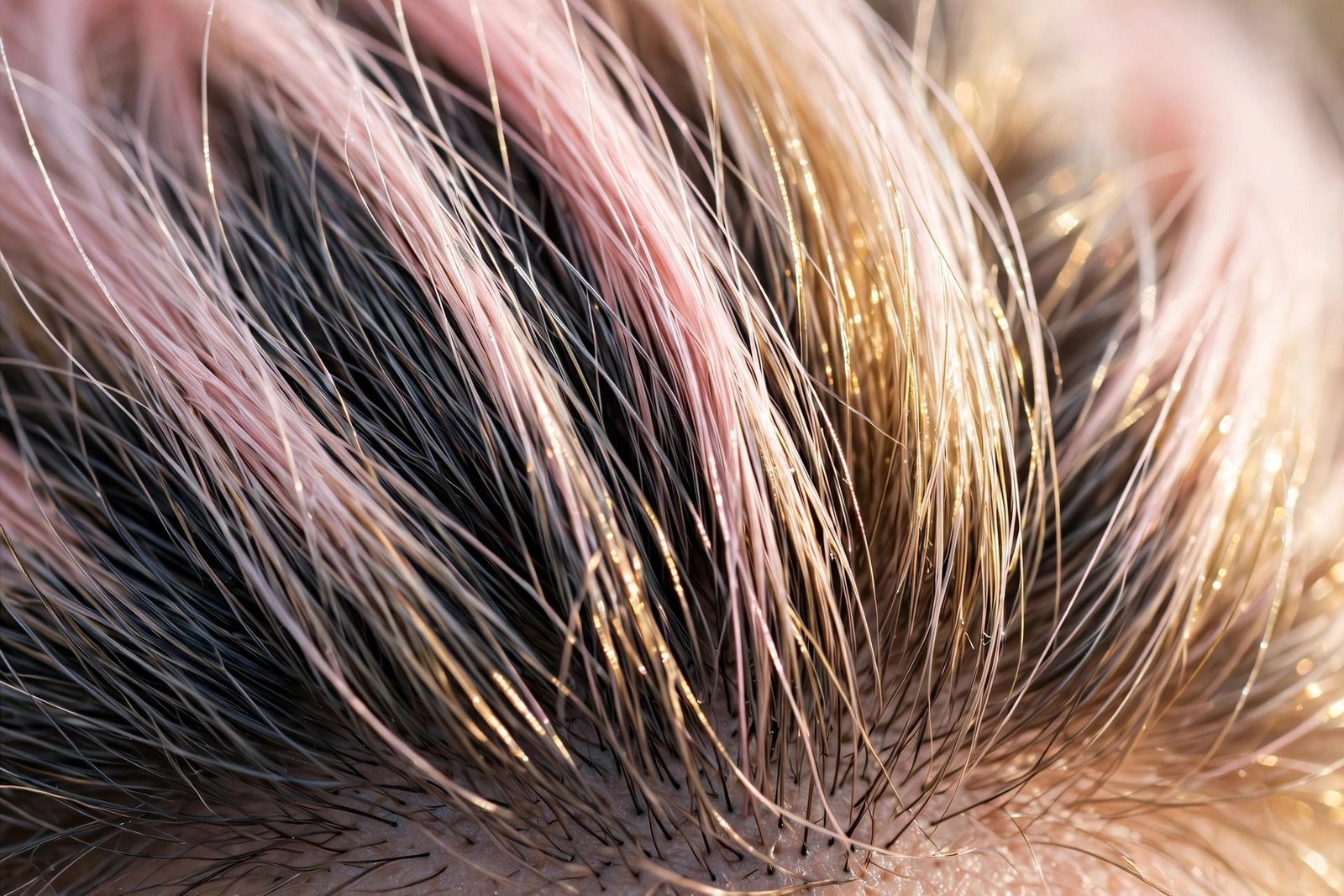
The concept is simple physics. Hair thickening fibers are microscopic fibers made from keratin — the same protein as human hair — or sometimes from cotton or rayon. They carry a static charge that makes them bond to your existing hair strands when sprinkled or sprayed on.
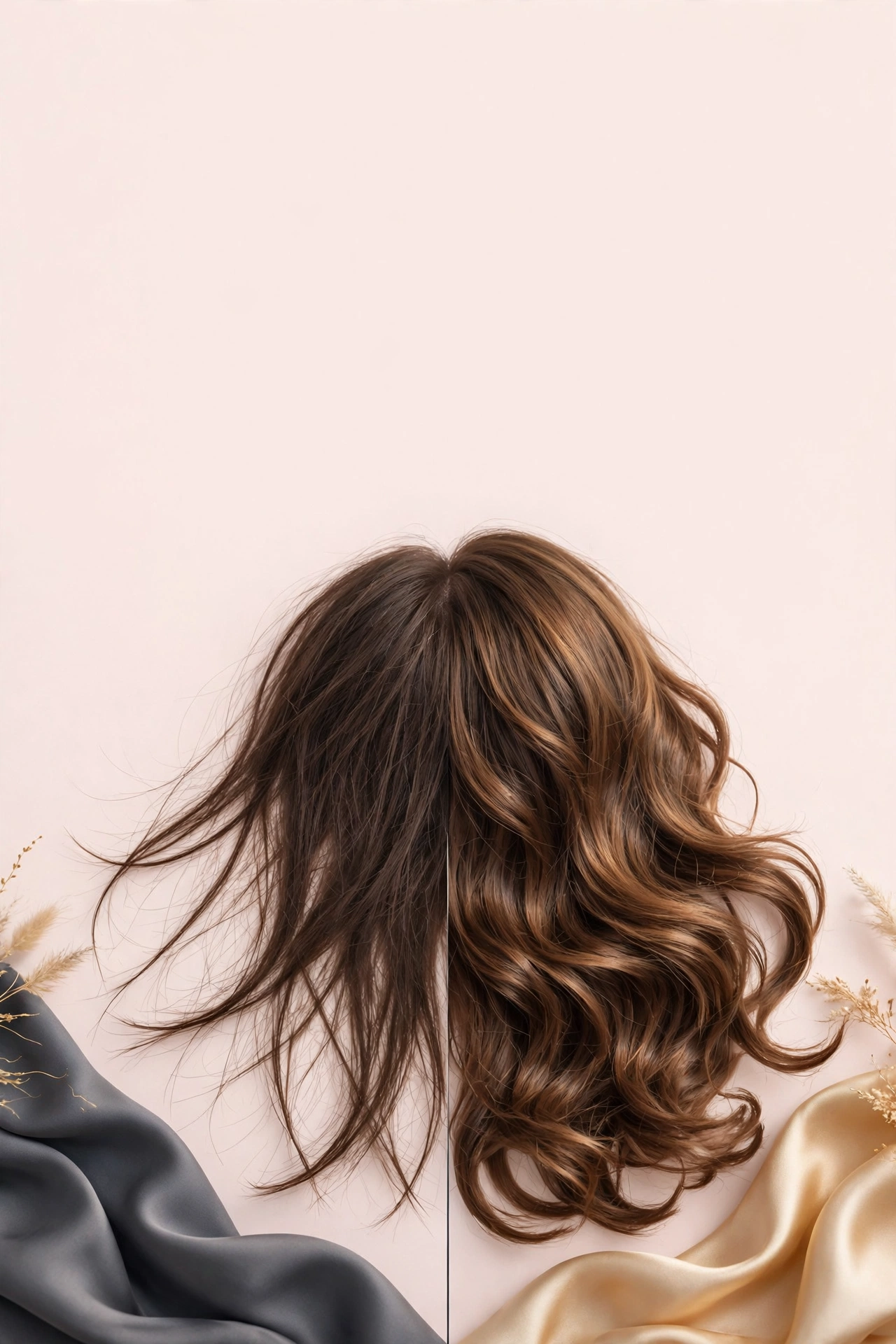
Once attached, the fibers do two things: they thicken each individual strand they cling to, and they fill the visual gaps between strands. The result is that thinning areas look denser and scalp visibility becomes far less noticeable. The fibers are colored to match common hair shades, so they blend with your natural color.
What fibers don’t do: they don’t attach to bare scalp, they don’t stimulate follicles, and they don’t stay on forever. They’re makeup for your hair — effective, but temporary.
Who Benefits Most From Hair Fibers
Great candidates: people with diffuse thinning (overall density loss), a widening part line, a thinning crown, or fine hair where the scalp shows through. Anyone who wants to look fuller for an event, photos, or daily confidence without committing to anything permanent.
Poor candidates: people with fully bald areas (fibers need hair to cling to), anyone expecting regrowth or a medical treatment, and people in situations involving heavy sweating, swimming, or high wind without backup coverage.
Fibers also pair well with styling techniques that maximize fullness. Combining them with the proven volume tricks for fine hair gives you both real lift and visual density.
How to Apply Hair Fibers for Natural-Looking Results
Technique is everything. Poorly applied fibers look dusty and obvious; well-applied ones are nearly invisible. Follow these steps:
1. Start With Completely Dry Hair
Fibers bond via static, and moisture kills static. Hair must be fully dry — styled and finished — before you apply anything. Applying to damp hair produces clumps instead of even coverage.
2. Style Your Hair First
Create your part, do your blowout, apply your styling products — everything first. Fibers go on last, like a final dusting, because styling after application will dislodge them.
3. Apply in Light Layers, Not One Dump
Hold the shaker 2–3 inches above the thinning area and tap gently. Less is dramatically better than more. Build up in two or three light passes, checking in the mirror between each. The most common beginner mistake is over-application, which creates a dark, dusty patch that draws the eye instead of blending.
4. Pat — Don’t Rub
After each pass, lightly pat the area with your fingertips to settle the fibers into the hair. Rubbing breaks the static bond and pushes fibers off the strands.
5. Lock With a Fiber-Hold or Hairspray Mist
A light mist of finishing spray over the area helps fibers resist wind and touch throughout the day. Use a fine, lightweight mist — a heavy spray can darken or clump the fibers.
6. Blend the Edges
The transition zone between the fiber-covered area and untreated hair is where obviousness happens. Use a clean, dry brush to lightly blend the edges, or apply a slightly lighter hand at the borders so coverage fades naturally.
Choosing the Right Fiber Shade
Most fiber brands offer 8–10 shades. Match your roots, not your ends — fibers sit closest to the scalp, so the root color is what they’ll sit against. When in doubt, go one shade lighter rather than darker; lighter fibers blend more forgivingly, while too-dark fibers read as obvious spots.
For color-treated hair, match the shade closest to your current root color, and be aware you may need to switch shades as roots grow out between color appointments.
How Long Do Hair Fibers Last?
On a normal day, fibers last until you wash your hair out — typically 8 to 12 hours. They handle office life, errands, and evenings out well. They’re reasonably resistant to light sweat and a drizzle, thanks to the finishing spray lock.
They are not, however, waterproof. Swimming, heavy rain, and intense workouts will dislodge them. High wind can also be an issue without a good locking spray. If your day involves any of these, fibers aren’t the right tool — or bring the shaker with you for touch-ups.
The Honest Limits of Hair Fibers
This is the section the marketing skips, so let’s be direct:
They don’t regrow hair. Fibers are purely cosmetic. If you’re experiencing active hair loss, they buy you visual confidence while you address the cause — but addressing the cause requires a different approach entirely. The complete guide to hair fall control covers how to identify and respond to real shedding.
They need existing hair. Fibers cling to strands; on fully smooth, bald scalp there’s nothing to bond to, and they’ll just sit on skin and look like dust. They’re for thinning, not baldness.
They wash out completely. Every shower resets you to zero. This is a feature (no commitment, no buildup) and a limitation (daily reapplication).
Close inspection reveals them. At conversational distance, good application is invisible. Up close — someone running fingers through your hair, for example — the fibers are detectable. They’re confidence for daily life, not for every scenario.
They can transfer. Without a locking spray, fibers can rub off on pillowcases, hats, and clothing. Dark fibers on a light pillowcase are a common complaint.
Fibers vs. Other Thinning-Hair Options
| Option | What it does | Commitment | Best for |
|---|---|---|---|
| Hair thickening fibers | Conceals thinning visually | Daily application | Instant cosmetic fullness |
| Volumizing styling routine | Adds real lift and body | Daily styling | Fine hair that falls flat |
| Scalp micropigmentation | Tattoos the look of density | Permanent, multi-session | Shaved or very short styles |
| Hair transplant | Moves follicles to thin areas | Surgical, expensive | Pattern baldness with donor hair |
| Medical treatments | Address underlying causes | Ongoing, doctor-guided | Active hair loss |
For most people, the practical answer is a combination: a strong volumizing routine for real body, fibers for days when you want extra visual density, and the complete guide to thin, fine hair to understand your hair type — plus medical guidance if shedding is the underlying issue.
Frequently Asked Questions
Do hair thickening fibers damage hair?
No evidence suggests fibers damage hair or follicles. They’re inert keratin particles that wash out with shampoo. The main risk is overuse masking a worsening condition — if thinning is progressing, see a dermatologist rather than just concealing it.
Can you use hair fibers every day?
Yes — they’re designed for daily use. Just wash them out each night (sleeping in fibers transfers them to your pillowcase) and start fresh. Regular clarifying shampoo prevents any product buildup.
Are hair fibers noticeable in sunlight?
Well-applied fibers in the right shade are not noticeable at normal distances, even in bright light. Over-application is what shows — in any light. The light-layers technique described above is specifically what keeps them invisible.
Do hair fibers work on wet or sweaty scalps?
Not well. Moisture breaks the static bond, so fibers slide off damp hair and sweat dislodges them through the day. Apply only to fully dry hair, and avoid them on days with heavy sweating or swimming.
Can women use hair fibers, or are they just for men?
They’re for anyone with thinning hair. Marketing often targets men, but the product is identical — women with diffuse thinning, widening parts, or postpartum shedding use them just as effectively.
The Bottom Line
Hair thickening fibers do exactly what they claim: they make thinning hair look fuller, instantly, with no commitment. The honest version of the story is that they’re a concealer, not a cure — powerful for confidence, limited in scope, and best used alongside real styling techniques and, when needed, medical guidance for actual hair loss. Used with realistic expectations and good technique, they’re one of the most satisfying quick fixes in hair care.
Love this? Pin it for later!