Claw Clip Hairstyles: 5 Easy Looks for Every Hair Length
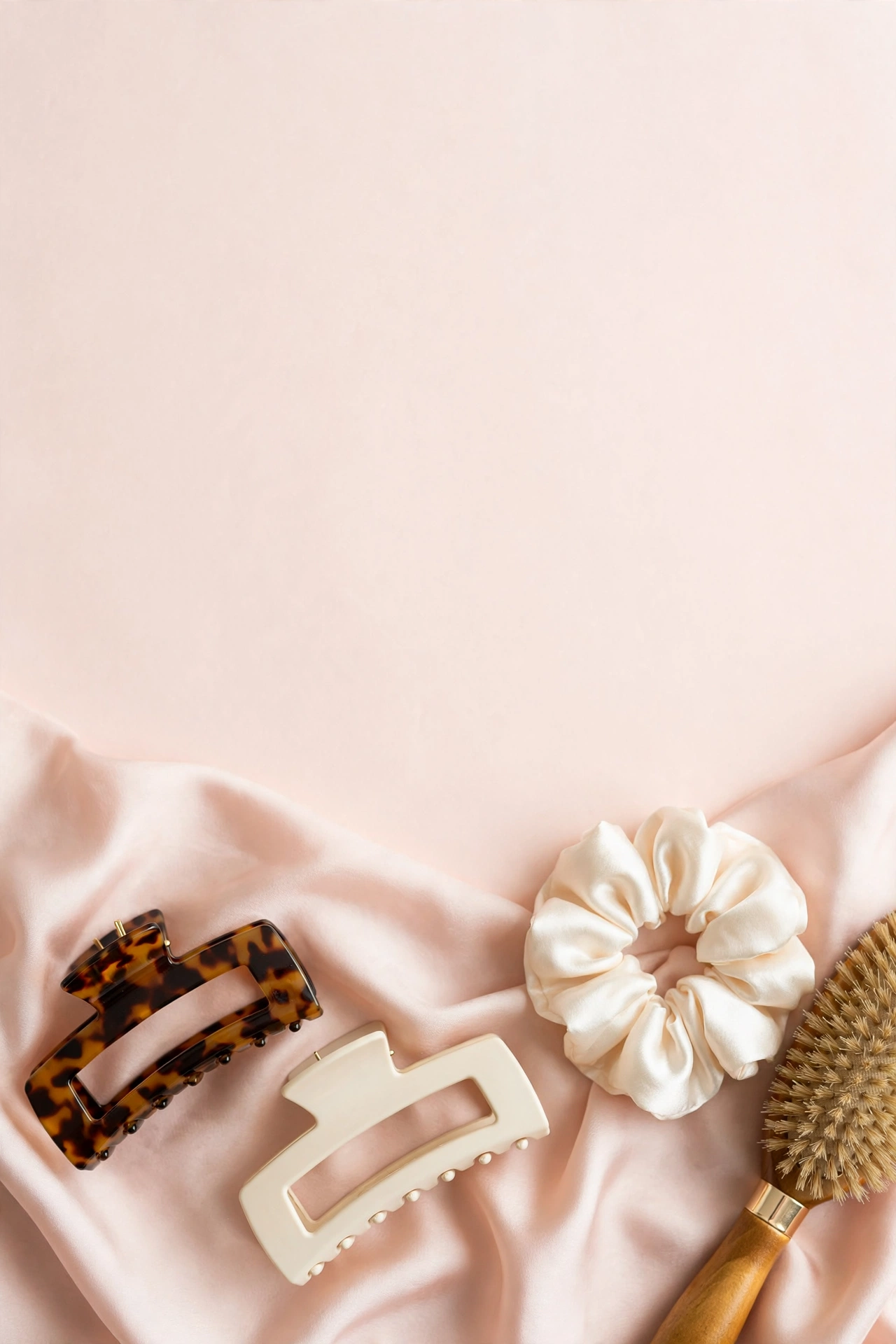
Few hair accessories have had a comeback as big as the claw clip. What was once a ’90s bathroom-counter staple is now a full-blown styling icon — spotted on celebrities, in street-style photos, and all over Pinterest boards dedicated to effortless hair. The reason is simple: a claw clip can take hair from messy to polished in under two minutes, with no heat tools and almost no skill required.
This guide covers five genuinely wearable claw clip hairstyles, each with clear step-by-step instructions. You’ll find options for short bobs, medium-length hair, long thick hair, and everything in between — because the technique that works for fine chin-length hair is not the same one that holds waist-length waves.
Why Claw Clips Work So Well
Claw clips are gentle on hair compared to tight elastics. The interlocking teeth distribute weight across a wider area instead of cinching one band around your hair, which means less creasing and less breakage over time. They’re also one of the few accessories that work on almost every hair texture — straight, wavy, curly, fine, or thick — as long as you choose the right clip size and learn the right folding technique.
Choosing the Right Claw Clip
Before you start styling, match your clip to your hair:
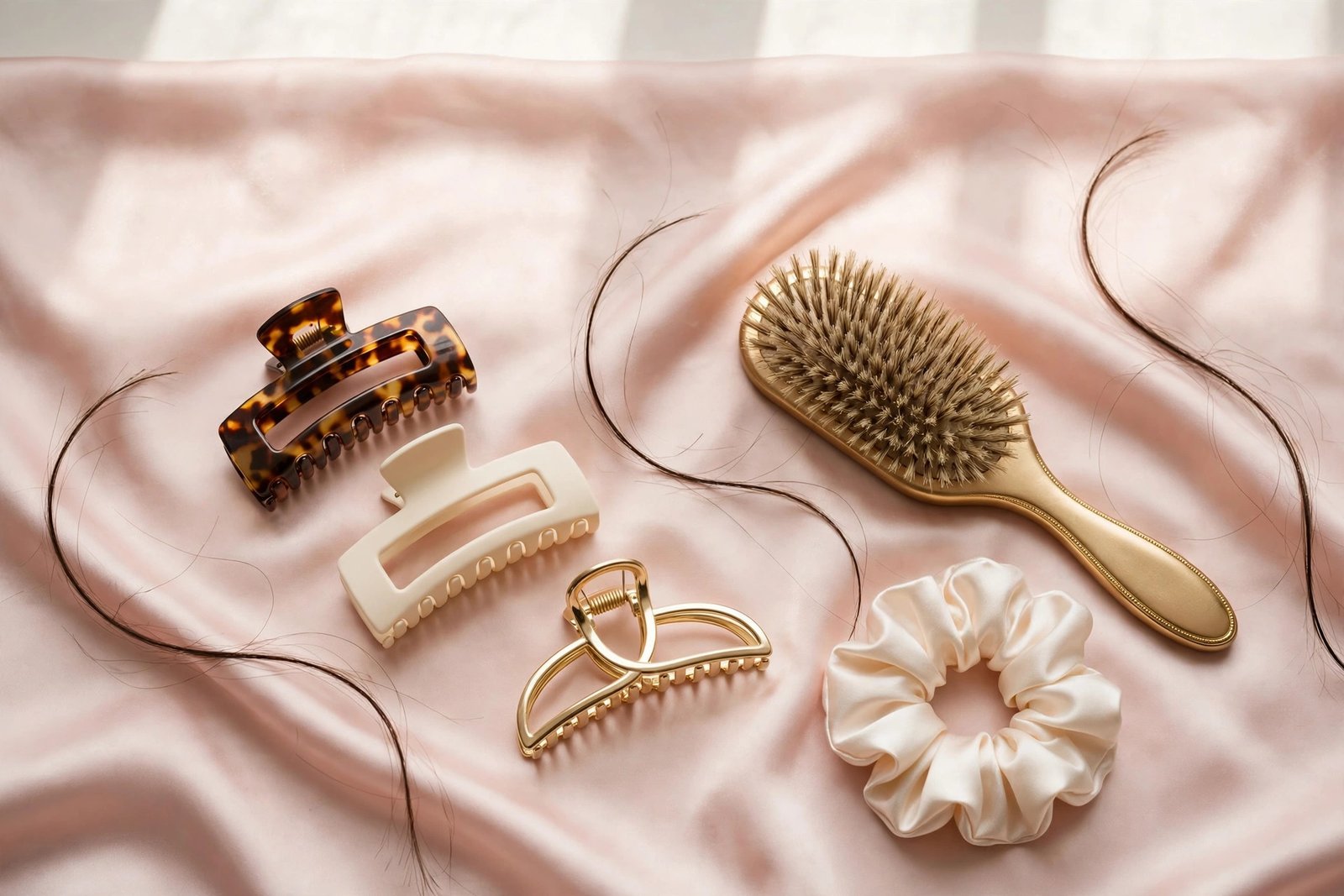
- Large clips (4–5 inches): best for long or very thick hair. They can grip a full volume of hair without straining.
- Medium clips (3–4 inches): the universal size. Works for medium-length hair, fine long hair, and most half-up styles.
- Small clips (1–2.5 inches): ideal for short hair, mini twists, and half-up sections on fine hair. Keep a couple of these even if your hair is long — they’re perfect for pinning back face-framing pieces.
- Material matters: look for clips with strong springs and teeth that interlock cleanly. Cheap clips with weak springs slip on thick hair, while overly sharp teeth can snag fine hair.
If you’re just starting out, a set with one large, one medium, and two mini clips covers nearly every style below.
Style 1: The Classic French Twist
The French twist is the claw clip’s signature move — elegant enough for a wedding, fast enough for a Tuesday morning.
Best for: medium to long hair, all thicknesses.
Steps
- Brush your hair smooth and gather it into a low ponytail at the nape of your neck. Don’t secure it — just hold it in one hand.
- Twist the ponytail upward along the back of your head, rotating it clockwise so the length rolls up against your scalp. The twist should run from the nape toward the crown.
- Fold the ends under or let them cascade. For a neat finish, tuck the ends into the top of the twist. For a softer look, let the ends fan out over the top of the clip.
- Open the claw clip and press it over the twist, positioning it so the teeth grip both the twist and the hair beneath it on your scalp. A medium or large clip works here depending on thickness.
- Pull out a few face-framing pieces at the temples for softness. Lightly tug at the twist’s edges for volume.
Tips for fine hair: backcomb the roots at the crown very lightly before twisting to create grip and fullness. A texturizing technique guide sprinkle of dry shampoo at the roots adds hold too.
Tips for thick hair: work in two sections — twist the bottom half first, clip it loosely, then twist the top half over it and add a second clip. Trying to force all of it into one clip is how thick hair defeats the style.
Style 2: The Half-Up Claw Clip
This is the fastest style in this guide and the best entry point if claw clips are new to you.
Best for: all hair lengths, including bobs and shoulder-length cuts.
Steps
- Section off the top third of your hair from temple to temple, gathering it at the back of your crown.
- Give the section one gentle twist to the right — this creates the grip that keeps the clip from sliding.
- Fold the twisted section up and slightly over, so the ends point toward the crown.
- Clamp a medium or small claw clip over the fold, letting the teeth catch the hair underneath.
- Fluff the section slightly by pulling the edges outward for a lived-in look. Leave the bottom two-thirds of your hair flowing.
Variations: try two mini clips side by side for a playful look, or position the half-up section higher (near the crown) for more of a lift effect. On very short hair, use a mini clip and a thinner section.
Style 3: The Messy Claw-Clip Bun
The messy bun is the style most people picture when they think of claw clips — and it’s the most forgiving to learn.
Best for: medium to long hair; adaptable for short hair with mini clips.
Steps
- Flip your head upside down and gather all your hair into a high ponytail at the crown. Flip back upright.
- Twist the ponytail loosely two or three full turns. Don’t twist tightly — looseness is what makes it look effortless.
- Wrap the twisted length around the base of the ponytail, forming a loose bun shape. Let the ends poke through the middle or tuck them under.
- Open a large (or medium) claw clip and clamp it over the bun, angling it slightly so the teeth catch the bun and the scalp hair beneath.
- Pull and loosen strategically: tug the bun’s outer edges for width, pull a few strands loose around the face, and gently lift the roots at the crown with your fingers for height.
For short hair: gather hair into a half-bun instead (top half only) and secure with a mini clip — the half-up claw clip variations face-framing effect works beautifully with bangs.
For long hair: instead of wrapping all the way around, fold the twisted ponytail in half before clipping — this keeps the bun compact rather than sprawling.
Style 4: The Low Twisted Ponytail
When you want the polish of a ponytail without the elastic dent, this style delivers.
Best for: medium to long hair, all thicknesses.
Steps
- Gather hair into a low ponytail at the nape, holding it in one hand.
- Split the hair above your hand into two sections and twist each section inward once, then cross them — creating a rope-like effect down the length.
- Fold the twisted length upward against the back of your head.
- Clamp a medium claw clip vertically over the fold, so the clip runs along the back of your head like a banana clip.
- Adjust the drape: let the very ends fan softly over the top of the clip for a finished look.
This style reads as more intentional than a bun, making it a good choice for office days and dinners. It also keeps hair completely off the neck, which is welcome in warm weather.
Style 5: The Claw-Clip Pony Lift
A hybrid of the ponytail and the clip — maximum volume, minimum effort.
Best for: fine to medium hair that falls flat in regular ponytails.
Steps
- Pull hair into a mid-height ponytail and secure it loosely with a silk scrunchie or a soft elastic (this is just a base, not the final look).
- Split the ponytail in half horizontally — top half and bottom half.
- Twist the top half loosely and clip it up with a medium claw clip positioned just above the elastic base.
- Let the bottom half hang over the clip, hiding the elastic completely.
- Fan out the clipped top half for volume. The result looks like one full, lifted ponytail with hidden structure.
This trick is especially useful on second-day hair styling when roots need a lift but a full wash isn’t happening.
Claw Clip Hairstyles by Hair Length
Short hair (chin to shoulder)
Stick to minis and small clips. Half-up styles, mini twisted buns, and side-swept clip-backs are your best friends. For a full updo, combine two mini clips — one on each side of a low twist. Avoid large clips, which overwhelm short hair and slip.
Medium hair (shoulder to armpit)
This is the sweet spot — nearly every style in this guide works as written. Medium clips are your workhorse size. French twists sit perfectly, messy buns hold with one clip, and half-up looks take seconds.
Long hair (past the armpits)
Go large. Fold rather than wrap to keep buns compact, and don’t be afraid to use two clips for extra security on very thick hair. The low twisted ponytail and French twist are the most reliable full-hold styles for long lengths. If a single clip keeps popping open, the clip is too small — size up before blaming the technique.
Claw Clip Hairstyles by Hair Thickness
- Fine hair: texture is everything. A light mist of dry shampoo or texturizing spray at the roots before styling gives the clip something to grip. Twist sections gently rather than smoothing them flat — air in the twist equals hold.
- Medium hair: follow the standard instructions; you’re the baseline these styles were designed for.
- Thick hair: size up your clip, work in sections for updos, and twist more firmly than you think you need to. A strong-spring clip is non-negotiable — flimsy drugstore clips will surrender by lunchtime.
Quick 60-Second Styles for Busy Mornings
When you don’t have time for a full tutorial, these three micro-styles take under a minute each:
The twist-and-clip: gather the front two sections of hair (one from each temple), twist each once, and clip them together at the back of the head with a medium claw clip. The rest of your hair stays down. It’s the fastest polished look in this guide.
The side sweep: sweep all hair over one shoulder, twist the length once, and clamp a medium clip horizontally just behind the opposite ear. Instant asymmetry that looks deliberate.
The double mini: part hair down the middle, twist a small section on each side of the part, and secure each with a mini clip. Playful, symmetrical, and great for keeping hair out of your face during workouts.
Claw Clips vs. Other Hair Accessories
- Vs. elastics: clips win for updos — no dents, less breakage, and they add visual interest. Elastics win for high ponytails and sports, where a clip could pop loose.
- Vs. scrunchies: scrunchies are gentler and better for overnight or very long wear; clips create more structured, intentional-looking styles. Many people layer them — a scrunchie base with a clip on top.
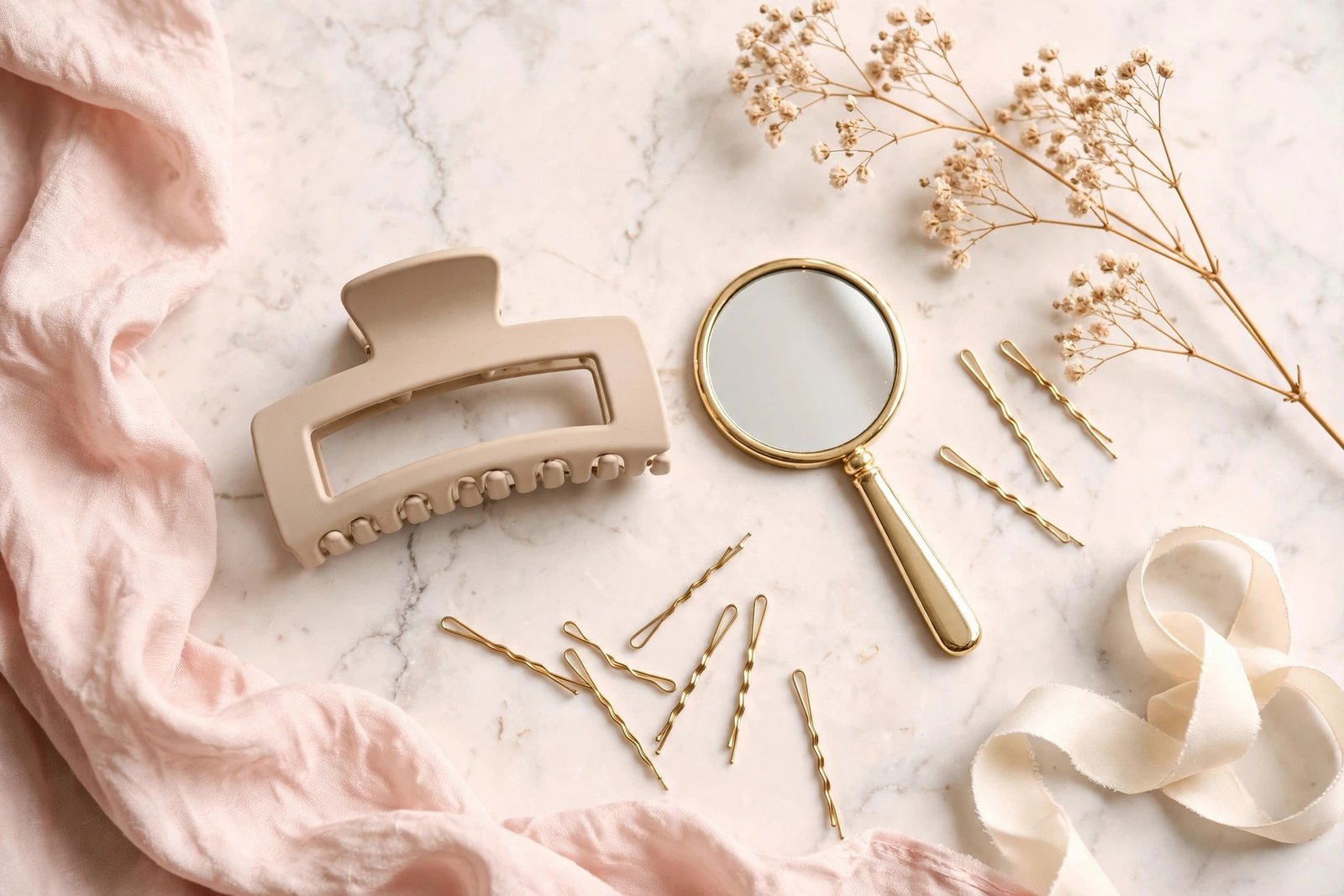
- Vs. bobby pins: pins are invisible support; clips are the visible star. Use pins with clips for all-day hold, not instead of them.
Making Claw Clip Styles Last All Day
- Start with day-old hair. Freshly washed, silky hair is the slipperiest surface for a clip. Second-day texture holds styles dramatically better — see refreshing second-day hair for curl-specific refresh tips.
- Anchor with bobby pins. One or two bobby pins crossed at the base of the clip add insurance for long days.
- Choose teeth over smooth. Clips with defined teeth grip better than smooth matte ones.
- Carry a backup mini. Toss a mini clip in your bag — if a style loosens, you can re-secure it in seconds without a mirror.
- Protect hair overnight. If you wear claw clips daily, give your hair a break with overnight hair treatments and a solid beginner hair care routine to keep strands healthy.
Caring for Your Claw Clips
A good claw clip lasts for years if you treat it well. Rinse clips occasionally with warm water and a drop of mild soap to remove product buildup — dried gel and hairspray make the hinge stiff and the teeth slippery. Dry them fully before storing, since trapped moisture weakens metal springs over time. Store them open rather than clamped shut; keeping the spring compressed permanently is what eventually kills the grip. And keep a dedicated mini clip in your bag, your gym pouch, and your desk drawer — the best claw clip is the one you actually have with you when your hair needs rescuing.
Key Takeaways
- Match clip size to hair length and thickness: large for long/thick, medium as the all-rounder, minis for short hair and accents.
- The five core styles — French twist, half-up, messy bun, low twisted pony, and pony lift — cover every occasion from gym to wedding.
- Day-old hair holds claw clip styles far better than freshly washed hair.
- Fine hair needs texture (dry shampoo, light backcombing) for grip; thick hair needs bigger clips and sectioned work.
- One or two hidden bobby pins turn a casual style into an all-day hold.
Frequently Asked Questions
Do claw clips damage hair?
Far less than tight elastics. Because the teeth distribute pressure instead of cinching one band, claw clips cause less creasing and breakage. The main risk is snagging with cheap clips that have rough or sharp teeth — invest in smooth, well-made clips, especially for fine hair.
What size claw clip do I need for thick hair?
Go large — 4 to 5 inches. Medium clips can work for half-up styles on thick hair, but full updos need the grip and spring strength of a large clip. If a clip keeps popping open, it’s too small, not broken.
Can you wear a claw clip with short hair?
Absolutely. Mini and small clips (1–2.5 inches) are made for bobs and lobs. Half-up twists, mini buns, and clipped-back front sections all work. You may need thinner sections than the standard tutorials show.
How do you keep a claw clip from slipping out?
Start with day-old or textured hair, twist sections before clipping (twists grip better than smooth gathers), choose a clip with strong springs and defined teeth, and anchor with a bobby pin or two. For very silky hair, a light mist of dry shampoo at the roots adds grip.
Are claw clips better than scrunchies?
They serve different purposes. Claw clips create structured updos and add visual interest; scrunchies are gentler for ponytails and overnight wear. Many people use both — a scrunchie as a hidden base with a clip on top, as in the pony-lift style above.
How do you do a French twist with a claw clip on fine hair?
Lightly backcomb the crown first, gather and twist as usual, and use a medium clip with strong springs. Let the ends fan out over the top of the clip rather than tucking them — the extra visible hair makes fine hair look fuller. A spritz of texturizing spray before you start adds meaningful hold.
Love this? Pin it for later!