Scalp Sunscreen Guide: Protect Your Part Line & Scalp
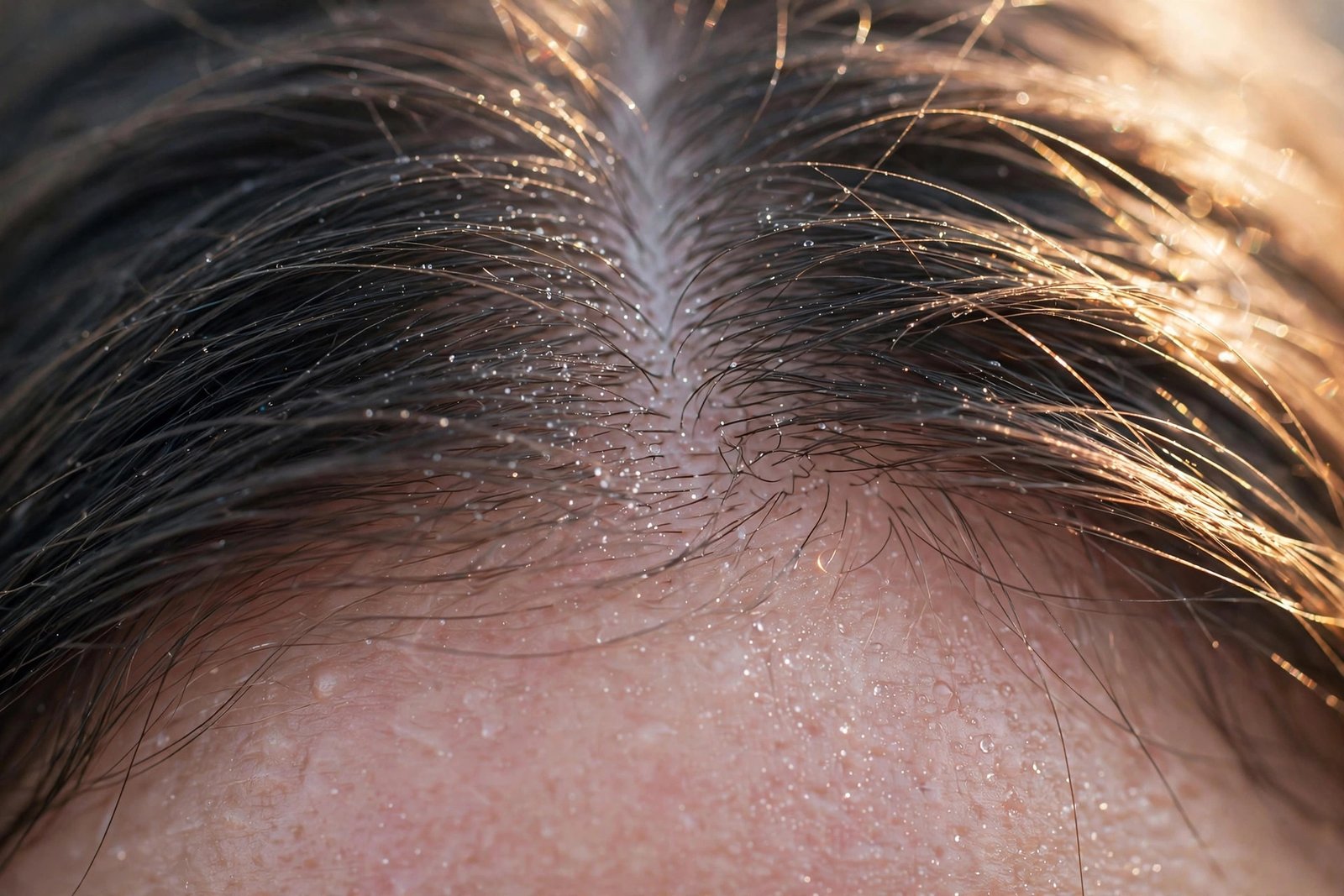
Most people protect their face, arms, and shoulders before heading into the sun — then completely forget the strip of skin running right down the middle of their head. The scalp is one of the most overlooked areas in sun protection, and sunburns there are both surprisingly common and uniquely miserable: they sting, they itch as they peel, and flakes of peeling skin settle into your hair.
Scalp sun protection has quietly become one of the rising trends in sun care, and for good reason. Awareness is finally catching up to the fact that thinning hairlines, wide parts, and high buns expose delicate skin that has spent most of its life under cover — which means it burns fast and heals slowly. The good news is that sunscreen formulas designed specifically for the scalp solve the old complaint of greasy, weighed-down hair. This guide covers why the scalp burns, which formulas actually work for hair, and how to apply and reapply without wrecking your style.
Key Takeaways
- Your scalp skin is thin, often pale, and burns easily — especially along the part line, hairline, and crown.
- Scalp sunscreens come as sprays, mists, powders, and sticks; each suits different hair types and styles.
- Apply 15–20 minutes before sun exposure and reapply every 2 hours, just like face sunscreen.
- Physical barriers (hats, scarves, UV-protective hair products) are excellent backup — layer them with SPF.
- A burned scalp needs gentle care: cool rinses, soothing products, and no tight hairstyles until it heals.
Why Your Scalp Needs Sun Protection
The skin on your scalp behaves like the rest of your skin, with one big disadvantage: it rarely sees the sun, so it has very little natural tolerance built up. When it does get hit — at the beach, on a long walk, at an outdoor wedding — it burns quickly and painfully. Dermatologists also flag a longer-term concern: chronic, repeated UV exposure to the scalp and part line is linked to skin damage and can be a risk factor for skin cancer on the scalp, which is often caught later than on more visible skin because it hides under hair.
Certain situations raise the risk even more. If you part your hair in the same place every day, that line of skin is exposed daily and accumulates real damage over years. Hair thinning — at the crown or along the part — widens the exposed area. And anyone who has ever burned their scalp knows the aftermath: tenderness that makes brushing or sleeping uncomfortable, itching as the skin dries out, and then peeling that flakes through your hair like snow.
Protecting the scalp used to mean choosing between a hat and greasy sunscreen. Today’s scalp-specific formulas are built for this exact problem: lightweight, quick-drying, and designed not to alter your hair. If you’re just starting to take sun protection seriously, the beginner-friendly approach to sunscreen basics covers SPF ratings and how much to use across the rest of your skin.
The 4 Types of Scalp Sunscreen (and Who Each Suits)
1. Scalp Sunscreen Sprays
Lightweight aerosol or pump sprays are the most popular scalp sunscreen format — and for good reason. They mist evenly over the part line and hairline without requiring you to rub product in with your fingers, which keeps hair looking clean. Look for alcohol-based or quick-dry formulas labeled for scalp or hair use; they evaporate fast and leave minimal residue.
Best for: most hair types, anyone who wears a defined part, and outdoor activities where reapplication needs to be quick. To apply, hold the spray about 6 inches from your part and mist along the line, then lightly along your hairline. Let it dry for a minute before touching your hair.
2. Powder Sunscreens
Loose or pressed sunscreen powders brush onto the scalp with a puff or built-in brush applicator. They double as oil absorbers, so they’re genuinely beloved by people with fine or oily hair — the powder mattifies the roots while it protects, which can actually extend your time between washes.
Best for: fine, thin, or oily hair, and touch-ups throughout the day. The main limitation is coverage: powders apply sheerly, so dermatologists generally recommend them as a reapplication tool rather than your only line of defense. Layer a spray first, then refresh with powder.
3. Scalp SPF Mists
Mists sit between sprays and setting sprays — ultra-fine, watery formulas in pump bottles that feel like nothing on the hair. Many include UV filters plus hair-friendly ingredients, so they don’t leave the scalp tight or dry. They’re especially popular for beach days and travel because they’re non-aerosol and packable.
Best for: dry or color-treated hair, and anyone sensitive to the feel of aerosol sprays. Because they’re so light, reapply generously — a few spritzes may not deliver the labeled SPF if coverage is thin.
4. Sunscreen Sticks
Solid SPF sticks glide directly onto the part line and around the hairline with precision. They’re mess-free, easy to carry, and let you target exactly the exposed skin without coating nearby hair. Many people use a stick as their precision tool alongside a spray for broader coverage.
Best for: hairline touch-ups, short hairstyles, and travel (no liquid restrictions). The methods that keep your makeup intact while adding SPF includes stick and compact techniques that transfer surprisingly well to scalp touch-ups, since the goal is the same: SPF without disturbing what you’ve already styled.
How to Apply Sunscreen to Your Scalp (Step by Step)
The biggest mistake people make with scalp sunscreen is treating it like a quick spritz-and-go. SPF only works at the stated strength when coverage is adequate. Here’s the routine dermatologists recommend:
- Start with clean, dry hair. Apply scalp sunscreen 15–20 minutes before going out, the same lead time face sunscreen needs to form a protective film.
- Work in sections. If you wear a middle part, mist directly along it. For a side part, apply along the part and the wider exposed strip of scalp beside it. Don’t forget the hairline, the tops of the ears, and the back of the neck if your hair is up.
- Use enough product. A single light mist isn’t enough — go over each exposed strip twice. With powders, load the applicator fully and press rather than dust.
- Let it set. Give the product a minute or two to dry before touching your hair or putting on a hat, so you don’t wipe the protection away.
- Reapply every 2 hours — sooner after swimming or heavy sweating. Powder formulas make this step nearly invisible in hair, which is why they earn their place as reapplication tools.
If you’re applying sunscreen near your face, watch for white cast along the hairline — a real concern with mineral formulas. Choosing formulas matched to your skin and hair matters here; the guidance on picking sunscreen without a white cast walks through the same mineral-vs-chemical and tint considerations that apply along the hairline, regardless of gender.
Common Scalp Sunscreen Mistakes
- Using face or body sunscreen directly on the scalp. It works in a pinch, but thick creams flatten hair and feel greasy. Scalp formulas exist for this reason.
- Skipping the hairline and ears. The ears and hairline are among the most common sites for skin damage — they stick out and catch sun from multiple angles.
- Assuming hair protects the scalp. Hair provides roughly the equivalent of SPF 1–3 depending on thickness — essentially nothing. Dense hair helps, but any part, thinning area, or pulled-back style defeats it.
- Relying on a hat alone. Hats are excellent, but they shift, they get taken off for photos, and many don’t shade the part line when the head tilts. Layer sunscreen underneath.
- Forgetting reapplication. Scalp sunscreen sweats off and gets absorbed like any other SPF. Set a phone reminder for outdoor days.
If you have combination skin concerns alongside scalp protection — an oily T-zone but a scalp that feels dry, for example — it’s completely fine to use different formulas for your face and your scalp. Matching texture to each area gives you the best compliance, and the sunscreen you’ll actually reapply is the one that works.
What to Do If Your Scalp Gets Sunburned
Even careful people miss a spot sometimes. If your scalp burns, treat it gently: rinse with cool (not cold) water, avoid hot styling tools and tight hairstyles that tug at tender skin, and skip harsh shampoos for a few days. Aloe-based or fragrance-free soothing products help, and an over-the-counter anti-inflammatory can ease the pain of a bad burn. Resist the urge to pick at peeling skin — peeling is the skin healing itself, and picking at it prolongs the process and can irritate follicles.
Watch for warning signs that warrant medical attention: severe blistering, intense swelling, or a burn that doesn’t improve after several days. And once the burn heals, make SPF a permanent part of your outdoor routine — a burn is a clear signal that your current protection isn’t enough.
Frequently Asked Questions
Can I use regular sunscreen on my scalp?
You can in a pinch — any SPF is better than none — but regular creams are thick, greasy, and flatten hair, which is why most people don’t reapply them. Scalp-specific sprays, powders, and mists are designed to deliver the same UV filters without the heavy feel, so they’re worth the switch for daily or frequent use.
Does hair protect the scalp from the sun?
Barely. Hair’s UV protection is estimated at roughly SPF 1–3 depending on thickness, color, and coverage — and any part, thinning patch, or updo creates exposed lines of skin that burn just like the rest of you. Consider hair a very light filter, not a sunscreen.
How often should I reapply scalp sunscreen?
Every 2 hours during continuous sun exposure, and sooner after swimming or sweating heavily. Powders are the easiest format for touch-ups because they absorb oil and don’t disturb your style.
Are powder sunscreens enough protection for the scalp?
They’re best used as a reapplication tool rather than your primary defense, since they apply sheerly and coverage can be uneven. Start outdoor time with a spray or mist for solid coverage, then maintain it with powder throughout the day.
What about sunscreen for a shaved or thinning head?
If your hair is very short, buzzed, or thinning, your scalp gets near-direct sun exposure — treat it exactly like facial skin and use your regular face sunscreen there, since greasiness isn’t a concern. This is the area where consistent daily SPF matters most.
Do UV-protective hair products replace scalp sunscreen?
No. Most UV hair products protect the hair shaft from dryness and color fading — they don’t carry the SPF needed to protect skin. Use them for hair health, but layer an actual SPF product on exposed scalp skin.
Final Thoughts
Scalp sunburn is one of those annoyances that feels completely avoidable once you know it exists — and with today’s lightweight formulas, avoiding it doesn’t mean sacrificing your hair to a greasy mess. Pick a format that suits your hair type, apply it like you mean it, reapply through the day, and back it up with a hat when you can. Your part line will thank you — and so will your dermatologist.
Love this? Pin it for later!