Patchy Beard? How to Fix Uneven Beard Growth
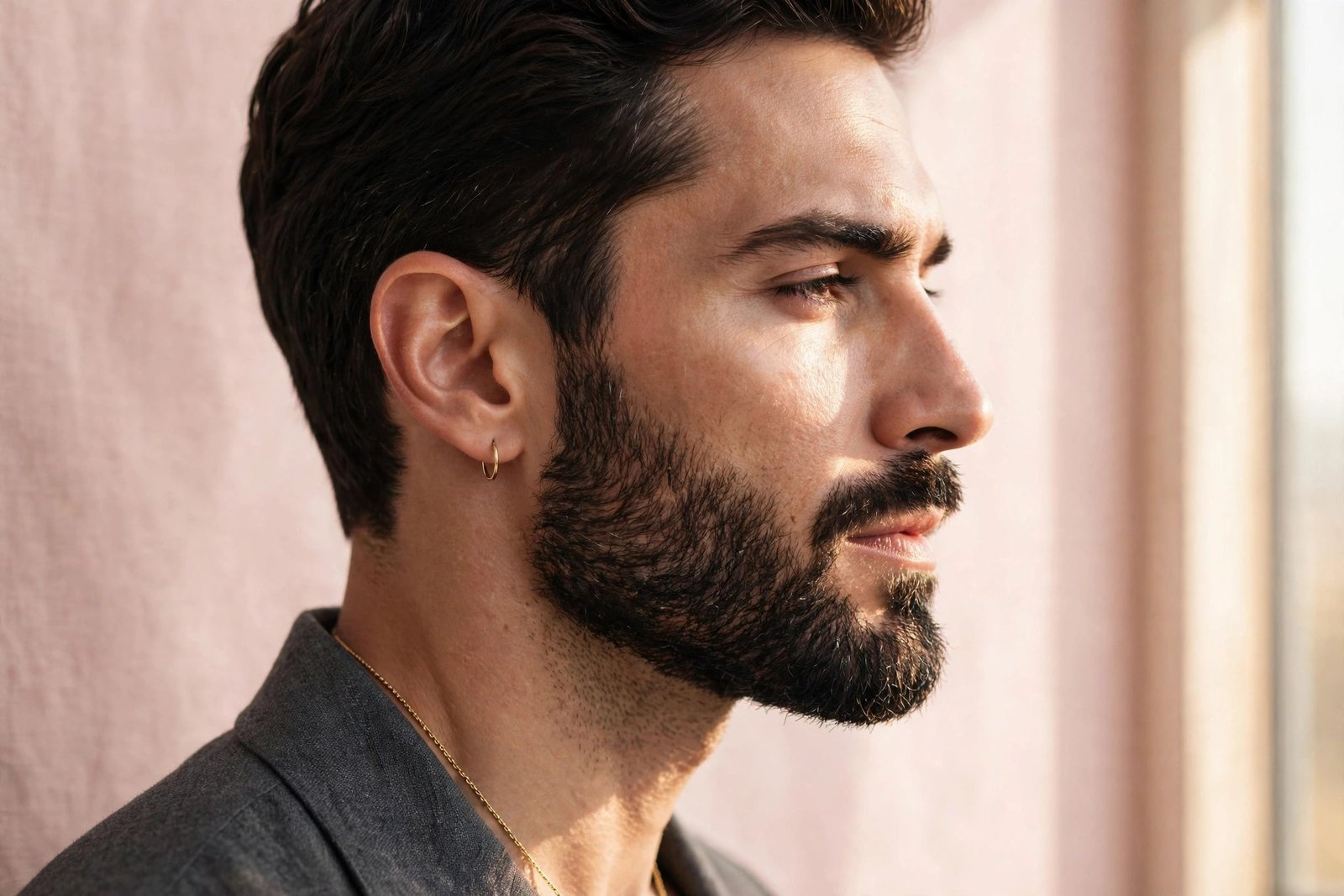
Few things are more frustrating for a new beardsman than watching your beard grow in unevenly — thick around the chin, sparse on the cheeks, with random thin spots that seem to refuse to fill in. If you’re dealing with patchy beard growth, here’s the good news first: it is one of the most common beard concerns, and in the vast majority of cases, it improves significantly with time and the right approach. A patchy start is not a verdict on your final beard.
Before we dive into fixes, it’s worth setting expectations honestly. Beard density is largely determined by genetics and hormones, and no grooming product can rewrite your DNA. But what products and habits can do is optimize everything within your control: the health of your skin, the condition of each hair, the way your growth is trimmed and shaped, and how patiently you let things fill in. Many beards that look thin at week three look impressively full at month four. The biggest mistake beginners make is giving up too early — often right before the beard would have turned the corner.
If you’re just starting your beard journey overall, our complete beard grooming routine for beginners covers washing, oiling, and brushing — the foundation everything here builds on.
Key Takeaways
- Patchy beard growth is almost always normal and largely genetic — most beards fill in significantly between months two and four.
- The most common fix is simply more time: growing for 12–16 weeks before judging density changes the picture for most men.
- Health basics matter more than miracle products: sleep, nutrition, skin care, and reducing inflammation under the beard.
- Grooming tricks — strategic trimming, brushing direction, and choosing the right style — can hide patches while growth catches up.
- Choosing a beard style that suits your face shape can make uneven growth look intentional instead of accidental.
Why Your Beard Grows in Patchy (The Real Causes)
Genetics are the blueprint
Beard density, hair thickness, and the pattern of your growth are set by your genes. Some men grow thick cheek hair early; others develop cheek coverage in their late twenties or early thirties. This is also why beards run in families — if your father or brother grew into full coverage later, there’s a good chance you will too. Genetics decide the ceiling; everything else is about reaching it.
Hormones and age
Testosterone and its more potent derivative, DHT, drive beard growth. Men with lower DHT sensitivity in their facial follicles simply grow less. Age plays a big role too: many men don’t reach full beard maturity until around age 30, and some keep gaining density into their mid-thirties. If you’re under 30 and patchy, time may literally be the active ingredient.
Growth cycles and uneven timing
Hair grows in cycles — active growth (anagen), transition (catagen), and rest (telogen). Not all follicles are on the same schedule, so it’s completely normal for some areas to look thin while neighboring follicles are in a full growth phase. This is a big reason patches appear and disappear: follicles that were resting eventually wake up.
Skin health under the beard
Dry, flaky, or inflamed skin weakens the environment your hair grows in. Dandruff-like flakes (beardruff), ingrown hairs, and clogged pores can all slow or stunt growth locally. This is the one cause you can directly influence, which is why a simple skincare routine for men is worth adopting even if your main interest is the beard.
Diet, sleep, and stress
Beard hair is keratin — protein. Chronic protein deficiency, poor sleep, and sustained stress all show up in hair quality. Stress raises cortisol, which can push hair follicles into the resting phase prematurely. Nobody’s beard improved because of one salad, but men who sleep well and eat adequate protein over months tend to see better growth overall.
The #1 Fix: Give It More Time Than You Think
The 12–16 week rule
The single most effective strategy for patchy beards is a longer growth period before shaping. Most beginners evaluate their beard at 3–4 weeks, when it’s at its most uneven-looking. By week 8, coverage often looks dramatically different; by week 12–16, many patches have filled in as slower follicles catch up and longer hairs cover thinner neighbors.
Commit to at least 12 weeks of uninterrupted growth before making any judgment about your final density. That means no big trims during this period — only minor cleanup of the neckline if you must. Think of it as a growth experiment where the only cost is patience.
What “letting it grow” actually looks like
Letting it grow doesn’t mean abandoning all maintenance. Keep washing and conditioning the beard, keep the skin moisturized underneath, and brush daily to train hairs to lie flat. What you’re not doing is trimming length off the top or sides, because every millimeter you cut removes the length that would eventually overlap and cover the patches.
Track progress with photos
Take a photo every two weeks from the same angles and lighting. Day-to-day you won’t notice gradual filling, but a photo timeline reveals the trend clearly. This also gives you objective evidence when you’re tempted to shave at week six — most men who keep the photos end up glad they waited.
Grooming Tricks That Make Patches Less Visible
Trim to your thinnest area, not your fullest
When you shape a patchy beard, trim the full-length areas down toward the density of the thin areas rather than trying to blend the patches up. A slightly shorter, even-looking beard reads as intentional. A long beard with obvious thin gaps reads as accidental. Length hides unevenness only after you’ve grown enough to layer — until then, evenness wins.
Brush and train the hair
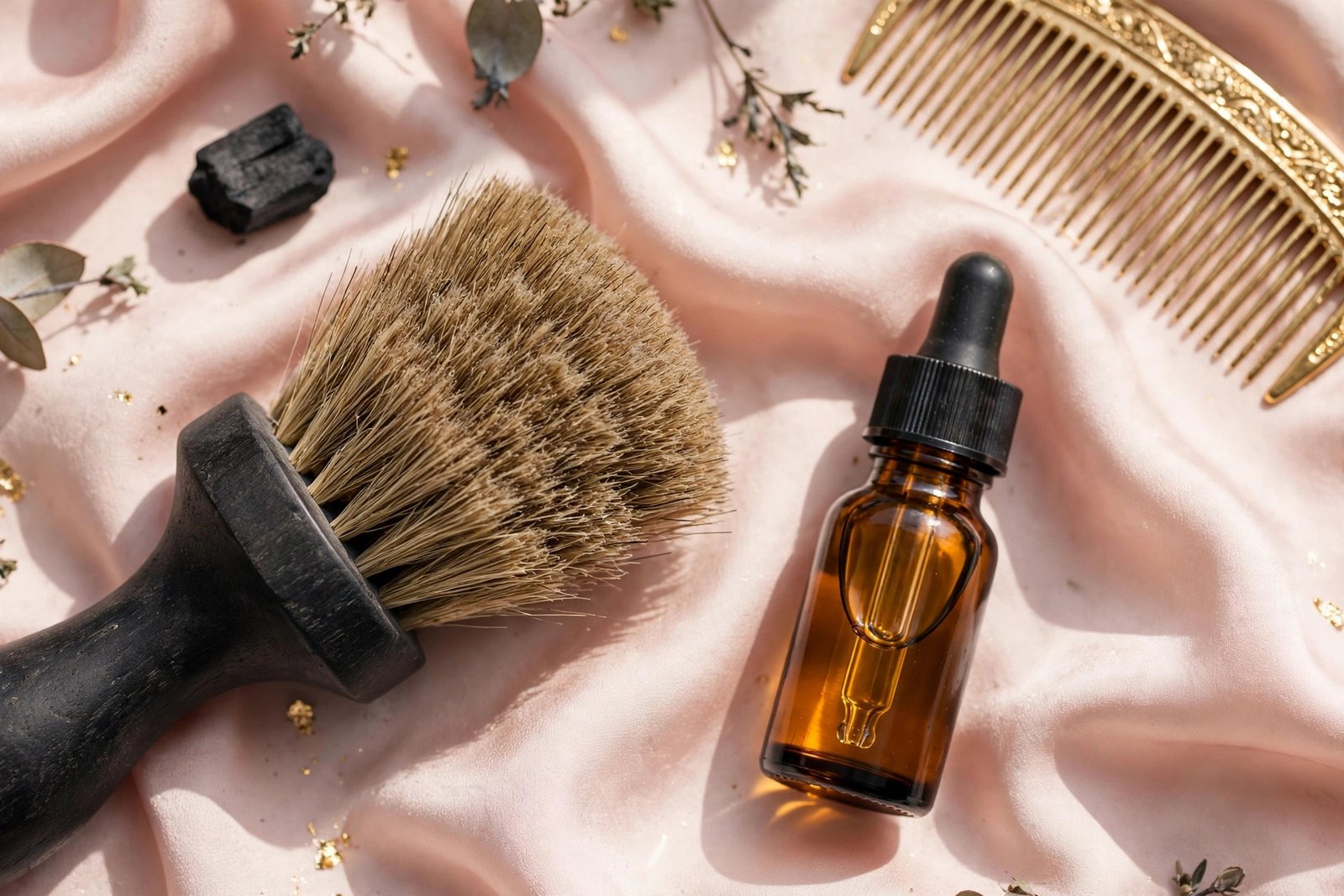
A boar-bristle brush is your best friend for patchy growth. Brush downward and slightly outward daily; over weeks, hairs train to lie flat and overlap the gaps. Brushing also exfoliates dead skin and distributes natural oils through the beard, improving hair health. Do it for a couple of minutes each morning — it’s low effort with real payoff.
Use beard balm for control, not miracles
Beard balm’s hold helps coax hairs over thin spots, and its waxes add a bit of fullness to each strand’s appearance. It won’t create new hair, but it does make existing hair look thicker and more deliberate. Apply a pea-sized amount, warmed between your palms, working it through evenly.
Style choices that flatter uneven growth
Some styles are simply more forgiving of patchiness than others. Shorter, shaped styles — a neat short boxed beard, a defined goatee-and-chin combo, or a well-kept stubble — look sharp with less density. Long, flowing styles demand fullness. Picking a beard style matched to your face shape while accounting for your density gives you a style that flatters what you actually have, not what you wish you had.
Habits and Products That Support Healthier Growth
Wash, but don’t over-wash
Clean the beard 2–3 times a week with a gentle beard wash or mild cleanser. Over-washing strips natural oils, leaving hair brittle and skin dry — both of which make patchy areas look worse. If you work a dusty or sweaty job, rinse with water on off days rather than shampooing daily.
Moisturize skin and hair
Dry skin under the beard causes flakes and itch, and itching leads to scratching, which damages hair. A few drops of beard oil massaged into the skin daily keeps the foundation healthy. This pairs naturally with the full beginner beard grooming routine — washing, oiling, and brushing done consistently beats any single “growth” product.
What about minoxidil and growth serums?
Minoxidil is the most-studied option for stimulating facial hair growth, and dermatologists do prescribe it off-label for patchy beards. But it requires months of consistent use, the results fade if you stop, and it can cause skin irritation, dryness, and initial shedding. It also interacts with certain conditions and medications. This is a conversation to have with a dermatologist — not a casual purchase decision. Be skeptical of any “beard growth oil” claiming to regrow hair; cosmetic oils condition hair, they don’t create follicles.
Don’t fall for miracle claims
The beard market is full of bold promises — “grow a full beard in 30 days,” “activates dormant follicles.” No topical cosmetic product can create follicles where none exist. What products can do: improve hair health, reduce breakage, calm irritated skin, and make existing hair look fuller. Set your expectations there and you’ll never be disappointed by a product again.
When to See a Dermatologist
Most patchiness is normal, but a few patterns deserve professional attention. See a dermatologist if you notice:
- Circular bald patches with smooth, hairless skin — this can be alopecia areata, a treatable autoimmune condition.
- Redness, scaling, or scarring in patchy areas — scarring conditions can permanently damage follicles if untreated.
- Sudden new patchiness after years of full growth — new, rapid hair loss warrants a checkup.
- Patchy growth paired with other symptoms like unusual fatigue or skin changes, which can point to hormonal or thyroid issues worth investigating.
A dermatologist can also honestly assess whether prescription options like minoxidil make sense for your situation — far more useful than guessing from internet reviews.
Frequently Asked Questions
Will a patchy beard ever fill in?
For most men, yes — substantially. The most dramatic filling happens between months two and four of uninterrupted growth, and many men continue gaining density into their thirties. Give it at least 12–16 weeks before deciding. That said, genetics set the final density; if your close relatives stayed patchy, yours may too, and the smart move is a style that flatters your actual growth.
Does shaving make your beard grow back thicker?
No — this is the most persistent beard myth. Shaving cuts hair at its thickest point, so regrowth feels stubblier, but it doesn’t change the number of follicles, growth speed, or thickness. Shaving a patchy beard resets your progress to zero without improving anything. Grow through the awkward phase instead.
How long should I grow before deciding on a style?
Wait until at least week 10–12 before committing to a final style. Before that, stick to neckline cleanup and light evening-up. Once you can see your true density, choosing one of the best beard styles for your face shape becomes much easier because you’re styling what you actually have.
Do beard growth vitamins work?
Biotin and multivitamin blends only help if you’re genuinely deficient in something — which most people eating normally aren’t. No supplement has strong evidence for creating new facial hair in healthy men. Save your money; invest it in a good brush, oil, and patience instead.
Can I hide patches while growing?
Yes. Brush hairs over thin spots daily, keep overall length even rather than long, use a little balm for hold and fullness, and consider a shorter style (boxed beard, neat stubble) that needs less density. Avoid harsh overhead lighting in photos — soft, frontal light flatters beards dramatically.
Conclusion
A patchy beard is a phase for most men, not a life sentence. The proven path is unglamorous but effective: grow for 12–16 weeks without judging, keep the skin and hair healthy with consistent basic care, use trimming and styling to flatter what you have, and ignore the miracle-product noise. If a few stubborn spots remain, choose a style built for your face shape and density — confidence and good grooming read louder than perfect coverage. Start with the full beard grooming guide for beginners to build the routine, add a men’s skincare routine to keep the foundation healthy, and give your beard the time it deserves.
Love this? Pin it for later!