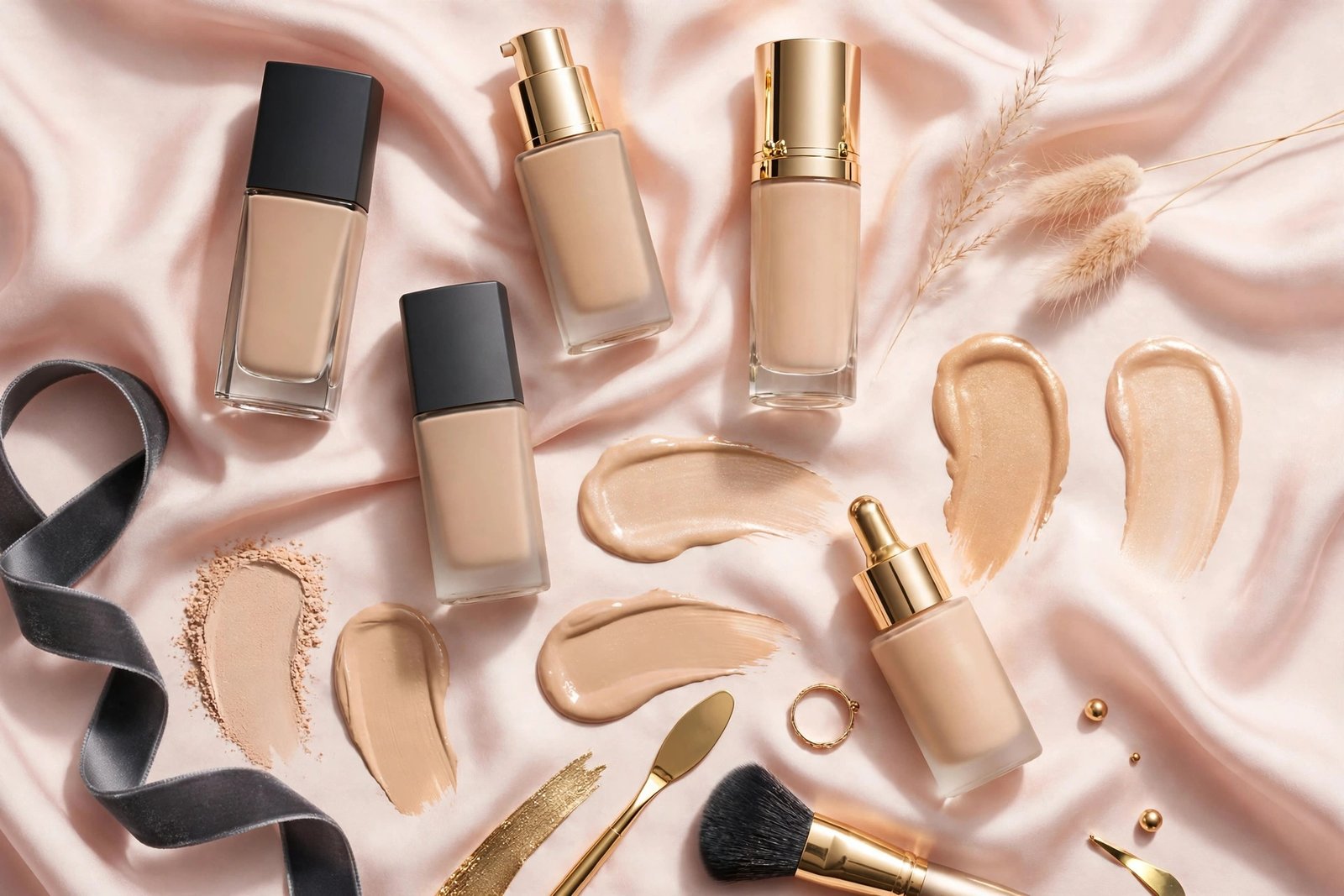
Foundation Finishes Explained: Matte, Dewy, Satin & Natural
Walk into any makeup aisle and you’ll see the same words over and over: matte, dewy, satin, natural. They’re printed on foundation bottles like they should be obvious — but if you’re new to makeup, they can be genuinely confusing. Is dewy the same as oily? Does matte mean flat and lifeless? And what on earth is a “natural” finish?
These words describe a foundation’s finish — the way it looks on your skin after it’s applied and settled. Finish is separate from coverage (how much the foundation hides) and separate from formula (whether it’s liquid, powder, or cream). It’s one of the biggest factors in whether your makeup looks like skin or like a mask, which is why understanding the options matters so much.
This guide breaks down the four main foundation finishes — matte, dewy, satin, and natural — with honest detail about what each one actually looks like in real life, which skin types each flatters, and how to pick the right finish for your skin, your climate, and the look you want. If you’re also figuring out the basics, our guide on how to choose the right foundation formula for your skin type walks through the full decision process step by step.
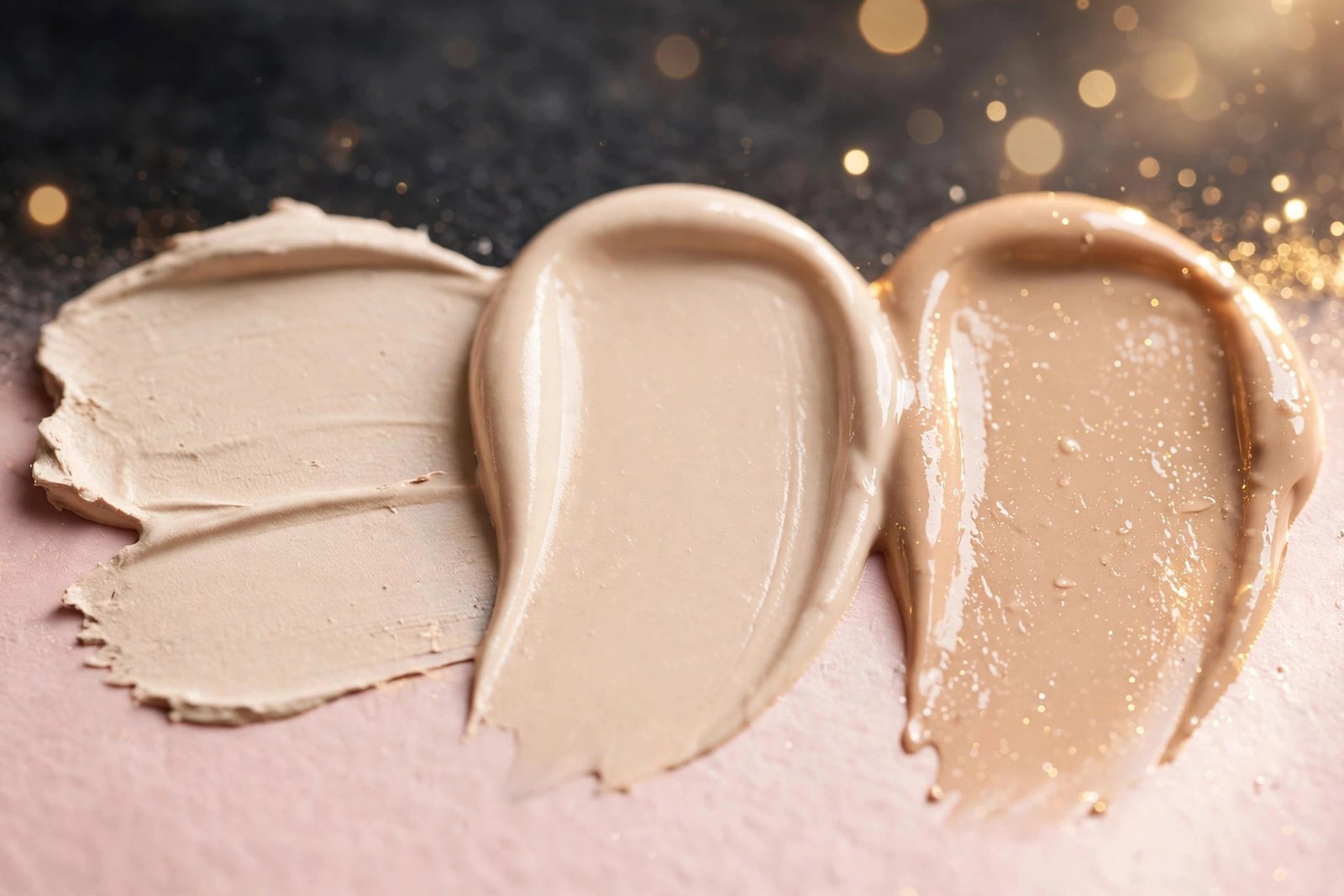
Key Takeaways
- Matte finishes look flat and shine-free — best for oily or combination skin, humid climates, and long-wear days.
- Dewy finishes look luminous and glow-from-within — best for dry, dull, or mature skin that needs radiance.
- Satin finishes sit between matte and dewy — a soft, skin-like glow that suits almost every skin type.
- Natural finishes are designed to be undetectable — the “your skin but better” effect, great for beginners and no-makeup looks.
- Finish and coverage are independent: you can get a matte sheer foundation or a dewy full-coverage one.
What Exactly Is a Foundation Finish?
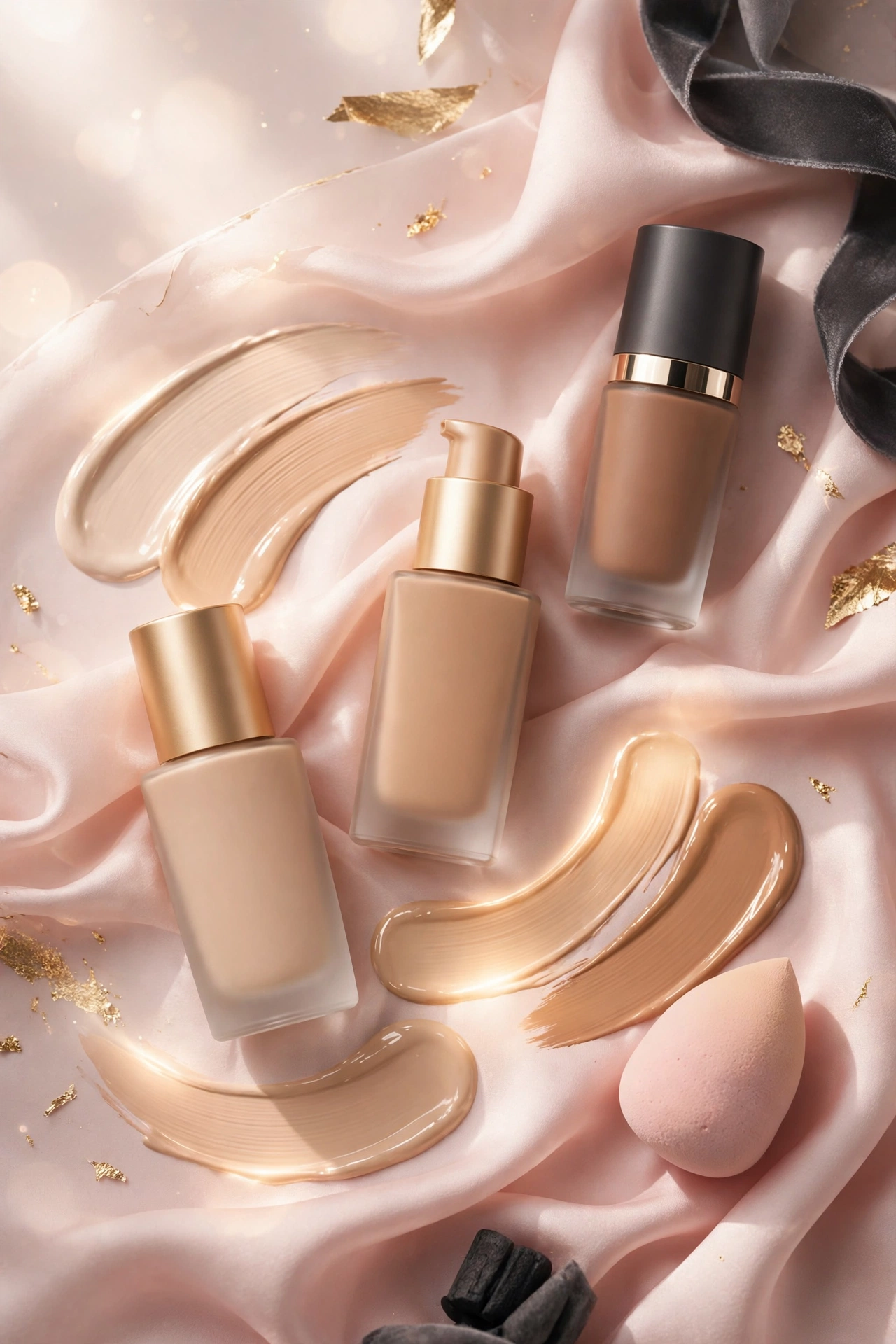
Finish refers to how much light your foundation reflects once it’s on your face. At one end of the spectrum, a matte finish absorbs light and looks flat. At the other end, a dewy finish bounces light back and looks luminous. Satin and natural finishes live somewhere in the middle.
Why does this matter? Because finish controls the illusion your makeup creates. The same shade of foundation can make oily skin look even shinier (with a dewy formula) or make dry skin look drier (with a matte formula). Matching the finish to your skin type is often more important than finding the perfect shade — a slightly imperfect shade in the right finish looks far better than a perfect shade in the wrong one.
Keep in mind that finish and coverage are two separate axes. Coverage is about opacity — how much redness, blemishes, or discoloration the foundation conceals. A foundation can be sheer with a matte finish, or full coverage with a dewy finish. To understand coverage properly, read our guide to sheer vs medium vs full coverage foundation before you shop.
Matte Foundation Finish
What It Looks Like
Matte foundation dries down flat with little to no shine. On the skin, it looks velvety and even — pores and texture appear minimized, and the overall effect is polished and put-together. In photos, matte foundations photograph beautifully because they don’t catch harsh reflections.
The downside is that some matte formulas can look a little lifeless or mask-like, especially on skin that’s dry or dehydrated. Modern matte foundations are much better than the flat, chalky versions of years past, but the category still skews toward full opacity and oil control.
Who It’s Best For
- Oily skin: Matte formulas typically contain oil-absorbing ingredients that keep shine at bay for hours. If your T-zone is glossy by midday, matte is usually your safest bet.
- Combination skin: A matte finish balances the oily zones without over-drying the rest of the face.
- Humid climates: Heat and humidity make every foundation look shinier, so matte formulas hold up better in summer or tropical weather.
- Long-wear days: Weddings, long workdays, and photoshoots favor matte or demi-matte formulas because they stay put.
Application Tips
Matte foundation sets quickly, so work in sections rather than dotting the whole face at once. A damp beauty sponge gives the most natural application; brushes can leave streaks with thick matte formulas. Prep is everything — moisturize well (even oily skin needs it), because matte foundation clings to dry patches and flaky texture. A mattifying primer on the T-zone adds extra insurance for very oily skin.
Dewy Foundation Finish
What It Looks Like
Dewy foundation looks luminous, radiant, and glow-from-within. It reflects light the way healthy, hydrated skin does — think lit-from-within rather than glittery or greasy. On camera and in person, a good dewy finish makes skin look younger and fresher.
The risk: on oily skin, dewy plus natural oil can read as shiny rather than glowing. And in very humid weather, dewy finishes can break down faster. But for the right skin type, nothing beats it.
Who It’s Best For
- Dry skin: Dewy formulas are usually hydrating and flexible, so they don’t settle into fine lines or cling to dry patches.
- Dull or tired-looking skin: The light reflection fakes the radiance that dehydration, poor sleep, or winter air steals.
- Mature skin: Dermatologists and makeup artists often recommend dewy or satin finishes over matte for mature skin, because matte can emphasize texture, fine lines, and dryness.
- Normal skin: If your skin is balanced, dewy finishes give that fresh, healthy look with minimal effort.
Application Tips
Skip heavy powder with dewy foundations — powdering the whole face defeats the purpose. If you need longevity, press a small amount of translucent powder only onto the T-zone and leave the cheeks and temples glowing. Setting spray is a better partner for dewy finishes than powder. For extra radiance, mix a drop of liquid highlighter into the foundation on the back of your hand before applying.
Satin Foundation Finish
What It Looks Like
Satin is the middle ground — not flat like matte, not luminous like dewy. It has a soft, subtle glow that looks like healthy skin on a good day. If matte is velvet and dewy is silk, satin is your favorite cotton shirt: comfortable, flattering, and hard to get wrong.
Many makeup artists call satin (or “demi-matte,” or “soft matte”) the most universally flattering finish because it doesn’t fight any skin type. It’s the finish most “your skin but better” foundations use.
Who It’s Best For
Honestly? Almost everyone. Satin finishes work well for:
- Combination skin that can’t decide between matte and dewy.
- Beginners who don’t yet know their skin’s behavior under makeup.
- Normal skin looking for an everyday, office-appropriate finish.
- Mature skin that wants radiance without emphasizing texture.
Satin is also the easiest finish to adjust. Dust a little powder over it and it leans matte; add a glow primer underneath and it leans dewy. That flexibility makes it the safest blind buy.
Application Tips
Satin foundations are the most forgiving to apply — fingers, sponge, or brush all work. They layer well, so you can sheer them out for light coverage or build them up where you need more. A light dusting of setting powder on the T-zone is usually all the setting a satin finish needs.
Natural Finish
What It Looks Like
A “natural” finish is designed to be undetectable — it mimics the look of bare skin with nothing on it. These foundations typically have light-to-medium coverage and a finish that’s neither deliberately matte nor deliberately glowy. They even out tone and blur minor imperfections while letting your skin’s real texture show through.
The natural finish is the backbone of the no-makeup makeup look. It won’t hide everything — that’s the point. What it does is make your skin look like itself, only more even.
Who It’s Best For
- Beginners who want makeup that doesn’t look like makeup.
- Good-skin days when you only need light evening-out, not full correction.
- Teen skin or anyone who wants minimal product on their face.
- Everyday wear where a polished-but-natural look is the goal.
Application Tips
Less is more — apply a thin layer and spot-conceal blemishes instead of layering foundation everywhere. Natural-finish foundations pair beautifully with cream blush and a tinted lip balm for the full fresh-faced effect. Because the coverage is lighter, choosing the right formula — liquid, powder, or cream — matters for how the product sits on your skin.
How to Pick Your Perfect Finish: A Skin-Type Guide
Use this quick reference to narrow it down:
| Skin type | Best finishes | Finishes to approach with caution |
|---|---|---|
| Oily | Matte, satin | Dewy (can look greasy by afternoon) |
| Dry | Dewy, satin | Matte (can cling to dry patches) |
| Combination | Satin, matte on T-zone | Very dewy all-over formulas |
| Sensitive | Satin, natural | Heavy matte (can feel drying) |
| Mature | Dewy, satin, natural | Flat matte (can emphasize lines) |
| Acne-prone | Matte, satin | Very dewy (shine + oil can look greasy) |
Beyond skin type, consider the occasion and the weather. Matte for a summer wedding outdoors; dewy for a winter dinner indoors. Many people keep two foundations — a matte or satin for daytime and a dewier one for evenings — and that’s completely reasonable.
One more thing: finish can be modified. A matte foundation applied over a hydrating primer looks more satin. A dewy foundation set lightly with powder looks more satin. Don’t be afraid to mix and adjust — the label on the bottle is a starting point, not a rule.
Common Finish Mistakes to Avoid
Choosing dewy when you’re very oily. It seems obvious, but many people pick dewy foundations because they look beautiful in the bottle or on a dry-skinned influencer. On oily skin, the result is often shine that photographs as grease by 2pm. If you have oily skin and love glow, a satin finish gives you radiance without the risk — or check our roundup of the best foundation for oily skin with long wear.
Going full matte on dry or mature skin. Matte formulas absorb oil — and dry skin has little oil to spare. The result can be foundation that looks tight, emphasizes flakes, and settles into every fine line. If your skin is dry, start with satin or dewy.
Powdering a dewy foundation all over. If you paid for a luminous finish, don’t bury it under a full face of powder. Target the powder where you actually get oily.
Assuming finish equals coverage. A matte foundation can be sheer; a dewy foundation can be full coverage. Always check both specs before buying — our foundation coverage guide explains how to read coverage claims.
Frequently Asked Questions
Is dewy foundation the same as oily-looking skin?
No — or at least, it shouldn’t be. A good dewy finish looks like light reflecting off hydrated skin: luminous, not greasy. If your dewy foundation looks oily by midday, the formula is probably too rich for your skin type, or you need a light powder on the T-zone. True dewiness stays in the “glow” zone; oiliness crosses into shine.
Can I wear matte foundation if I have dry skin?
You can, but it takes work. Use a rich moisturizer, a hydrating primer, and apply the matte foundation sparingly — or mix it with a drop of facial oil or dewy primer to soften the finish. That said, most dry-skinned people are happier long-term with a satin or natural finish.
What finish photographs best?
Matte and satin photograph most reliably because they don’t create unexpected hot spots under flash or bright light. Dewy finishes can look stunning in photos too, but they’re less predictable — a little extra powder on the forehead and nose before photos helps.
Does finish affect how long foundation lasts?
Indirectly, yes. Matte foundations tend to last longest because their oil-absorbing formulas resist breakdown. Dewy foundations tend to wear off faster, especially on oily skin or in heat. But primer, setting spray, and skin prep matter at least as much as the finish itself.
What’s the difference between satin and natural finishes?
They’re close cousins. Satin has a slightly more polished, perfected look with a soft glow; natural is deliberately undetectable and usually sheerer. Think of satin as “great skin” and natural as “your skin, evened out.”
Can I mix two finishes together?
Absolutely — makeup artists do it constantly. Mixing a matte foundation with a dewy one gives you a custom satin. Applying matte on the T-zone and dewy on the cheeks gives you the best of both. The bottle’s label is a suggestion, not a contract.
Conclusion
Foundation finish is one of those quiet details that makes an outsized difference. Matte keeps oily skin polished and shine-free. Dewy brings dry or dull skin back to life. Satin flatters nearly everyone with its balanced, skin-like glow. And natural gives you the undetectable, your-skin-but-better effect that’s perfect for everyday wear.
The best finish for you depends on your skin type, your climate, and the look you’re going for — and it can change with the seasons. Start with the skin-type guide above, don’t be afraid to experiment, and remember that finish is only one piece of the puzzle. Pair the right finish with the right coverage level and the right formula, and your foundation will finally look like it was made for your skin — because, in a sense, it was. For the complete picture, revisit our guide on how to choose the right foundation formula for your skin type and build your perfect base from there.
Love this? Pin it for later!