How to Treat an Oily T-Zone and Dry Cheeks: Zone-by-Zone Care Guide
Here’s the frustrating truth about having an oily T-zone and dry cheeks: most skincare advice assumes your whole face behaves the same way. “Use a stronger cleanser!” says the oily-skin advice — and your cheeks flake. “Layer a rich cream!” says the dry-skin advice — and your forehead shines like a mirror. When the two halves of your face need opposite things, generic advice doesn’t just fail — it actively makes one zone worse while fixing the other.
The solution isn’t a compromise product that’s mediocre for both zones. It’s zone-specific care: treating your T-zone and cheeks as the different skin types they are, within one streamlined routine. This guide covers exactly how — from multi-masking to zoned product application to the daily habits that keep both zones balanced. For the complete AM/PM framework this fits into, see the [skincare routine for combination skin → skincare-routine-for-combination-skin].
Key Takeaways
- An oily T-zone + dry cheeks is classic combination skin — the zones need different treatment, not compromise products
- Multi-masking (clay mask on T-zone, hydrating mask on cheeks) is the most effective weekly treatment
- Use BHA/salicylic acid on the T-zone for pores and blackheads; keep strong exfoliants off dry cheeks
- The “sandwich method” (light gel everywhere + rich cream on cheeks only) solves the moisturizer dilemma
- Niacinamide benefits both zones simultaneously — it’s the best single ingredient for this skin pattern
- Over-cleansing the T-zone causes rebound oil; gentle cleansing keeps both zones stable
- Blotting papers and targeted mattifying products manage T-zone shine without drying cheeks
Why Your T-Zone Is Oily and Your Cheeks Are Dry
Understanding the why makes the treatment strategy obvious. Your T-zone (forehead, nose, chin) contains a much higher density of sebaceous glands than your cheeks — in some areas, several times more per square centimeter. These glands produce sebum, your skin’s natural oil. More glands = more oil = larger-looking pores, more shine, and more tendency toward blackheads and breakouts.
Your cheeks have fewer oil glands and thinner skin in some areas, so they lose moisture faster and produce less protective oil. The result: tightness, dullness, flaking, and more visible fine lines when dehydrated.
Hormones drive the T-zone’s oil production (androgens stimulate sebaceous glands), which is why the T-zone is oiliest in the teens and 20s and often calms with age. Meanwhile, cheeks get progressively drier over time as natural moisturizing factors decline. Seasons amplify the split: summer heat ramps up T-zone oil, winter cold and indoor heating parch the cheeks.
None of this is a malfunction — it’s normal human skin variation. The treatment goal isn’t to make both zones identical (impossible), but to bring each into its own comfortable range.
The Zone-Specific Method: Core Principles
1. One gentle base, targeted extras. Your cleanser, hydrating toner, and sunscreen can be the same across the whole face — choose formulas that suit combination skin generally. The zone-specific work happens with treatments and moisturizers.
2. Treat the T-zone, nourish the cheeks. Active oil-control and pore-clearing ingredients go on the T-zone. Richer hydration and barrier support go on the cheeks. The middle ground (niacinamide, light hydration) goes everywhere.
3. Less is more on the T-zone. The T-zone needs fewer heavy layers, not more aggressive products. Thin, targeted, consistent beats thick and harsh.
4. Protect the cheeks from T-zone treatments. When applying clay masks, BHA, or mattifying products to the T-zone, keep them off the cheeks — or apply a hydrating layer to cheeks first as a buffer.
Multi-Masking: The Weekly Power Treatment
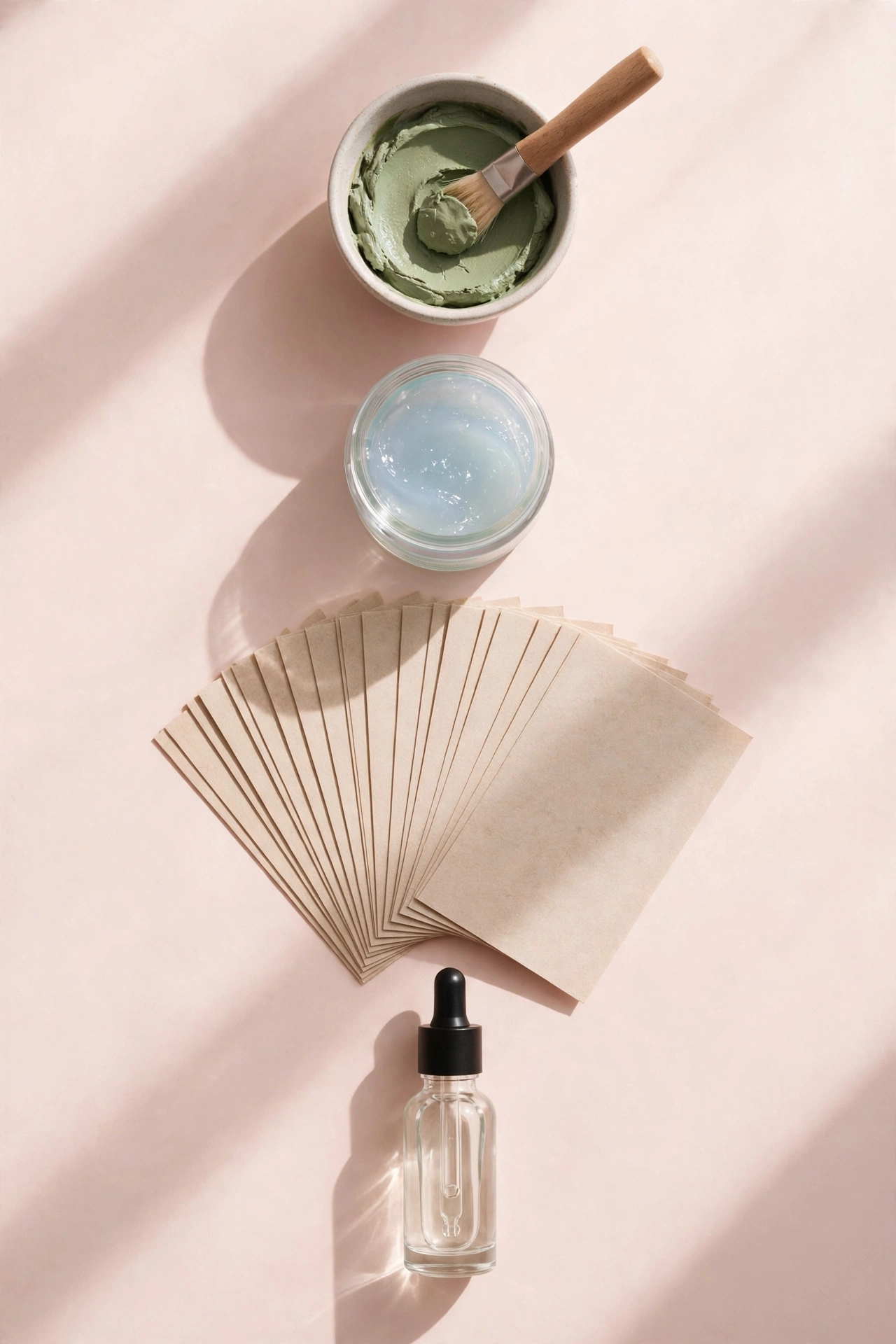
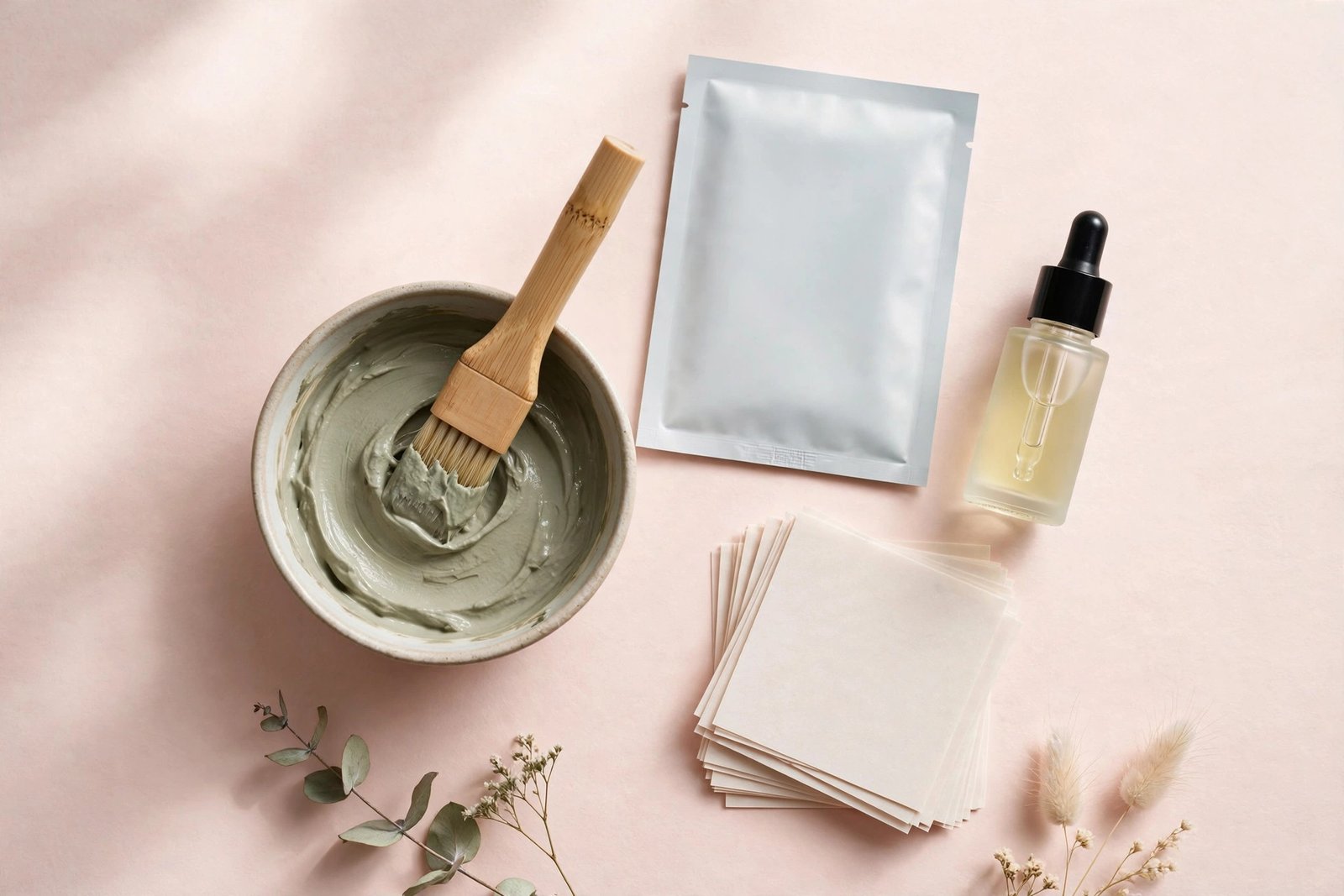
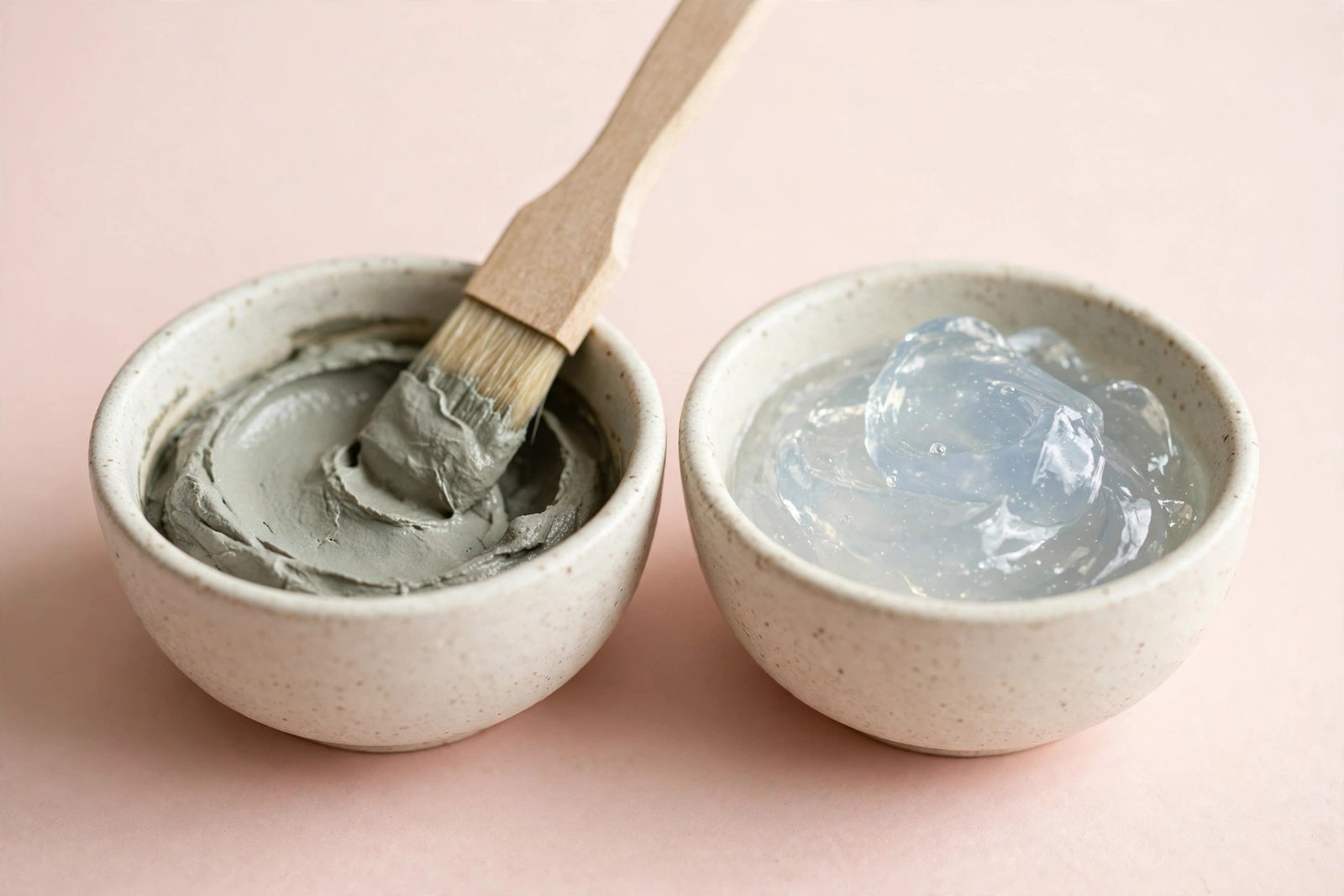
Multi-masking — applying different masks to different zones simultaneously — is the single most effective treatment for the oily-T-zone/dry-cheek pattern. It delivers exactly what each zone needs in one 10–15 minute session, once or twice a week.
For the T-zone: clay or charcoal mask. Clay (kaolin, bentonite) absorbs excess oil and draws out pore congestion. Apply a thin layer to the forehead, nose, and chin. Don’t let it dry to the cracking stage — when clay dries completely it can dehydrate even oily skin. Remove when it’s almost dry, around the 10-minute mark.
For the cheeks: hydrating or cream mask. Hyaluronic acid, glycerin, aloe, or ceramide-based masks flood dry cheeks with moisture. Sheet masks work beautifully here — you can even cut a sheet mask to fit just the cheek area, or apply a cream mask to cheeks while clay works on the T-zone.
The technique:
1. Cleanse as usual.
2. Apply the hydrating mask or a layer of hydrating serum to the cheeks first (this also buffers them in case clay migrates).
3. Apply the clay mask to the T-zone, keeping a small margin away from the cheek boundary.
4. Relax 10–12 minutes. Mist your face lightly if the clay starts drying too fast.
5. Rinse with lukewarm water, then continue with toner, serum, and moisturizer.
Frequency: Once a week is plenty for most people; very oily T-zones can go twice. If your cheeks are sensitive, patch-test new masks — the cheek area reacts more readily than the T-zone.
Daily Zone-by-Zone Treatments
T-Zone Treatments
Salicylic acid (BHA), 1–2x per week: The gold-standard T-zone treatment. BHA is oil-soluble, so it penetrates into pores and dissolves the sebum plugs behind blackheads and congestion. Apply a BHA liquid or serum to the forehead, nose, and chin only, in the evening. Start once weekly; twice is the max for most people.
Niacinamide serum (daily): The rare ingredient that serves both zones — it helps regulate sebum in the T-zone while strengthening the barrier everywhere. A 4–5% niacinamide serum applied to the whole face, morning or night, is the highest-value daily step for this skin pattern. (More on how it compares to BHA in [niacinamide vs salicylic acid → niacinamide-vs-salicylic-acid-oily-skin].)
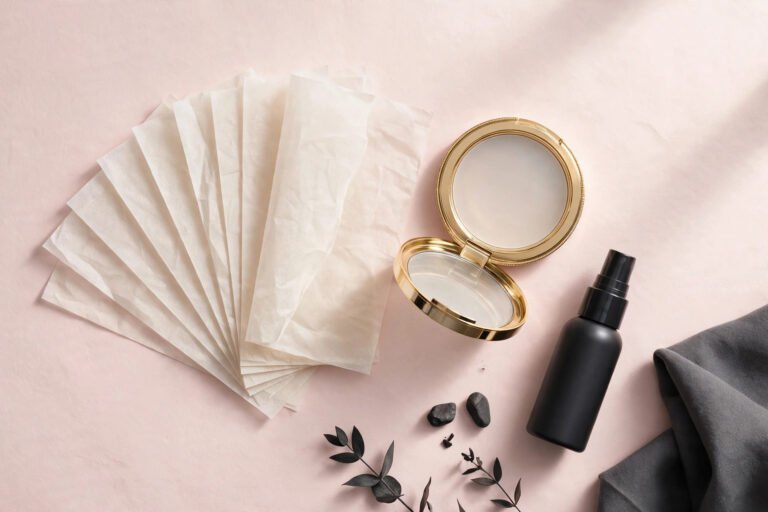
Oil-absorbing products (as needed): Blotting papers for midday shine, a mattifying moisturizer or primer on the T-zone under makeup. These manage the symptom (shine) while BHA and niacinamide address the cause (excess sebum).
What NOT to do to the T-zone: Daily harsh scrubbing, alcohol-based toners used all over, picking at blackheads (use BHA consistently instead — it clears them without damage), or skipping moisturizer (dehydration triggers rebound oil).
Cheek Treatments
Layered hydration: Cheeks thrive on the layering method — hydrating toner, then hyaluronic acid serum on damp skin, then moisturizer. Each thin layer adds water without heaviness.
Richer moisturizer, zoned: Apply your regular gel-cream everywhere, then press a richer cream into the cheeks only. This “sandwich” gives cheeks the nourishment they need without greasing the T-zone. The [best moisturizers for combination skin → best-moisturizer-for-combination-skin] includes options for both layers.
Barrier support: Ceramide serums or creams help dry cheeks retain moisture. If cheeks are flaky, the barrier is likely compromised — scale back actives everywhere for a week and focus on ceramides, glycerin, and squalane.
Gentle exfoliation (if needed): If cheeks are flaky or dull, a gentle AHA (lactic or mandelic acid) once a week smooths them — but never on the same night as T-zone BHA when you’re starting out. Flaky cheeks often improve with better hydration alone, so try that first.
Facial oil (optional, cheeks only): A few drops of squalane or jojoba pressed into cheeks as the final PM step seals in everything beneath. Keep oils off the T-zone unless you’ve confirmed your skin tolerates them there.
The Sandwich Method: Solving the Moisturizer Dilemma
The eternal combination-skin question — “what moisturizer do I use?” — has a practical answer:
- Base layer (whole face): A lightweight gel or gel-cream moisturizer. This hydrates the T-zone adequately and gives cheeks their first layer.
- Top layer (cheeks only): A richer cream, facial oil, or sleeping mask pressed into the cheeks, jawline, and any dry patches. Avoid the T-zone entirely.
Morning version: gel-cream everywhere + a touch more on cheeks if needed, then sunscreen. Evening version: gel-cream everywhere + richer cream or oil on cheeks. That’s it — no need for two full routines, just one extra 10-second step.
Makeup Strategies for Split-Zone Skin
Makeup is where the T-zone/cheek divide shows most visibly — foundation sliding off the nose while clinging to cheek flakes. The fixes:
- Zone your primer: Mattifying primer on the T-zone, hydrating primer on cheeks. This one trick solves most combination-skin makeup problems.
- Set selectively: Translucent powder pressed into the T-zone only; leave cheeks powder-free.
- Blot before powdering: Midday, lift oil with blotting papers first — layering powder over oil creates cake.
- Choose satin-finish foundations: The [best foundations for combination skin → best-foundation-for-combination-skin] are all selected for this exact challenge.
Lifestyle Factors That Affect the Balance
Skincare isn’t the whole picture. These factors shift the T-zone/cheek balance noticeably:
- Diet: High-glycemic diets are associated with increased sebum production in some studies. You don’t need a restrictive diet, but stable blood sugar seems to help oily zones.
- Stress: Cortisol spikes increase oil production — the T-zone often gets worse during stressful periods while cheeks stay the same.
- Sleep: Poor sleep impairs barrier recovery, which hits the drier cheeks hardest.
- Climate and heating: Dry indoor air in winter devastates cheeks; humidity in summer supercharges the T-zone. Adjust your routine seasonally rather than fighting the weather with the same products.
- Touching your face: Hands transfer oil and bacteria primarily to — you guessed it — the T-zone, since that’s where people touch most. Keep hands off, clean your phone screen regularly.
When to See a Dermatologist
Zone-specific care handles typical combination skin. See a dermatologist if you have: persistent painful breakouts concentrated in the T-zone that don’t respond to 8–12 weeks of consistent BHA + niacinamide; cheeks that are red, stinging, or flaking despite gentle barrier-focused care (could be eczema, rosacea, or dermatitis, not just dryness); or sudden dramatic changes in oil production or dryness, which can signal hormonal shifts worth investigating.
Frequently Asked Questions
Can I ever make my T-zone and cheeks behave the same?
Not really — and that’s fine. The gland-density difference is anatomical. The goal is comfortable balance in each zone, not uniformity. Well-managed combination skin looks great; it’s only a problem when one zone is neglected.
Is multi-masking just a marketing gimmick?
No — it’s genuinely the most logical way to treat two different skin behaviors at once. The “gimmick” version is buying expensive pre-packaged multi-mask kits; the effective version is simply using a clay mask you own on the T-zone and a hydrating mask you own on the cheeks, at the same time.
How long before zone-specific care shows results?
T-zone congestion (blackheads, enlarged pores) typically improves within 3–4 weeks of consistent BHA use. Cheek dryness often improves faster — within 1–2 weeks of layered hydration and zoned moisturizing. Full balance takes 6–8 weeks of consistency.
Should I use different cleansers for each zone?
Almost never necessary. One gentle gel cleanser for the whole face is ideal — the problems come from harsh cleansers, not from using one cleanser. If your T-zone is extremely oily, you can do a slightly longer massage on the T-zone during cleansing rather than switching products.
Can combination skin use retinol?
Yes — retinol benefits both zones (refines T-zone pores, improves cheek texture). Apply to the whole face 2–3 nights a week, buffer with moisturizer on the cheeks if they’re sensitive, and never combine with BHA on the same night when starting out.
Your T-zone and cheeks aren’t enemies — they’re just different, and different is manageable once you stop treating them as one. Start with multi-masking once a week, zone your moisturizer with the sandwich method, and let niacinamide do the all-over balancing work. The full framework lives in the [combination skin routine guide → skincare-routine-for-combination-skin].
skincare routine for combination skin
best moisturizer for combination skin
best foundation for combination skin
best sunscreen for combination skin
niacinamide vs salicylic acid
Love this? Pin it for later!