Does Biotin Work for Hair Growth? What Science Actually Says
Biotin gummies are everywhere — candy-flavored, Instagram-friendly, and promising thicker hair in weeks. But does biotin actually work for hair growth, or is it one of the beauty industry’s most successful marketing stories? The answer is more nuanced than either the ads or the skeptics suggest.
This guide looks at what biotin is, what the research actually shows, when supplementation makes sense, the little-known side effect that can distort your blood tests, and which nutrients matter more for most people with hair fall. For the full hair fall picture, see our hair fall control complete guide.
What Is Biotin?
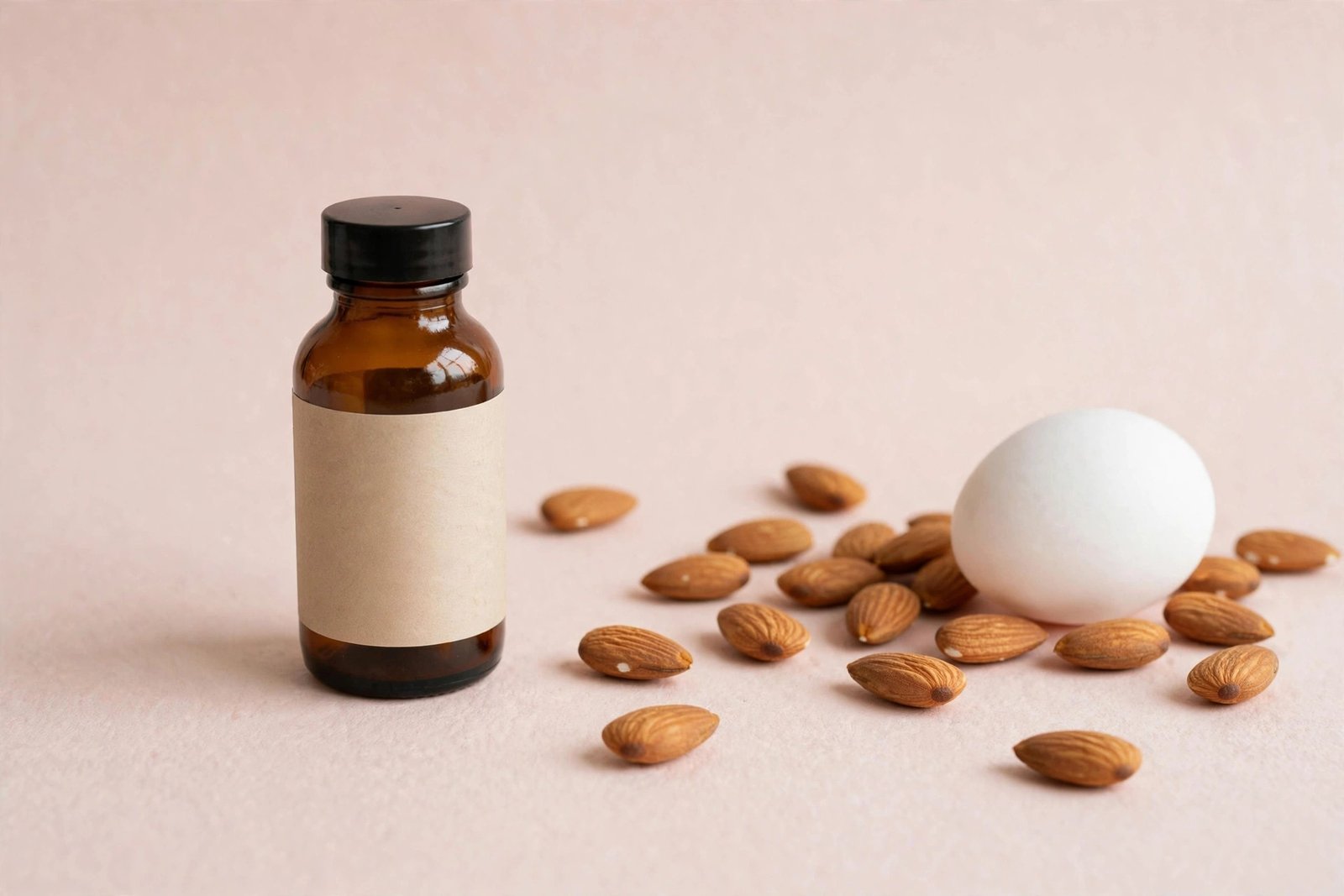
Biotin (vitamin B7) is a water-soluble B vitamin involved in converting food into energy and supporting the production of keratin — the protein hair, skin, and nails are made of. Your body needs only a small amount: the adequate intake for adults is 30 micrograms per day, easily obtained from food.
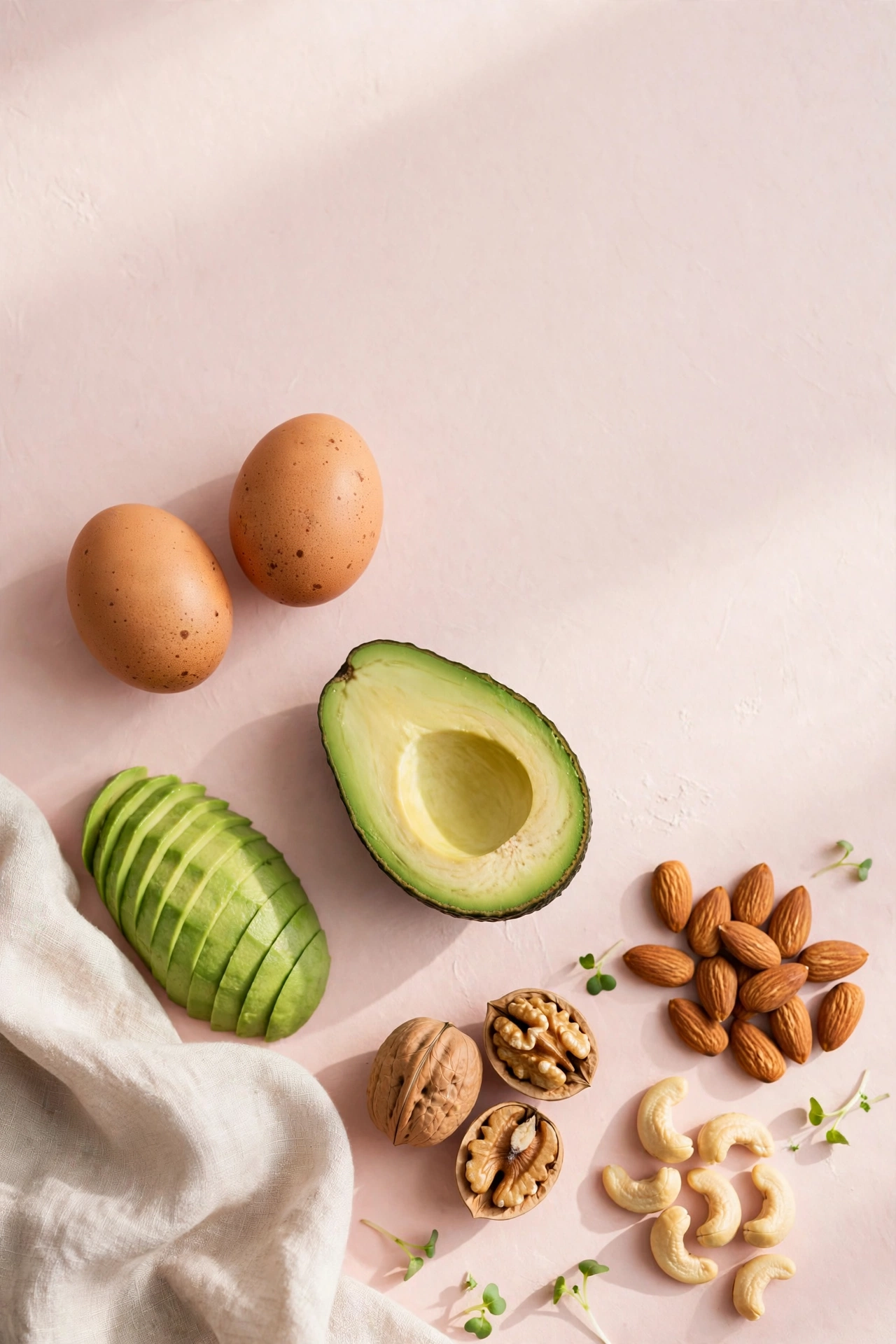
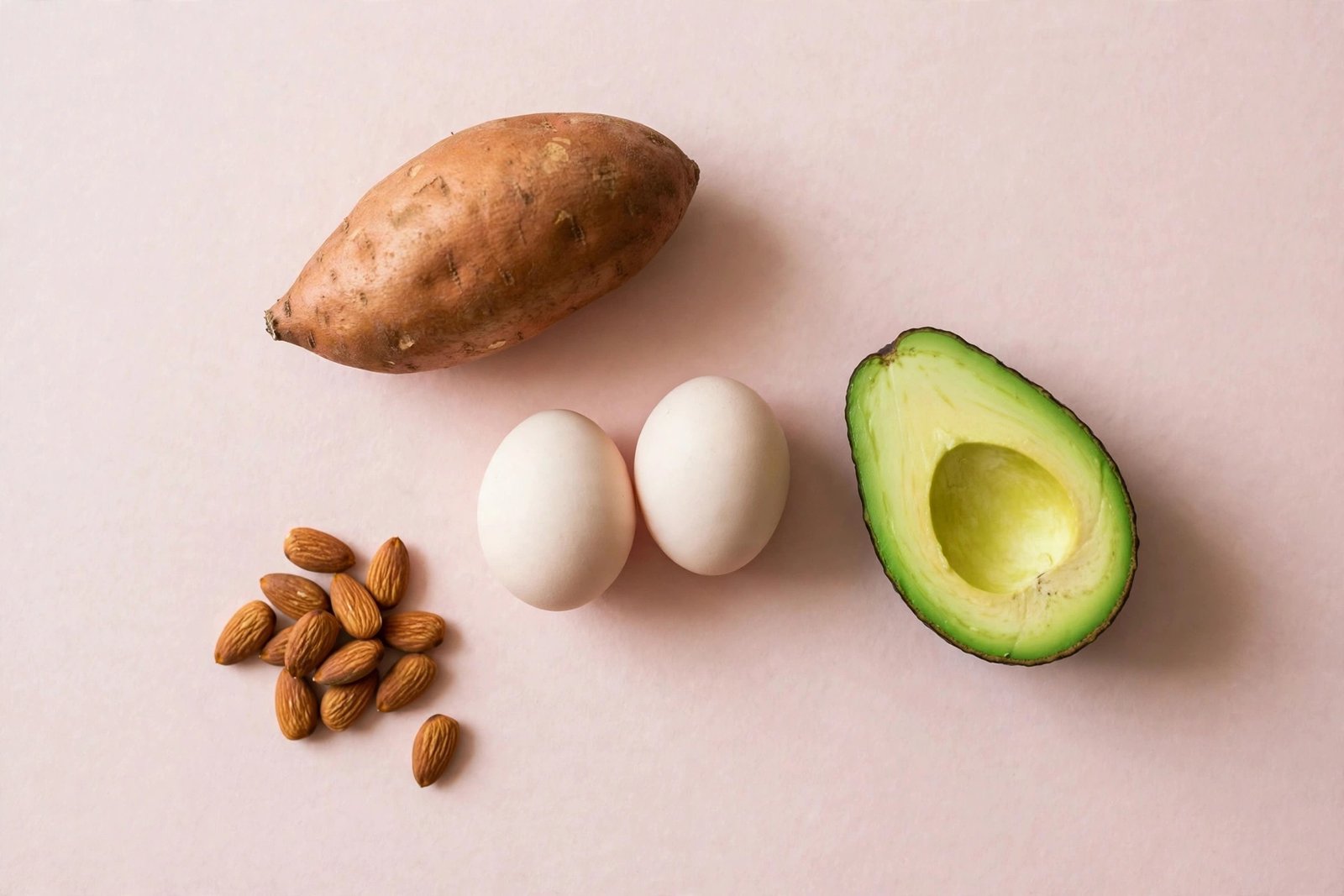
Good dietary sources include eggs (especially yolks), salmon, sweet potatoes, almonds, walnuts, sunflower seeds, spinach, broccoli, bananas, and oats. True biotin deficiency is rare in people eating a varied diet, because gut bacteria also produce some biotin.
What the Research Actually Shows
Here’s the honest summary of the evidence:
- Biotin helps hair loss caused by biotin deficiency. When deficiency is the cause — seen in rare genetic disorders, prolonged use of certain anti-seizure medications, or extreme diets — supplementation reverses the hair loss. This is well established.
- There’s little evidence it helps hair loss in people who aren’t deficient. Most studies on biotin and hair growth are small, uncontrolled, or funded by supplement makers. A widely cited 2017 review in the Journal of Drugs in Dermatology concluded there’s insufficient evidence to recommend biotin for hair loss in individuals without deficiency — while noting it’s commonly (and often unnecessarily) prescribed.
- Most hair shedding isn’t caused by biotin deficiency. The deficiencies most strongly linked to hair fall are iron, vitamin D, and zinc — not biotin. Spending on biotin while ignoring low ferritin is one of the most common expensive mistakes in hair care.
- Anecdotal reports aren’t data. “My hair grew after biotin gummies” usually coincides with the natural resolution of temporary shedding (telogen effluvium resolves on its own in months), making the supplement look responsible.
Bottom line: biotin is a real nutrient with a real role, but for most people with hair fall, it’s not the missing piece.
When Biotin Supplementation Makes Sense
Consider biotin (after talking to your doctor) if:
- Bloodwork or symptoms suggest actual deficiency (hair loss plus brittle nails, skin rashes, fatigue — though these are nonspecific)
- You take medications known to deplete biotin (certain anti-seizure drugs)
- You have a condition affecting nutrient absorption (e.g., inflammatory bowel disease)
- Your diet is extremely restricted for a prolonged period
In these cases, a standard supplement dose is reasonable — not the mega-doses in many gummies.
Dosage: How Much Is Reasonable?
- Daily need: ~30 mcg from food is enough for most adults.
- Typical supplements: 30–100 mcg covers any plausible gap.
- Hair gummies: Often contain 2,500–10,000 mcg — 80 to 300+ times the daily need. There’s no evidence more works better, and excess has a real downside (see side effects below).
Since biotin is water-soluble, excess is excreted rather than stored — which is why it’s considered low-toxicity. But “low toxicity” isn’t the same as “no consequences.”
The Side Effect Nobody Mentions: Lab Test Interference
This is the most important section for anyone considering high-dose biotin. Biotin in high doses interferes with common lab tests — including thyroid panels, troponin (heart attack marker), and hormone assays — because many lab tests use biotin-streptavidin technology. The FDA has issued warnings about this: biotin can cause falsely high or falsely low results, leading to misdiagnosis.
Practical rules:
- Tell your doctor about biotin use before any bloodwork.
- Stop high-dose biotin at least 72 hours before lab tests (your doctor may advise longer).
- This matters especially for thyroid testing — and thyroid issues are themselves a cause of hair loss, so distorted results can send diagnosis in exactly the wrong direction.
Other notes: some people report acne breakouts with high-dose biotin (B vitamins can aggravate acne in susceptible individuals), and biotin can interact with certain lab-dependent medication monitoring.
Nutrients That Matter More for Hair Fall
If you’re going to test or supplement something for shedding, prioritize by evidence:
- Iron/ferritin: The deficiency most commonly linked to hair shedding in women. Get tested; supplement only if low and under guidance.
- Vitamin D: Widespread deficiency, linked to multiple hair loss types. Test and correct.
- Zinc: Important for follicle cycling; deficiency causes shedding. Found in pumpkin seeds, chickpeas, meat.
- Protein: Hair is keratin. Chronic low protein intake causes shedding 2–3 months later.
- Biotin: Worth considering only after the above are addressed, or with evidence of deficiency.
Food-first is the safest strategy: eggs, fatty fish, lentils, spinach, nuts, seeds, and sweet potatoes cover nearly all of these at once.
Getting Enough Biotin From Food
Hitting the 30 mcg daily target through food is straightforward — most varied diets do it without trying. The richest sources per typical serving:
- Eggs: One cooked egg provides roughly 10 mcg — a two-egg breakfast covers two-thirds of the daily need. (Note: raw egg whites contain avidin, which blocks biotin absorption — another reason to cook your eggs.)
- Salmon and tuna: Around 5 mcg per serving, plus protein and omega-3s that support hair independently.
- Sweet potatoes: About 2–3 mcg per half cup, plus beta-carotene.
- Almonds, walnuts, sunflower seeds: A small handful adds several micrograms plus vitamin E and zinc.
- Spinach, broccoli, bananas, oats: Smaller amounts that add up across the day.
Someone eating eggs at breakfast, fish or lentils at lunch, and nuts as a snack is comfortably above the daily requirement. If your diet already looks like this, a biotin supplement is very unlikely to be your missing piece — look to iron, vitamin D, and overall protein first.
Biotin in Shampoos and Topical Products
Biotin is often marketed in shampoos and serums, but there’s no meaningful evidence it penetrates to the follicle or affects growth from outside. It’s primarily useful (when useful at all) as an ingested nutrient. Don’t pay a premium for “biotin-infused” hair products expecting regrowth.
Frequently Asked Questions
How long does biotin take to work for hair growth?
If deficiency is the cause, improvement typically begins within a few months of correction — hair cycles are slow regardless of the intervention. If you’re not deficient, biotin is unlikely to change anything no matter how long you take it. Give any nutritional approach 3–6 months, then reassess with your doctor rather than increasing the dose.
Can biotin cause hair loss?
Biotin doesn’t cause hair loss directly, but two indirect issues occur: high doses can trigger acne in some people, and — more importantly — lab interference can mask or mimic thyroid problems, delaying the real diagnosis behind shedding. Also, relying on biotin while ignoring iron or vitamin D deficiency lets the actual cause continue unchecked.
Is 10,000 mcg of biotin safe?
It’s unlikely to cause acute toxicity (excess is excreted), but it’s 300+ times the daily need with no added benefit shown, and it significantly raises the risk of lab test interference. There’s no reason to take mega-doses without a doctor’s direction for a specific deficiency.
Should I take biotin gummies or regular biotin?
Neither has an evidence advantage for hair — the delivery format doesn’t matter. Gummies often contain added sugars and mega-doses; a simple low-dose tablet is cheaper and more sensible if supplementation is warranted. But first, consider whether iron, vitamin D, or protein is the actual gap.
What works better than biotin for hair fall?
Addressing the actual cause: correcting iron and vitamin D deficiency, eating adequate protein, managing stress, treating scalp conditions, and being gentle with hair (see our natural remedies for hair fall at home and the best oils for hair fall). For pattern thinning, dermatologist-guided treatments like minoxidil have far stronger evidence than any supplement.
Key Takeaways
- Biotin (vitamin B7) supports keratin production, but true deficiency is rare — most hair fall isn’t caused by low biotin.
- Evidence supports biotin only for deficiency-related hair loss; there’s little evidence it helps shedding in people with normal levels.
- The deficiencies most linked to hair fall are iron, vitamin D, and zinc — test these before buying biotin.
- High-dose biotin (common in gummies) can distort lab results including thyroid tests — the FDA has warned about this. Stop 72+ hours before bloodwork and tell your doctor.
- ~30 mcg/day from food (eggs, nuts, sweet potatoes, fish) is enough for most people; mega-doses add risk without benefit.
- Biotin in shampoos has no meaningful evidence for regrowth — don’t pay extra for it.
- For the complete strategy, read the hair fall control complete guide.
Love this? Pin it for later!