Cherry Cola Brunette: How to Get Pinterest’s Trending Shade at Home
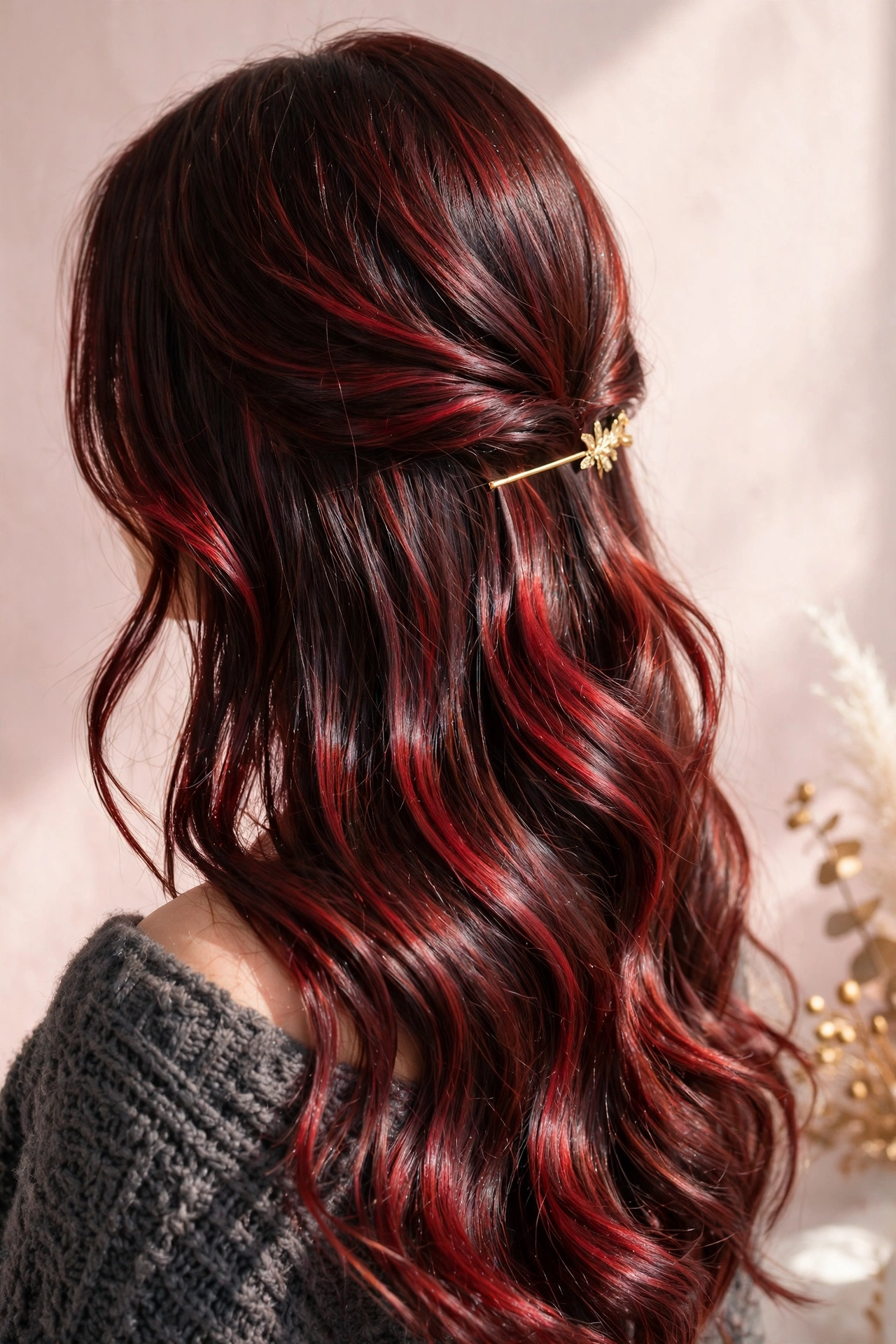
There is a reason your Pinterest feed looks like a bottle of cherry cola lately. Deep, glossy brunette with flashes of cherry red catching the light — cherry cola brunette has become one of the most-saved fall hair colors, with searches up a remarkable +788% as part of the Copper Waves trend. It is warm without being orange, dramatic without being high-maintenance, and perfectly suited to autumn’s cozy, rich-toned mood.
The best part? Cherry cola brunette is one of the most achievable fashion colors for home coloring. Unlike platinum blonde or vivid shades that demand bleach and precision, cherry cola builds on a brunette base and leans on red-reflect pigments that grab easily. Whether you reach for a box dye, a semi-permanent gloss, or a demipermanent glaze, this guide covers every route — what the shade is, who it flatters, step-by-step application, and how to keep it looking expensive instead of muddy.
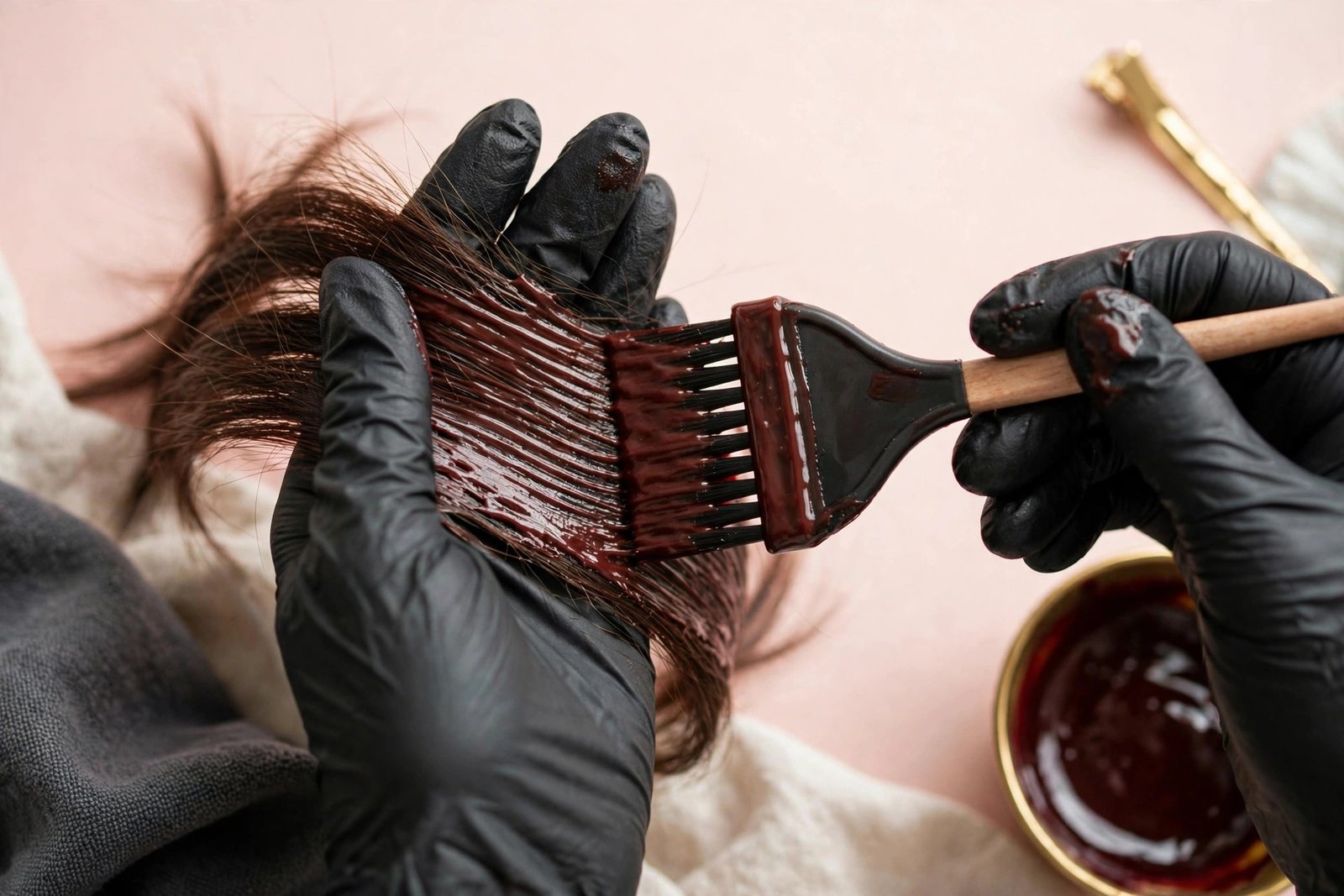
What Is Cherry Cola Brunette, Exactly?
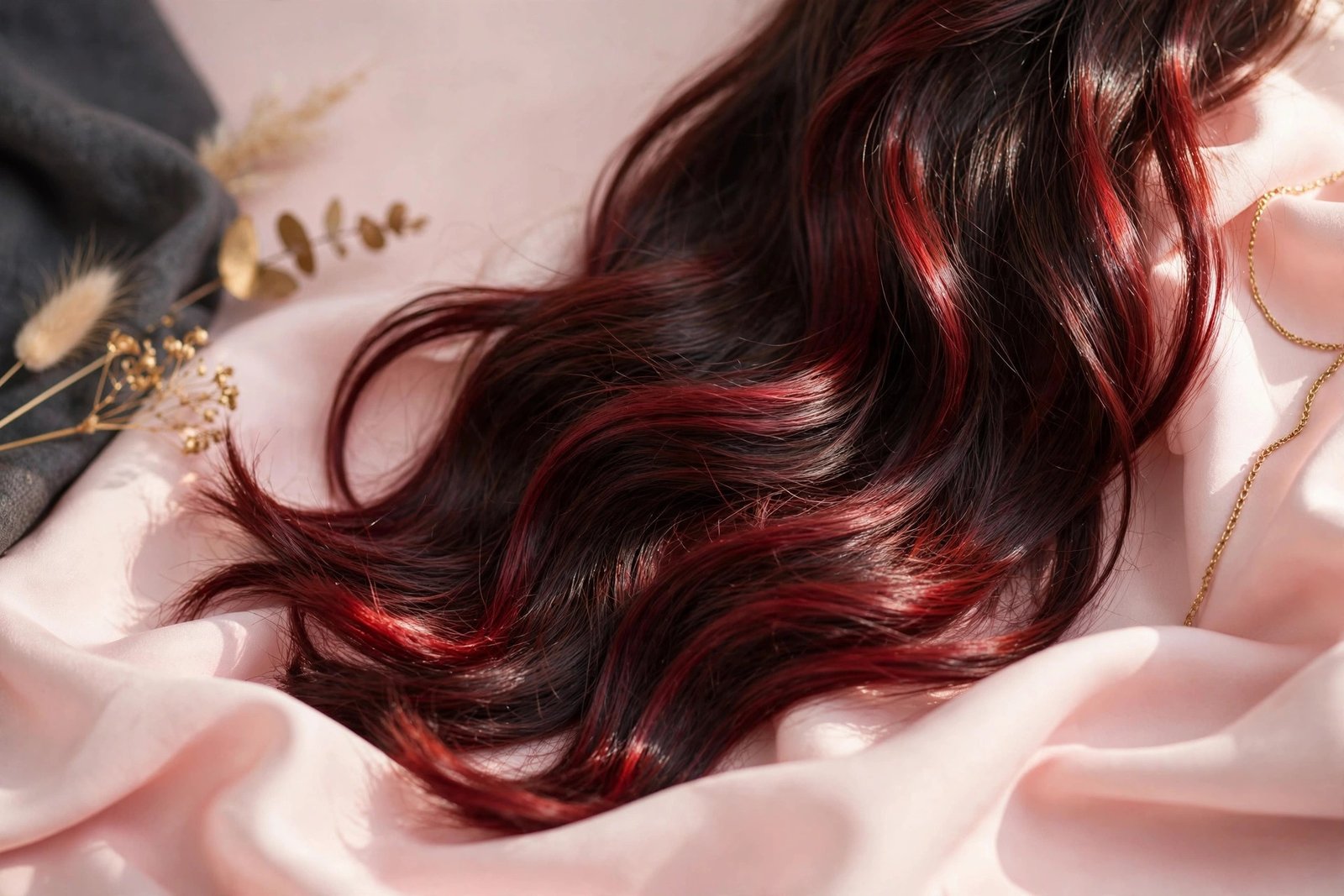
Cherry cola brunette is a deep brunette base (think espresso or dark chocolate) infused with cherry-red and burgundy reflects. In indoor lighting it reads as a rich, dark brown; in sunlight or under warm light, the red reflects come alive with a cola-like glow. The name is apt — like the drink, it has dark depth with a reddish, almost amber luminosity.
It differs from related shades in a few key ways: burgundy sits visibly red-purple, while cherry cola stays brown first and red second; auburn is a copper-red brown that reads red in most light, while cherry cola keeps a deeper brunette base with cherry (not copper) reflects; black cherry is nearly black with violet tones, while cherry cola is lighter and browner with more visible dimension.
On a color-level scale, cherry cola typically lands at a level 3 to 4 base — dark brown to darkest brown — with red-violet (RV) reflects layered through it.
Who Does Cherry Cola Brunette Suit?
This is one of the more forgiving fashion shades, and the warm red reflects make it flattering across a wide range of skin tones. A few guidelines:
Warm undertones (golden, peachy, olive): Cherry cola is a natural fit. The warm red reflects echo the warmth in the skin, creating a cohesive, lit-from-within effect. Olive skin especially loves this shade — the depth prevents washout while the red adds life.
Cool undertones (pink, rosy, porcelain): Cherry cola still works, but lean toward formulas with more violet than orange in the red reflect — burgundy-leaning reflects flatter cool skin, while copper-gold reflects can make pink undertones look flushed.
Deep skin tones: Cherry cola is stunning on deep skin — the richness creates beautiful contrast, and the red reflects add dimension that reads luxuriously.
Eye color: Brown and hazel eyes pair beautifully as the warm reflects pick up gold flecks; green eyes get striking contrast from the red tones; blue eyes work best with cooler, violet-leaning versions.
One honest caveat: very fair skin with strong pink undertones can look ruddier next to red reflects. In that case, choose neutral-to-cool reflects or ask a colorist’s opinion before committing.
The Two At-Home Routes: Box Dye vs. Gloss/Glaze
There are two main DIY approaches, and the right one depends on your starting color, your commitment level, and how much change you want.
Route 1: Permanent or Demipermanent Box Dye
Best for: Medium to dark brown hair that needs a real color shift, or anyone wanting the longest-lasting result (6–8 weeks of visible red before significant fade).
Box dyes labeled “dark cherry brown,” “black cherry,” or “burgundy brown” can deliver this shade in one step on virgin medium-brown hair. Demipermanent options from beauty supply stores are gentler — they deposit color without lifting the natural base much, meaning less damage and a softer grow-out.
Pros: Strongest, longest-lasting red deposit. One-step process. Cons: More commitment — red pigment is hard to remove — plus more cuticle damage and a visible regrowth line as the red fades.
Route 2: Semi-Permanent Gloss or Glaze
Best for: Anyone nervous about commitment, those with already-dark hair who just want the cherry reflect, or as a refresh between dye sessions.
A red or cherry-tinted gloss adds the cola-like reflect over your existing brunette without lifting or permanently altering the base. These typically last 4–6 weeks and fade gracefully with no harsh regrowth line.
Pros: Lowest damage and commitment, no visible roots, incredible shine — great for testing the shade before committing to dye. Cons: Subtle on very dark hair, fades faster with frequent washing, and will not lighten hair at all.
The smart beginner move: Start with a gloss. If you love the reflect after a few weeks, graduate to a demipermanent dye for a deeper, longer-lasting version. You get to test-drive the shade with zero regret risk.
What You Need Before You Start
Gather everything before mixing — mid-process scrambling leads to uneven results.
- Your chosen color (box dye or gloss) — buy two boxes if your hair is past shoulder length or very thick
- Applicator brush and bowl (for gloss or demipermanent from a tube), or use the box’s bottle applicator
- Sectioning clips (4–6)
- Petroleum jelly or a barrier cream for the hairline, ears, and neck
- Old towel, dark t-shirt, and gloves (red dye stains everything it touches)
- Wide-tooth comb for distributing color
- Timer (phone timer works)
- Color-safe, sulfate-free shampoo and conditioner for the first wash
- A strand-test section: a small, hidden piece of hair underneath at the nape
Non-negotiable prep: Do a strand test and a patch test 48 hours before full application. The strand test shows exactly how the shade develops on your hair — red pigments can pull brighter or darker than the box suggests. The patch test (a dab behind the ear) checks for allergic reaction. Skipping these is the most common cause of at-home color disasters.
Step-by-Step: Applying Cherry Cola at Home
These steps assume a box dye or demipermanent color. For a gloss, the process is similar but with shorter processing times (follow the gloss instructions).
Step 1: Prep Your Hair
Start with dry, unwashed hair — ideally washed 24–48 hours ago. Natural oils protect the scalp, and slightly dirty hair holds color well. Detangle thoroughly; knots create patchy application. Apply barrier cream around the hairline, ears, and nape. Put on gloves and your sacrificial t-shirt.
Step 2: Section
Divide hair into four quadrants: down the middle, then ear to ear. Clip each section up. Work through one quadrant at a time, taking thin half-inch subsections so color saturates every strand — thin sections are the difference between salon-even and spotty.
Step 3: Mix and Apply
Mix according to the box directions — measure carefully rather than eyeballing. Start at the roots of the first quadrant, working the color through to the ends, then move to the next quadrant. Work quickly but thoroughly; most box dyes want full-head application within 10–15 minutes for even processing.
Tip for even red: Red pigment grabs fastest on porous areas (previously colored or heat-damaged ends). If your ends are damaged, apply color to roots and mid-lengths first, then pull through to the ends for the last 10 minutes of processing. This prevents the ends from going too dark or too bright.
Step 4: Process
Set your timer for the box’s recommended time — typically 25–35 minutes for permanent, 20–25 for demipermanent. Do not exceed the maximum time hoping for “more red”; over-processing damages hair without adding meaningful color depth. Pile hair up loosely and cover with a shower cap to hold warmth for even development.
Step 5: Rinse and Condition
Rinse with lukewarm (not hot) water until the water runs mostly clear. Hot water opens the cuticle and flushes red pigment — the fastest-fading color molecule — straight down the drain. Shampoo only if the instructions say to (many dyes instruct a rinse-only first wash); otherwise rinse and apply the included conditioner or a deep conditioner, leave it for a few minutes, and rinse cool.
Step 6: Dry and Assess
Blow-dry or air-dry fully before judging — wet hair always looks darker. Check the shade in natural daylight. Red tones look most intense in the first few days and settle after 2–3 washes; reassess after a week before deciding anything needs fixing.
Strand Test: Why It Matters More for Red Shades
Red pigment molecules are smaller than brown ones — they penetrate fast but also escape fast, and they interact unpredictably with underlying warmth. A strand test takes 30 minutes and answers three critical questions:
- How red will it actually go? On medium brown hair, a cherry cola box can pull anywhere from subtle auburn-glow to vivid cherry depending on your underlying pigment. The strand test removes the guesswork.
- How long should it process? If your test strand hits the perfect shade at 25 minutes, you know not to push to 35.
- Will it grab unevenly? Testing a strand from the roots and one from the ends reveals whether your porous ends will go darker — letting you adjust application order (roots first, ends last).
To strand-test: mix a tiny amount of color, apply to a hidden half-inch section at the nape, process for the recommended time, rinse, dry, and evaluate in daylight. It is the cheapest insurance in all of hair coloring — and for red shades, the most important step you can take.
Maintenance: Keeping Cherry Cola Rich, Not Muddy
Red reflects are the fastest-fading color in the spectrum. Without a maintenance plan, cherry cola drifts toward flat brown within 3–4 weeks. Here is how to keep it glossy and dimensional:
Wash Less, Wash Cooler
Every wash strips red molecules. Stretch washes to 2–3 times per week with dry shampoo between, and always use lukewarm or cool water — hot water is the number one enemy of red tones.
Go Color-Safe and Sulfate-Free
Switch to a sulfate-free, color-safe shampoo and conditioner; sulfates cleanse too efficiently for fresh red color. A red-depositing conditioner in cherry or red-brown, used weekly, tops up the reflect between dye sessions.
Schedule Gloss Refreshes
Every 4–6 weeks, apply a cherry or red-brown gloss over your color. This 15–20 minute top-up adds mirror shine and revives the cola reflect without the damage or commitment of re-dyeing — the secret behind salon cherry cola that always looks fresh.
Protect From Sun and Heat
UV fades red pigment fast — wear a hat in strong sun or use a UV-protectant product. Heat styling accelerates fade too, so always use protection: whether you need heat protectant, and lower hot tool temperatures where you can.
Deep Condition Regularly
Weekly deep conditioning or hair oiling keeps the cuticle smooth and the color reflective — smooth hair reflects the light that makes cherry cola glow. See oiling your hair for growth, and if ends feel parched after coloring, read why hair gets dry and brittle.
When to See a Professional Instead
At-home cherry cola works beautifully on virgin medium-to-dark brown hair. But some situations genuinely call for a salon:
- Previously bleached or highlighted hair: Porous, lightened hair grabs red aggressively and unevenly. A colorist can fill and balance the base first.
- Going from dyed black to cherry cola: Box color cannot lift existing dark dye — color remover or lightening comes first, a job for a pro to avoid banding.
- Gray coverage needs above 50%: Grays grab red differently and can look brighter or pinker; a colorist can formulate for even coverage.
- Already damaged hair: If hair stretches, snaps, or feels gummy when wet, permanent dye risks breakage. Get a conditioning and trim plan first — or stick to a gentle gloss only.
- You want dimension: Multi-tonal cherry cola with ribbons of lighter red is a salon technique; at-home color gives a beautiful solid result, but dimension needs a professional hand.
There is no shame in the salon route — cherry cola is a single-process color that is relatively affordable at a salon, and a pro formulation lasts longer with less damage.
Key Takeaways
- Cherry cola brunette is a deep brunette base with cherry-red reflects — dark indoors, glowing cola-red in sunlight — and Pinterest searches are up +788% as part of the Copper Waves trend.
- It flatters most skin tones; warm and olive undertones are a natural match, while cool undertones should choose violet-leaning reflects.
- Two DIY routes exist: box/demipermanent dye for the deepest, longest-lasting result, or a semi-permanent gloss for a low-commitment test drive with zero roots.
- Always strand-test and patch-test 48 hours before full application — red pigment is unpredictable and the test removes all guesswork.
- Maintain the shade with cool, infrequent washes, sulfate-free color-safe products, and a cherry gloss refresh every 4–6 weeks.
- See a professional if your hair is bleached, damaged, heavily gray, or dyed black — or if you want dimensional highlights rather than all-over color.
Frequently Asked Questions
How long does cherry cola hair color last?
With permanent or demipermanent dye, expect 6–8 weeks of visible cherry reflect before it fades toward plain brown. The dark base lasts until regrowth, but the red is what makes the shade special — plan a gloss refresh every 4–6 weeks. Semi-permanent glosses last 4–6 weeks and fade with no harsh line.
Will cherry cola brunette work on dark brown or black hair?
On natural dark brown hair, yes — the cherry reflects will show, especially in sunlight, though more subtly than on medium brown hair. On natural black or dyed-black hair, box dye alone barely shows red reflects because dye cannot lighten existing color. For true cherry cola on black hair, lightening comes first — best done professionally.
Does cherry cola hair color damage hair?
Any permanent or demipermanent dye disrupts the cuticle somewhat, but a single all-over application on healthy virgin hair is relatively low-risk — far less damaging than bleaching. Semi-permanent glosses cause minimal damage and can improve shine. The main risks — overlapping dye onto already-colored lengths and skipping conditioning — are avoidable with good technique.
What happens when cherry cola fades?
It fades gracefully compared to many fashion shades. The cherry-red reflects wash out first (reds always fade fastest), leaving behind the dark brunette base, which simply looks like a rich brown. You will not get green or strange tones the way some ash colors fade. A red-depositing conditioner or gloss refresh brings the cherry back in one short session.
Can I go back to plain brown after cherry cola?
Yes, with patience. Red pigment clings — dyeing brown directly over it often leaves a warm, reddish cast. Let the red fade for several weeks (clarifying washes help), then apply a neutral or slightly ash brown to counteract remaining warmth. If the red is stubborn, a colorist can correct it in one appointment. This is exactly why starting with a gloss is wise if you are commitment-shy.
Love this? Pin it for later!