Mousse vs Gel vs Cream for Curls: Which Should You Use?
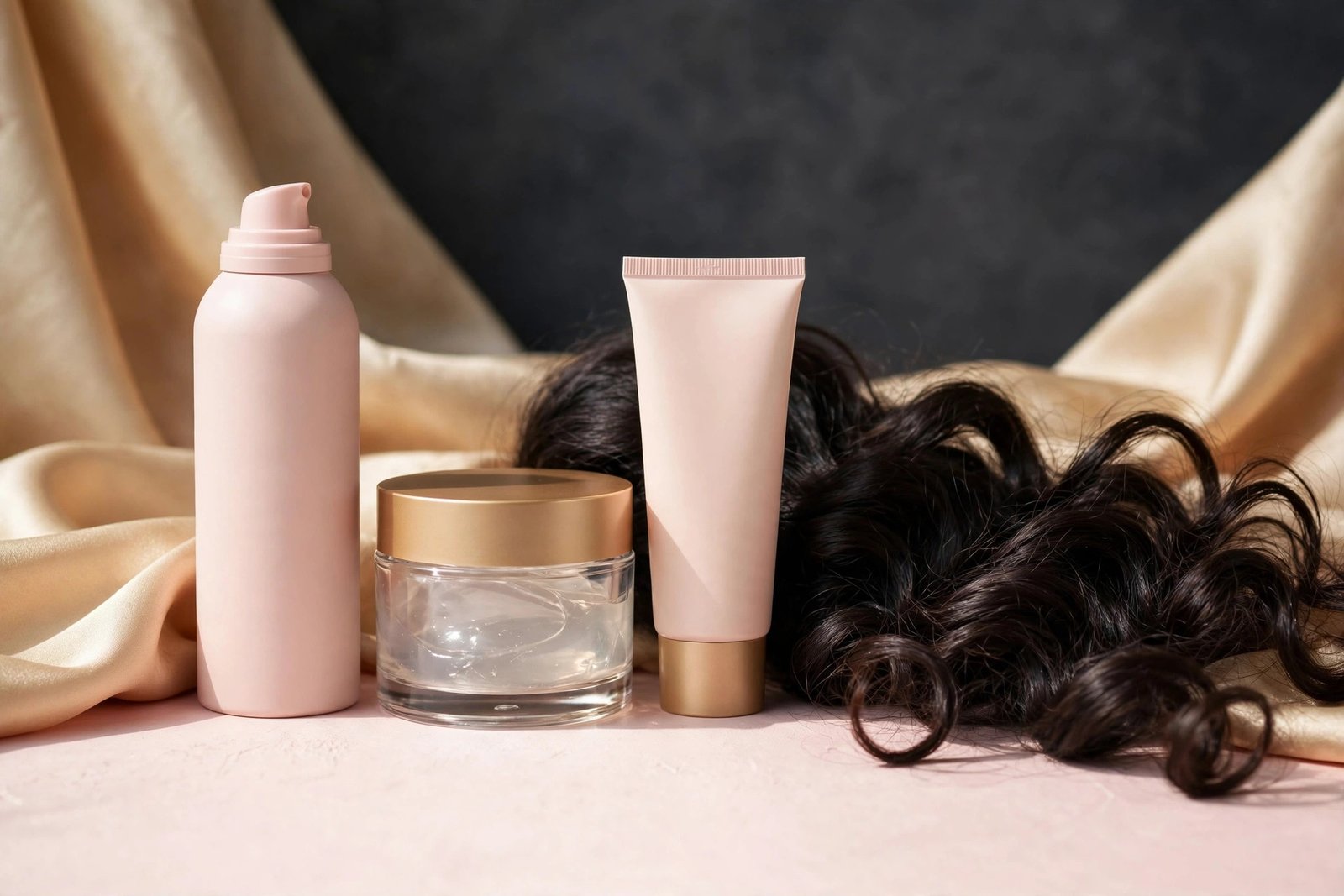
Few things frustrate curly-haired people like standing in the styling aisle, staring at three products that all promise “defined, frizz-free curls,” and having no idea which one will actually work on their hair. Mousse vs gel vs cream for curls is the classic debate in the curly community, and the honest answer is that none of them is universally best — they’re three different tools built for three different jobs.
Pick the wrong one and you get flat, sticky, or crunchy curls that make you blame your hair. Pick the right one and the same curls suddenly behave. This guide compares hold strength, finish, weight, and crunch across all three stylers, matches each to the curl types it flatters, and shows you when combining them is actually the winning move.
Key Takeaways
- Mousse gives lightweight volume and soft hold — best for wavy and loose curls that fall flat.
- Gel gives the strongest hold and crispest definition, but can leave a cast that needs scrunching out.
- Cream gives moisture and soft definition with minimal hold — best for thick, dry, or coily hair.
- The right choice depends on curl type, porosity, and whether you want volume, definition, or softness.
- Layering is legitimate: cream for moisture + gel for hold is the most popular curly combination.
What Each Styler Actually Does
Mousse
Mousse is a foam dispensed from an aerosol can, built on light film-forming polymers and conditioning agents. Its texture is the point: the airy foam distributes a thin, even layer of product over lots of hair without weighing it down. Mousse provides light-to-medium hold with a soft, touchable finish and noticeably boosts root volume — the foam expands as it dries, lifting hair at the roots.
The trade-off is staying power. Mousse hold is the weakest of the three, and it contains alcohol in many formulas (though alcohol-free mousses are now common), which can be drying for already-thirsty curls. If you’re new to curly styling entirely, start with a beginner-friendly curly routine to learn the application basics before experimenting with stylers.
Gel
Gel is a water-based styler built on strong film-formers like PVP or carbomer. It creates a firm “cast” around each curl as it dries — a slightly stiff shell that locks the curl’s shape in place. Once fully dry, you scrunch the cast out (“scrunch out the crunch”) to reveal soft, defined curls underneath that hold their shape for days.
Gel offers the strongest hold of the three, the sharpest curl definition, and the best frizz resistance in humidity. The downsides: the cast phase feels crunchy and looks wet until it’s scrunched, heavy gels can pull out looser curl patterns, and some formulas flake when layered with incompatible products.
Cream
Curl cream is an emulsion of water, oils, and butters — essentially a styling moisturizer. It smooths the cuticle, adds weight and softness, and defines curls gently by encouraging clumps to form. Its hold is the lightest of the three; what it provides is moisture, frizz smoothing, and a soft, natural finish.
Cream is the friendliest option for dry, coarse, and coily hair that needs nourishment more than hold. But on fine or wavy hair, cream can be too heavy, stretching out the curl pattern and leaving hair looking limp rather than defined.
Head-to-Head Comparison
| Factor | Mousse | Gel | Cream |
|---|---|---|---|
| Hold strength | Light–medium | Strong | Light |
| Best curl types | Wavy (2A–2C), loose curls (3A) | All types; shines on 3A–4C | Thick curls (3B–4C), dry hair |
| Volume | Excellent (root lift) | Can flatten roots | Minimal; can weigh down |
| Definition | Soft, natural | Crisp, sharp | Soft, moisturized |
| Crunch/cast | None | Yes (scrunch it out) | None |
| Frizz control | Moderate | Excellent | Good (via moisture) |
| Weight | Very light | Light–medium | Medium–heavy |
| Refreshing day 2–3 | Poor (flattens) | Good (reactivates with water) | Moderate |
Which Styler for Your Curl Type?
Wavy hair (2A–2C): Mousse is the clear winner. Waves are easily weighed down, and mousse’s featherweight foam adds body and gentle hold without stretching out the pattern. Gel often proves too heavy and creams almost always flatten waves. Scrunch mousse into soaking-wet hair, diffuse or air-dry, and you get touchable waves with real volume.
Loose curls (3A): Gel or mousse, depending on your priority. Want volume and softness? Mousse. Want defined, long-lasting ringlets? A lightweight gel scrunched through wet hair, with the cast scrunched out once dry. Many 3A heads use mousse on wash day and gel when they need multi-day hold.
Classic curls (3B–3C): Gel takes the lead. This curl range has enough structure to handle gel’s hold without losing its pattern, and the definition payoff is dramatic. A cream underneath (the cream-then-gel combo) adds the moisture these curls crave. For technique details, see the natural curl definition guide.
Coily hair (4A–4C): Cream is essential, gel is the partner. Coily hair needs heavy moisture first — cream, butter, or a leave-in — and then gel provides the hold that keeps twist-outs and wash-and-gos defined for days. Mousse alone rarely offers enough hold or moisture for this range, though some use it for root volume on stretched styles.
Fine hair of any pattern: Mousse first, lightweight gel second. Avoid heavy creams unless your hair is also very dry — the weight-to-moisture ratio works against fine strands.
High-porosity or damaged curls: Cream for moisture, then gel for hold. Porous hair loses moisture fast, so the cream layer seals in hydration while the gel cast protects the curl shape. Damaged curls also benefit from protein-containing stylers; check where stylers fit among all the leave-in product options in a complete routine.
The Layering Playbook: Using More Than One
The mousse vs gel vs cream debate often misses the point: the best curly routines layer stylers. Each product covers another’s weakness.
Cream + gel (the classic): Apply cream to soaking-wet hair for moisture and soft definition, then glaze gel over the top for hold and frizz protection. This is the most popular combination in the curly community for good reason — it works across 3A to 4C. The gel cast locks in the cream’s moisture, and scrunching out the crunch reveals soft, defined curls that last.
Leave-in + mousse: For fine wavy hair, a light leave-in for detangling followed by mousse for hold and volume. No cream, no gel — anything heavier kills the waves.
Cream + mousse: For thick curls that want volume and moisture. Cream first for nourishment, mousse on top for root lift. The mousse foam sits lightly over the cream layer.
The full stack: Leave-in → cream → gel. Common for very dry, thick, or coily hair. The key is thin layers — a common mistake is using full amounts of each product, which leads to buildup and flakes.
What not to layer: Two strong gels (flaking risk), or silicone-heavy serums under water-based gels (pilling). When in doubt, apply products thinnest-to-thickest and lightest-hold-to-strongest-hold.
How to Apply Each One (Technique Matters as Much as Product)
Styler performance is at least half technique. The same gel gives wildly different results depending on how it’s applied.
Mousse application: Shake the can well, dispense a golf-ball-sized amount (more for long hair), and flip your head upside down. Scrunch the foam into soaking-wet hair from ends to roots, encouraging the curl pattern. Don’t rake it through — raking breaks up clumps. Diffuse on low heat for volume or air-dry for softness.
Gel application: On soaking-wet hair, glaze a quarter-sized amount over each section (praying-hands method), then scrunch upward to encourage curl formation. For extra definition, use the “rake and shake” method: rake gel through a section, then shake the section at the root so curls spring up. Let the cast form fully — touching hair mid-dry creates frizz — then scrunch out the crunch with dry hands or a silk scarf.
Cream application: On damp (not dripping) hair, work a dime-to-quarter-sized amount through each section with praying hands, then scrunch. Creams need less water than gels to distribute well; applying cream to soaking-wet hair dilutes it too much. For thick hair, section into 4–6 parts to ensure even coverage.
The golden rule for all three: Apply to wet hair, don’t touch while drying, and use less product than you think you need on the first try. You can always add more next wash day; removing excess mid-routine is much harder.
Common Mistakes
Using gel on dry hair. Gel needs water to distribute and form its cast. Applied to dry hair, it goes sticky and uneven, and the “cast” becomes a crunchy mess that won’t scrunch out cleanly.
Skipping the crunch-scrunch. Beginners often panic at the stiff cast stage and wash it out or brush it. The cast is supposed to be there — scrunch it out only when hair is 100% dry, and the softness appears like magic.
Cream on fine waves. The single most common mismatch. If your 2A waves look stringy and flat after cream, the product isn’t bad — it’s just wrong for your hair. Switch to mousse.
Mixing incompatible formulas. Layering a silicone-heavy product under a water-based gel can cause white flakes. When trying a new combination, test on one section first.
Applying heat without protection. Diffusing is heat styling, even on low. If you diffuse regularly, a heat protectant explainer step before your styler prevents cumulative heat damage that no styler can fix.
Judging a styler on day one. Curls need 2–3 wash days with a new product to show their true behavior — technique improves, and you calibrate the right amount. One bad wash day isn’t a verdict.
Frequently Asked Questions
Can I use mousse and gel together?
Yes, and it’s a great combination for fine-to-medium curls. Apply gel first to wet hair for definition and hold, then scrunch mousse over the top for volume and softness. Alternatively, mousse first for root lift with gel glazed over the ends for hold. Use light amounts of each to avoid buildup.
Why does my gel leave white flakes?
Flaking usually comes from layering incompatible products (silicone under water-based gel is the classic cause), using too much product, or applying gel to hair that already has heavy buildup. Try the gel alone on clarified, wet hair — if it still flakes, the formula itself may not suit your hair.
Is mousse bad for curly hair?
No — mousse is excellent for wavy and fine curly hair. The reputation problem comes from old alcohol-heavy formulas that dried curls out. Modern alcohol-free mousses provide light hold and volume without the dryness, making them one of the best options for 2A–3A patterns.
Should cream go on wet or damp hair?
Damp hair — towel-dried or lightly squeezed, not dripping. Creams are already water-rich emulsions, so soaking-wet hair dilutes them too much and they slide off instead of absorbing. Gels and mousses, by contrast, perform best on soaking-wet hair.
How do I refresh curls on day 2 with each styler?
Gel refreshes best: lightly mist with water to reactivate the hold, scrunch, and let dry. Mousse styles refresh poorly — the volume collapses; a light water mist plus a tiny bit of new mousse on the roots helps. Cream styles can be smoothed with damp hands and a pea-sized amount of cream on frizzy sections.
Which styler is best for humidity?
Gel, by a wide margin. Its firm cast is the most effective barrier against moisture in the air, which is what causes humidity frizz. If you live somewhere humid, gel (or a cream-plus-gel combo) will outperform mousse or cream alone every time.
The Bottom Line
Mousse vs gel vs cream for curls isn’t a contest with one winner — it’s a matching game. Wavy and fine hair thrives on mousse’s weightless volume. Defined, long-lasting curls come from gel’s strong cast (scrunch out the crunch — trust the process). Dry, thick, and coily hair needs cream’s moisture first, with gel layered on top for hold. Learn your curl type, pick the styler built for it, nail the wet-hair application technique, and don’t be afraid to layer — the best curly routines rarely rely on a single product.
Love this? Pin it for later!