Avocado Face Masks: Recipes for Every Skin Type
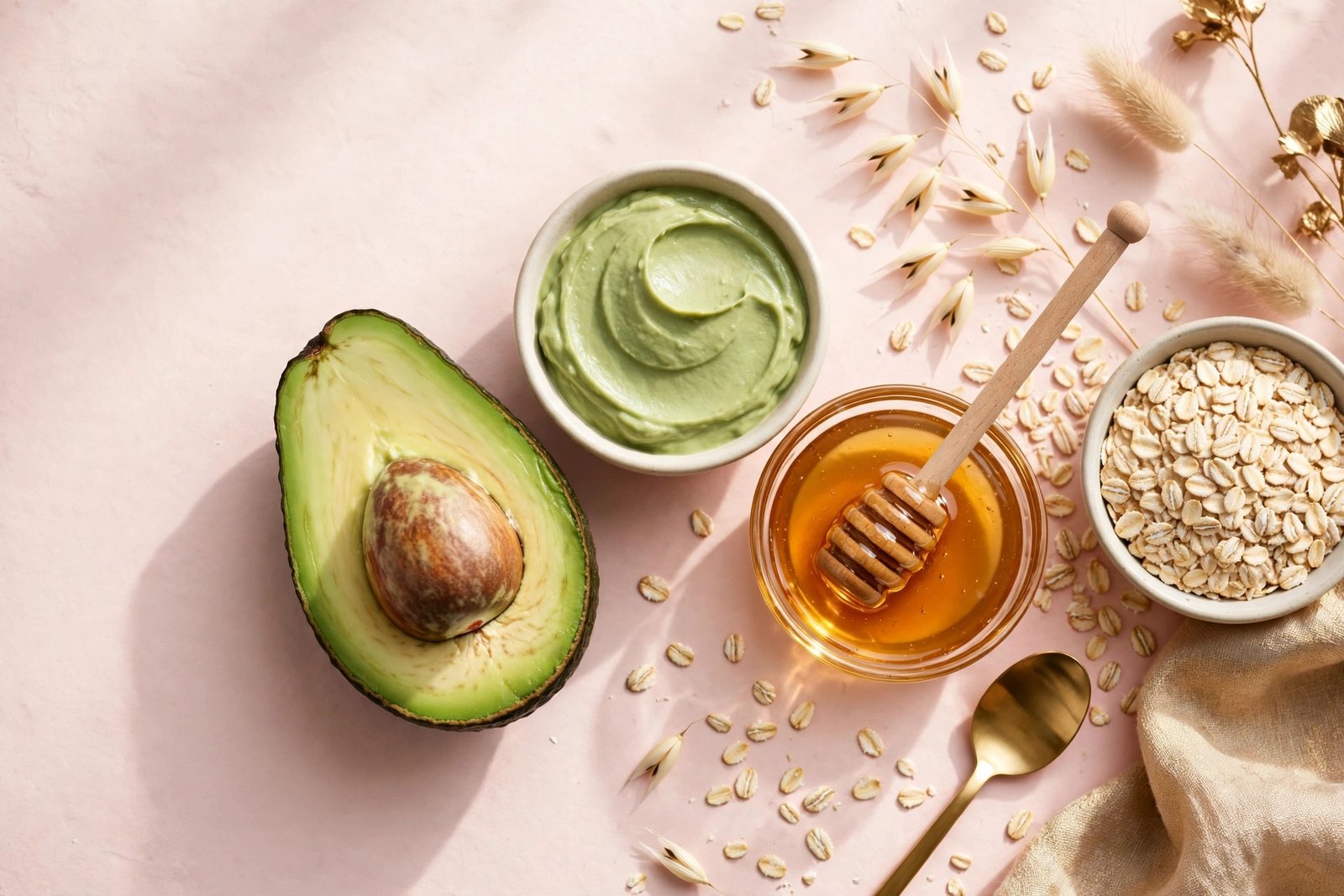
Avocado is a natural fit for a DIY face mask. It is rich in fatty acids that feel nourishing on the skin, it mashes into a smooth, creamy paste with almost no effort, and it pairs well with a wide range of other kitchen ingredients — honey for hydration, oats for gentle exfoliation, clay for oil control, and yogurt for brightness. That versatility is why one fruit can genuinely serve every skin type, as long as you choose the right partners.
This guide gives you a recipe for each major skin type, plus the application basics that apply to all of them, common mistakes to avoid, and honest safety notes. No recipe here promises to transform your skin overnight; what they offer is a gentle, affordable, at-home treatment that can leave skin feeling softer, calmer, and more hydrated.

Key Takeaways
- Avocado’s natural oils make it a strong base for dry and sensitive skin, while clay and lemon-free partners balance it for oily skin.
- Always patch-test a new mask on your jawline or inner arm before applying it to your full face.
- Use a ripe avocado — underripe fruit will not mash smoothly and will not spread evenly.
- Apply masks to clean skin, leave them on for 10 to 15 minutes, and rinse with lukewarm water.
- DIY masks are a complement to, not a replacement for, a consistent skincare routine with sunscreen.
Why Avocado Works in a Face Mask
Avocado flesh is rich in oleic acid, a fatty acid that helps skin feel soft and supple, and it contains vitamin E and other antioxidants that support the skin barrier. Its creamy texture also makes it an excellent carrier: it holds other ingredients against the skin and rinses off cleanly without the tight, dry feeling some clay masks leave behind.
That said, avocado is not a miracle ingredient, and it is not suitable for everyone in every form. People with latex-fruit sensitivities can react to avocado, and adding harsh ingredients such as undiluted lemon juice or baking soda can irritate skin quickly. The recipes below keep the partners gentle and skin-friendly, and the safety section explains what to watch for.
Before You Start: The Basics
Choose a ripe avocado
Press the avocado gently near the stem: it should yield slightly without feeling mushy. Cut it open and check the flesh — it should be creamy green, not brown or stringy. Scoop out the flesh and mash it thoroughly with a fork until smooth. Lumps are the enemy of an even mask, so take a minute to get the texture right.
Patch-test every new recipe
Even natural ingredients can irritate. Apply a small amount of the finished mask to your jawline or inner arm, leave it for 10 to 15 minutes, rinse, and wait 24 hours. If there is no redness, itching, or swelling, it is reasonable to use it on your full face. This step is especially important for sensitive skin and for any recipe containing a new ingredient.
Prep your skin
Start with a clean face — remove makeup and wash with your usual gentle cleanser. Slightly damp skin can help a mask spread more evenly. Tie hair back, and apply the mask with clean fingers or a brush, avoiding the eye area and lips. A thin, even layer is better than a thick, gloopy one, which takes longer to dry and is harder to rinse off.
Recipes for Every Skin Type
For dry skin: avocado and honey mask
Ingredients: half a ripe avocado, 1 tablespoon of honey, 1 teaspoon of olive oil or sweet almond oil.
Method: Mash the avocado until smooth, then stir in the honey and oil until combined. Apply to the face, leave for 15 minutes, and rinse with lukewarm water. Follow with your usual moisturizer.
Why it works: Honey is a humectant, meaning it draws moisture to the skin, while the oil adds an extra layer of nourishment. This is one of the most forgiving masks for dry, tight, or flaky skin, and it rarely causes irritation when patch-tested first. For ongoing dry-skin care, a barrier-supporting moisturizer is worth understanding too: best moisturizer for dry skin with ceramides.
For oily skin: avocado and clay mask
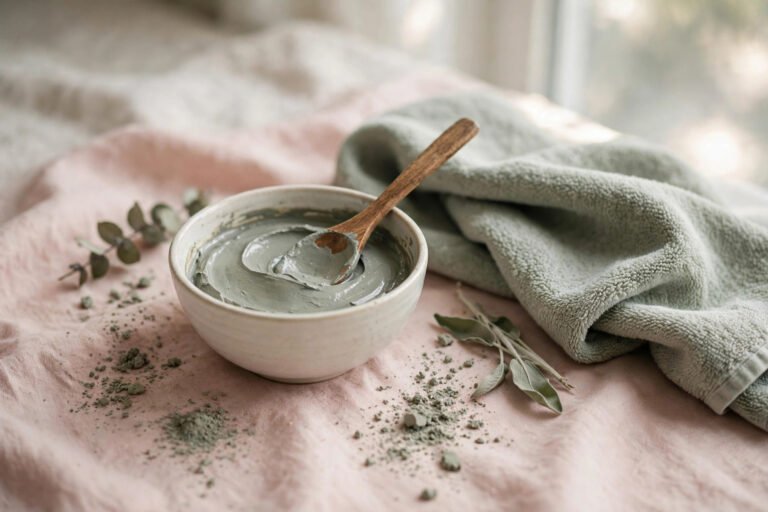
Ingredients: half a ripe avocado, 1 tablespoon of bentonite or kaolin clay, 1 teaspoon of water or rose water to adjust consistency.
Method: Mash the avocado, mix in the clay gradually, and add water a few drops at a time until you have a smooth, spreadable paste. Apply, leave for 10 to 12 minutes — do not let it dry completely hard and cracked — and rinse with lukewarm water.
Why it works: Clay absorbs excess oil and helps draw out impurities, while the avocado keeps the mask from being overly drying. This balance is the key for oily skin: a pure clay mask can leave skin feeling stripped, but the avocado base softens that effect. If you are unsure how often to use treatments like this, see: how often should you exfoliate your face.
For combination skin: avocado and yogurt mask
Ingredients: half a ripe avocado, 2 tablespoons of plain yogurt, 1 teaspoon of honey.
Method: Mash the avocado, stir in the yogurt and honey, and apply. Leave for 12 to 15 minutes, then rinse with lukewarm water.
Why it works: Yogurt contains lactic acid, a gentle exfoliant that can help brighten dull areas, while avocado nourishes the drier zones. Combination skin benefits from this kind of balanced recipe — hydrating where it is dry, lightly refining where it is oily — rather than a mask that treats the whole face as one type.
For sensitive skin: avocado and oatmeal mask
Ingredients: half a ripe avocado, 2 tablespoons of finely ground oats (colloidal oatmeal if available), 1 teaspoon of honey (optional).
Method: Mash the avocado, stir in the oats, and let the mixture sit for a few minutes so the oats soften. Apply gently without scrubbing, leave for 10 to 15 minutes, and rinse with cool to lukewarm water, using light, circular motions only if your skin tolerates it.
Why it works: Oats are well known for calming irritated skin, and this recipe avoids common irritants entirely — no citrus, no essential oils, no scrubs. Keep the application gentle: sensitive skin reacts as much to rubbing as to ingredients. Skip this recipe, or any new mask, if your skin is currently broken, sunburned, or reacting to another product.
For dull skin: avocado and turmeric mask
Ingredients: half a ripe avocado, a small pinch (no more than a quarter teaspoon) of turmeric, 1 tablespoon of plain yogurt.
Method: Mash the avocado, stir in the turmeric and yogurt, and apply. Leave for 10 minutes only, then rinse thoroughly with lukewarm water. Use a dark towel, since turmeric can stain fabric.
Why it works: Turmeric is prized for its brightening reputation, and yogurt adds gentle exfoliation, while avocado keeps the mask creamy and comfortable. Keep the turmeric amount small — more is not better, and excess turmeric can temporarily tint the skin yellow, especially on fair skin. If staining worries you, skip this recipe and use the yogurt mask above instead.
For acne-prone skin: avocado and tea tree — with caution
Ingredients: half a ripe avocado, 1 tablespoon of plain yogurt, 1 drop of tea tree oil, well mixed.
Method: Mash the avocado, stir in the yogurt, add a single drop of tea tree oil, and mix very thoroughly. Patch-test carefully, apply, leave for 10 minutes, and rinse with lukewarm water.
Why it works — and why caution matters: Tea tree oil has antimicrobial properties that some people find helpful for blemishes, but it is potent and can irritate skin if overused. One drop, well diluted in the mask, is the maximum here — never apply undiluted essential oil to the face. If your skin is reactive, skip the tea tree entirely and use the plain avocado and yogurt combination. For persistent acne, a dermatologist’s advice beats any DIY mask.
How to Apply Any Avocado Mask
Step-by-step
- Cleanse your face and pat it mostly dry, leaving it slightly damp.
- Apply a thin, even layer with clean fingers or a mask brush, avoiding the eyes and lips.
- Relax for 10 to 15 minutes. Lying down helps prevent the mask sliding.
- Rinse with lukewarm water, using gentle circular motions to help lift the mask.
- Pat dry with a clean towel and follow with your usual moisturizer and, in the daytime, sunscreen.
How often to use them
Once a week is a good starting point for most skin types, and twice a week is reasonable for the gentlest recipes, such as avocado and honey. More frequent use does not give faster results and can irritate skin, especially with the clay or turmeric versions. If your skin feels tight, red, or sensitive after a mask, space applications further apart.
Storing leftovers
Avocado masks are best made fresh each time. Avocado browns quickly once exposed to air, and a stored mask loses both its texture and its appeal. If you have half an avocado left, store the fruit itself — with the pit in, wrapped tightly, in the fridge — and mash a fresh mask when you need it. Do not store a finished mask for days and reuse it.
Avocado Masks and Your Wider Routine
A face mask is a weekly treat, not the foundation of skincare. Daily habits matter far more: gentle cleansing, moisturizing, and sun protection. Diet plays a supporting role too, and avocado is one of several foods commonly associated with skin health: best foods for clear glowing skin.
If you enjoy DIY beauty, avocado masks pair naturally with other simple homemade treatments. A gentle lip treatment, for example, complements a face-mask ritual: DIY lip balm recipe with coconut oil. And for a soothing overnight step on days you do not mask, aloe is a popular option: aloe vera on face overnight.
Common Mistakes to Avoid
- Using underripe avocado. It will not mash smoothly, will not spread evenly, and will not feel pleasant on the skin.
- Adding lemon juice or baking soda. Both are common DIY additions and both are harsh on facial skin. Leave them out.
- Leaving a clay mask on until it cracks. Over-dried clay can strip and irritate; rinse while it is still slightly damp.
- Skipping the patch test. Natural does not mean non-irritating, especially with essential oils or turmeric.
- Expecting a mask to fix persistent skin problems. Acne, eczema, rosacea, and similar conditions need proper skincare or medical advice, not just a weekly mask.
Shop This Guide
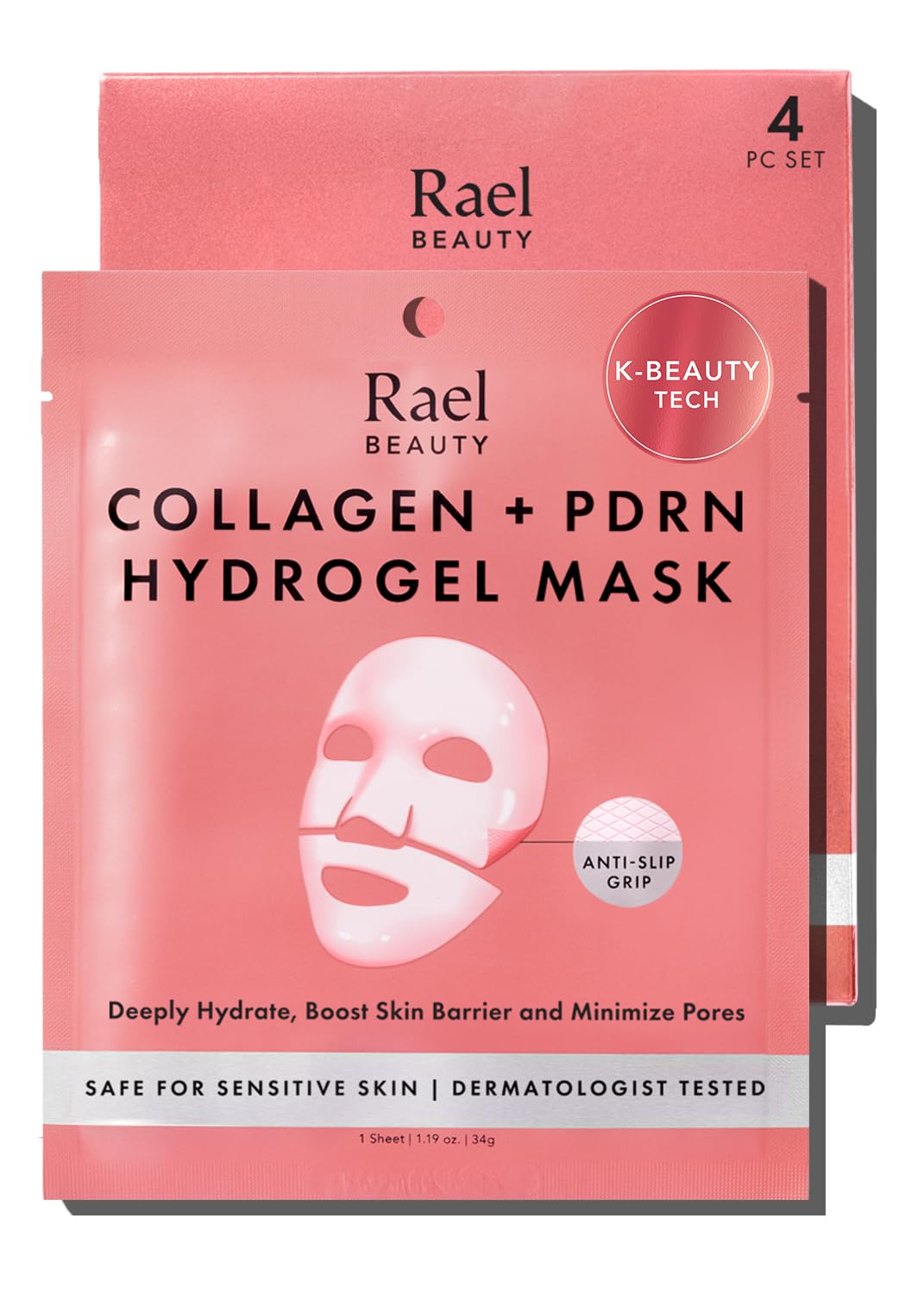
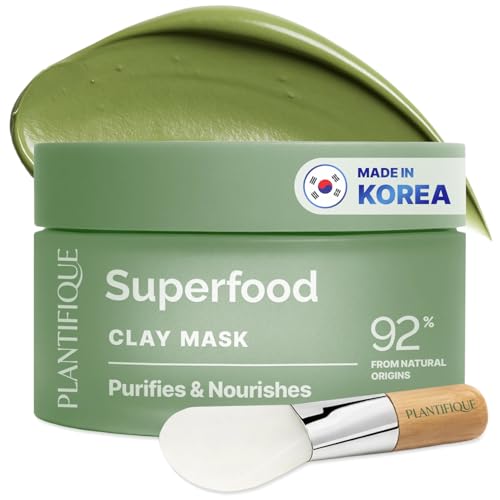
The picks below are ready-made avocado-based face treatments for days when you want the benefits of avocado skincare without mashing a fresh mask. Check the live details on Amazon before buying.
As an Amazon Associate I earn from qualifying purchases.
As an Amazon Associate I earn from qualifying purchases.
Frequently Asked Questions
How often should I use an avocado face mask?
Once a week is a good starting point, and twice a week suits the gentlest recipes. More frequent use does not speed up results and can irritate skin, particularly with clay or turmeric versions.
Can avocado face masks help with acne?
They can support skin comfort and hydration, and a carefully diluted tea tree addition may help some people with occasional blemishes, but they are not an acne treatment. Persistent acne deserves proper skincare or dermatologist advice.
Is avocado safe for sensitive skin?
Often yes, especially in the simple avocado and oatmeal recipe, but patch-testing is essential. Anyone with a latex-fruit sensitivity should be cautious with avocado, and any mask should be skipped if skin is broken or currently reacting.
Can I leave an avocado mask on overnight?
No. Avocado masks are designed for 10 to 15 minutes. Leaving one on overnight risks irritation, staining bedding, and bacterial growth in a food-based mask. For an overnight step, consider a product designed for that purpose: aloe vera on face overnight.
Should I use fresh avocado or avocado oil?
Fresh mashed avocado gives the creamy mask texture these recipes rely on. Avocado oil is a fine moisturizing ingredient in its own right, but it will not create the same mask — use fresh fruit for these recipes.
Do avocado masks stain skin or clothes?
Plain avocado does not usually stain skin, but turmeric can temporarily tint fair skin and will stain towels, so use a dark towel for the turmeric recipe and keep the amount small.
Conclusion
Avocado face masks earn their popularity honestly: one affordable fruit, a handful of gentle partners, and a recipe for every skin type — honey for dry skin, clay for oily skin, yogurt for combination skin, oats for sensitive skin, and a careful turmeric version for dull skin. Make them fresh, patch-test first, keep applications to 10 to 15 minutes once a week, and treat them as a pleasant complement to a solid daily routine. Done that way, an avocado mask is a small, reliable ritual that leaves skin feeling softer and calmer, week after week.
Love this? Pin it for later!