Do Lip Plumpers Actually Work? (Dermatologist View)
Few products inspire as much skepticism as lip plumpers. A tube promises visibly fuller lips in minutes, yet the moment you apply one, your lips start tingling — sometimes burning — and you are left wondering: is this actually doing anything, or is it just an expensive irritant? If you are asking do lip plumpers actually work, you are not alone. It is one of the most-searched questions in lip care, and the answer deserves more nuance than the marketing copy gives it.
Here is the short, honest version: most lip plumpers do create a temporary visible change, but it is not the same thing as adding real volume. Dermatologists generally agree that the effect comes from a combination of increased blood flow, light swelling from mild irritation, and optical tricks like high shine. Understanding which of those three is at play in any given product — and which ingredients drive them — is what separates a well-formulated plumper from an overpriced sting machine. This guide walks through the science, the ingredient lists, and the realistic before-and-after expectations you should actually have.
Key Takeaways
- Most lip plumpers work through mild irritation (tingling), increased blood flow, and shine — not real volume.
- The effect is temporary: typically 1–3 hours, and it fades as blood flow normalizes.
- Peptide-based formulas are the gentlest route to a subtle, cumulative smoothing effect.
- Products relying on cinnamon, menthol, or capsicum often sting more than they plump.
- Hyaluronic acid in plumpers hydrates the surface but cannot add true lip volume.
- If you have very dry, cracked, or reactive lips, fix the barrier first before trying plumping formulas.
How Lip Plumpers Are Supposed to Work
The three mechanisms behind the “plump”
Almost every plumping gloss or treatment on the market relies on one or more of three mechanisms. First, vasodilation and blood flow: ingredients like niacin (vitamin B3), menthol, or capsicum signal small blood vessels in the lip to widen, bringing more blood to the surface. Lips look redder and slightly fuller because there is literally more blood under the surface. This is the same flush you get from exercise or embarrassment — it just happens on demand.
Second, controlled mild irritation: many classic plumping formulas contain cinnamon oil, menthol, or capsicum extract. These create a low-grade inflammatory response — the tingle — and the tissue responds with slight swelling. Dermatologists describe this as a legitimate cosmetic effect, but it is worth being honest about what it is: your lips are puffing up a little because they are annoyed, not because they are healthier.
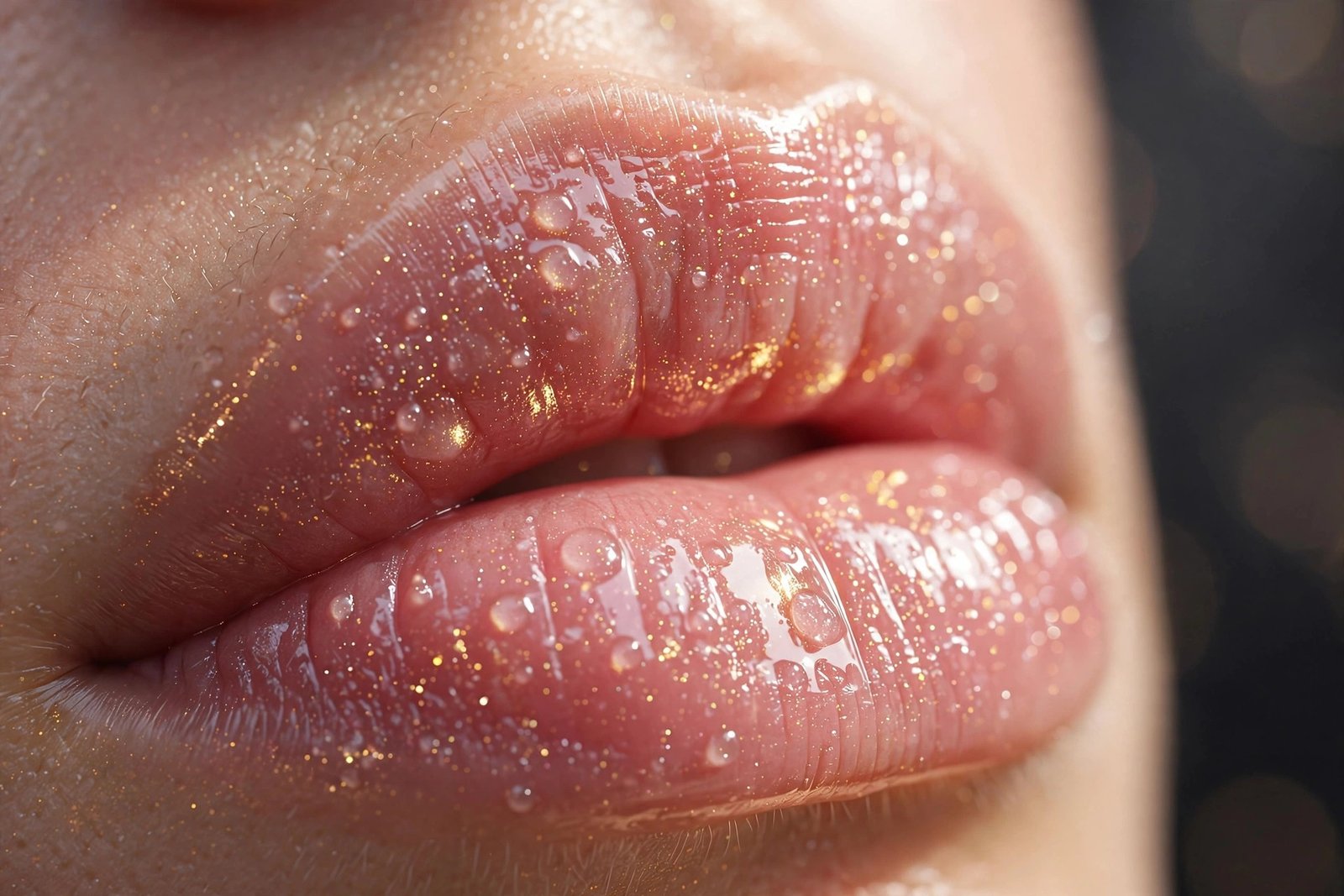
Third, optical fullness: the highest-shine gloss in the world will make lips read as fuller because light reflects off a smooth, glossy surface and the brain interprets that as volume. Matte lips look smaller; glossy lips look bigger. A well-built plumping formula leans on this heavily, and it is the part of the effect that carries zero irritation.
What dermatologists actually say
The consensus view among dermatologists is cautious but not dismissive. Most agree that lip plumpers can create a genuinely noticeable short-term change in fullness — typically in the range of hours, not days. What they do not do is change the structure of the lip, stimulate collagen in a lasting way, or substitute for an in-office treatment like filler. If a product’s marketing implies permanent volume or “lip-building peptides,” that is where most dermatologists would push back.
A useful framing: think of a lip plumper the way you think of a great push-up bra. The effect is real and visible while you are wearing it, and it photographs well — but nothing has fundamentally changed underneath. There is nothing wrong with that, as long as you are paying for the temporary effect and not a fantasy of structural change.
The Ingredient Breakdown: What Actually Does the Work
Tingle-driven ingredients (niacin, menthol, capsicum)
Niacin (vitamin B3) and its derivatives are the most common blood-flow drivers in plumping formulas. When applied to the lip, they trigger the well-known “niacin flush” — warmth, redness, and slight swelling — which typically peaks within 10–20 minutes and fades over an hour or two. Menthol and capsicum (from chili peppers) work along similar lines by activating sensory receptors that signal heat and irritation.
These ingredients reliably produce a result, but the experience divides people. Some find the tingle invigorating; others find it uncomfortable or even painful. If your lips are dry or have any cracks, the tingle can escalate sharply into burning — which is exactly why a solid everyday lip care routine and healed barrier should come before you experiment with anything tingling.
Peptide-based formulas (the gentler path)
A newer generation of plumping formulas leans on peptides — short chains of amino acids — and hydrating humectants instead of irritation. The claims are typically subtler: smoother lip lines, a more even texture, and a slight plumping appearance from hydration rather than inflammation. Because there is no burn, they suit sensitive lips better.
The honest caveat: the evidence that topical peptides meaningfully change lip structure is thin. What they can do is support the skin barrier and improve hydration, which does make lips look smoother and marginally fuller. Think of these as a long-game option with modest expectations rather than a dramatic before-and-after.
Hyaluronic acid and humectants
Hyaluronic acid shows up in many plumping formulas, but it is important to understand its limits. When you see hyaluronic acid used in injectables, it works because it is placed under the skin in a gel matrix that holds its shape. In a gloss, it sits on the surface of the lip, pulling in ambient moisture and hydrating the top layers. That hydration does smooth out lip lines and make the lip surface look slightly plumper — a real but modest effect.
Where HA formulas earn their place is in comfort: they tend to be the most pleasant plumpers to wear, and well-hydrated lips photograph better even without any swelling. If your main goal is smoother-looking lips rather than drama, this category deserves more attention than the tinglers get.
Realistic Before-and-After Expectations
What you will actually see
A realistic best-case scenario for a well-formulated plumper on healthy lips: within 10–15 minutes, lips look slightly fuller, pinker, and noticeably glossier. The change is most visible in photos and at arm’s length — it is a soft enhancement, not a transformation. For most people, the visible effect peaks around the 30–60 minute mark and fades over 1–3 hours.
What will not happen: your lip line will not move, your lips will not permanently hold their shape, and nobody will mistake your results for filler. If that is the benchmark you are carrying from social media, almost every disappointment with lip plumpers traces back to an expectation mismatch rather than a product failure.
How long the effect lasts (and why it fades)
The fading is biology, not product failure. Blood flow normalizes, mild swelling resolves, and gloss wears off through eating, drinking, and talking. Reapplying restarts the cycle — which is fine occasionally, but layering tingle-based formulas repeatedly across the day is a common path to irritated, chapped lips. Many dermatologists recommend limiting tingling plumpers to once daily or less, and never on broken skin.
For day-to-day wear, a practical approach is to use your plumper for photos or evenings out, and rely on a beginner-friendly lip gloss plus good lip care for everyday fullness. Hydrated, well-cared-for lips look fuller than dehydrated ones — that is free volume that never stings.
Common Mistakes and Who Should Skip Them
Applying plumpers to damaged lips
This is the single most common mistake. If your lips are chronically chapped or cracked, applying a tingling formula is asking for real pain: capsicum and menthol on broken skin burn intensely, and the irritation can slow healing. The rule is simple — no plumper until your lips are fully healed. Treat plumping as a reward for healthy lips, not a treatment for damaged ones.
Overusing tingling formulas
Even on healthy lips, daily or multi-daily use of strong tingling formulas can create a cycle: irritation causes dryness, dryness invites more product, more product causes more irritation. If you notice your lips feel drier on days you use a plumper, or they stay pink and sensitive for hours after the product wears off, that is your signal to scale back. A patch test on a small area of the lower lip before first full application is a sensible step with any new tingling formula.
Sensitive skin, allergies, and cold sores
People with eczema, rosacea, or generally reactive skin should approach plumpers with extra caution — the lip skin is thinner and more reactive than the rest of the face. Anyone with known allergies to cinnamon, mint, or peppers should check ingredient lists carefully rather than trusting a brand’s “plumping complex” label. And if you are prone to cold sores, intense irritation can be a trigger for some people — a dermatologist can confirm whether your formula is safe for you.
When to See a Dermatologist or Doctor
Occasional tingling that fades within an hour is the expected experience with these products. But see a dermatologist or doctor if you notice any of the following: swelling that lasts many hours or spreads beyond the lip line; blistering, hives, or a rash after application; pain that intensifies rather than fading; or lips that stay dry, flaky, and inflamed even after you stop using the product. These can signal an allergic reaction (allergic contact cheilitis), which is more common with fragrance and flavoring ingredients than most people realize.
Also worth a professional conversation: if you are considering injectable filler to chase a plumper-like result, a consultation with a board-certified dermatologist or plastic surgeon is the only honest route to real volume. Topical products cannot do what injections do, and pretending otherwise is how people end up layering irritating formulas in pursuit of something they were never going to get from a gloss.
How to Choose a Plumper (If You Still Want One)
Start by deciding which mechanism you actually want. If you want drama for an evening, a niacin-based formula from an established brand is the classic choice — just keep it occasional. If you want daily-wear subtlety, a peptide or hyaluronic-acid formula with high shine will smooth and brighten without the burn. Read the ingredient list rather than the marketing claims: look for niacin, menthol, capsicum, palmitoyl tripeptide, or hyaluronic acid, and avoid heavy fragrance and “plumping proprietary blends” that refuse to name their actives.
Pair any plumper with a strong lip care foundation. Lips that are exfoliated gently, hydrated, and protected look better with or without a plumping formula — and if you are building a lip routine from scratch, getting the basics right will do more for the appearance of fullness than any tingle ever could. A good everyday lip care routine is the unglamorous foundation every plumper relies on.
Frequently Asked Questions
Do lip plumpers work permanently?
No. Every topical lip plumper works through temporary mechanisms — blood flow, mild swelling, hydration, and shine — and the effect fades within hours. No cream or gloss has been shown to permanently increase lip volume. Lasting volume change requires an in-office procedure like filler, which is a conversation to have with a qualified professional.
Why do lip plumpers burn or tingle?
The tingle comes from ingredients that stimulate blood flow or create mild irritation — typically niacin, menthol, capsicum, or cinnamon oil. The sensation is part of the mechanism: increased blood flow is what creates the temporary fullness. But a strong burn is not a sign the product is “working better”; it often means the formula is too aggressive for your lips, or your barrier is compromised.
Are lip plumpers bad for your lips?
Used occasionally on healthy lips, most well-formulated plumpers are fine. The risks come from overuse of tingling formulas (which can dry and irritate lips), use on damaged lips (where they can cause real pain and delay healing), and allergic reactions to fragrance or botanical ingredients. If your lips feel worse after using one, that product is not for you.
Can lip plumpers replace lip filler?
No. Plumpers create a visible but temporary change measured in hours; filler adds real structural volume that lasts months. They are not comparable products, and marketing that implies a topical gloss can substitute for an injectable is misleading. Think of plumpers as a cosmetic enhancement, filler as a medical-aesthetic procedure.
What ingredients should I look for in a lip plumper?
For the classic plumping effect, niacin or its derivatives are the most reliable blood-flow drivers. For gentler options, look for peptides (like palmitoyl tripeptide-1) and hyaluronic acid for smoothing and hydration. Whatever you choose, read the full ingredient list and be wary of vague “plumping complex” claims with no named actives.
How often can I use a lip plumper?
For tingling, irritation-based formulas, most dermatologists’ guidance suggests occasional use — a few times a week at most — rather than multiple times daily. Hydrating, peptide-based formulas can be worn daily like a regular gloss. If you find yourself needing more applications to get the same effect, or your lips feel drier over time, that is a sign to cut back.
The Honest Bottom Line on Lip Plumpers
So — do lip plumpers actually work? The evidence-framed answer is yes, but only at a specific thing: creating temporary, visible fullness through blood flow, mild swelling, and shine. They do not add real volume, they do not work permanently, and the strongest versions trade comfort for drama. Whether that trade is worth it depends entirely on your expectations going in.
The healthiest way to use them is as an occasional cosmetic boost on top of well-cared-for lips. Build your everyday lip care routine first, heal any chronic chapping before experimenting, choose a mechanism that matches your tolerance, and judge the product against realistic expectations — not a filter. Fullness you can trust starts with healthy lips, and no tube can shortcut that.
Love this? Pin it for later!