Best Clarifying Shampoos for Buildup (12 That Work)
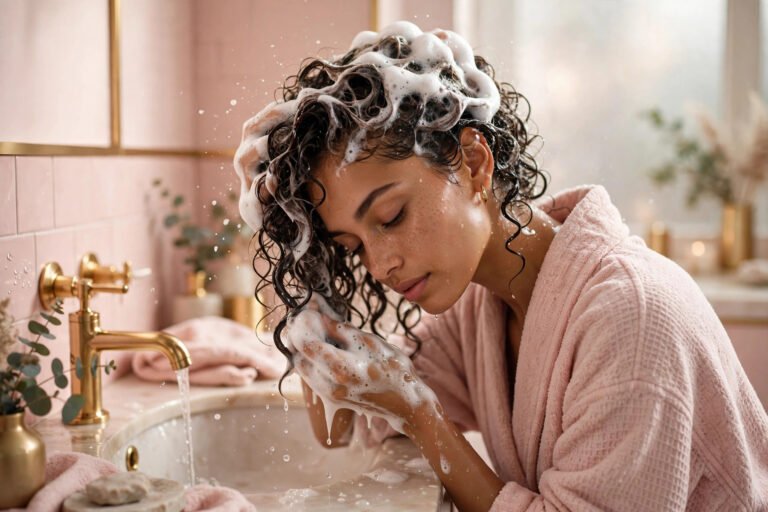
Every hair routine eventually hits the same wall: hair that feels coated no matter how much you shampoo, curls that lost their bounce, or a scalp that itches despite regular washing. The culprit is usually buildup — layers of dry shampoo, styling products, silicones, and hard-water minerals that ordinary shampoo can’t dissolve. A clarifying shampoo is the reset button: a stronger, purpose-built cleanser that strips all of it away in a single wash.
Clarifying shampoos aren’t meant for daily use. Used too often, they can leave hair dry and brittle. But used correctly — roughly once every 2–4 weeks, or whenever you spot the warning signs of product buildup — they’re the single fastest way to restore freshness, volume, and shine.
This guide rounds up 12 clarifying shampoos that genuinely work, organized by the buildup problem they solve best: hard water, dry-shampoo overload, silicone and styling-product gunk, and sensitive scalps.
Key Takeaways
- Clarifying shampoos are stronger cleansers designed for occasional use — every 2–4 weeks, or whenever buildup appears.
- Match the formula to your problem: chelating formulas for hard water, oil-cutting formulas for dry-shampoo overload.
- Always follow a clarifying wash with deep conditioner to replace the moisture it removes.
- Sulfate-free options exist for color-treated and curly hair that still need an occasional reset.
What Makes a Clarifying Shampoo Different
Regular shampoos contain mild surfactants at concentrations designed for frequent use. Clarifying shampoos use stronger surfactants (often sodium laureth sulfate or sodium C14-16 olefin sulfonate) at higher concentrations, plus chelating agents like EDTA that bind to minerals and rinse them away. The result is a deeper cleanse that dissolves:
- Silicone buildup from heat protectants and serums
- Layers of dry shampoo and texturizing sprays
- Hard-water minerals (calcium, magnesium, iron)
- Heavy butters and waxes from styling products
- Chlorine residue from swimming pools
Because they’re powerful, clarifying shampoos can also strip natural oils and color molecules — which is why frequency matters more than formula strength. One good clarifying wash followed by deep conditioning beats a month of half-measures.
How to Choose the Right Clarifying Shampoo
For hard-water buildup: Look for chelating shampoos (ingredients like EDTA or phytic acid). Hard-water minerals are the most stubborn form of buildup and need a dedicated mineral remover — a standard clarifier won’t fully dissolve them. If your hair feels rough and straw-like even after conditioning, minerals are likely the issue.
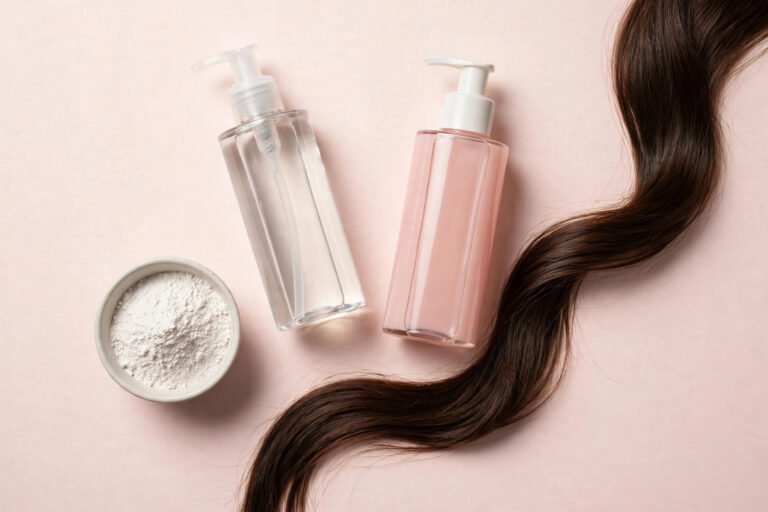
For dry-shampoo and styling-product overload: You need strong oil-cutting surfactants. Dry shampoo works by absorbing oil with starches and clays, and those powders cake onto the scalp over days of use. An oil-dissolving clarifier lifts them in one pass.
For curly and co-wash routines: If you co-wash your curly hair regularly, you still need an occasional reset. Choose a gentler clarifier and use it every 3–4 weeks so conditioning agents and light silicones don’t accumulate into limp, coated curls.
For color-treated hair: Chelating and sulfate-free clarifiers exist that remove minerals without aggressively stripping color. Clarify before a color appointment (clean hair takes color more evenly) and 2–3 weeks after, never in the first week.
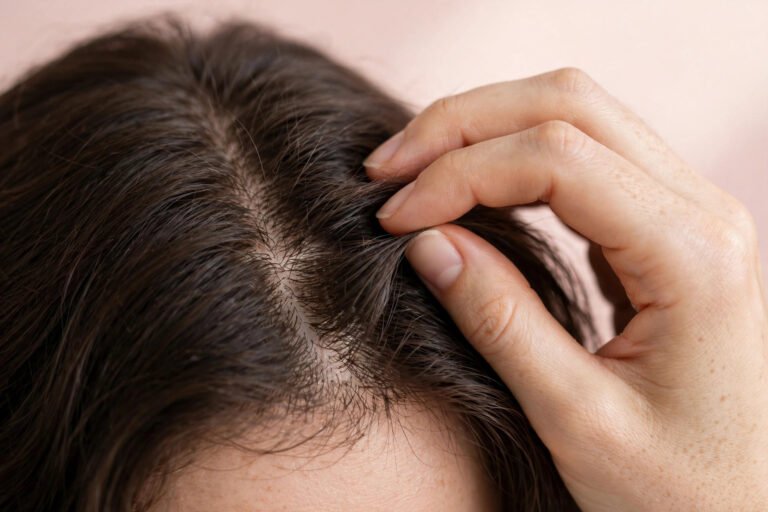
For sensitive or itchy scalps: Fragrance-free, dye-free formulas with soothing ingredients like aloe or chamomile give you the deep clean without irritation. Pair the wash with a proper scalp care routine for ongoing comfort.
The 12 Best Clarifying Shampoos for Buildup
Best for Hard-Water Minerals
1. Malibu C Hard Water Wellness Shampoo
The gold standard for mineral removal. Its chelating complex dissolves calcium, magnesium, and iron deposits that make hair feel rough and look dull. A favorite among stylists in hard-water regions.
2. Ion Hard Water Shampoo
A budget-friendly chelating option that punches above its price. Removes mineral film effectively, though it can be drying — deep condition well afterward.
3. Ouai Detox Shampoo
A premium pick that combines apple cider vinegar with chelating agents. Lifts mineral and product buildup while smelling far better than most clarifiers.
Best for Dry-Shampoo and Product Overload
4. Neutrogena Anti-Residue Shampoo
The classic drugstore clarifier. One wash cuts through days of dry shampoo, hairspray, and texturizing spray. Inexpensive enough to keep as your dedicated monthly reset.
5. Klorane Shampoo with Nettle
Nettle extract helps regulate oil while strong surfactants dissolve powdery dry-shampoo residue. A good pick for oily scalps that live on dry shampoo between washes.
6. Paul Mitchell Shampoo Two
A salon staple for deep cleansing. Cuts through heavy styling products and silicone serums without the harshness of the cheapest clarifiers.
Best for Curly and Co-Wash Routines
7. Kinky-Curly Come Clean
A sulfate-free clarifier made for curls. Removes buildup from co-washing routines without stripping, so curl pattern stays intact. Ideal as the monthly reset in a beginner curly hair routine.
8. Bounce Curl Enzyme Gentle Clarifying Shampoo
Uses fruit enzymes for a gentler exfoliating cleanse. Removes light buildup and refreshes the scalp while respecting curl moisture balance.
9. As I Am Dry & Itchy Scalp Care Shampoo
Targets the flaky, itchy scalp that buildup causes on textured hair. Cleanses deeply while calming irritation — useful if your co-wash routine has left residue behind.
Best for Color-Treated Hair
10. Pureology Purify Shampoo
Sulfate-free and color-safe, with a gentle chelating action. Removes mineral and product buildup without the aggressive stripping that fades color.
11. Redken Hair Cleansing Cream
A creamy, color-safe clarifier that feels more like a treatment than a strip-down. Excellent pre-color appointment to create a clean canvas.
Best for Sensitive Scalps
12. Vanicream Gentle Facial Cleanser (as a scalp pre-wash) / Free & Clear Shampoo
Dermatologist-trusted fragrance-free options. Free & Clear’s shampoo removes buildup with minimal irritants, making it the safest clarifier for reactive, eczema-prone scalps.
How to Use a Clarifying Shampoo Correctly
- Wet hair thoroughly with warm water to open the cuticle.
- Shampoo twice. The first wash loosens surface residue; the second actually cleanses. You’ll notice the second lather is richer — that’s the sign the buildup is lifting.
- Focus on the scalp. Massage with fingertips for 2–3 minutes; let the rinse carry product through the lengths.
- Deep condition immediately. Apply a rich conditioner or mask from mid-length to ends and leave it for 5–10 minutes. Clarifying removes moisture along with buildup, and this step replaces it.
- Don’t clarify too often. Every 2–4 weeks is the sweet spot for most hair. Weekly clarifying will dry out even resilient hair.
If you regularly wash curly hair with sulfate-free shampoo, you may only need a clarifier monthly. Heavy product users and swimmers may need it every two weeks.
Clarifying vs. Co-Washing: When to Use Which
These two methods solve opposite problems, and most routines need both. Co-washing adds moisture and cleanses gently — it’s your everyday maintenance. Clarifying removes what gentle methods leave behind — it’s your occasional reset. The full comparison lives in this co-washing versus clarifying guide, but the short version: co-wash weekly, clarify monthly, and your hair stays in balance.
Skipping the clarifying step is the most common reason co-wash and low-poo routines eventually fail. Buildup is cumulative and invisible at first — by the time hair feels coated, you’re overdue. Scheduling clarifying washes like appointments (every 3rd or 4th wash day) keeps the cycle predictable.
Frequently Asked Questions
Can clarifying shampoo damage my hair?
Used occasionally (every 2–4 weeks) with deep conditioning afterward, no. Used weekly or without conditioning, yes — it can dry out hair, fade color, and roughen the cuticle. Frequency is the risk factor, not the product itself.
Will clarifying shampoo strip my hair color?
It can fade color faster than regular shampoo, especially vivid or semi-permanent shades. Use a color-safe clarifier, clarify less often (every 4–6 weeks), and always deep condition after. Clarifying right before a color appointment is actually ideal.
Can I use clarifying shampoo on a sensitive scalp?
Yes, but choose a fragrance-free formula and don’t scrub aggressively. If your scalp is actively irritated or broken, wait until it calms down — clarifying on raw skin will sting.
How do I know the buildup is actually gone?
After rinsing, hair should feel clean but not squeaky-straw — squeaky means over-stripped. Curls should spring up more defined, volume should return at the roots, and styling products should absorb instead of sitting on the surface. If hair still feels coated, do one more clarifying wash before concluding the product isn’t working.
Is apple cider vinegar a good clarifier?
ACV rinses help with light mineral film and add shine, but they can’t dissolve heavy silicone or dry-shampoo buildup the way a formulated clarifier can. Think of ACV as maintenance between clarifying washes, not a replacement.
The Bottom Line
The best clarifying shampoo is the one matched to your buildup: chelating formulas for hard water, strong surfactants for dry-shampoo overload, gentle sulfate-free options for curls and color. Whichever you choose, the rules are the same — shampoo twice, deep condition after, and keep it to every 2–4 weeks. Do that, and buildup never gets the chance to dull your hair again.
Love this? Pin it for later!