Makeup Expiration Chart: Shelf Life by Product Type
How long does makeup last, really? The answer changes dramatically by product type — mascara turns risky in months while a pressed powder can stay safe for years. This makeup expiration chart gives you the shelf life of every major product category, the signs each one has expired, and the conservative timelines dermatologists recommend.
Bookmark this page or screenshot the chart. Then, when you want the bigger picture — the science of why products expire, how to declutter your whole collection, and safe disposal — read the complete expiry guide.
Key Takeaways
- Eye products expire fastest: mascara and liquid liner every 3 months.
- Liquids and creams last 6–12 months; powders last 1–2 years.
- The PAO symbol on packaging (e.g., “12M”) is your definitive guide.
- Any change in smell, texture, or color means toss it now — regardless of age.
How to Use This Chart
All timelines below are for opened products. Unopened, sealed products generally last 2–3 years in a cool, dark place. The chart uses conservative estimates — the safer end of what manufacturers and dermatologists advise — because stretching product life past safe limits is never worth the risk of infection or irritation.
The Complete Makeup Expiration Chart
| Product | After opening | Signs it’s expired |
|---|---|---|
| Mascara | 3 months | Clumpy, dry, flaky, foul smell |
| Liquid eyeliner | 3 months | Skips, dries out, irritates eyes |
| Gel/cream eyeliner (pot) | 3–6 months | Dries out, crumbly, hard to apply |
| Pencil eyeliner | 1–2 years | Waxy drag, won’t sharpen cleanly |
| Liquid foundation | 6–12 months | Separates, smells sour, oxidizes |
| Cream foundation/stick | 6–12 months | Grainy, won’t blend, smells off |
| Powder foundation | 1–2 years | Patchy, chalky, hard pan on surface |
| Concealer (liquid/cream) | 6–12 months | Separates, cakes, smells different |
| Concealer (stick) | 1–2 years | Drags, grainy texture |
| Primer (liquid/silicone) | 6–12 months | Pills, separates, loses grip |
| Setting spray | 1–2 years | Weakened hold, off smell |
| Pressed powder | 1–2 years | Hard pan, patchy application |
| Loose powder | 2 years | Clumps, stale smell |
| Blush (powder) | 1–2 years | Patchy color, hard film on top |
| Blush (cream) | 6–12 months | Grainy, separates, smells off |
| Bronzer (powder) | 1–2 years | Patchy, chalky payoff |
| Bronzer (cream) | 6–12 months | Won’t blend, texture changes |
| Highlighter (powder) | 1–2 years | Dull payoff, hard pan |
| Highlighter (cream/liquid) | 6–12 months | Separates, grainy |
| Eyeshadow (powder) | 1–2 years | Patchy, less pigmented, hard pan |
| Eyeshadow (cream) | 6–12 months | Dries out, creases badly |
| Eyebrow pencil | 1–2 years | Won’t sharpen, drags |
| Brow gel | 6–12 months | Clumpy, dried out |
| Lipstick | 1–2 years | Rancid smell, grainy, sweats beads |
| Lip liner | 1–2 years | Drags, won’t sharpen cleanly |
| Lip gloss | 6–12 months | Sticky, sour smell, separated |
| Liquid lipstick | 6–12 months | Flaky, patchy, smells off |
| Lip balm (tube/pot) | 1 year | Rancid smell, grainy texture |
| Nail polish | 1–2 years | Thick, won’t mix, stringy |
| Fragrance | 2–3 years | Sour top notes, faded strength |
Why Eye Products Expire First
Mascara and liquid eyeliner top every “throw it away” list because of how they’re used: a wand goes from the product to your eye and back, carrying bacteria into a warm, dark, moist tube — the perfect breeding ground. Ophthalmologists link old mascara to styes and bacterial conjunctivitis more than any other product.
The rule is simple and non-negotiable: replace mascara and liquid eyeliner every 3 months. Pencil liners last longer because sharpening removes the contaminated outer layer — just sharpen before every use. the full reasoning behind the mascara rule.
Liquids and Creams: The 6–12 Month Window
Liquid foundation, concealer, cream blush, and lip gloss share one trait: water content. Moisture lets preservatives work, but it also lets microbes grow once those preservatives fade. That’s why every liquid and cream sits in the 6–12 month range.
Watch for separation (oily and watery layers that won’t re-blend), sour or chemical smells, and color that oxidizes darker than when new. A foundation that suddenly causes breakouts after months of happy use has almost certainly turned. a step-by-step declutter method.
Powders: The Longest-Lived Category
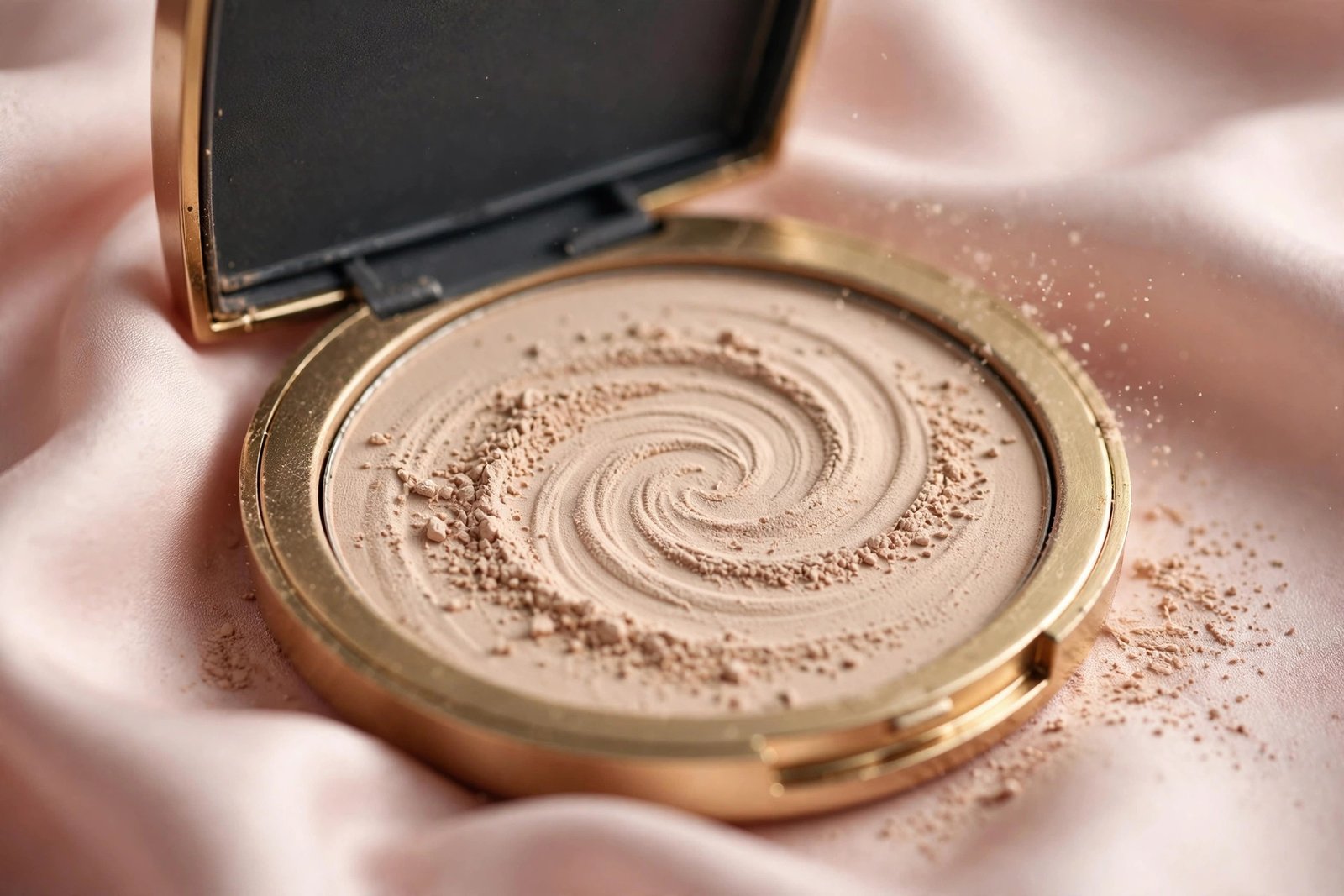
Pressed powders, blush, bronzer, and powder eyeshadow can stay safe for 1–2 years because bacteria struggle to grow without moisture. Their main enemies are contamination from dirty tools and fingers, plus staleness — “hard pan” (a shiny film on the surface), chalky payoff, and patchy color.
You can extend powder life meaningfully with clean habits: wash brushes weekly, never apply with fingers straight from the pan when you can avoid it, and keep compacts closed and dry. But even the best-kept powder deserves retirement at the 2-year mark.
Lip Products: What to Watch For
Lipsticks and liners last 1–2 years; glosses and liquid lipsticks 6–12 months because their doe-foot applicators ferry bacteria in and out. The telltale sign of an expired lip product is smell — a rancid, crayon-like, or waxy odor means the oils have oxidized. Grainy texture, sweating beads of oil, or a white film that won’t wipe off are other red flags.
If you’ve used a lip product during a cold sore or illness, discard it rather than risk reinfection. which lip products can be safely disinfected.
Products That Don’t Follow the Chart
A few items deserve special mention:
- Nail polish doesn’t cause infections, but after 1–2 years it thickens and separates. If rolling the bottle doesn’t restore a smooth formula, it’s done.
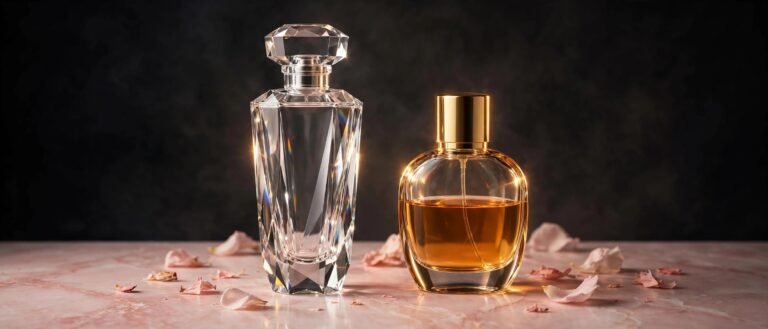
- Fragrance lasts 2–3 years; expired perfume is safe but smells off — sour top notes and faded strength.
- Sunscreen deserves its own caution: it expires in about 1 year after opening, and expired sunscreen loses SPF protection silently. Never rely on old sunscreen.
- Natural or preservative-free products often expire faster than the chart suggests — check the PAO symbol, which manufacturers set based on actual testing.
Storage: The Variable That Changes Everything
The chart assumes reasonable storage — cool, dark, dry. A steamy bathroom cabinet accelerates breakdown across every category, sometimes dramatically. Heat degrades preservatives faster; humidity invites mold into powders.
Best practice: store makeup in a bedroom drawer or vanity away from heat and moisture, close lids tightly after every use, and never store products in a hot car. Good storage doesn’t extend the safe window past its limit, but bad storage can cut it short.
What About Tools and Applicators?
Your products don’t expire in a vacuum — dirty tools contaminate them faster. Mascara-style spoolies, doe-foot gloss applicators, and fingers are the main bacteria highways into your products. Washing brushes weekly and replacing beauty sponges every 1–3 months meaningfully slows contamination, which is one reason tools deserve their own hygiene routine alongside your products.
Frequently Asked Questions
Where do I find a product’s expiration date?
Look for the PAO symbol — an open-jar icon with a number and “M” (e.g., “12M”) on the back or bottom of the packaging. It tells you how many months the product is safe after first opening. Batch codes can reveal manufacturing dates if you need them.
Does makeup expire if never opened?
Yes, but slowly — typically 2–3 years for most sealed products kept cool and dark. Once the seal breaks, the PAO countdown starts. Heat and light shorten even unopened shelf life.
Can I make makeup last longer by storing it in the fridge?
Refrigeration can help natural or preservative-free products, but for standard makeup a cool, dark drawer is sufficient. Avoid freezing, which can destroy emulsion formulas. No storage trick extends the PAO window past its limit.
Why does the same product type vary by brand?
Different preservative systems, packaging (pump vs. jar), and formulas shift safe lifespans. Always defer to the product’s own PAO symbol over any chart — this chart gives safe general guidance, but the manufacturer tested your specific formula.
Conclusion
Keep this chart handy: mascara and liquid liner every 3 months, liquids and creams within 6–12 months, powders up to 2 years, and anything that smells, looks, or feels off goes immediately. When in doubt, follow the PAO symbol on the packaging — it’s the most reliable expiry date your makeup has.
And remember, a chart only helps if you act on it. run a full makeup-bag audit twice a year and mark opening dates on everything you keep. A small habit now prevents the “is this still good?” guessing game later — and keeps every product performing the way it did on day one.
Love this? Pin it for later!