Best Concealer for Mature Skin That Doesn’t Crease: 2026 Guide
If concealer seems to vanish into your fine lines by lunchtime, you are not doing anything wrong — you are probably using the wrong formula, the wrong shade, or too much product. The under-eye area is the thinnest, driest skin on your face, and after 40 it shows every mistake a thick, matte concealer can make. The best concealer for mature skin that doesn’t crease is almost always a hydrating, flexible formula applied in whisper-thin layers.
This guide covers what to look for in a crease-proof concealer, how to prep and apply it so it stays put, the mistakes that cause creasing, and honest notes on the formula types reviewers consistently praise. For the bigger picture — how concealer fits into a full routine built for skin over 40 — start with our complete makeup guide for mature skin over 40. And if creasing is your number-one frustration, the science behind it is explained in our why concealer creases under eyes.
Why Concealer Creases More on Mature Skin
Understanding the cause makes the fix obvious. Three things change with age that all push concealer toward creasing:
Thinner, drier under-eye skin. Less collagen and less natural oil mean the skin surface is less smooth, so thick product has more texture to settle into. Hydrating formulas flex with the skin; stiff matte ones crack.
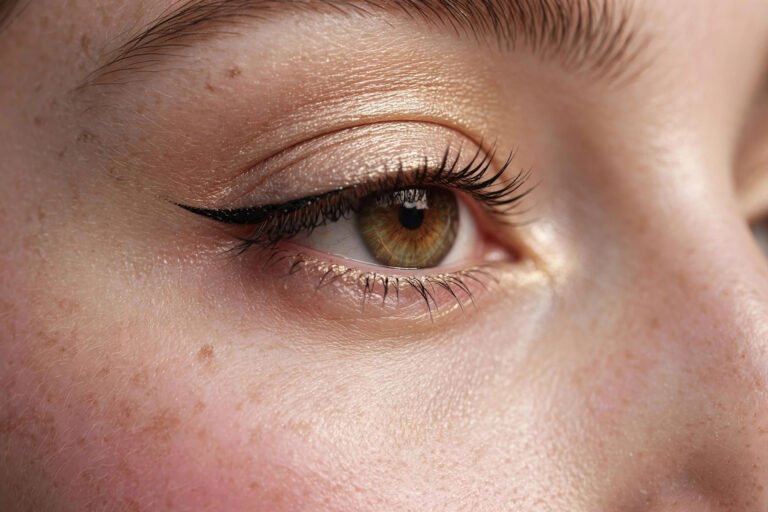
More movement, less snap-back. You blink around 15,000 times a day, and skin with less elasticity folds more readily at every blink. A concealer that dries down rigid will crease along those fold lines. One that stays slightly flexible will not.
Dehydration pulls product in. Dry under-eyes absorb moisture from creamy makeup, leaving pigment behind in the lines. Proper prep — eye cream plus time to absorb — prevents concealer from being “drunk up” by thirsty skin.
What to Look for in a Crease-Proof Concealer
Hydrating, Flexible Formulas
The number-one rule: choose concealers described as hydrating, radiant, serum, or flexible — not matte, full-coverage, or long-wear. Serum concealers and lightweight liquid formulas with skincare ingredients (hyaluronic acid, squalane, niacinamide) are the category reviewers with mature skin praise most. They brighten without a thick layer and move with your expressions.
The Right Coverage Level: Medium, Not Full
Full-coverage concealers require a thicker layer, and thickness is what creases. A medium-coverage formula in thin layers covers dark circles better than one thick layer of full coverage — counterintuitive, but consistently true. You can always add a second thin layer; you cannot un-crease a thick one.
Shade: Brighten, Don’t Go Too Light
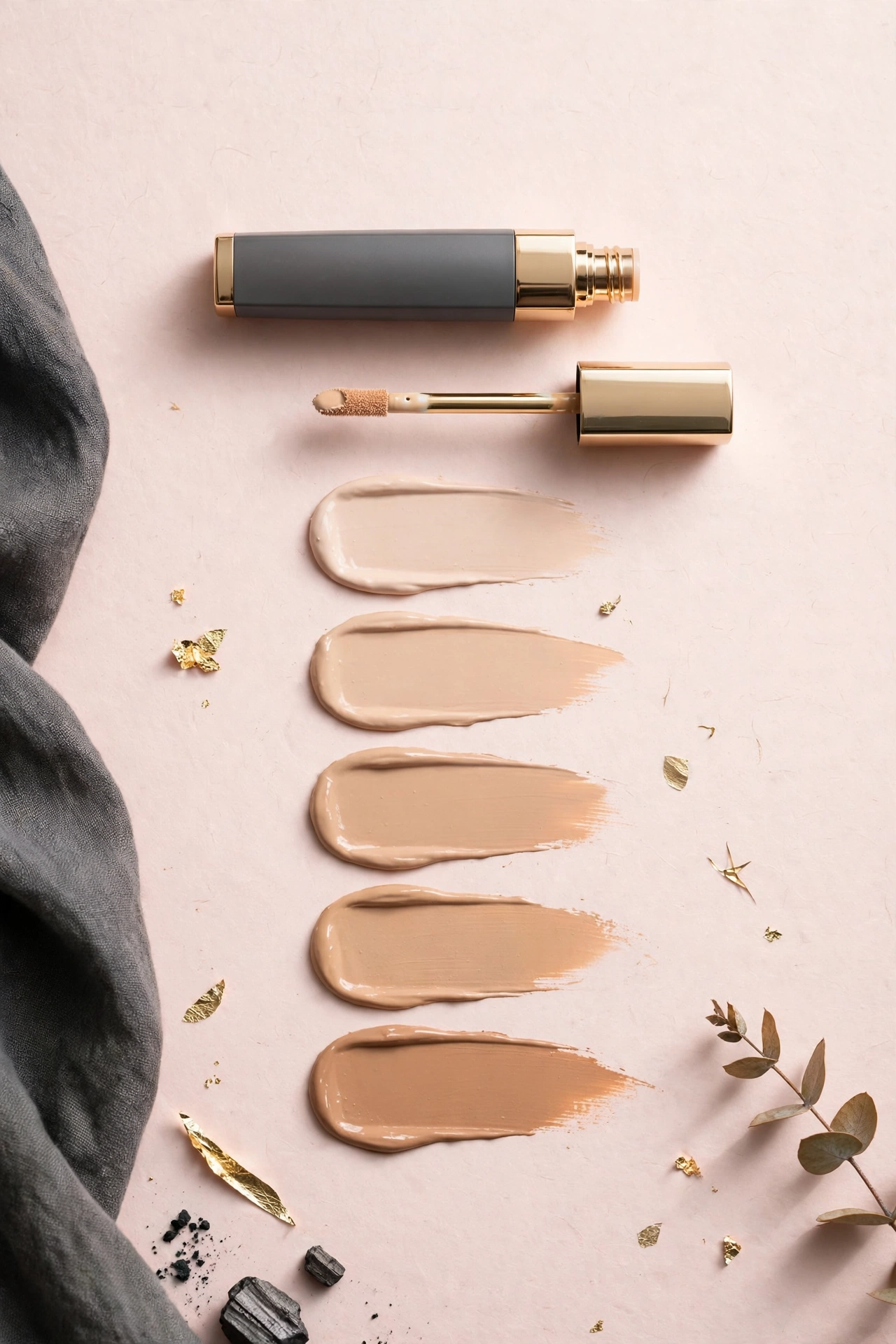
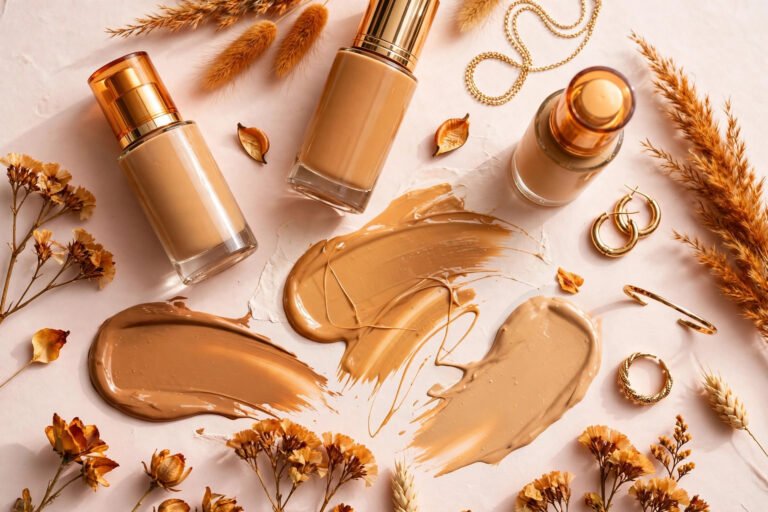
The old advice was “go two shades lighter.” On mature skin, too-light concealer looks chalky and draws attention to texture. Go one shade lighter than your foundation at most, with a peachy or warm undertone to counteract blue-purple dark circles. Color correctors in peach or salmon tones can go underneath for strong discoloration — a thin layer of corrector plus a thin layer of concealer beats a thick layer of either.
Finish: Satin or Natural
A satin or natural finish reflects light softly, which blurs the under-eye area. Flat matte finishes emphasize every line. If your concealer is slightly too matte, a hydrating setting spray after application can take the edge off.
The No-Crease Application Technique, Step by Step
Product choice is half the battle; technique is the other half. Makeup artists who work with mature skin follow this sequence:
1. Prep with Eye Cream (and Wait)
Pat a lightweight eye cream around the orbital bone with your ring finger. Then wait a full two to three minutes. Applying concealer over wet eye cream makes it slide and pool — the most common prep mistake.
2. Less Product Than You Think
Use about half the amount you expect — a small dot or a thin swipe per eye is plenty. Dot concealer in the inner corner and along the darkest area, not in a big triangle across the whole under-eye. The outer under-eye area rarely needs product, and putting it there is what creases at the outer corners.
3. Blend with a Damp Sponge
Press and bounce a damp makeup sponge over the concealer rather than dragging. The damp sponge sheers the product out and presses it into skin instead of letting it sit on top. Fingers work too — the warmth helps — but sponges give the thinnest, most even layer.
4. Set Strategically (Barely)
If you set at all, use the tiniest amount of finely milled translucent powder, pressed only where you crease most — usually the inner corner — with a small fluffy brush. Many women over 40 skip powder entirely and get better results with a light mist of hydrating setting spray. Heavy baking under the eyes is one of the classic makeup mistakes that make you look older for exactly this reason.
5. The Midday Touch-Up Trick
If you notice slight creasing later in the day, do not add more concealer. Instead, press the area gently with a clean fingertip or a damp sponge — the warmth re-melts the product back into place. Adding layers on top of creases just builds a thicker, more visible ridge.
Formula Types Compared: What Reviewers Recommend
Serum concealers: The current favorite for mature under-eyes. Thin, hydrating, brightening — reviewers frequently mention they look like skin, not makeup. Best for everyday wear and anyone whose main issue is creasing.
Cream pot concealers: Richer and more pigmented. They work if you warm a tiny amount between fingers and press it in thinly, but the thick texture makes them the easiest to over-apply. Better for spot-concealing blemishes than for the full under-eye area.
Stick concealers: Convenient but often the driest format — many are too stiff for mature under-eyes and drag during application. If you love sticks, warm the tip on your hand first and use a light hand.
Brightening pens: Sheer, illuminating formulas with a brush applicator. Lovely for a no-makeup look and for refreshing the inner corner, but usually too sheer to cover real dark circles alone.
For budget-friendly options specifically, our drugstore concealers for dry under-eyes roundup focuses on affordable picks that do not settle into lines.
Common Concealer Mistakes That Cause Creasing
- Skipping eye cream. Dry skin drinks the moisture out of concealer and leaves pigment in the lines.
- Applying too much. Thickness creases; thin layers do not. Start with half of what feels right.
- Using a full-coverage matte formula. Designed to stay put on oily skin, these dry rigid and crack on mature under-eyes.
- Setting with heavy powder. A thick powder layer on top of concealer is a crease waiting to happen.
- Dragging instead of pressing. Dragging pulls the delicate under-eye skin and deposits product unevenly.
- Concealing the whole under-eye in a triangle. The outer half rarely needs coverage; product there migrates into crow’s feet.
When Concealer Isn’t Enough: The Bigger Picture
Sometimes creasing persists no matter the product, and that is a signal to look at the surrounding routine. Foundation that is too heavy migrates under the eyes and adds to the buildup. Skipping blush makes the under-eye area look comparatively darker, tempting you to over-apply concealer. And dehydrated skin overall will always fight your makeup. If your whole base needs rethinking, our makeup routine for mature skin over 40 walks through the full order of operations, including the hydration-first prep that makes everything else work better.
Key Takeaways
- The best concealer for mature skin that doesn’t crease is a hydrating, flexible, medium-coverage formula — not a thick matte full-coverage one.
- Choose a shade only one level lighter than foundation, with warm or peachy undertones to neutralize dark circles.
- Prep with eye cream and wait 2–3 minutes before applying; wet eye cream causes sliding and pooling.
- Apply half the product you think you need, blend with a damp sponge using pressing motions, and set with minimal powder or setting spray only.
- For midday creasing, press with a warm fingertip to re-melt product — never layer more concealer on top.
- Serum concealers are the most reviewer-loved format for mature under-eyes; avoid dry stick formulas unless warmed and sheered out.
Frequently Asked Questions
What is the best concealer for mature skin that doesn’t crease?
Hydrating serum concealers with medium coverage and a satin finish perform best on mature under-eyes. Look for formulas with skincare ingredients like hyaluronic acid or squalane, choose a shade one level lighter than your foundation, and apply in thin layers with a damp sponge. Technique matters as much as the product.
Should you put concealer or foundation on first?
Foundation first, then concealer. Foundation evens out most of the face, so you need far less concealer afterward — and less product means less creasing. Applying concealer first usually leads to over-applying both.
Why does my concealer always settle into fine lines?
The usual culprits are a too-thick or too-matte formula, skipping eye cream prep, applying too much product, or setting with heavy powder. Thin layers of a flexible hydrating formula, pressed in with a damp sponge and set minimally, solve most creasing.
Is it better to use a brush, sponge, or fingers for under-eye concealer?
A damp sponge gives the thinnest, most even layer and is the safest choice for crease-prone mature skin. Fingers work well too since warmth helps product melt in, but be gentle — no dragging. Dense brushes deposit the most product and are easiest to overdo.
Do I need to set concealer with powder?
Not necessarily. Many women over 40 get better results skipping powder under the eyes entirely and using a light mist of hydrating setting spray. If you do set, use a tiny amount of finely milled translucent powder pressed only into the areas that crease, never a heavy layer.
Can color corrector replace concealer for dark circles?
For strong blue or purple dark circles, a thin layer of peach or salmon corrector under concealer works better than either product alone — the corrector neutralizes the color so you need less concealer on top. For mild darkness, a single layer of the right concealer shade is enough.
Love this? Pin it for later!