Eyebrow Threading vs Waxing: An Honest Comparison
When it’s time to get your brows professionally shaped, two methods dominate: threading and waxing. Both remove hair from the root, both give clean results that last weeks, and both have passionate devotees who insist their method is superior. So which one is actually better?
The honest answer: it depends on your skin, your pain tolerance, your brow goals, and your budget. This guide compares threading and waxing across every factor that matters — pain, precision, cost, skin sensitivity, results, and upkeep — so you can choose with clear eyes rather than marketing claims.
If you’re still deciding whether to shape your brows yourself or go to a professional, our beginner’s eyebrow shaping guide covers the DIY tweezing approach too.
How Each Method Works
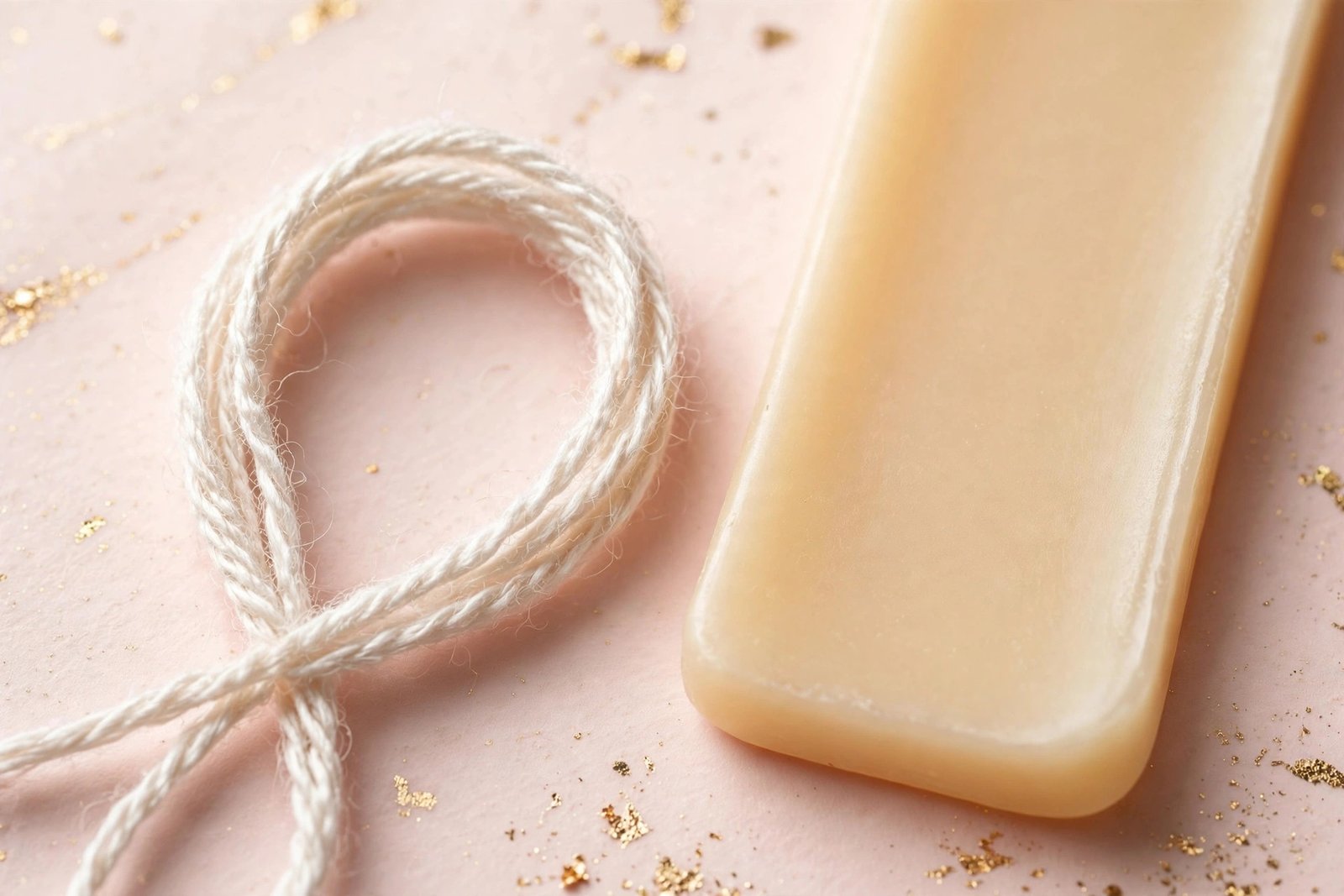
Threading is an ancient hair-removal technique (originating in South Asia and the Middle East) that uses a twisted cotton thread. The technician rolls the twisted thread across the skin, catching hairs in the twist and pulling them out from the root — sometimes several at a time, sometimes in precise single rows. No chemicals, no heat, no strips.
Waxing applies warm wax to the brow area, which grips the hairs as it cools slightly. A cloth or paper strip is pressed on and pulled off quickly, removing the wax and the hairs with it. Hard wax (which hardens and is pulled off without a strip) is also common for brows because the area is small and the skin is delicate.
Both methods remove hair from the root, which means results last 2–4 weeks and regrowth comes back softer-tipped than shaving. The differences lie in the details.
Pain: Which Hurts More?
Let’s address the question everyone actually wants answered first.
Threading is often described as a quick, sharp pinching or stinging sensation. Because the thread removes hairs in small sections, the pain comes in rapid bursts. Most people find the area between the brows (where skin is thinner) and the tail the most sensitive. The sensation stops the instant the thread passes — there’s no lingering burn.
Waxing is one fast, intense pull. The anticipation is often worse than the event itself; the actual removal takes a second. However, waxing can leave a lingering heat or tenderness for several minutes afterward, especially on sensitive skin.
The honest verdict: Pain is highly individual, but most first-timers report threading as the milder experience overall — the sensation is briefer per section and there’s no heat involved. That said, threading takes longer (more individual passes), so the total duration of discomfort can be greater even if each moment is milder. If you have a very low pain tolerance, neither is painless, but neither is unbearable either — brow shaping is one of the quickest salon services there is.
Pain-reduction tips for both: Avoid booking right before or during your period (skin is more sensitive), skip caffeine beforehand if you’re jittery-sensitive, and tell the technician it’s your first time — a good one will work efficiently and check in with you.
Precision and Results: Which Gives Better Brows?
This is where the two methods diverge most.
Threading wins on precision. The technician controls exactly which hairs the thread catches, working row by row. This makes threading the better choice for:
– Defining a crisp, clean brow line
– Detailed reshaping work
– Cleaning up very fine hairs that wax might miss
– Working around an existing shape you want to preserve
Because threading removes hairs individually or in tiny rows, the technician can sculpt with unusual accuracy — it’s essentially professional tweezing at high speed.
Waxing wins on speed and smoothness. Wax grabs everything in the applied area at once, including the ultra-fine vellus hairs (“peach fuzz”) around the brow that threading sometimes leaves behind. The result is an exceptionally smooth, clean area around the brow. Waxing is the better choice for:
– Quick, efficient cleanups
– Removing fine surrounding hair for a polished finish
– Thicker, coarser brow hair that needs decisive removal
The honest verdict: For the brow shape itself, threading generally produces the more precise, defined result — which is why it’s the preferred method at dedicated brow bars. For overall smoothness of the surrounding skin, waxing has the edge. Many brow specialists actually combine approaches: threading for the shape, and that’s it — or waxing for speed when the shape is already established.
One caveat: precision depends enormously on the technician. A skilled waxing specialist will outperform a mediocre threader every time. The method matters less than the hands doing it — read reviews and look at before/after photos when choosing where to go.
Skin Sensitivity: Which Is Gentler?
This is the deciding factor for a lot of people.
Threading is the gentler option for sensitive skin. It touches only the hair, not the skin — the thread glides over the surface without pulling or tugging the skin itself. There’s no heat, no chemicals, and nothing left behind on the skin. People with rosacea, eczema-prone skin, or general sensitivity usually tolerate threading better.
Waxing is harder on skin. The wax adheres to the top layer of skin as well as the hair, so removal exfoliates — which is why skin often looks pink or feels raw afterward. For most people this fades within an hour, but for sensitive skin it can mean prolonged redness, bumps, or even lifting (where a thin layer of skin comes off with the wax).
Critical waxing warnings:
– If you use retinoids (tretinoin, adapalene, retinol) or strong exfoliating acids (glycolic, salicylic) on your face, waxing can tear the skin. Most dermatologists advise stopping retinoids 5–7 days before waxing — or choosing threading instead, which doesn’t interact with these products.
– If you’ve had a recent chemical peel, laser treatment, or sunburn around the brow area, skip waxing until the skin has fully recovered.
– If you’re on blood thinners or have a bleeding disorder, mention it to the technician beforehand for either method.
The honest verdict: Threading is the safer default for sensitive, reactive, or product-treated skin. Waxing is fine for resilient skin but demands more caution.
Cost Comparison
Prices vary by city and salon tier, but general ranges:
- Threading: Typically $10–$25 per session at most brow bars and salons. It’s often the cheaper option because it requires no consumable products beyond thread.
- Waxing: Typically $15–$35 per session. Slightly more expensive on average due to product costs and the (usually) salon setting.
Neither requires expensive aftercare products. Both need repeating every 2–4 weeks to maintain the shape, so factor the ongoing cost into your decision — a $15 difference per session becomes significant over a year of monthly appointments.
DIY cost note: Threading is essentially impossible to do well on yourself (the technique requires two hands and a mirror angle that doesn’t work for your own brows). Waxing has at-home kits, but brow waxing at home is risky for beginners — it’s easy to remove too much or burn the delicate eye-area skin. For DIY shaping, tweezing remains the safest method; see our guide on how to shape eyebrows at home.
Time and Convenience
- Threading takes about 10–20 minutes for a full brow shaping, depending on how much work is needed. Threading specialists are common in malls, brow bars, and South Asian/Middle Eastern salons — often with walk-in availability.
- Waxing takes about 10–15 minutes. Available at virtually every full-service salon, spa, and many nail salons — slightly easier to find in areas without dedicated brow bars.
Both are quick lunchtime appointments. Threading spots often have the edge for walk-ins; waxing has the edge for availability in smaller towns.
How Long Do Results Last?
Both methods remove hair from the root, so regrowth timelines are similar: 2–4 weeks before new growth becomes noticeable, with most people booking maintenance every 3–4 weeks.
There’s a persistent myth that one method makes hair grow back thinner or slower than the other. In reality, any root-removal method (threading, waxing, tweezing) produces similar regrowth — the hair grows back with a tapered tip, which feels softer than a shaved blunt tip, but the growth rate and thickness are determined by your follicles, not the removal method.
One real difference: because threading is so precise, technicians can leave the shape cleaner for longer — fewer half-grown strays at the two-week mark compared to a wax that grabbed everything including hairs that weren’t ready to come out cleanly.
Side-by-Side Summary
| Factor | Threading | Waxing |
|---|---|---|
| Pain level | Quick pinching bursts; no heat | One intense pull; lingering warmth |
| Precision | Excellent — hair-by-hair control | Good — best for overall smoothness |
| Sensitive skin | Gentler; no chemicals or heat | Can irritate; avoid with retinoids |
| Fine hair removal | Very good | Excellent (grabs peach fuzz too) |
| Typical cost | $10–$25 | $15–$35 |
| Session time | 10–20 minutes | 10–15 minutes |
| Results last | 2–4 weeks | 2–4 weeks |
| DIY friendly | No | Risky for beginners |
Which Should You Choose?
Choose threading if: you have sensitive skin, you use retinoids or strong exfoliants, you want the most precise shape possible, you’re reshaping your brows significantly, or you want the generally gentler option.
Choose waxing if: your skin is resilient, you want the fastest appointment, you like the ultra-smooth finish around the brow, or threading specialists aren’t available near you.
Consider alternating or combining: some people get threaded for major reshaping a few times a year and waxed (or just tweezed at home) for quick maintenance in between. There’s no rule saying you must pledge loyalty to one method.
Stick with tweezing if: you’re on a tight budget, you only need light maintenance between professional appointments, or you enjoy the control of doing it yourself. A good pair of tweezers and the technique in our at-home shaping guide handle most upkeep beautifully.
What to Do After Your Appointment (Both Methods)
- Don’t touch the area for a few hours — freshly opened follicles are vulnerable to bacteria.
- Skip makeup on the brow area for the rest of the day if possible.
- Avoid heat and sweat (saunas, intense workouts, hot yoga) for 24 hours to prevent irritation and breakouts.
- Soothe redness with aloe vera gel or a cold compress. Mild redness for an hour or two is normal for both methods.
- Don’t pick at ingrown hairs. If you notice bumps in the days after, a gentle exfoliant after 48 hours helps — not before.
If you experience significant swelling, blistering, or lifting (raw patches) after waxing, that’s beyond normal — see a dermatologist rather than waiting it out.
Key Takeaways
- Threading offers superior precision and is gentler on sensitive skin; waxing is faster and gives an ultra-smooth finish.
- Pain is brief with both methods — threading feels like quick pinches, waxing like one fast pull.
- If you use retinoids or strong exfoliating acids, choose threading — waxing can tear treated skin.
- The technician’s skill matters more than the method; check reviews and before/after photos.
- Both last 2–4 weeks and cost roughly $10–$35 per session; neither changes how your hair grows back.
- For DIY maintenance between appointments, tweezing is the safest at-home method.
Frequently Asked Questions
Does threading or waxing hurt more?
Most people find threading slightly more tolerable — the sensation is a series of quick pinches with no heat, versus waxing’s single intense pull plus lingering warmth. But pain is individual, and threading sessions involve more total passes. Neither lasts more than a few minutes of actual discomfort.
Can I get my eyebrows threaded or waxed if I have sensitive skin?
Threading is usually the better choice for sensitive skin since it doesn’t pull on the skin or involve heat or chemicals. Always tell the technician about your sensitivity beforehand. If your skin is extremely reactive, do a small patch test (like the area between the brows) first.
I’m using tretinoin — can I still get my brows done?
Yes, but choose threading, not waxing. Retinoids thin the outer skin layer, and wax can lift or tear it. Most dermatologists recommend stopping topical retinoids 5–7 days before any waxing. Threading doesn’t have this interaction.
How often should I get my eyebrows threaded or waxed?
Every 3–4 weeks maintains a clean shape for most people. Faster growers might need every 2–3 weeks; slower growers can stretch to 5–6. Light tweezing at home between appointments keeps things tidy without needing more frequent salon visits.
Will threading or waxing make my brow hair grow back thicker?
No. This is a persistent myth. Removing hair from the root doesn’t change the follicle — regrowth thickness and rate are determined by genetics and hormones, not by the removal method. Hair may feel different (softer tip vs. blunt tip) but it isn’t thicker.
Conclusion
Threading and waxing both deliver clean, professional brow shapes that last for weeks — the “best” one is simply the one that fits your skin, budget, and preferences. Sensitive skin or retinoid user? Threading is your safer bet. Want speed and the smoothest finish? Waxing delivers. And remember that the person holding the thread or the wax strip matters as much as the method itself, so choose your brow artist carefully.
Whichever you pick, light at-home tweezing between appointments keeps your shape sharp without extra salon visits. For the full DIY technique, our at-home eyebrow shaping guide has you covered.
Love this? Pin it for later!