Best Cleanser for Sensitive Skin: 9 Gentle Fragrance-Free Picks That Won’t Strip
Cleansing is where most sensitive skin routines go wrong. A harsh cleanser can undo everything your moisturizer and sunscreen are doing — stripping the lipid barrier, shifting skin pH upward, and leaving your face tight, red, and reactive before the rest of your routine even starts. Studies on cleansing and barrier function consistently show that mild, low-pH cleansers preserve the skin’s acid mantle, while high-pH or heavily surfactant-loaded formulas increase transepidermal water loss.
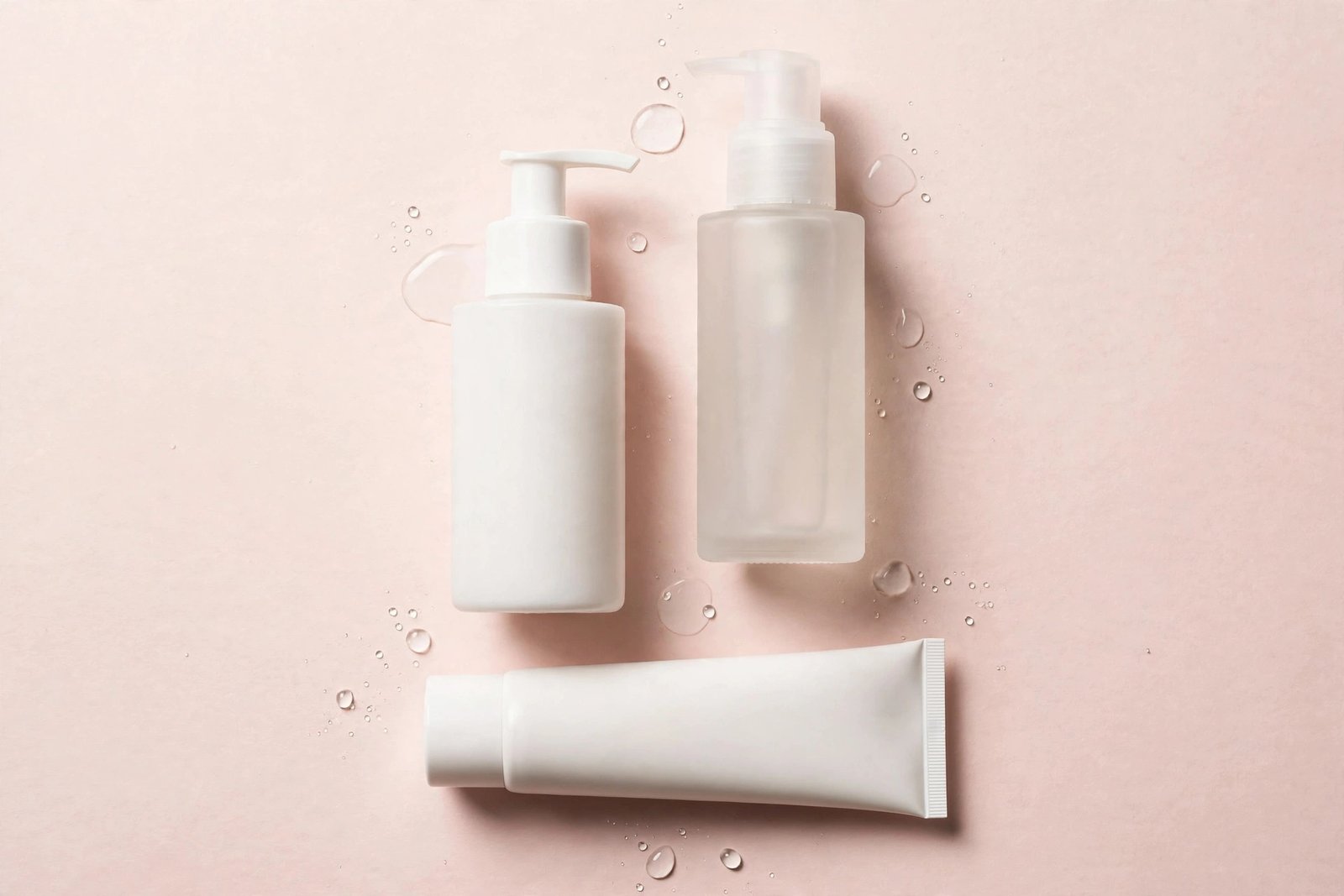
The right cleanser for sensitive skin does its job quietly: it removes sunscreen, excess oil, and the day’s buildup without foam parties, squeaky-tight finishes, or post-wash stinging. This guide explains exactly what to look for, which ingredients to avoid, and rounds up nine gentle, fragrance-free cleansers that dermatologists frequently recommend. It pairs with the full [sensitive skin routine for beginners → sensitive-skin-routine-guide], which this article is part of.
Key Takeaways
- The best cleanser for sensitive skin is fragrance-free, low-pH (around 5.5), and made with mild surfactants — not sulfates.
- “Squeaky clean” is a red flag: tightness after washing means the cleanser is too harsh.
- Cream, lotion, and gel cleansers suit most sensitive types; foaming cleansers are fine only if they use gentle surfactants.
- Lukewarm water and a 30–60 second massage beat hot water and aggressive scrubbing every time.
- Oily-sensitive skin may cleanse twice daily; dry-sensitive skin often does best with a water rinse in the morning.
What Makes a Cleanser Safe for Sensitive Skin
A sensitive-skin-friendly cleanser checks four boxes:
- Fragrance-free. No synthetic fragrance, no essential oils, no “natural” masking scent. Fragrance is the most common cosmetic irritant.
- Low pH. Skin’s natural pH sits around 4.5–5.5. Cleansers near pH 5.5 preserve the acid mantle; alkaline soaps (pH 9–10) disrupt it.
- Mild surfactants. Look for cocamidopropyl betaine, decyl glucoside, sodium cocoyl isethionate, or coco-glucoside instead of sodium lauryl sulfate (SLS).
- Short, simple formulas. Barrier-supporting additions like glycerin, ceramides, or panthenol are bonuses; long botanical extract lists are not.
The 9 Best Cleansers for Sensitive Skin
Every pick below is fragrance-free and built on mild surfactants. Patch test any new cleanser before committing, per the routine guide’s [patch-testing method → sensitive-skin-routine-guide].
1. Best overall: a ceramide cream cleanser
The gold standard format for sensitive skin: a non-foaming cream or lotion cleanser with ceramides, hyaluronic acid, and glycerin. It removes the day without disturbing the barrier, suits dry through combination sensitive skin, and doubles as a second cleanse after an oil cleanser. Expect a soft, non-tight finish.
2. Best budget pick: a gentle hydrating gel-to-foam
Drugstore hydrating cleansers with amino-acid-based surfactants deliver the same low-pH, fragrance-free cleanse at a fraction of the price. Look for formulas marketed as “hydrating” rather than “purifying” — the latter often hides stronger surfactants.
3. Best for oily-sensitive skin: a mild foaming gel
Oily-sensitive skin needs a bit more cleansing power without the strip. A low-pH foaming cleanser built on coco-glucoside or sodium cocoyl isethionate gives a satisfying clean with none of the SLS harshness. If skin feels tight afterward, it is still too strong — step down to a gel.
4. Best for dry-sensitive skin: a milky cleansing lotion
Milk and lotion cleansers barely foam and leave a whisper of moisture behind, which dry-sensitive skin appreciates. Many can be tissue-removed as well as rinsed, though rinsing with lukewarm water gives a cleaner finish.
5. Best oil cleanser (first cleanse): a fragrance-free cleansing oil
For double cleansing, a fragrance-free oil or balm as step one dissolves sunscreen and makeup without tugging. Follow with your water-based gentle cleanser. Avoid cleansing oils heavy on essential oils — they defeat the purpose for reactive skin.
6. Best micellar option: a sensitive-skin micellar water
For mornings or travel, micellar water on a soft cotton pad is a no-rinse option many sensitive types tolerate well. Choose a formula made specifically for sensitive skin (no fragrance, no harsh poloxamers in excess), and rinse lightly afterward if your skin prefers it.
7. Best for redness-prone skin: a thermal-water-based cleanser
Cleansers built on thermal spring water with minimal surfactants suit skin that flushes easily. The mineral content is genuinely soothing for some reactive types, and the formulas tend to be extremely stripped-down.
8. Best powder cleanser: an enzyme powder (fragrance-free)
Enzyme powder cleansers activate with water into a light foam and offer very gentle exfoliation via enzymes rather than acids. For sensitive skin, use 2–3 times a week maximum, not daily — daily enzymatic exfoliation is still exfoliation.
9. Best splurge: a barrier-focused luxury cream cleanser
Premium cream cleansers with colloidal oatmeal, ceramides, and squalane offer the most cushioned cleanse experience. The performance gap over budget options is small — you are paying for texture and experience — but for very reactive skin, the gentlest formula you will actually enjoy using wins.
Cleansers and Ingredients to Avoid
- Sodium lauryl sulfate (SLS) and similarly harsh anionic surfactants.
- High-pH bar soaps — classic soap bars typically sit at pH 9–10.
- Fragrance/parfum and essential oils in any form.
- Exfoliating cleansers with beads, acids, or daily enzymes marketed for “glow” — cleansing time is too short for actives to work properly anyway, and the irritation risk is real.
- “Antibacterial” cleansers with triclosan or similar agents — unnecessary for facial skin and potentially irritating.
How to Cleanse Sensitive Skin Correctly
Technique matters as much as formula:
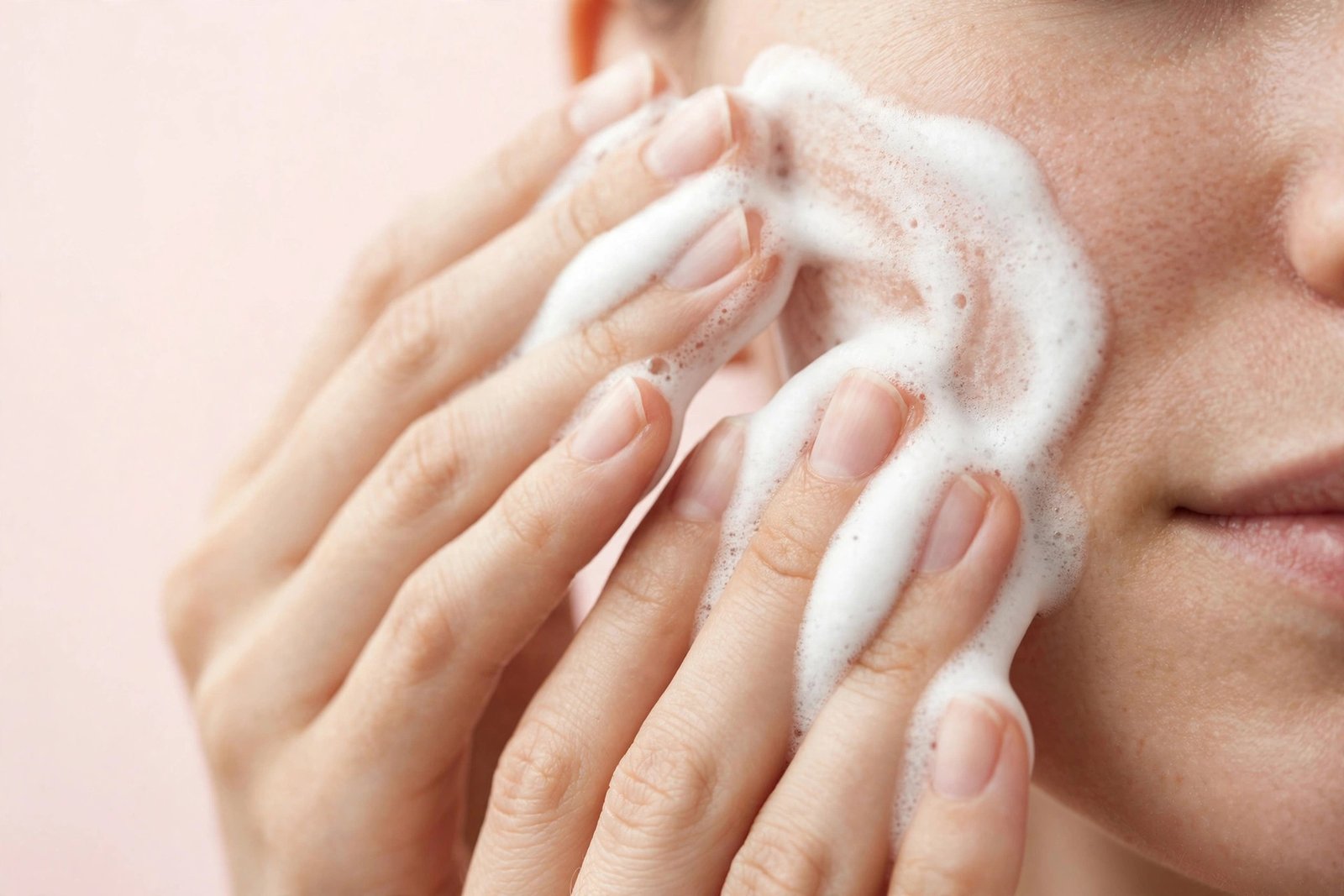
- Use lukewarm water — never hot. Hot water strips lipids and triggers flushing.
- Massage gently for 30–60 seconds with fingertips, not a brush or rough cloth.
- Rinse thoroughly; cleanser residue left on reactive skin can irritate.
- Pat dry with a clean, soft towel — do not rub.
- Apply moisturizer within a minute or two, while skin is still slightly damp, to lock in hydration.
For a morning routine, dry-sensitive skin can often skip cleanser entirely and rinse with water — the full reasoning is in the [sensitive skin AM routine → sensitive-skin-routine-guide].
How to Tell If Your Current Cleanser Is the Problem
Not sure whether your cleanser is the culprit behind your sensitivity? Run this diagnostic:
- The tightness test: If your skin feels tight, squeaky, or “too clean” within minutes of washing, your cleanser is too harsh — regardless of what the label promises.
- The sting test: A gentle cleanser should never sting, even on slightly compromised skin. Stinging on contact is a fail.
- The redness check: Look in the mirror 10 minutes after cleansing. Fresh redness that was not there before washing points at the cleanser (or the water temperature).
- The elimination test: Switch to lukewarm water rinsing only for three mornings. If your skin is noticeably calmer, your cleanser was contributing to the problem.
If your cleanser fails any of these, replace it before changing anything else in your routine — cleansing touches your skin twice a day, so its impact compounds fast. And remember that even the gentlest formula fails if the water is too hot, so fix temperature and technique alongside the product swap.
Frequently Asked Questions
Should I double cleanse if I have sensitive skin?
Only if you need it — water-resistant sunscreen or makeup warrants it; a bare face does not. When you do double cleanse, both steps should be gentle: a fragrance-free oil or balm first, then your mild water-based cleanser. Never pair a harsh first cleanse with a harsh second one.
Is foaming cleanser bad for sensitive skin?
Not inherently. Foam itself is not the problem — the surfactant behind it is. A foam built on mild surfactants (coco-glucoside, sodium cocoyl isethionate) at low pH is perfectly fine; a foam built on SLS is not. Judge the formula, not the lather.
Can I just use micellar water instead of cleanser?
For light days, yes — many sensitive types do well with micellar water as a morning or second cleanse. After heavy sunscreen or makeup, a proper rinse-off cleanser removes residue more completely. If you use micellar water daily, a quick water rinse afterward reduces leftover surfactant on reactive skin.
Why does my face feel tight after cleansing?
Tightness means your cleanser removed too much of your skin’s natural lipids, the water was too hot, or both. Switch to a cream or lotion formula, drop the water temperature, and shorten the contact time. “Squeaky clean” is damage, not cleanliness.
How often should sensitive skin be exfoliated via cleanser?
Rarely via the cleanser itself. Keep your daily cleanser purely gentle, and if you want exfoliation, use a dedicated mild product 1–2 times weekly once your barrier is stable. Combining exfoliation with daily cleansing is how sensitive skin becomes chronically irritated.
The right cleanser is the quiet foundation everything else builds on. Pick a fragrance-free, low-pH formula your skin forgets about after rinsing, nail the lukewarm-water technique, and the rest of your [sensitive skin routine → sensitive-skin-routine-guide] gets dramatically easier.
sensitive skin routine guide
calm red irritated skin
fragrance-free routine
skincare ingredients guide
Love this? Pin it for later!