What Is Hair Porosity? How to Test Yours at Home
Two people can use the exact same shampoo, conditioner, and leave-in — and get completely different results. One person’s curls come out defined and bouncy; the other’s fall flat or frizz up within hours. The difference usually isn’t the products. It’s hair porosity.
Hair porosity is simply your hair’s ability to absorb and hold onto moisture. Once you know whether yours is low, medium, or high, choosing products stops being guesswork. It matters for everyone, but it matters most for curls and coils — which is why porosity is a core piece of any good curly hair routine for beginners.
What Is Hair Porosity, Exactly?
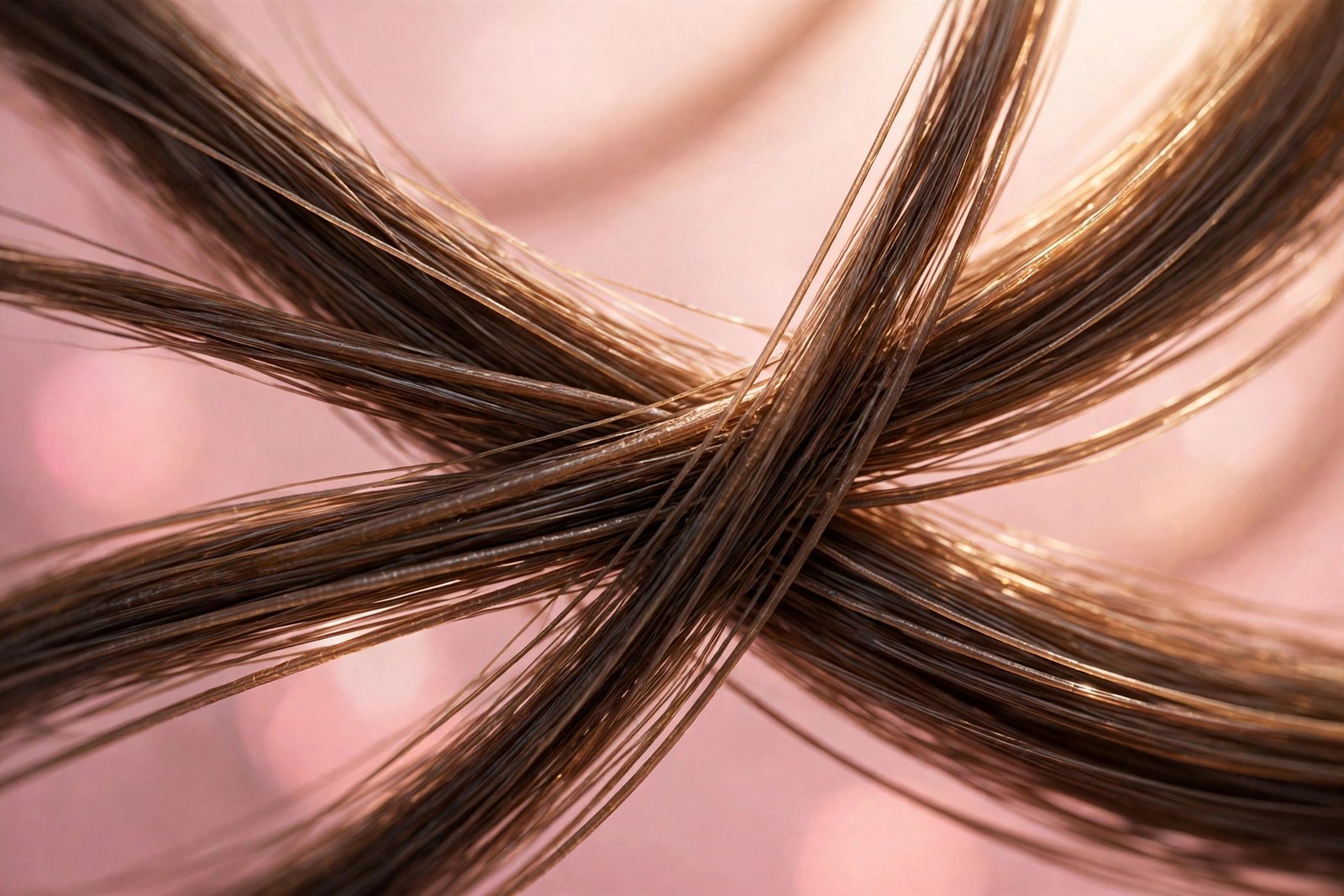
Picture each strand of your hair like a roof covered in shingles. Those “shingles” are the cuticle — the outermost layer of the hair shaft, made of overlapping cells. When the shingles lie flat and tight, water and products have a hard time getting in. When they’re lifted or have gaps, moisture rushes in just as easily as it escapes.
That’s porosity: how open or closed your cuticle layer is, and therefore how easily your hair absorbs and retains moisture.
There are three levels:
Low Porosity
The cuticles lie flat and tightly packed. Water beads up on the surface instead of soaking in — if your hair takes forever to get fully wet in the shower, that’s the classic sign. Products tend to sit on top of the hair rather than absorb, which can lead to buildup. The upside: once moisture does get in, low porosity hair holds onto it well.
Medium (Normal) Porosity
The cuticles are slightly raised — open enough to let moisture in, closed enough to keep it there. Hair wets easily, absorbs products well, holds styles, and generally needs the least fussing. If your hair behaves predictably most of the time, it’s likely medium porosity.
High Porosity
The cuticles are raised or have gaps, so moisture enters fast — and leaves just as fast. High porosity hair gets soaking wet almost instantly, dries quickly, and often feels dry again within a day or two of conditioning. It tangles more easily and is more prone to frizz and breakage.
Porosity can be genetic — some people are simply born with more open cuticles, and curly and coily hair types tend toward higher porosity because the cuticle lifts naturally at each bend of the curl. But porosity also changes with damage: heat styling, bleach, permanent color, chemical straighteners, and rough handling can all lift or chip the cuticle over time.
How to Test Hair Porosity at Home
There are three popular at-home tests. An honest note first: none of these are laboratory measurements. They’re rough guides — useful for pointing you in the right direction, but approximate enough that it’s worth combining two or three methods rather than trusting one alone.
1. The Float Test
This is the most widely shared method online — and also the most debated among hair professionals.
- Take a clean strand of shed hair. Wash your hair first with a simple shampoo and skip conditioner and styling products, because residue and oils coat the strand and skew the result.
- Fill a clear glass with room-temperature water.
-
Drop the strand in and watch for 2 to 5 minutes.
-
It floats on top: likely low porosity. The tight cuticle keeps water out, so the strand stays buoyant.
- It sinks slowly or hovers in the middle: likely medium porosity.
- It sinks to the bottom quickly: likely high porosity. The open cuticle lets water in fast, weighing the strand down.
The honest caveat: surface tension, water temperature, oils from your fingers, and even how gently you place the strand in the water can all change the outcome. Many stylists consider the float test a starting clue rather than a definitive answer — so pair it with one of the tests below.
2. The Spray Bottle Test
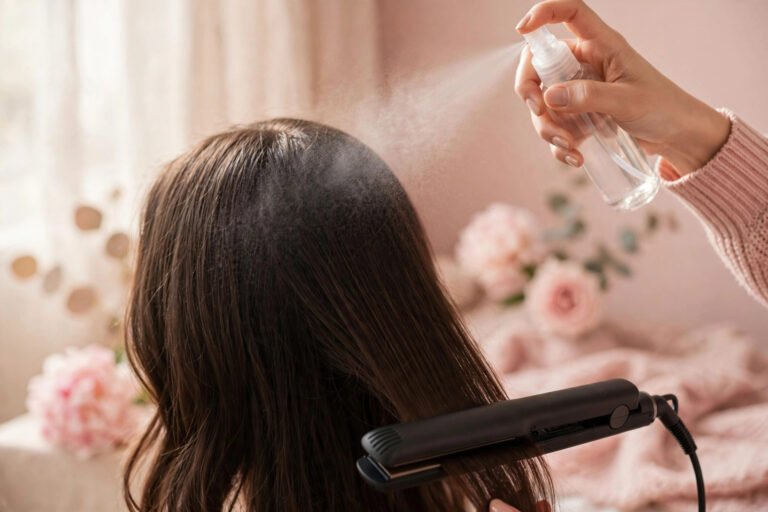
Mist a small section of clean, dry, product-free hair with water from a spray bottle and watch what happens:
- Water beads up and sits on the surface: low porosity.
- Hair absorbs it within a minute or so: medium porosity.
- It soaks in almost instantly: high porosity.
This test tends to be more reliable than the float test for many people because it mimics what actually happens when you apply products.
3. The Slide Test
Take a single dry strand between your thumb and forefinger and slide your fingers up the strand — from tip toward root, against the direction the cuticle lies.
- Smooth with little texture: low porosity.
- Slightly bumpy: medium porosity.
- Rough or very bumpy: high porosity — the raised cuticle creates friction you can feel.
Bonus Clue: Drying Time
After washing, how long does your hair take to air-dry with no products in it? Very slow drying (several hours) points toward low porosity; hair that’s dry in under an hour leans high porosity. It’s not a test on its own, but it confirms what the other tests tell you.
What Your Porosity Result Means for Product Choices
Porosity doesn’t change which products are “good” — it changes which products work for you. Two principles cover most of it:
- Low porosity hair needs help getting moisture in. Lighter formulas, warm water, and occasional clarifying keep the tight cuticle from getting sealed under buildup.
- High porosity hair needs help keeping moisture from escaping. Richer products, layering, and sealing are the name of the game.
This is also where your cleanser choice matters. Low porosity hair benefits from a shampoo that removes buildup without residue, while high porosity hair usually does better with gentler cleansing that doesn’t strip what little moisture it holds. Compare sulfate-free vs regular shampoo to find your match
Once you know your porosity, every step of your step-by-step curly hair routine gets easier to customize — from how you wash to how you layer leave-ins.
How to Care for Low Porosity Hair
Low porosity hair isn’t difficult — it just needs a lighter touch and a little patience.
- Use lightweight products. Watery leave-ins, light lotions, and milky conditioners absorb better than thick butters and heavy creams, which tend to sit on the surface and cause buildup.
- Apply products to damp hair. Moisture helps carry product into the strand — styling on soaking wet hair usually works better than on dry hair for this type.
- Use warm water when washing. Warm (not hot) water gently lifts the cuticle so shampoo and conditioner can do their job. Save the cool rinse for the very end.
- Clarify regularly. Because products accumulate instead of absorbing, a clarifying wash every few weeks prevents the dull, coated feeling buildup causes.
- Deep condition with gentle heat. A shower cap or warm towel over your deep conditioner for 15 to 20 minutes helps the treatment penetrate the tight cuticle.
- Go easy on heavy oils. Coconut oil and thick butters can be too much for low porosity hair; lighter oils like argan or grapeseed are usually a better fit, used sparingly.
How to Care for High Porosity Hair
High porosity hair drinks up moisture — the challenge is making it stay.
- Layer your moisture. The LOC method — liquid (water or leave-in), oil, cream — works well because each layer seals in the one before it. For very porous hair, some people reverse it to LCO (liquid, cream, oil).
- Don’t skip protein. Protein treatments help fill in the gaps in a raised cuticle, which improves how well hair holds moisture. A light protein treatment every few weeks is a common starting point; too much can make hair feel stiff, so watch how yours responds.
- Seal with heavier products. Creams and butters that would overwhelm low porosity hair are often exactly what high porosity hair needs to lock moisture in.
- Rinse with cool water. After conditioning, a cool rinse helps the cuticle lie a little flatter.
- Protect your ends. The oldest, most porous part of your hair is the ends — regular trims and protective styles reduce breakage where the cuticle is most worn.
One more thing worth knowing: high porosity hair and dryness go hand in hand, but they’re not the same problem. If your hair still feels parched even with good products, here’s how to tell why your hair is dry and brittle — and what to do about it.
Can Hair Porosity Change Over Time?
Yes — and for most people, it slowly drifts upward. Heat styling, bleach, permanent color, chemical straighteners, hard water, and even years of rough towel-drying or tight hairstyles can lift and chip the cuticle, raising porosity along the lengths of your hair.
That’s why it’s normal for one head of hair to have more than one porosity: virgin roots may be low or medium while bleached or heat-styled ends test high. When that happens, treat the most porous sections accordingly — they’re the ones that need the extra moisture and sealing.
The good news: porosity change from damage isn’t permanent for the hair you haven’t grown yet. New growth comes in at your natural porosity, so trimming damaged ends and protecting new growth gradually resets the overall picture. A clarifying wash can also temporarily “reset” low porosity hair that’s been sealed under buildup.
Frequently Asked Questions
Is the float test actually accurate?
It’s approximate. Product residue, natural oils, water temperature, and even surface tension can all change whether a strand floats or sinks — which is why hair professionals are divided on it. It works best as one clue among several: combine it with the spray test and your drying time for a more reliable read.
What porosity do most curly hair types have?
It varies by individual, but curly and coily hair often tests as medium to high porosity. The cuticle naturally lifts slightly at each bend of the curl pattern, and the twists and turns make it harder for natural oils to travel down the strand — which is why curls so often need extra moisture regardless of porosity.
Can low porosity hair use oils?
Yes — just choose lighter ones. Argan, grapeseed, and jojoba oils absorb more easily than heavy options like castor oil or shea butter. Apply to damp hair, use a small amount, and let water do most of the moisturizing work.
How often should high porosity hair deep condition?
Weekly deep conditioning is the most common recommendation for high porosity hair, since it loses moisture quickly. Low to medium porosity hair usually does well with deep conditioning every one to two weeks. Adjust based on how your hair feels — mushy, overly soft hair may be getting too much moisture.
Does porosity affect hair color?
Yes. High porosity hair absorbs dye quickly — which means color takes fast but can also fade fast and grab unevenly. Low porosity hair resists color, so it may need longer processing time. Colorists often adjust formulas and timing based on porosity, so it’s worth mentioning yours at an appointment.
Key Takeaways
- Hair porosity is how easily your hair absorbs and retains moisture, determined by how open or closed the cuticle layer is.
- Low porosity hair resists water and products but holds moisture well once it’s in; high porosity hair absorbs fast and loses moisture just as fast; medium porosity is balanced.
- The float test is the most popular at-home method, but it’s approximate — combine it with the spray test and drying time for a better read.
- Low porosity hair does best with lightweight products, warm water, and regular clarifying; high porosity hair needs layered moisture, protein, and sealing.
- Porosity can increase with heat, chemical, and mechanical damage — and it often differs between roots and ends.
- Knowing your porosity turns product shopping from guesswork into strategy, especially within a consistent routine.
Love this? Pin it for later!