Setting Spray vs Setting Powder: Which Should You Use?
If your makeup melts off by midday or your foundation looks cakey by 3pm, the problem probably isn’t your foundation — it’s that you’re missing a setting step. Setting sprays and setting powders both promise to lock your makeup in place, but they work in very different ways, and choosing the wrong one for your skin type can make things worse.
This guide breaks down exactly what each product does, how they differ, and which one (or both) belongs in your routine. If you’re building your makeup kit from scratch, you may also want to read our makeup for beginners step-by-step guide, which walks through the full routine these products complete.
What Does Setting Powder Do?
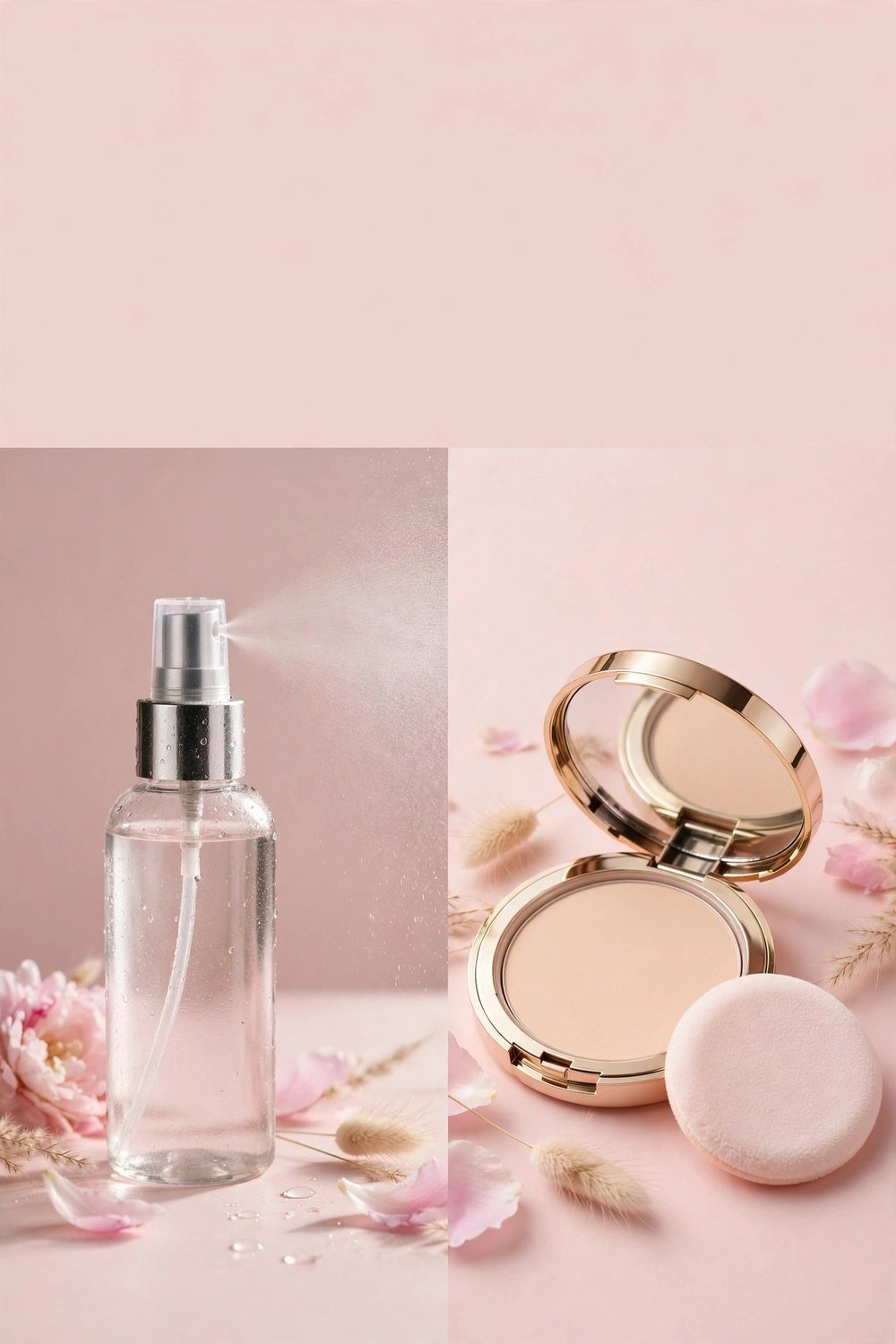
Setting powder is a finely milled powder — usually translucent, though tinted versions exist — that you press or dust over liquid and cream products. Its job is to absorb excess oil, reduce shine, and create a matte, locked-in finish.
How it works: The powder particles soak up oils and moisture sitting on the surface of your foundation and concealer. This “sets” the liquid products so they stop moving around, creasing, or transferring onto your phone screen, clothes, or hands.
What it’s best for:
– Controlling shine and oil throughout the day
– Preventing concealer from creasing under the eyes
– Setting the T-zone (forehead, nose, chin) where oil tends to build up
– Creating a smooth, matte canvas before blush or bronzer
Common types:
– Loose translucent powder — the classic choice; lightweight and invisible on most skin tones
– Pressed powder — more portable, good for touch-ups on the go
– Tinted setting powder — adds a hint of coverage while setting
What Does Setting Spray Do?
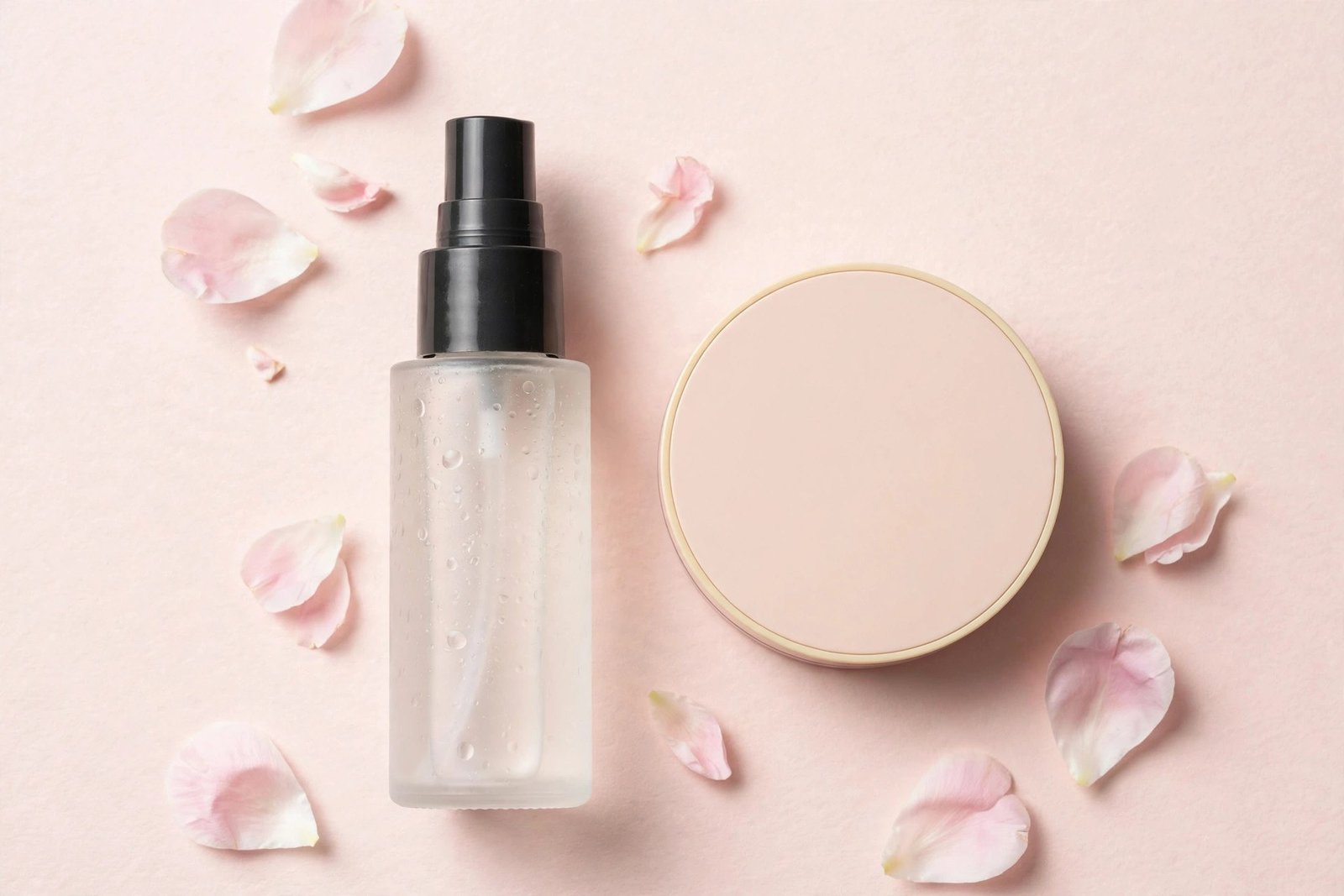
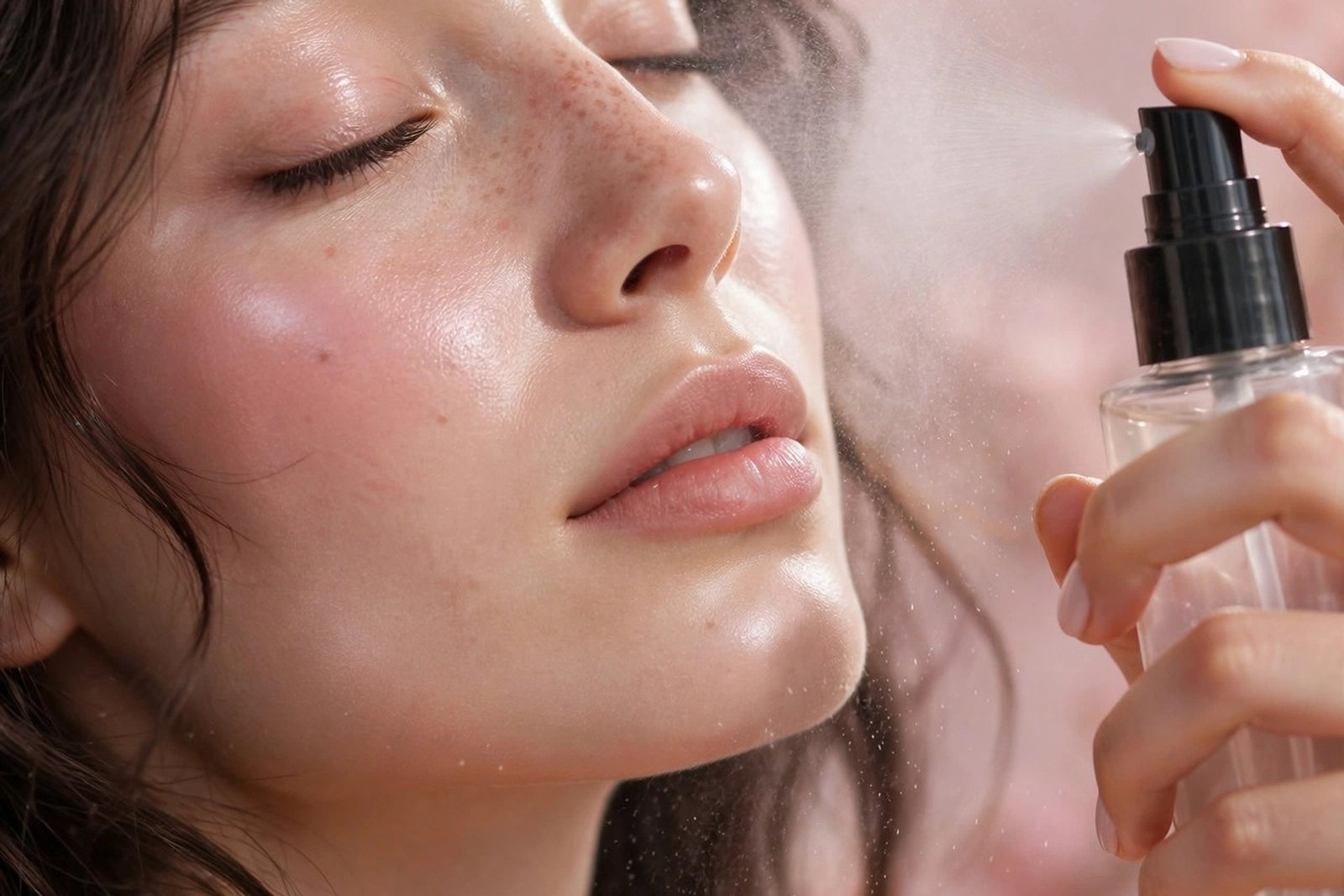
Setting spray is a liquid mist you spray over your finished makeup — typically in an X or T motion across the face. It creates a thin, flexible film over everything that helps makeup resist fading, melting, and transferring.
How it works: Most setting sprays contain film-forming polymers and humectants. As the mist dries, it forms a lightweight shield that holds makeup in place while adding moisture rather than removing it. Many formulas also help melt powder products into the skin, eliminating that powdery, “made-up” look.
What it’s best for:
– Extending makeup wear time (especially in heat or humidity)
– Giving skin a natural, dewy finish instead of a matte one
– Refreshing makeup that looks dry or cakey later in the day
– Reducing the powdery look after applying powder products
Setting Spray vs Setting Powder: Key Differences
| Feature | Setting Powder | Setting Spray |
|---|---|---|
| Form | Dry powder (loose or pressed) | Liquid mist |
| Main job | Absorbs oil, mattifies | Locks makeup in, adds a natural finish |
| Finish | Matte | Dewy to natural |
| Best for oily skin | ✅ Excellent oil control | ⚠️ Use sparingly |
| Best for dry skin | ⚠️ Can look cakey | ✅ Adds hydration, prevents cakiness |
| When to apply | After liquid/cream products, before powder blush | After ALL makeup is done (final step) |
| Reapplication | Yes — good for midday touch-ups | Possible — use a hydrating mist instead |
| Beginner-friendly | Very — hard to get wrong | Very — just spray and go |
The simplest way to remember: powder takes oil away, spray locks everything in. They solve opposite problems, which is why many people end up using both.
Which Should You Use for Oily Skin?
Setting powder is the priority for oily skin. Excess oil breaks down foundation faster, so absorbing it with powder is the single most effective thing you can do for longevity.
Recommended approach for oily skin:
1. Apply a thin layer of translucent powder to the T-zone after foundation
2. Bake (leave a heavier layer on for 2–3 minutes, then dust off) only for special events — daily baking can look heavy
3. Finish with a matte or oil-control setting spray to lock everything in without adding dewiness
4. Carry blotting papers and a pressed powder for touch-ups — blotting first, then powdering, prevents buildup
If your eyeshadow also creases on oily lids, check out our guide on how to make eyeshadow last on oily lids — the same oil-control principles apply.
Which Should You Use for Dry Skin?
Setting spray is the priority for dry skin. Powder absorbs oil — and dry skin doesn’t have much oil to spare. Too much powder on dry skin settles into fine lines, emphasizes texture, and creates that dreaded cakey look.
Recommended approach for dry skin:
1. Skip powder entirely, or use the tiniest amount only where you truly need it (like under the eyes to set concealer)
2. Use a hydrating or dewy-finish setting spray as your main setting step
3. If you must powder, use a finely milled, hydrating formula and press it in with a damp sponge instead of dusting
4. Mist your face lightly before foundation too — damp skin helps dry skin look plumper
The golden rule for dry skin: when in doubt, choose the spray. Powder is optional; moisture is essential.
Can You Use Both Setting Spray and Setting Powder?
Yes — and for many people, this is the best approach. They do different jobs at different stages of the routine. Here’s the correct order:
- Foundation and concealer (liquid/cream products)
- Setting powder — press or dust over areas that need oil control
- Powder products — blush, bronzer, eyeshadow
- Setting spray — mist over everything as the final step
The spray at the end serves a double purpose: it locks in the powder products and melts the setting powder into your skin, removing any powdery or chalky appearance. This is the secret to makeup that looks like skin, not makeup.
When to use only one:
– Powder only: You’re very oily, prefer a matte finish, or need touch-ups during the day
– Spray only: You’re dry, prefer a natural/dewy finish, or your makeup already lasts well and you just want it to look fresher
How to Apply Setting Powder Correctly
Getting powder right is mostly about using less than you think and placing it strategically.
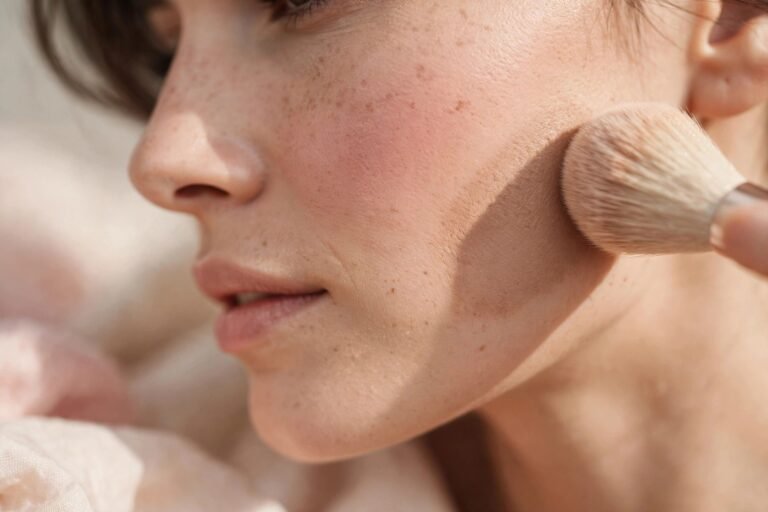
- Pick the right tool. A fluffy powder brush works for all-over application; a smaller brush or damp sponge gives more precision (and more coverage) in targeted areas.
- Tap off excess. Swirl your brush in the powder, then tap it against the container edge. You want a light dusting, not a snowstorm.
- Press, don’t drag. Press the powder into the skin with a patting motion, especially under the eyes and around the nose. Dragging moves your foundation underneath.
- Focus on the T-zone. Forehead, nose, and chin produce the most oil. Cheeks often don’t need powder at all — especially on dry or mature skin.
- Wait before the next step. Give powder 30 seconds to settle before applying blush or bronzer on top, so the colors blend cleanly.
Beginner mistake to avoid: Powdering your entire face heavily. This is the #1 cause of cakey makeup. Start with the T-zone only and add more only if you need it.
How to Apply Setting Spray Correctly
Setting spray is forgiving, but technique still matters.
- Shake the bottle. Ingredients can separate — a quick shake ensures an even mist.
- Hold 8–10 inches away. Too close and you’ll get droplets that disturb your makeup; too far and most of it lands in the air.
- Spray in an X or T motion. Cover the forehead, cheeks, and chin evenly — don’t just blast the center of your face.
- Let it dry naturally. Don’t fan your face or blot. Give it 60 seconds to set into that flexible film.
- Use 2–3 spritzes. More is not better — over-spraying can make makeup look wet or cause it to break down.
Pro tip: Spray before mascara if your mascara tends to smudge — the dampness can make it transfer. Let the spray dry fully, then do mascara last.
Frequently Asked Questions
Do I need setting spray if I use setting powder?
Not necessarily, but they do different things. Powder controls oil; spray extends wear and improves the finish. If your makeup lasts all day with just powder and you like how it looks, you’re fine. If it fades by afternoon or looks powdery, add the spray.
Which lasts longer — setting spray or setting powder?
Setting spray generally extends overall wear time more (many formulas promise 12–16 hours), while powder mainly controls shine for the first several hours and needs reapplication. For maximum longevity, use both.
Can setting spray replace primer?
No — they work at opposite ends of the routine. Primer goes under foundation to create a smooth base and help it grip; setting spray goes over everything to lock it in. Some hydrating sprays can double as a pre-makeup mist, but they don’t replace a true primer’s gripping function.
Why does my setting powder look cakey?
Usually one of three reasons: too much product, powder applied over dry or unprepped skin, or a formula that’s too heavy for your skin type. Try using less, moisturizing well first, and switching to a finely milled translucent powder. A final mist of setting spray also melts away cakiness.
Is setting powder bad for mature skin?
Not inherently, but heavy powder can settle into fine lines and emphasize texture. If you have mature skin, use powder sparingly (T-zone only), choose finely milled formulas, and always finish with a hydrating setting spray to keep skin looking fresh rather than flat.
Key Takeaways
- Setting powder absorbs oil and creates a matte finish — best for oily skin and shine control
- Setting spray locks makeup in and adds a natural finish — best for dry skin and extending wear
- Oily skin: prioritize powder, finish with a matte spray
- Dry skin: prioritize spray, use powder sparingly or not at all
- You can use both: powder after liquid products, spray as the very last step
- Less is more with both products — heavy application causes cakiness, not longevity
Love this? Pin it for later!