Keratosis Pilaris Treatment for Arms: The Routine That Smooths Bumps
Those small, rough bumps on the backs of your arms — sometimes called “chicken skin” or “strawberry skin” — have a real name: keratosis pilaris, or KP. If you’ve had them for years, you’ve probably tried scrubbing harder, picking at them, or hiding your arms in long sleeves through summer. None of that works, because KP isn’t caused by dirt or poor hygiene.
Keratosis pilaris is an extremely common genetic skin condition — dermatologists estimate it affects up to 40% of adults and even more teenagers. It happens when keratin (a protective protein in skin) builds up and plugs hair follicles, creating rough, sandpaper-like bumps. It’s completely harmless, but it can be frustrating, especially when it affects visible areas like the upper arms.
The encouraging news: while there is no permanent cure, keratosis pilaris treatment for arms is one of the most reliable routines in body skincare. A consistent combination of chemical exfoliation and deep moisturizing smooths bumps dramatically for most people. This guide covers the exact routine dermatologists recommend, the ingredients that work, the mistakes that make KP worse, and realistic expectations — all as part of a complete [body skincare routine for smooth skin → body-skincare-routine-guide].
Key Takeaways
- Keratosis pilaris is a harmless genetic condition where keratin plugs hair follicles, causing rough bumps.
- Chemical exfoliants (lactic acid, glycolic acid, salicylic acid) and urea are the most effective treatments.
- Physical scrubbing alone usually fails — and harsh scrubbing makes KP worse.
- Consistency for 6–12 weeks is required; KP improves dramatically but tends to return if treatment stops.
- A urea or AHA body lotion used daily is the single highest-impact step.
- Picking at bumps causes scarring and dark marks — hands off.
What Is Keratosis Pilaris, Exactly?
KP occurs when excess keratin forms hard plugs inside hair follicles. Each plug creates a small raised bump, sometimes with a tiny dark or red dot in the center. The bumps feel rough and dry — like sandpaper or permanent goosebumps — and are most common on the backs of the upper arms, the front of the thighs, the buttocks, and sometimes the cheeks.
KP is genetic and often runs in families. It frequently appears in childhood or adolescence, may improve with age, and tends to flare in dry winter months and improve in humid summer months. It is also commonly associated with dry skin, eczema, and allergies — if you have one, you’re more likely to have the others.
Importantly, KP is not acne, not an infection, and not contagious. It cannot be “cured” with antibiotics or harsh treatments. Management — keeping follicles clear and skin hydrated — is the goal, and it’s a very achievable one.
The Ingredients That Actually Work for KP
Dermatologists consistently recommend the same short list of ingredients for keratosis pilaris. Understanding what each one does helps you build the right routine:
Lactic acid (12–15%): An alpha-hydroxy acid (AHA) that both exfoliates and hydrates — a rare combination that makes it ideal for KP. It dissolves the keratin plugs while drawing moisture into the skin. Available in over-the-counter body lotions, it’s the most recommended KP ingredient.
Glycolic acid (10–15%): A stronger AHA that exfoliates effectively but can irritate sensitive skin. Good for stubborn KP on less sensitive areas like thighs.
Salicylic acid (2%): A beta-hydroxy acid (BHA) that penetrates into the follicle itself, making it excellent for plugged, bumpy follicles. Also anti-inflammatory, which helps with the redness that often accompanies KP.
Urea (10–20% for maintenance, 20–40% for intensive treatment): A keratolytic (it breaks down keratin) and humectant. Urea creams are among the most effective KP treatments available — they soften the plugs and hydrate simultaneously. Higher percentages are for thick skin like feet; 10–20% is right for arms.
Retinoids (adapalene, tretinoin): Prescription-strength options that normalize how follicles shed keratin. Dermatologists may prescribe these for KP that doesn’t respond to over-the-counter acids. They require sun protection and patience (12+ weeks).
Ingredients that don’t help KP specifically: plain moisturizers without exfoliating actives (they hydrate but don’t clear plugs), harsh physical scrubs (they irritate without dissolving keratin), and antibacterial products (KP isn’t bacterial).
The Step-by-Step KP Treatment Routine for Arms
Morning:
1. No need to wash arms separately — your regular shower cleanse is enough.
2. Apply a thin layer of your AHA or urea lotion to dry arms. Let it absorb for a minute.
3. If arms will be sun-exposed, apply SPF 30+ over the treatment lotion. (AHAs increase sun sensitivity.)
Evening (shower):
1. Cleanse with a gentle, fragrance-free body wash. Lukewarm water only — hot water dries KP-prone skin and worsens bumps.
2. 2–3 times per week: apply a chemical exfoliant treatment (a glycolic or salicylic acid body lotion, or an AHA body mask left on for 10–15 minutes in the shower). On other days, skip this step.
3. Within 3 minutes of showering, apply your urea or lactic acid body lotion generously to damp arms. This “seal it in” step is critical — KP skin loses moisture fast.
4. If arms are very dry, layer a plain rich cream or a few drops of body oil over the treatment lotion.
Weekly:
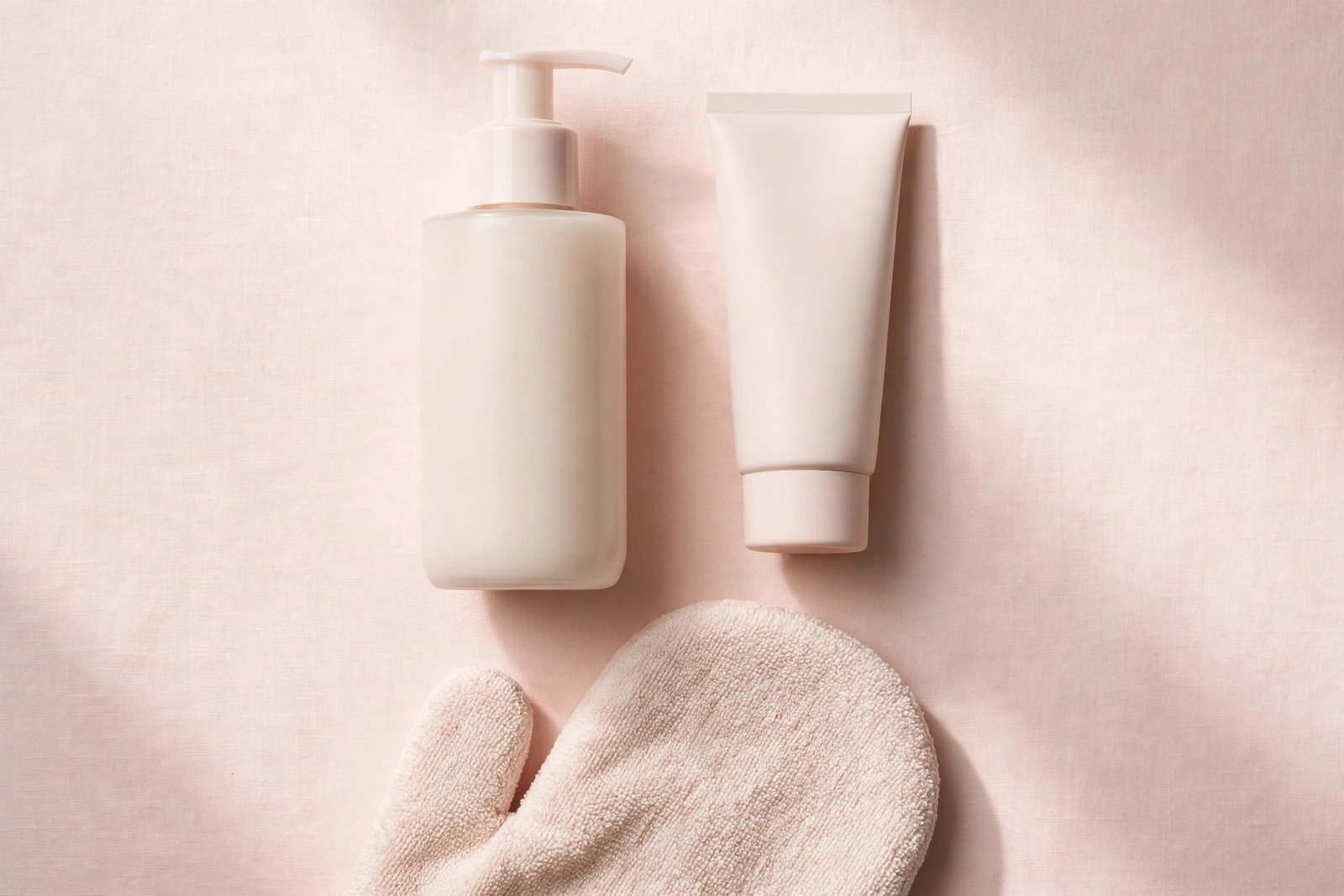
5. Once a week, a gentle physical exfoliation (soft washcloth, mild scrub, or exfoliating mitt with light pressure) can supplement — but never replace — the chemical exfoliation. Think of it as a helper, not the main treatment. A gentle [homemade sugar scrub → how-to-make-sugar-scrub-at-home] works well for this weekly session.
This routine slots into a full [body skincare routine for smooth skin → body-skincare-routine-guide] — the same cleanse, exfoliate, moisturize, and protect principles, with KP-specific actives doing the heavy lifting on your arms.
For product options that combine exfoliation and hydration in one step, see our roundup of the [best body lotions for dry bumpy skin → best-body-lotion-for-dry-bumpy-skin] — several are formulated specifically for KP-prone skin.
What Makes KP Worse (Avoid These)
- Scrubbing hard or using harsh exfoliants daily. Aggressive physical exfoliation inflames the follicles and triggers more keratin production — the opposite of what you want. Gentle and consistent beats aggressive and occasional.
- Hot showers and harsh soaps. Both strip the skin’s natural moisture, and dry skin makes KP bumps more prominent and harder to treat.
- Picking or squeezing bumps. This is the hardest habit to break and the most damaging. Picking causes scarring, dark marks (post-inflammatory hyperpigmentation), and sometimes infection — marks that last far longer than the bumps themselves.
- Skipping moisturizer. Treatment acids without adequate hydration lead to irritation, flaking, and a compromised barrier that makes everything worse.
- Wearing rough, tight fabrics on affected areas. Friction from coarse fabrics can irritate KP. Soft, breathable fabrics are kinder to bumpy skin.
- Stopping treatment once bumps improve. KP is a chronic tendency, not a one-time problem. Most people need ongoing maintenance (often just the daily AHA lotion) to keep bumps away.
KP on Legs, Thighs, and Elsewhere
While this guide focuses on arms, the same routine works wherever KP appears. A few area-specific notes:
- Thighs and buttocks: Skin here is thicker and less sensitive, so you can use stronger glycolic acid products or higher-percentage urea. These areas also benefit from the [strawberry legs routine → how-to-get-rid-of-strawberry-legs] if you have both dotted follicles and KP bumps — the exfoliation steps overlap nicely.
- Cheeks (facial KP): Use gentler, face-formulated AHA products at lower percentages. Don’t use body-strength acids on the face.
- Forearms: Usually milder than upper arms and respond quickly to the standard routine.
Realistic Expectations: The Timeline
Honesty matters here: KP management takes time, and anyone promising overnight results is selling something.
- Weeks 1–2: Skin feels smoother and more hydrated as the moisturizing component kicks in. Bumps may look slightly less red.
- Weeks 3–6: Noticeable reduction in bump texture as chemical exfoliants dissolve keratin plugs. This is when most people get encouraged.
- Weeks 6–12: Significant improvement for most people — bumps flatten substantially, roughness fades. Some residual texture may remain, which is normal.
- Ongoing: Maintenance with a daily AHA or urea lotion keeps results. Stopping treatment usually means gradual return of bumps over weeks to months.
If you’ve followed a proper routine for 12 weeks with minimal improvement, see a dermatologist. Prescription retinoids, stronger urea formulations, or in-office treatments may be appropriate — and a professional can confirm the diagnosis, since conditions like folliculitis can mimic KP.
Frequently Asked Questions
Can keratosis pilaris be cured permanently?
No — KP is a genetic skin tendency, so there’s no permanent cure. But it can be managed so effectively that skin looks and feels smooth with ongoing maintenance. Many people also find it improves naturally with age.
Is it safe to use AHA lotions on my arms every day?
Yes, daily use of lactic acid or urea lotions at over-the-counter strengths is safe for most people and is exactly what dermatologists recommend for KP. Start every other day for the first week if your skin is sensitive, then increase. Always use sunscreen on treated areas exposed to sun, as AHAs increase photosensitivity.
Why do my KP bumps get worse in winter?
Cold, dry air and indoor heating dehydrate the skin, making keratin plugs harder and more prominent. Winter is when your KP routine matters most — increase moisturizer richness, consider a humidifier, and don’t skip the daily treatment lotion.
Can diet affect keratosis pilaris?
There’s no strong evidence that any specific diet causes or cures KP. Some people report improvement with omega-3 fatty acids or vitamin A, but these are anecdotal. Focus on the topical routine, which has solid evidence behind it.
Are KP bumps the same as strawberry legs?
They can look similar — both involve dotted, textured follicles on the legs — but they’re different conditions. KP bumps are raised and rough (excess keratin); strawberry legs are flat dark dots (clogged or irritated follicles from shaving). Many people have both. Compare with our guide on [how to get rid of strawberry legs → how-to-get-rid-of-strawberry-legs].
Keratosis pilaris is stubborn but very treatable. The formula is simple: a daily chemical exfoliant lotion (lactic acid or urea), gentle cleansing, moisturizer on damp skin, and patience through the 6–12 week timeline. Stop scrubbing, stop picking, and let the acids do the work. Pair this routine with the broader habits in our [body skincare routine for smooth skin → body-skincare-routine-guide], and check our [body lotion roundup → best-body-lotion-for-dry-bumpy-skin] for product options — smooth arms are absolutely within reach.
body skincare routine for smooth skin
how to get rid of strawberry legs
best body lotions for dry bumpy skin
how to exfoliate your body
DIY sugar scrub recipe
Love this? Pin it for later!