How to Discover Niche Fragrance (Without Wasting Money)
There is a whole universe of perfume that most people never smell. Beyond the designer counters at the department store — beyond the familiar bestsellers — there is a world of small, independent fragrance houses making scents that are weirder, richer, more artistic, and more personal than anything in the mainstream. Smoked tea and leather. Fig and salt air. Petrichor and old books. Perfume as art, not just accessory.
This is niche fragrance. And it has a reputation problem: the prices. Niche bottles routinely cost $200 to $400, and blind-buying one based on a description is one of the fastest ways to waste money in all of beauty. A scent described as “smoky vetiver with incense” might be transcendent or might smell like a campfire in a bad way — you cannot know until it is on your skin.
The good news: there is a well-established, budget-friendly way to explore niche fragrance that experienced collectors have used for years. It involves sampling strategically, spending small amounts to learn a lot, and only buying full bottles of scents you have already lived with. This guide walks through the entire system.
If you are still figuring out what kinds of scents you like in the first place, our beginner’s guide to choosing perfume is the right starting point. And if budget is the priority, the perfume dupes guide shows how affordable alternatives can scratch the same itch.
Key Takeaways
- Niche fragrance means small, artistry-focused perfume houses — more creative and unusual than mainstream designer scents, usually at higher prices.
- Never blind-buy a niche full bottle. Sample first, always: the cost of one bad blind buy exceeds the cost of a whole sampling strategy.
- Discovery sets from the houses themselves are the best value in fragrance — many are redeemable against a future full-bottle purchase.
- Decant websites let you buy small portions of expensive scents for a few dollars, perfect for side-by-side testing.
- Sample systematically: one or two scents per day, on skin, with notes — not ten at once on paper strips.
- Give scents a full wearing before judging. Niche fragrances often reveal themselves slowly.
What “Niche” Actually Means
The fragrance world is usually divided into three tiers, and the boundaries matter for how you shop.
Designer fragrance comes from fashion houses — the names you see in department stores. These are made to appeal broadly, sell in volume, and smell pleasant on most people. They are the safe, polished middle of the perfume world.
Niche fragrance comes from houses dedicated primarily to perfume itself — brands whose entire identity is scent, not fashion. Without the pressure to please everyone, niche perfumers take creative risks: unusual ingredients, challenging compositions, scents that tell stories or evoke places. Some niche houses are decades old; others are one perfumer working from a small studio.
Indie/artisan fragrance is the tier below niche in scale — tiny operations, sometimes literally one person blending in small batches. Quality varies enormously, but the most interesting discoveries in perfumery often happen here.
The practical difference for you: niche scents are more likely to surprise you, in both directions. They contain the most beautiful perfumes in the world and also the most challenging. That is exactly why the sampling-first approach is non-negotiable.
The Golden Rule: Sample Before You Buy
This is the entire philosophy in one sentence: the cost of sampling is always less than the cost of a blind-buy mistake. A niche discovery set might cost $25–$50. A single blind-bought bottle you end up disliking costs $250 and sits on your shelf making you feel guilty.
Experienced collectors follow a simple discipline: no full bottle until a scent has been worn at least twice on skin, on different days, in different weather. It sounds strict, but it eliminates nearly all buyer’s remorse. Niche fragrances are complex — the scent you meet in the first hour is often not the scent you live with at hour six, and some scents that seem strange at first become beloved after a full wearing.
Discovery Sets: The Best Value in Fragrance
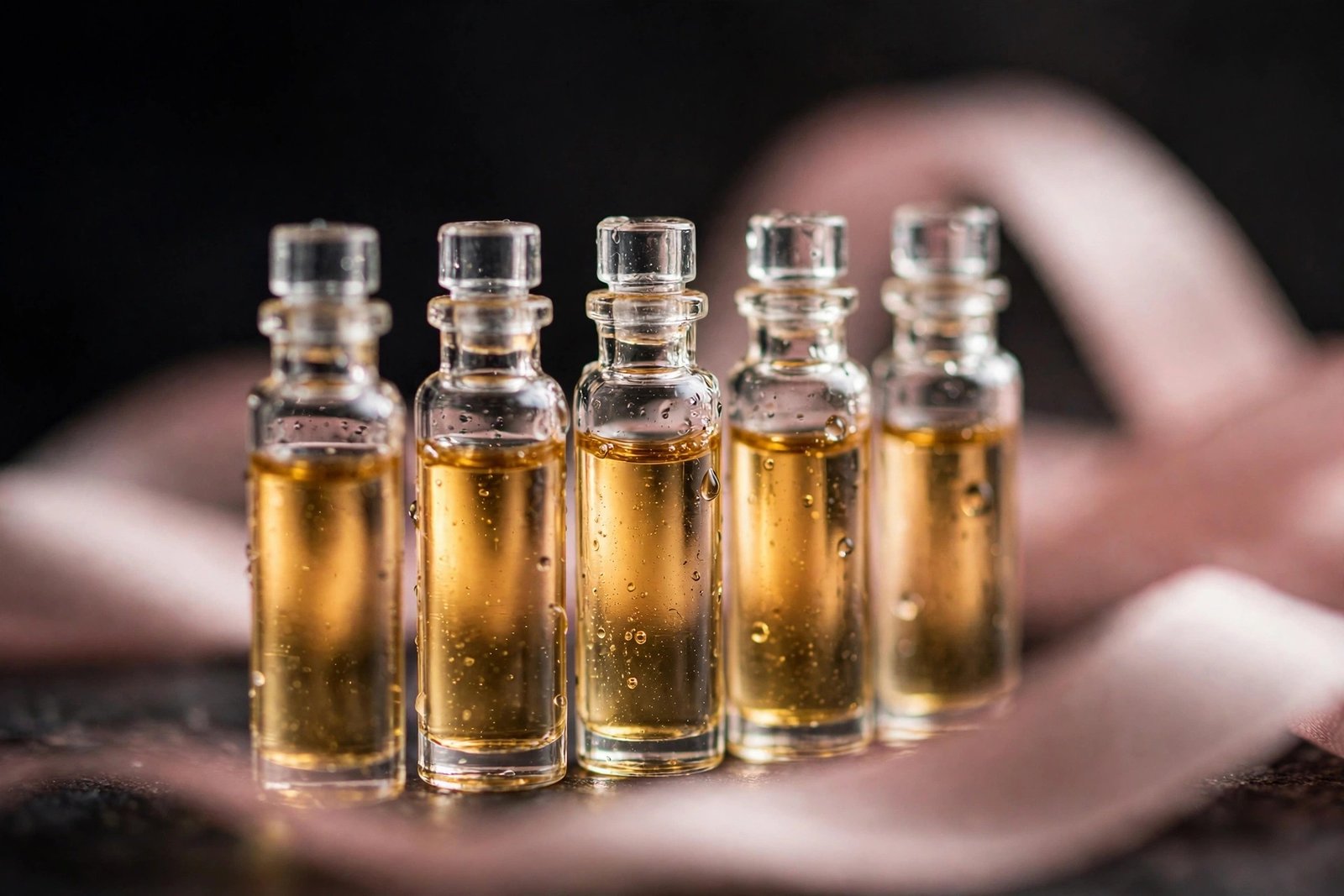
A discovery set is a curated collection of small sample vials from a single house, and it is the single smartest purchase a niche-curious beginner can make. Here is why they are such good value.
They are cheap relative to what you learn. For the price of a restaurant meal, you get to explore an entire house’s range — six to ten scents — instead of gambling on one.
Many are redeemable. A growing number of niche houses let you apply the cost of the discovery set toward a future full-bottle purchase from them. In effect, the sampling becomes free if you end up buying. Always check whether a house offers this before ordering.
They teach you the house’s DNA. Niche houses have distinctive styles — a shared base, a philosophy, a way of blending. Sampling a full discovery set teaches you whether you connect with the house itself, which is more useful than evaluating any single scent in isolation.
Where to start: pick two or three houses whose descriptions intrigue you and order their discovery sets. Do not order ten at once — you will overwhelm yourself. Work through one house at a time, giving each scent a proper wearing.
Decants: Trying Anything for a Few Dollars
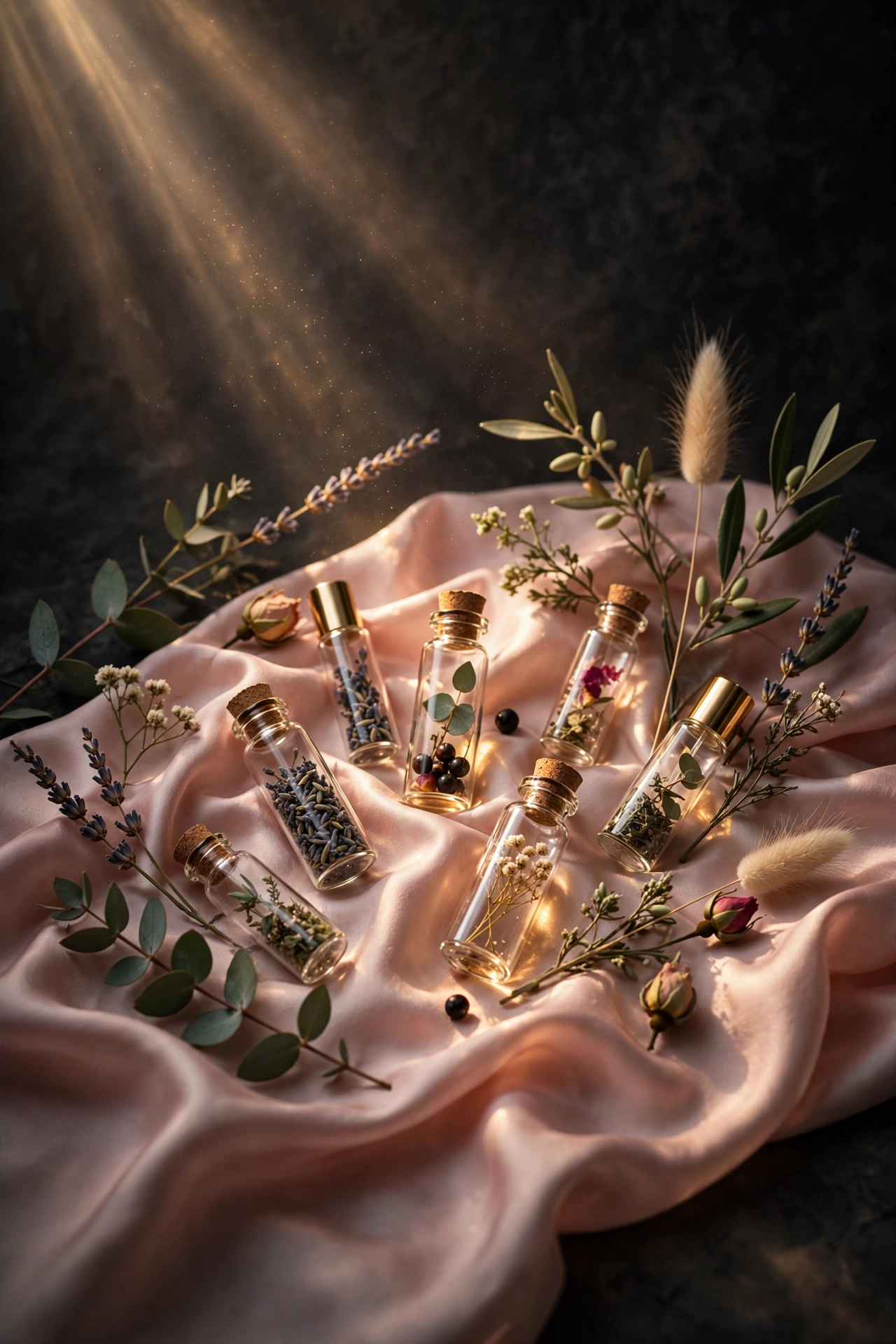
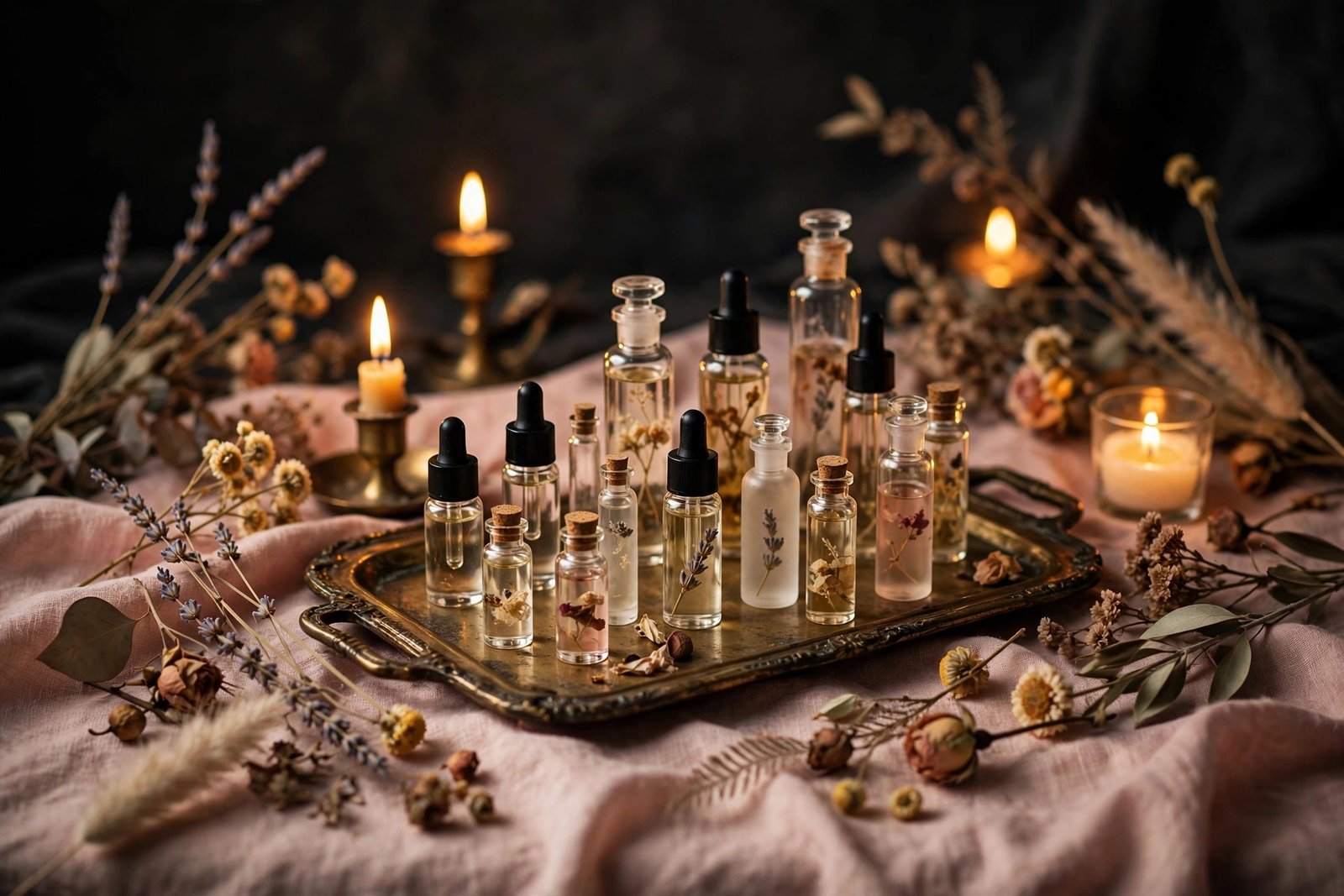
Decants are small portions of a fragrance — typically 1–2 ml in a tiny spray vial — sold by specialized decanting websites and community sellers. They are the backbone of serious fragrance exploration, because they let you try literally any scent on the market for a few dollars.
How decants work: a seller buys a full retail bottle, divides it into small vials using sterile equipment, and sells the vials individually. Reputable decant sellers are meticulous about authenticity and hygiene — this is a well-established corner of the fragrance community with strong norms.
What decants are for: trying a specific famous scent you have read about, doing side-by-side comparisons (dupe versus original, for example), and wearing a scent several times before deciding. A 2 ml decant gives you roughly 20–30 sprays — plenty for multiple full wearings.
Choosing a seller: look for established decant websites with clear authenticity guarantees and lots of community feedback. Avoid random marketplace listings with no track record. The price should make sense — if a decant of a $300 scent costs almost nothing, something is wrong.
How to Sample Like a Professional
Having samples is one thing; evaluating them well is another. Professional reviewers and experienced collectors follow practices that extract far more information from each vial.
One or two scents per day, maximum
Your nose fatigues quickly. Spraying six scents at once on paper strips tells you almost nothing — by the third, your nose is overwhelmed and everything blurs together. Limit yourself to one scent per day when seriously evaluating, two at most (one on each wrist, and only if they are very different styles). This feels slow. It is supposed to be slow — it is how you actually learn.
Always test on skin
Paper strips are useful for a first impression in a store, but they lie about the important things. Fragrance interacts with your skin’s warmth, oils, and chemistry. A scent that smells sharp on paper can bloom beautifully on skin, and a scent that smells lovely on paper can turn sour on you personally. Every scent you are seriously considering must be tested on skin, worn for a full day.
Wear it through a whole day
Niche fragrances are often built to evolve. The opening might be challenging — bitter, smoky, animalic — while the dry-down four hours later is sublime. Judging a complex scent on its first fifteen minutes is like judging a novel by its first page. Give each serious contender at least one full day’s wear, ideally two, before deciding.
Take notes
Keep a simple fragrance journal — a notes app is fine. For each scent, record: the name, your first impression, how it smelled at hour three, how long it lasted, and whether you would wear it again. This sounds fussy, but after sampling twenty scents they all blur together, and your notes become the only reliable record of what you actually thought. Over time, patterns emerge that teach you what you truly love.
Reset your nose
Between evaluations, smell something neutral — the crook of your elbow, plain coffee beans, fresh air. Do not evaluate scents when you have a cold, right after a heavily spiced meal, or in a room full of competing smells. Your nose is the instrument; keep it calibrated.
Building Your Niche Education Strategically
Random sampling is fun but inefficient. A little structure gets you further, faster.
Learn your notes
Fragrance is described in “notes” — the identifiable scent components, organized into top, heart, and base. Learning the major notes (bergamot, jasmine, vetiver, amber, oud, vanilla, incense, leather, musk) gives you a vocabulary for understanding what you like. When you can say “I love vetiver but dislike heavy white florals,” every sample teaches you more. Our guide to understanding perfume notes breaks down the major families.
Explore by house, not just by scent
Once a discovery set reveals a house whose style resonates with you, explore that house deeply before scattering your attention. Houses have philosophies — some specialize in natural-smelling compositions, others in avant-garde experiments, others in luxurious comfort scents. Finding “your” houses is one of the great pleasures of niche exploration.
Use the community
Fragrance communities — forums, review sites, enthusiast groups — are treasure troves of knowledge. Search for a scent you are curious about and read multiple reviews, paying attention to reviewers whose taste seems to align with yours. Look for reviewers who describe the actual smell in concrete terms rather than just rating it. The community is also where you learn practical things: which houses offer redeemable discovery sets, which decant sellers are trustworthy, which scents have been reformulated.
Follow your curiosity, not the hype
Every year has its hyped niche scents — the ones all over fragrance media. Some are genuinely great; many are simply well-marketed. The scents you will love most are often not the hyped ones but the quiet ones you discover through systematic sampling. Let your nose, not the algorithm, lead.
The Budget Framework: Niche on Real Money
Let us talk numbers, because “niche fragrance” and “budget” sound contradictory until you see the math.
Phase 1 — Learning ($30–$75): Two or three discovery sets from houses that interest you. This is your education budget. Expect to find one or two scents you like and to learn an enormous amount about your taste.
Phase 2 — Deepening ($20–$50): Decants of specific scents you have read about or want to compare — perhaps the famous icons of the houses you liked, or scents for side-by-side testing against dupes you own.
Phase 3 — Committing ($150–$300, occasionally): A full bottle, but only of a scent you have worn multiple times and still love. Because you sampled first, this purchase has a near-100% satisfaction rate — compare that with the regret rate of blind buys.
Notice what is missing: there is no phase where you spend $250 on something you have never smelled. That phase does not exist in a smart strategy. Many collectors happily spend less per year on fragrance than a single blind-buy mistake would cost, while smelling far more interesting things.
The solid perfume alternative
If even decant prices feel steep, consider solid perfumes as an entry point. Many artisan and niche-adjacent makers offer solid versions of their scents at very accessible prices — the wax format is inexpensive to produce and surprisingly long-wearing. Our beginner’s guide to solid perfumes explains the format and how to shop it.
Common Beginner Mistakes
Judging too fast. The number one mistake. A complex niche scent needs hours, not minutes. The scents that become lifelong loves often start as “interesting… maybe?”
Sampling too many at once. Nose fatigue is real and it makes everything smell the same. Slow down.
Chasing hype instead of taste. Just because a scent is famous does not mean it suits you. Your skin, your life, your preferences — those are the criteria.
Ignoring the dry-down. Many beginners evaluate only the opening. But you live with the dry-down for most of the wearing — it deserves the most weight in your decision.
Buying the bottle too soon. Excitement after one good wearing is not the same as lasting love. Wear it twice, on different days. If you still love it, buy with confidence.
Dismissing a house after one scent. Houses have ranges. Disliking one scent from a house tells you nothing about the other nine. The discovery set exists precisely so you can survey the range.
Frequently Asked Questions
How much should I budget to start exploring niche fragrance?
A sensible starting budget is $30–$75 for two or three discovery sets. That buys you a genuine education in what you like. Add $20–$50 for decants of specific scents as your curiosity sharpens. Only spend full-bottle money on scents you have already tested and loved.
Are niche perfumes actually better than designer ones?
“Better” is the wrong word — they are different. Niche houses take creative risks and use unusual materials, which produces scents that are more distinctive and often more complex. But many designer scents are beautifully made, and plenty of niche scents are challenging or simply not to a given person’s taste. The advantage of niche is range and artistry, not automatic superiority.
Where can I smell niche fragrances in person?
Specialty fragrance boutiques in major cities often carry niche lines and encourage sampling. Some department stores have expanded niche sections. If you are not near one, discovery sets and decants ordered online are the standard route — most of the niche community samples this way.
How long does a 1 ml sample vial last?
A 1 ml vial gives roughly 10–15 sprays, which is enough for two to three full wearings if you apply modestly. That is plenty to decide whether you love a scent. A 2 ml decant roughly doubles that.
What if I love a scent but cannot afford the full bottle?
You have options: continue buying decants (many collectors wear decants indefinitely with no shame), look for a well-regarded dupe of the scent’s style, or watch for sales and gift sets. The dupes guide is useful here — knowing a scent’s character lets you find affordable alternatives that capture its spirit.
Is it safe to buy decants online?
From reputable, established decant sellers with authenticity guarantees and community track records, yes — this is a normal, long-standing part of fragrance culture. Avoid sellers with no history, prices that seem too good to be true, or vague sourcing. When in doubt, buy the house’s own discovery set instead.
The Bottom Line: Curiosity, Systematized
Discovering niche fragrance is one of the great pleasures available to a curious nose — but only if you do it in a way that respects your budget. The system is simple: learn your notes, order discovery sets, sample slowly on skin, take notes, buy decants of what intrigues you, and only purchase full bottles of scents you have already lived with and loved.
Start this week with a single discovery set from a house that intrigues you. Wear each scent for a full day. Write down what you think. By the time you finish that first set, you will know more about your own taste than most perfume buyers ever learn — and you will have spent less than the cost of one regrettable blind buy. That is what smart fragrance exploration looks like.
Love this? Pin it for later!