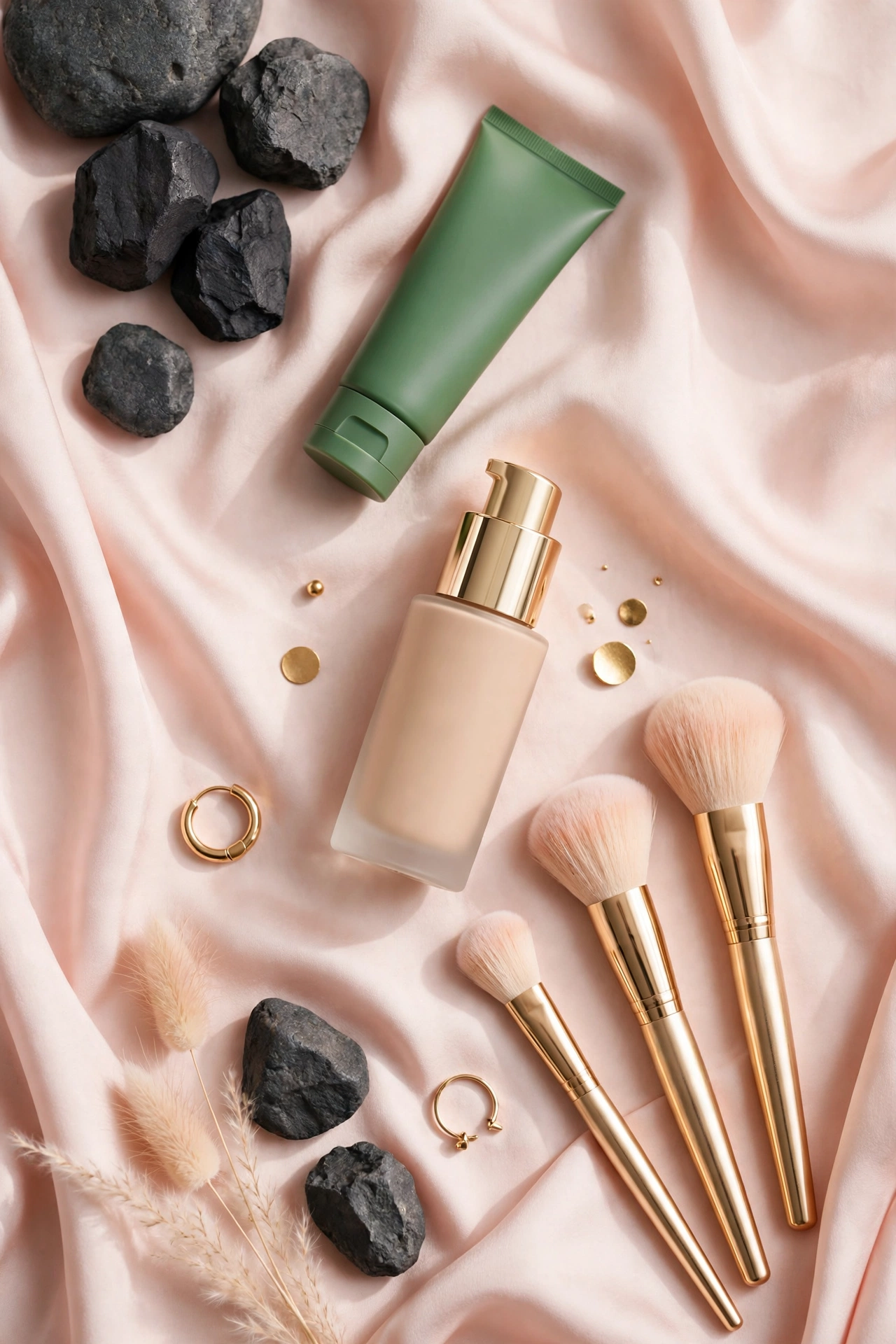
Makeup Tips for Rosacea: Cover Redness Without Irritation
Wearing makeup with rosacea can feel like a trap. You want to cover the redness, but half the products on the shelf seem designed to cause the exact flare you’re trying to hide. Heavy foundations cake and emphasize texture. Certain powders itch within an hour. And some formulas look fine at 8 a.m. but trigger a beet-red flush by lunch.
The good news: rosacea and makeup aren’t enemies. The problem is almost never makeup itself — it’s the wrong formulas, applied the wrong way, on unprepared skin. With a calm-first approach and a few specific techniques, most people with rosacea can wear full, even, natural-looking makeup without paying for it later.
Key Takeaways
- Skincare prep is half the battle: calm, hydrated skin holds makeup better and flares less.
- Green color correctors neutralize redness so you can use less foundation, not more.
- Mineral-based, fragrance-free formulas are generally the safest starting point for rosacea-prone skin.
- Patting and pressing beats buffing and dragging — application technique matters as much as the product.
- Gentle removal at night prevents the next day’s flare; never sleep in makeup.
This article is for informational purposes only and is not medical advice. Skin conditions vary — see a dermatologist for diagnosis and treatment.
Start With Calm Skin: The Prep That Changes Everything
Makeup applied over irritated skin is makeup that won’t behave. Flaky, inflamed skin grabs pigment unevenly, exaggerates texture, and reacts more readily to anything you layer on top. The most important makeup tip for rosacea has nothing to do with makeup at all: get your skin calm and hydrated first.
A solid prep routine looks like this:
- Gentle cleanse — a mild, fragrance-free cleanser, lukewarm water, fingertips only. No scrubbing, no hot water, no foaming formulas that strip.
- Hydrating layer — a simple hydrating serum or essence while skin is still slightly damp. Look for glycerin, hyaluronic acid, or aloe.
- Moisturizer — a barrier-supporting cream with ceramides or squalane. This is your makeup’s foundation in the literal sense: hydrated skin needs less coverage.
- Sunscreen — non-negotiable, since UV is rosacea’s most common trigger. Mineral sunscreens with zinc oxide or titanium dioxide tend to be the gentlest option, and many double as a smoothing primer.
Wait a few minutes between layers. Rushing causes pilling, and pilling tempts you to rub — which is exactly what rosacea-prone skin hates. If you’re building your routine from scratch, this sensitive skin routine guide covers the calm-first basics in detail.
Color Correcting: Let Green Do the Heavy Lifting
Here’s the technique that changes the game: instead of burying redness under layers of foundation, neutralize it first with a green color corrector. Green sits opposite red on the color wheel, so a thin layer of green-tinted product cancels redness before your foundation even goes on. The result is that you need significantly less foundation — and less product means less irritation risk.
How to do it right:
- Use a thin layer. More is not better with color correctors. A sheer wash of green over the reddest areas (typically cheeks and nose) is enough. If you can clearly see green on your skin, you’ve applied too much.
- Target, don’t blanket. Apply only where the redness is worst. Covering your whole face in green corrector is a recipe for a gray, ashy finish.
- Blend the edges. The corrector should fade seamlessly into bare skin at its borders — no harsh lines.
- Let it set. Give the corrector a minute to settle before layering foundation over it.
For a full walkthrough of shades, formulas, and blending technique, this guide to using green concealer for redness covers everything from picking the right green to avoiding the dreaded minty cast.
Choosing Rosacea-Friendly Formulas
Not all makeup is created equal for reactive skin. Here’s what to look for — and what to skip.
Foundation: Less Is More
- Mineral foundations (loose or pressed powder minerals) are the classic rosacea-friendly choice. They typically contain few ingredients, no fragrance, and the zinc oxide and titanium dioxide in them are naturally calming.
- Tinted moisturizers and BB creams with mineral SPF offer sheer coverage that evens tone without masking skin completely. For many people with mild redness, this plus spot-correcting is all they need.
- Serum foundations in lightweight formulas can work well — they’re hydrating and sheer, though patch-test first since some contain fragrance.
What to approach with caution: full-coverage matte foundations, long-wear “24-hour” formulas (they often contain more irritants and require harsher removal), and anything with alcohol denat. high on the ingredient list. On the skincare side, calming ingredients that sit well under makeup — such as the ones covered in this overview of azelaic acid benefits for skin — can reduce baseline redness so you need even less coverage.
Concealer: Spot-Treat, Don’t Mask
Use concealer only on the spots that still show through after color correcting and foundation — usually around the nose, on specific bumps, or on broken capillaries. A creamy, hydrating concealer patted on with a fingertip beats a dry, full-coverage stick dragged across inflamed skin every time.
What to Avoid
- Fragrance and parfum — one of the most common irritants in cosmetics, and it’s in far more products than you’d expect.
- Alcohol denat. (denatured alcohol) — drying and irritating on compromised barriers.
- Harsh chemical exfoliants in makeup — some “skincare-makeup hybrids” pack in AHAs at levels that can sting rosacea-prone skin.
- Waterproof everything — waterproof formulas require aggressive removal, and aggressive removal is a flare trigger. Save waterproof mascara for special occasions.
A useful habit: patch-test new makeup on your jawline or behind your ear for 24 hours before a full-face application. It’s not glamorous, but it saves you from discovering a reaction on the morning of an important event.
Application Techniques That Minimize Irritation
The same product can be rosacea-safe or rosacea-hostile depending on how you apply it. The guiding principle: minimize friction.
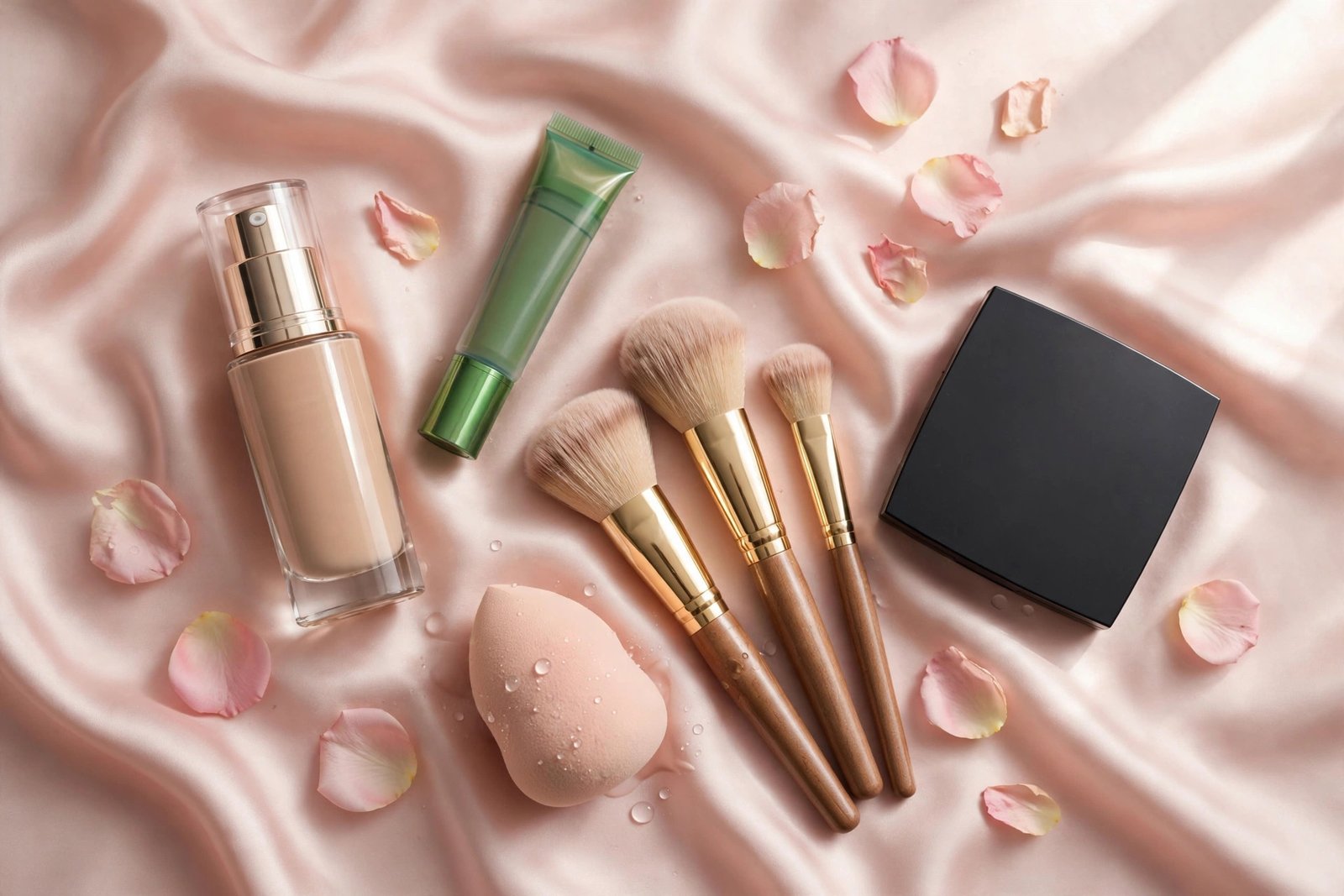
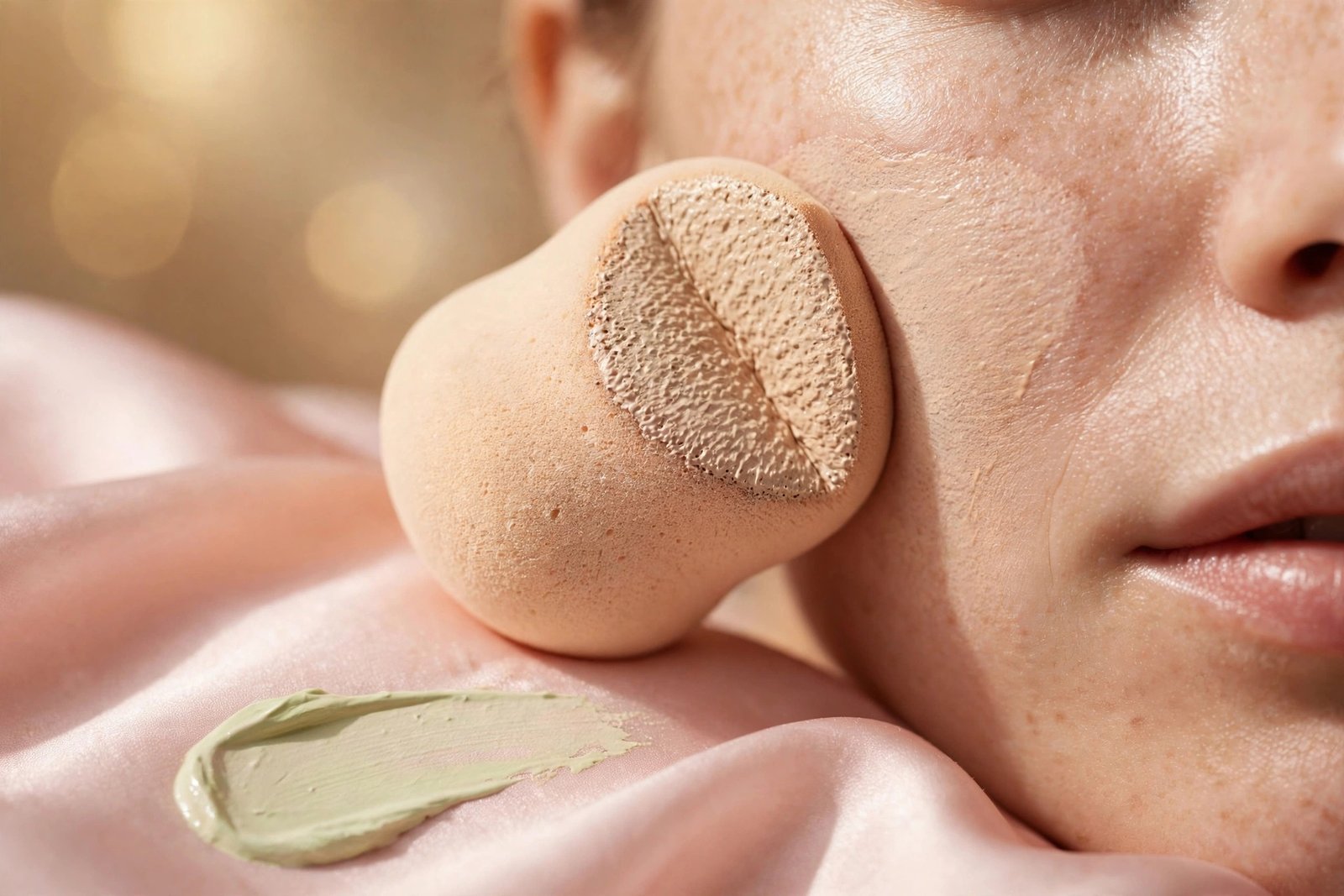
- Pat and press, don’t buff and drag. Use a damp makeup sponge and press product into the skin with gentle bouncing motions. Circular buffing with a dense brush creates friction and heat — both flare triggers.
- Use clean tools. Dirty brushes harbor bacteria that can aggravate inflamed skin. Wash brushes weekly with a gentle cleanser and let them dry completely.
- Fingertips are underrated. The warmth of your fingers melts cream products into skin with zero brush friction. Just make sure your hands are clean.
- Layer thin coats. Two sheer layers look more natural and feel lighter than one thick one. This is especially true over textured or bumpy areas, where heavy product settles into every irregularity.
- Skip the baking. The heavy-powder “baking” technique dries out skin and emphasizes texture — the opposite of what rosacea-prone skin needs.
One more underappreciated tip: apply makeup in a cool room. Heat is a rosacea trigger, and leaning over a steamy bathroom mirror while applying a full face is a surprisingly common cause of mid-routine flushing.
Setting Without Caking
Powder is where many rosacea routines fall apart. Too much powder settles into texture, looks cakey by afternoon, and can feel itchy on sensitized skin. The fix is restraint and placement:
- Use a finely milled mineral powder or a lightweight setting spray instead of heavy pressed powder.
- Apply powder only where you need it — typically the T-zone — not all over the face.
- Press, don’t sweep. Use a fluffy brush and press powder onto skin rather than sweeping it across.
- Setting sprays are often the better choice for rosacea-prone skin: they meld layers together without adding dryness, and many contain soothing ingredients like aloe or rosewater. Avoid sprays with alcohol or heavy fragrance.
Blush, Bronzer, and the Rest: The Finishing Details
Yes, you can wear blush with rosacea — you just need to be strategic. Cream blushes in soft, warm tones (peach, warm pink, terracotta) blend seamlessly and look natural. Powder blushes applied over redness can read as “more red,” so if you use powder, keep it sheer and place it slightly higher on the cheekbone, away from the reddest zones.
A few more finishing notes:
- Bronzer: use sparingly and blend well; heavy contouring on inflamed skin tends to look muddy.
- Highlighter: cream or liquid formulas over powder — powder highlighters emphasize texture on bumpy skin.
- Lip color: a bold lip draws the eye away from cheek redness and is completely flare-safe. It’s the easiest rosacea makeup trick there is.
- Eye makeup: usually fine, but if you have ocular rosacea symptoms, stick to gentle, fragrance-free formulas and remove eye makeup carefully.
Removing Makeup Without Triggering a Flare
Removal is where the day’s good work gets undone. Scrubbing at waterproof mascara with a harsh wipe at 11 p.m. is a reliable way to wake up red.
- Double cleanse gently. Start with a fragrance-free cleansing balm or micellar water to dissolve makeup, then follow with your regular gentle cleanser. This removes everything without scrubbing.
- Avoid makeup wipes as your main method. The rubbing action irritates, and many wipes contain fragrance and preservatives that linger on skin.
- Lukewarm water only. Hot water feels good but dilates blood vessels — the last thing rosacea-prone skin needs.
- Reapply your calming skincare after. Cleansing is inherently a little disruptive; follow it with your hydrating and moisturizing steps to reset the barrier overnight.
A Simple Everyday Routine, Start to Finish
Putting it all together, a rosacea-friendly daily makeup routine might look like this:
- Gentle cleanse, hydrating serum, moisturizer, mineral sunscreen (prep)
- Green color corrector on the reddest areas, blended at the edges
- Sheer tinted moisturizer or light foundation, pressed on with a damp sponge
- Cream concealer patted onto any spots still showing
- Cream blush on the upper cheekbones
- Light mineral powder pressed only on the T-zone (or setting spray all over)
- Bold lip color to finish
Total products touching inflamed skin: minimal. Total friction: minimal. Coverage: natural and even.
Frequently Asked Questions
Can makeup make rosacea worse?
The wrong makeup can — particularly fragranced products, alcohol-heavy formulas, and harsh removal routines. But makeup itself isn’t the enemy. Gentle, minimal-ingredient formulas applied with low-friction techniques are well tolerated by most people with rosacea. If a product consistently causes stinging or flushing, stop using it regardless of how popular it is.
What’s the best foundation for rosacea?
There’s no single best foundation, but mineral-based formulas and sheer tinted moisturizers are the safest starting points for most people. The “best” one is whichever gives you adequate coverage with the fewest ingredients and no fragrance — and that you can remove gently at night. Patch-testing matters more than brand reputation.
Should I use green primer or green concealer?
Either can work — it depends on the extent of your redness. A green-tinted primer works well for widespread, diffuse redness since it goes under everything. A green concealer is better for targeting specific red zones. Some people use both: primer all over, concealer on the worst spots. Start with one and add the other only if you need it.
How do I stop my makeup from looking cakey on rosacea texture?
Hydration is the fix. Well-moisturized skin needs less product, and less product can’t cake. Use thin layers, press rather than buff, skip heavy powder, and finish with a hydrating setting spray. If texture is the issue rather than redness, a silicone-free smoothing primer on the specific areas can help — patch-test first.
Is it okay to wear makeup during a rosacea flare?
During an active flare, less is genuinely more. Stick to the basics — moisturizer, mineral sunscreen, and maybe a sheer tinted product — and skip full coverage until the flare calms. Makeup won’t heal a flare, and layering products over actively inflamed skin increases the chance of prolonging it. When in doubt, give your skin the day off.
Conclusion
Makeup with rosacea isn’t about hiding — it’s about working with your skin instead of against it. Calm the skin first, neutralize redness with green correctors so you need less coverage, choose simple fragrance-free formulas, apply everything with a light hand, and remove it all gently at night.
None of this requires a 15-product routine or expensive specialty brands. It requires patience, a short ingredient list, and respect for what your skin is telling you. For the skincare side of the equation — the routine that keeps redness calmer day after day — the complete rosacea skincare guide pairs perfectly with everything here. And if your skin also reacts to everything else in your routine, building a sensitive skin routine designed for reactive skin as your base will make every makeup day easier.
Love this? Pin it for later!