Beard Oil vs Beard Balm: Which One Does Your Beard Need?
Walk into any grooming aisle (or scroll any men’s grooming shop online) and you’ll hit the same question: beard oil or beard balm? They sit side by side, they both promise a better beard, and for a beginner they look suspiciously like the same product in different packaging. They’re not — they do different jobs, and using the wrong one (or using both wrong) is one of the most common beginner mistakes.
This guide breaks down exactly what each product is, what it does, how they differ, and — most importantly — which one your beard actually needs based on its length, your skin, and what you’re trying to achieve. Spoiler: many beards benefit from both, used at different times for different reasons.
Key Takeaways
- Beard oil is a lightweight liquid that moisturizes the skin under the beard and conditions the hair — it’s the daily essential.
- Beard balm is a thicker oil-plus-wax blend that adds light hold, shape control, and extra conditioning for longer beards.
- Short beards (under an inch) usually only need oil; balm becomes useful once the beard is long enough to need shaping.
- You can use both: oil first for moisture, then a small amount of balm for hold and styling.
- Neither product makes hair grow faster or thicker — they keep existing hair healthy so it reaches its full potential.
- Pick unscented or lightly scented products if you have sensitive skin or work in scent-sensitive environments.
What Is Beard Oil?
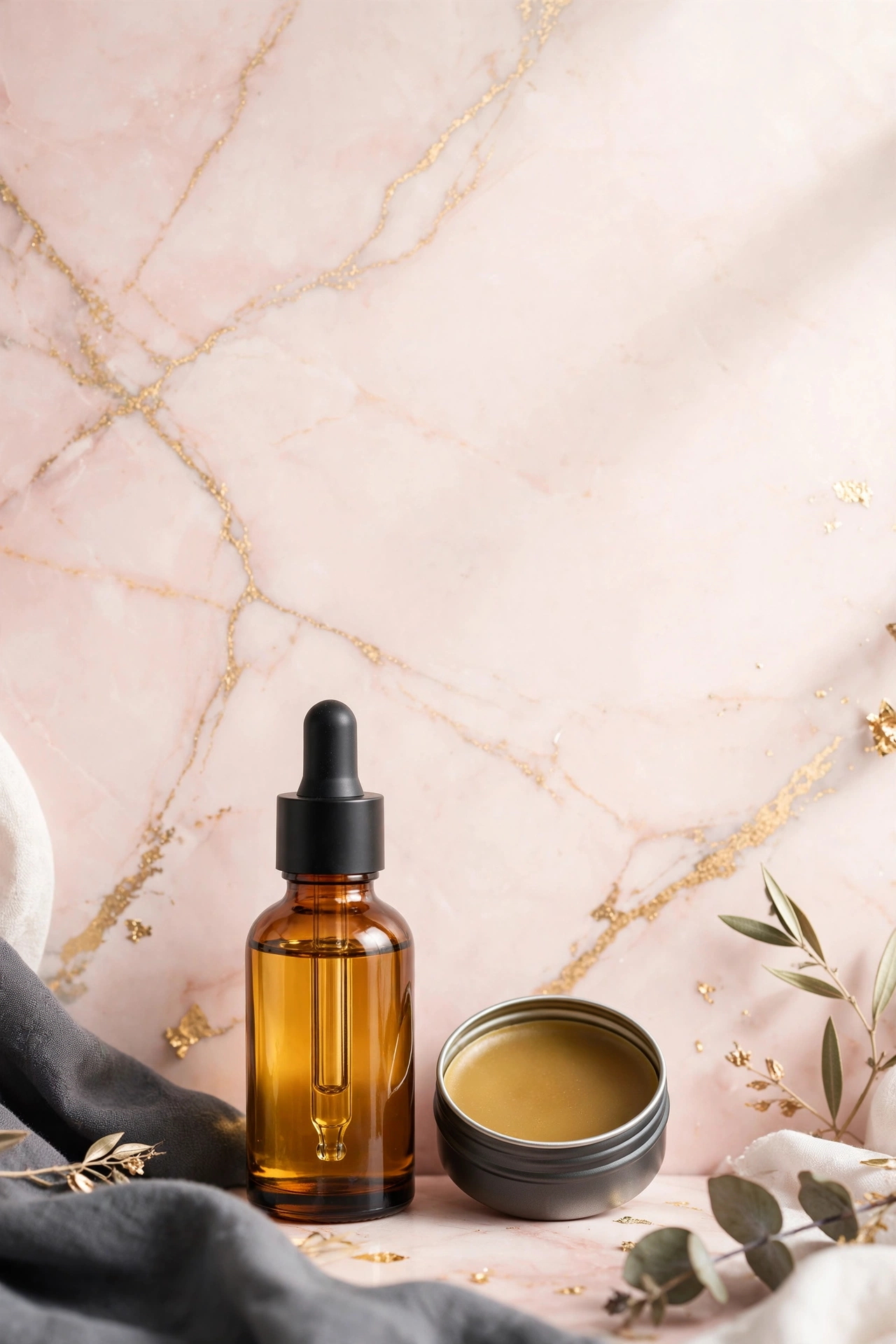
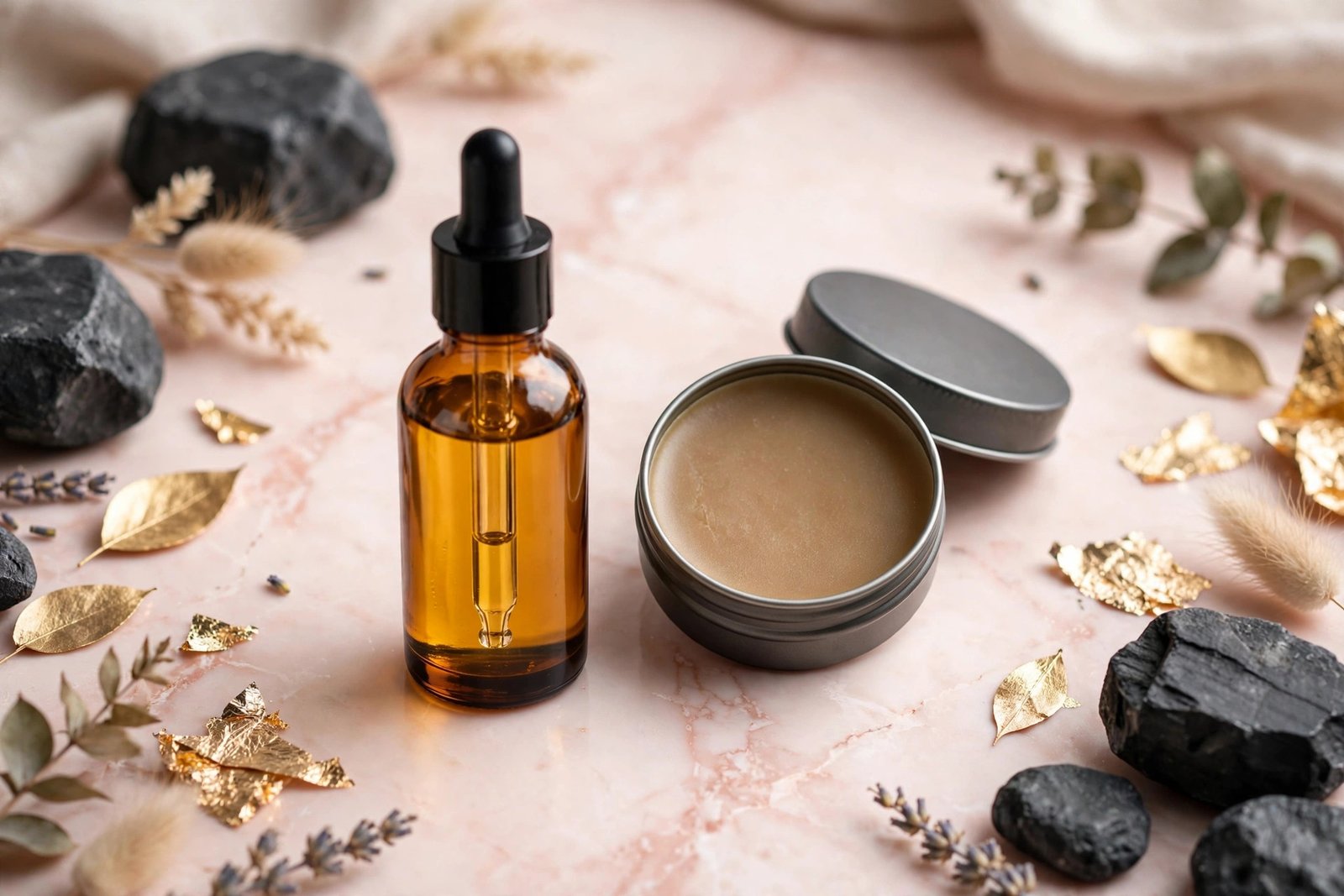
Beard oil is a lightweight blend of carrier oils — typically jojoba, argan, sweet almond, grapeseed, or similar — sometimes with a small amount of essential oil for fragrance. It’s a thin liquid that absorbs relatively quickly into the skin and hair.
Its primary job is moisturizing the skin underneath the beard. Once facial hair covers the skin, your regular moisturizer can’t reach it, and the skin dries out — leading to itching, flaking (“beardruff”), and irritation. Beard oil solves this by delivering moisture directly to that hidden skin. Its secondary job is conditioning the beard hair itself: softening coarse strands, reducing frizz, and adding a healthy-looking sheen.
Beard oil provides essentially no hold or styling power. It won’t tame flyaways or shape a mustache — it’s a treatment product, not a styling product. Think of it like a moisturizer for your beard: necessary daily care, not sculpture.
What Is Beard Balm?
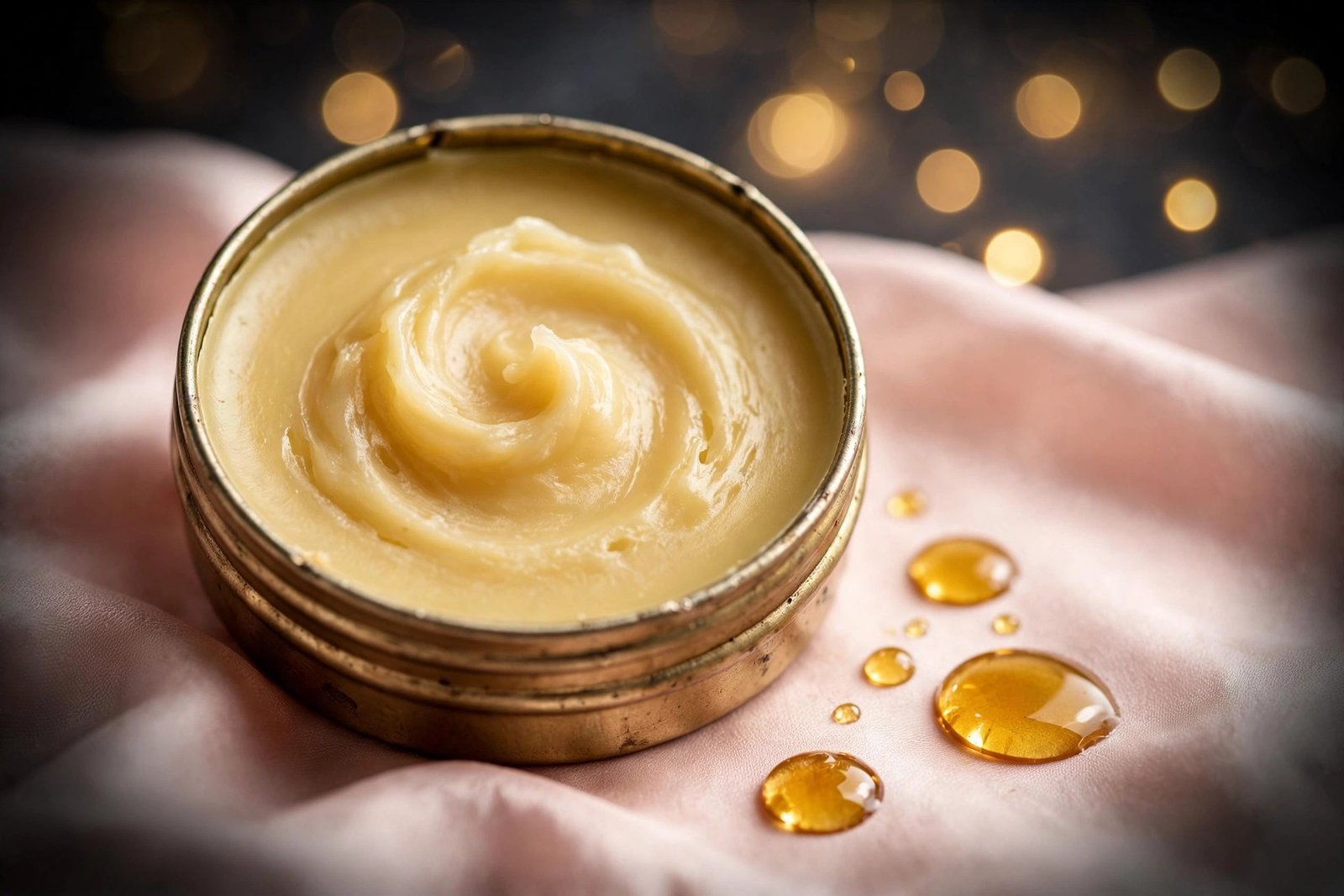
Beard balm is a thicker, semi-solid product made from three core ingredients: carrier oils (like beard oil), butters (typically shea or cocoa butter), and wax (usually beeswax, sometimes with lanolin or plant waxes). It has the consistency of a firm pomade — you scoop a small amount, melt it between your palms, and work it through the beard.
The wax is what separates balm from oil: it gives the balm light-to-medium hold. That hold lets you shape the beard, tame flyaways, train unruly hairs to lie in one direction, and add a bit of volume and structure. The oils and butters in the balm also condition and moisturize, so balm does provide moisture — just less efficiently than a dedicated oil, because the wax content means less actual oil reaches the skin.
Think of beard balm as a 2-in-1: part conditioner, part light styling product. It’s the beard equivalent of a leave-in conditioner with a bit of styling cream mixed in.
Beard Oil vs Beard Balm: Side-by-Side Comparison
| Feature | Beard Oil | Beard Balm |
|---|---|---|
| Texture | Lightweight liquid | Thick, waxy solid |
| Main job | Moisturize skin + condition hair | Shape, hold + condition hair |
| Hold / styling power | None | Light to medium |
| Moisturizing power | Excellent (reaches skin easily) | Good (wax limits skin penetration) |
| Best for beard length | Any length, essential for short beards | 1+ inch, when shaping is needed |
| Daily use | Yes — the daily essential | Optional — use when styling needed |
| Finish | Natural sheen | Slightly more structured, matte-to-satin |
| Flyaway control | Minimal | Good |
| Mustache styling | No | Light styling possible |
Which One Should You Use? A Decision Guide
Choose Beard Oil If…
- Your beard is short (under an inch). Short beards don’t need hold — they need moisture, and oil delivers it best.
- Your main problems are itching, flaking, or dryness. Oil targets the skin underneath directly.
- You have oily or acne-prone skin. Lightweight, non-comedogenic oils (jojoba is the classic pick) moisturize without the heavier waxes and butters in balm.
- You want the simplest possible routine. One product, applied daily, covers the essentials.
- You work somewhere scent-sensitive. Unscented oils are easy to find and disappear quickly.
If you’re just starting out and buying your first beard product, make it oil. It’s the foundation everything else builds on. Our complete beginner’s beard grooming routine treats daily oiling as the single non-negotiable habit — because it is.
Choose Beard Balm If…
- Your beard is medium to long (an inch or more) and needs shape control.
- Flyaways and unruly hairs are your main frustration. Balm’s wax content tames what oil can’t.
- You want your beard to look fuller or more structured. Balm adds light volume and keeps the shape you brush into it.
- Your mustache needs light styling. Balm gives enough hold for basic mustache direction (dedicated mustache wax is stronger for elaborate styles).
- Your beard is in a windy climate or you wear scarves/helmets that mess up the shape. Balm helps the style survive the day.
Use Both If…
Many experienced beard growers use both, and there’s a correct order: oil first, then balm. Apply beard oil to moisturize the skin and condition the hair, let it absorb for a minute, then apply a small amount of balm over the top for hold and shaping. The oil handles the skincare; the balm handles the styling.
Using balm without oil underneath is a common mistake — the wax sits on top and the skin underneath stays dry. If you only want to buy one product, buy the oil; if you want the full routine, layer them.
You Might Need Neither (Yet) If…
Brand-new stubble (under two weeks) doesn’t need dedicated beard products — a gentle moisturizer on the face covers it. Once the hair is long enough to cover the skin underneath, oil becomes worthwhile.
How to Apply Beard Oil (the Right Way)
Technique matters more than most beginners expect. Here’s the method:
- Start with a clean, slightly damp or dry beard. Oil absorbs best on clean hair.
- Dispense 3–6 drops into your palm (short beards: 3–4 drops; medium: 5–6; long: up to 8–10). Less is more — you can add, but over-oiled beards look greasy.
- Rub your palms together to warm and distribute the oil.
- Massage into the beard from the roots out, making sure your fingertips reach the skin underneath — that’s the priority target. Work the oil through the full length of the hair.
- Brush or comb through to distribute evenly and style.
Apply once daily, ideally in the morning after washing your face. Men with very dry skin or long beards sometimes add a second light application in the evening.
How to Apply Beard Balm (the Right Way)
- Scoop a pea-sized amount with the back of your thumbnail (medium beards: dime-sized; long beards: nickel-sized). Balm is concentrated — start small.
- Melt it completely between your palms by rubbing vigorously. Unmelted chunks leave waxy white bits in the beard — the telltale sign of rushed application.
- Work it through the beard from roots to tips, shaping as you go. Pay extra attention to the outer layer and any unruly sections.
- Brush or comb into your desired shape. The balm sets as it cools, locking in the shape.
- Smooth the surface with your palms for a finished look.
Apply balm after oil (if using both), and style the beard while the balm is still warm and pliable. Once it cools, the hold sets — reworking it after that just creates frizz.
Common Mistakes With Oil and Balm
Using Too Much Product
The most universal beginner error. An over-oiled beard looks wet and greasy, attracts dust, and can clog the pores underneath, causing breakouts. An over-balmed beard looks heavy and waxy. Start with less than you think — a few drops of oil, a pea of balm — and build up only if needed.
Applying Balm to a Dry, Unoiled Beard
Balm’s wax creates a light barrier that actually reduces how much moisture reaches the skin. Layering oil underneath first means the skin gets moisturized and the balm handles styling. Skipping the oil step is why some balm users complain of dryness and itching despite “moisturizing” daily.
Expecting Growth or Thickening
Let’s be direct: no beard oil or balm makes hair grow faster, thicker, or in new places. Growth rate, density, and pattern are genetic. What these products do is keep the hair and skin healthy so existing hair grows to its full potential without breakage — which genuinely makes a difference in how full the beard looks, but it’s maintenance, not magic. Treat any product promising “beard growth” with deep skepticism.
Using the Wrong Scent Strength
Heavily fragranced beard products sit inches from your nose all day. What smells great in the bottle can become overwhelming by hour six — and your coworkers notice it too. If you’re unsure, start unscented or lightly scented. You can always switch to a stronger fragrance once you know your tolerance.
Applying Oil to a Dirty Beard
Oil seals in whatever is underneath it — including sweat, food particles, and dead skin. Always apply to a clean beard. If you didn’t wash that morning, at least rinse with water first.
What About Beard Butter, Wax, and Other Products?
The grooming aisle keeps expanding, so here’s a quick map of the extended family:
- Beard butter: Like balm without the wax (or with very little). Deeper conditioning than balm, almost no hold. Good for very dry, long beards as a nighttime treatment.
- Mustache wax: Much stronger hold than balm, designed specifically for styling the mustache. Only needed once the mustache is long enough to shape.
- Beard conditioner (wash-out): Used in the shower like hair conditioner. Nice for long beards; unnecessary for short ones.
- Beard shampoo/wash: The cleanser — not interchangeable with oil or balm. You need a wash AND a moisturizer, not one or the other.
For beginners, the priority order is: beard wash → beard oil → (later) beard balm. Everything else is optional.
Ingredients to Look For (and Avoid)
Good signs: jojoba oil, argan oil, sweet almond oil, grapeseed oil, shea butter, cocoa butter, beeswax, vitamin E. These are well-established, skin-friendly moisturizers and conditioners.
Be cautious with: heavy synthetic fragrances (irritation risk, especially on the sensitive skin under a new beard), and products where “fragrance” or “parfum” is high on the ingredient list if you have reactive skin. Coconut oil as a main ingredient works for some but clogs pores for others — patch-test if you’re breakout-prone.
Red flags: products promising growth, “beard thickening” claims, or ingredient lists dominated by silicones and mineral oil with a token drop of argan. A short, recognizable ingredient list is usually a better product than a long, chemical-sounding one.
Frequently Asked Questions
Can I use beard oil and beard balm together?
Yes — and it’s the ideal routine for medium-to-long beards. Apply oil first to moisturize the skin and condition the hair, let it absorb for a minute, then apply balm for hold and shaping. Oil handles skincare; balm handles styling.
Which is better for a short beard?
Beard oil, without question. Short beards don’t need hold or shaping — they need moisture for the skin underneath. Balm’s wax is wasted on a beard under an inch long and can make short beards look greasy.
Will beard oil make my beard grow faster?
No. No topical product changes your genetic growth rate or creates new follicles. Beard oil keeps the hair and skin healthy, which prevents breakage and lets your beard reach its full natural potential — but it doesn’t speed up growth.
How long does a bottle of beard oil last?
A standard 30ml (1oz) bottle used daily at 3–6 drops lasts roughly 2–3 months for a short-to-medium beard. Balm tins last even longer since you use such small amounts per application.
Can I use beard balm on my mustache?
Yes, for light styling and taming. Balm gives enough hold to direct mustache hairs and keep them out of your mouth. For elaborate mustache styles (handlebars, etc.), a dedicated mustache wax with stronger hold works better. If you’re still shaping the overall beard, our step-by-step guide to trimming your beard at home covers mustache trimming technique in detail.
Is beard oil safe for acne-prone skin?
Generally yes, if you choose the right oil. Jojoba oil is the safest bet — it closely mimics the skin’s natural sebum and is non-comedogenic (won’t clog pores). Avoid heavy or comedogenic oils if you break out easily, use a light hand with application, and make sure you’re washing the beard regularly so oil doesn’t trap dirt against the skin.
Do I need beard oil if I already use moisturizer?
Once the beard covers the skin, yes. Regular moisturizer can’t penetrate through beard hair to reach the skin underneath effectively. Beard oil is formulated to work through the hair and is lighter than most face moisturizers, so it won’t leave the beard feeling heavy.
Conclusion
Beard oil and beard balm aren’t competitors — they’re teammates with different positions. Oil is the daily essential: it moisturizes the skin under your beard, conditions the hair, and fights itch and flaking at every length. Balm is the styling specialist: once your beard is long enough to need shape control, its wax-based hold tames flyaways and locks in your style.
If you’re buying your first product, buy the oil. If your beard has reached the unruly stage, add the balm and layer it over the oil. Either way, apply to a clean beard, use less than you think you need, and remember that consistency beats quantity.
For the full daily routine these products fit into, see our complete beginner’s beard grooming guide. And if your neckline shaving is causing irritation, check our guide on the best moisturizer for men with oily skin to keep the surrounding skin calm and clear.
Love this? Pin it for later!