How to Layer Perfume: A Beginner’s Fragrance Layering Guide
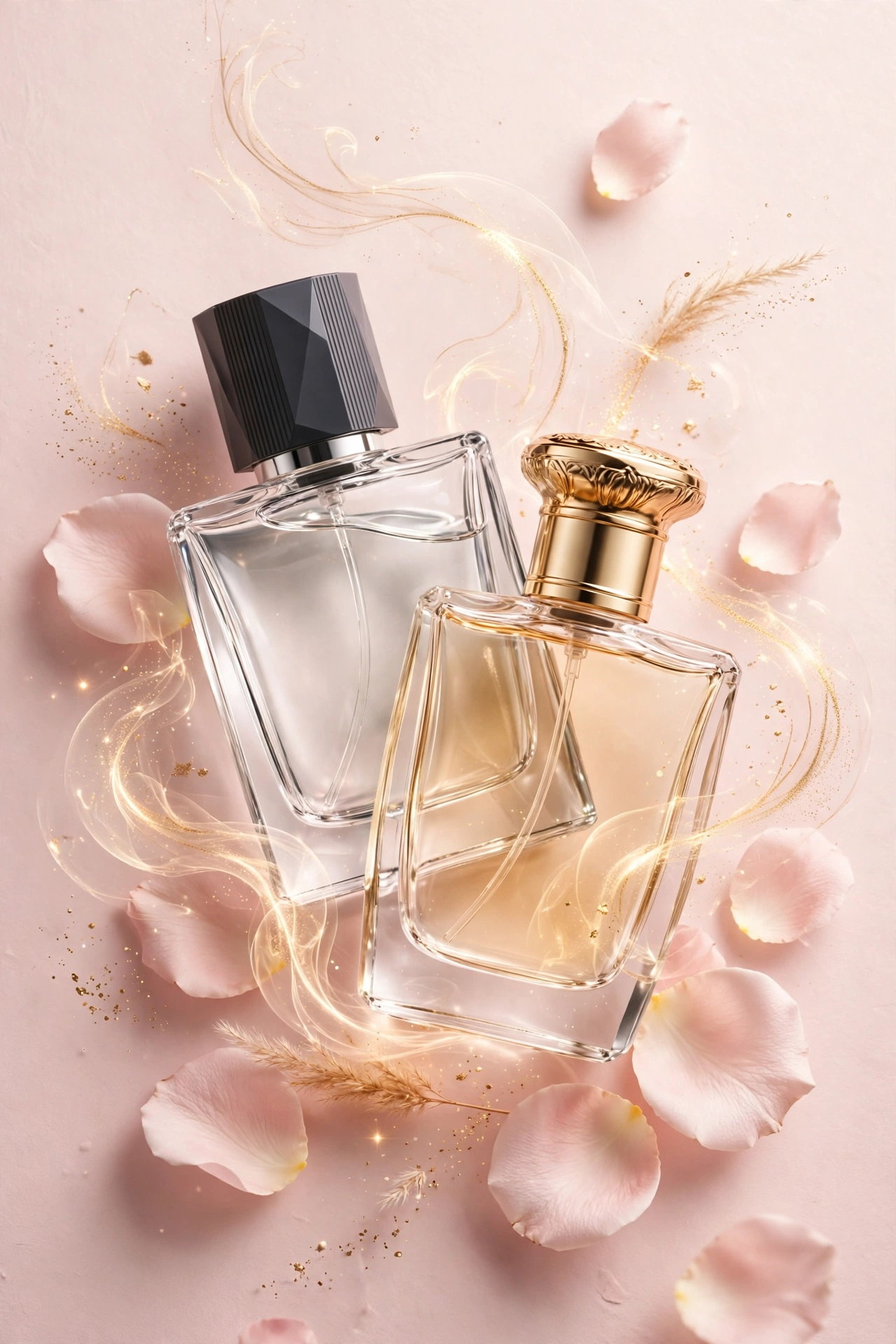
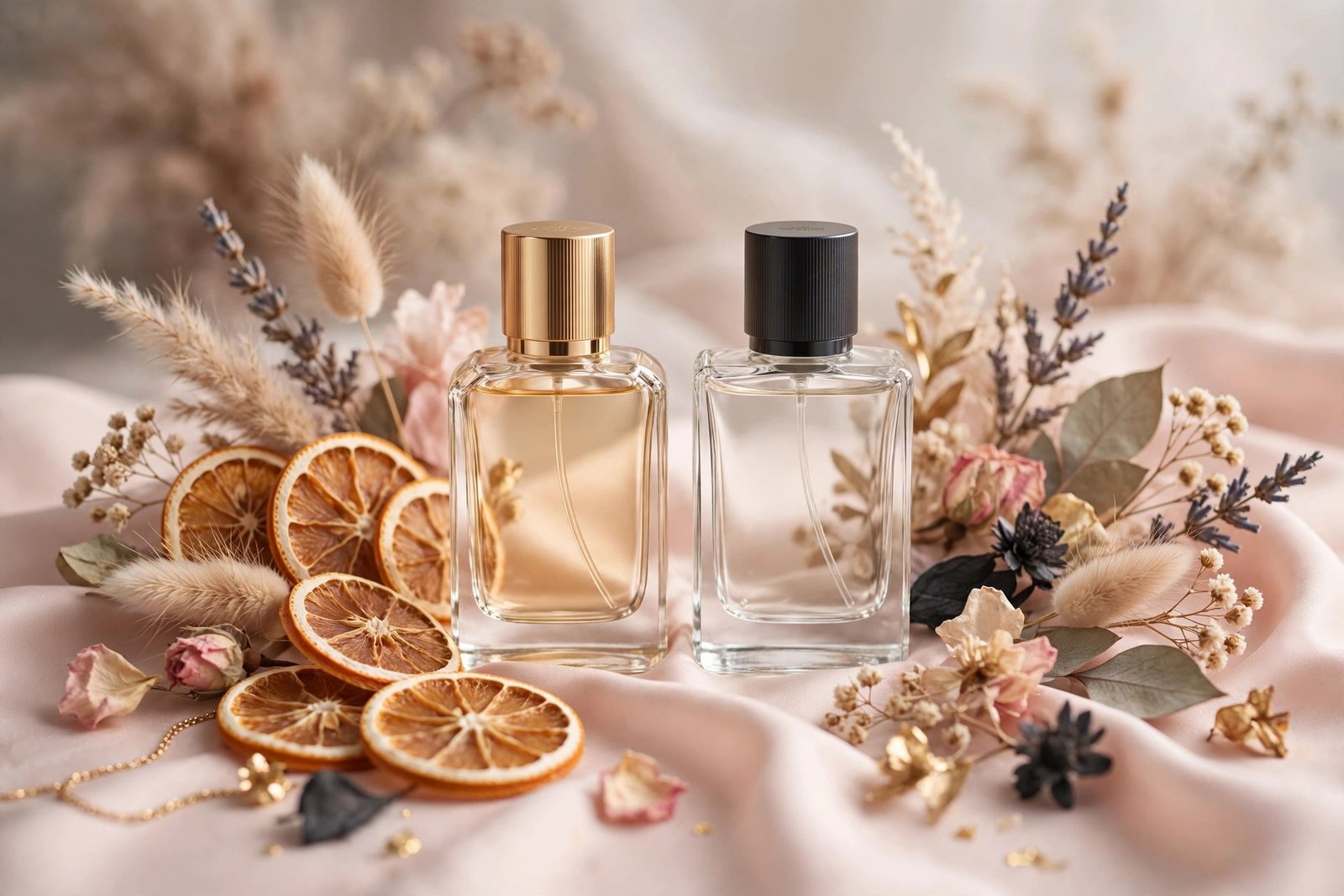
Fragrance layering is the art of combining two or more scents to create something uniquely yours. Done well, it turns your fragrance collection into a creative playground — a lighter floral over a warm vanilla, a fresh citrus brightening a deep musk. Done badly, it’s a chaotic clash that turns heads for the wrong reasons.
The good news: layering isn’t reserved for perfume experts. With a few simple rules about which notes play well together and how to test combinations, beginners can start layering confidently. This guide walks you through the fundamentals, foolproof combinations, and the mistakes to avoid. If you haven’t found your starting fragrances yet, our guide on choosing a perfume for beginners is the best place to begin.
Key Takeaways
- Layering means combining two or more fragrances to create a unique signature scent.
- Start with two scents maximum — apply the heavier fragrance first, then the lighter one on top.
- Combine fragrances that share common notes (vanilla with vanilla, citrus with citrus) for foolproof results.
- Always test new combinations on skin, not just paper strips, and give them a full hour before judging.
- Layering scented body lotion under perfume is the simplest form of layering and boosts longevity too.
What Is Fragrance Layering?
Fragrance layering is simply wearing more than one scented product at a time so they blend into a single, more complex fragrance. It can be as simple as using a vanilla body lotion under a floral perfume, or as involved as combining two full perfumes.
People layer fragrances for a few reasons:
- Uniqueness. A custom combination is far less likely to smell identical to someone else’s fragrance.
- Personalization. You can adjust a perfume that’s almost right — softening one that’s too strong or deepening one that’s too light.
- Longevity. Layering a rich base scent under a fleeting one anchors it, helping it last hours longer. Our guide on making perfume last longer covers this technique in detail.
- Creativity. Many fragrance lovers treat layering as a daily experiment, matching scents to moods, outfits, and seasons.
The Golden Rules of Layering for Beginners
Rule 1: Heaviest fragrance first, lightest last
Apply the stronger, deeper, or more complex fragrance first — this becomes your base. Then layer the lighter, fresher fragrance on top. If you reverse the order, the heavier scent can swallow the lighter one entirely. A rich amber or vanilla goes first; a sparkling citrus or airy floral goes on top.
Rule 2: Two scents to start, never more
Beginners should combine a maximum of two fragrances. Adding a third introduces complexity that makes it hard to predict or control the result. Once you’re comfortable with duos, you can experiment further — but most experienced layerers stick with pairs anyway.
Rule 3: Match shared notes
The most reliable way to guarantee a good combination is to pair fragrances that share at least one common note. Two vanillas, two citruses, or two roses will almost always harmonize. Read the note lists on the packaging or the brand’s website to find the overlap.
Rule 4: Stay in the same family (at first)
Fragrances are grouped into families: florals, orientals (warm/spicy), woods, fresh/citrus, and gourmands (sweet, edible notes). Pairing within the same family is the safest approach. Once you understand how families interact, try cross-family experiments like fresh citrus over warm amber.
Rule 5: Test on skin, not paper
Paper test strips lie. Fragrance interacts with your skin chemistry — its warmth, oils, and pH — in ways paper can’t replicate. Spray one fragrance on one wrist, the other on the opposite wrist, then smell them together. Better yet, layer both on one wrist and wear them for a full hour before deciding, since the dry-down tells the real story.
Simple Layering Methods (Easiest First)
Scented body products + perfume
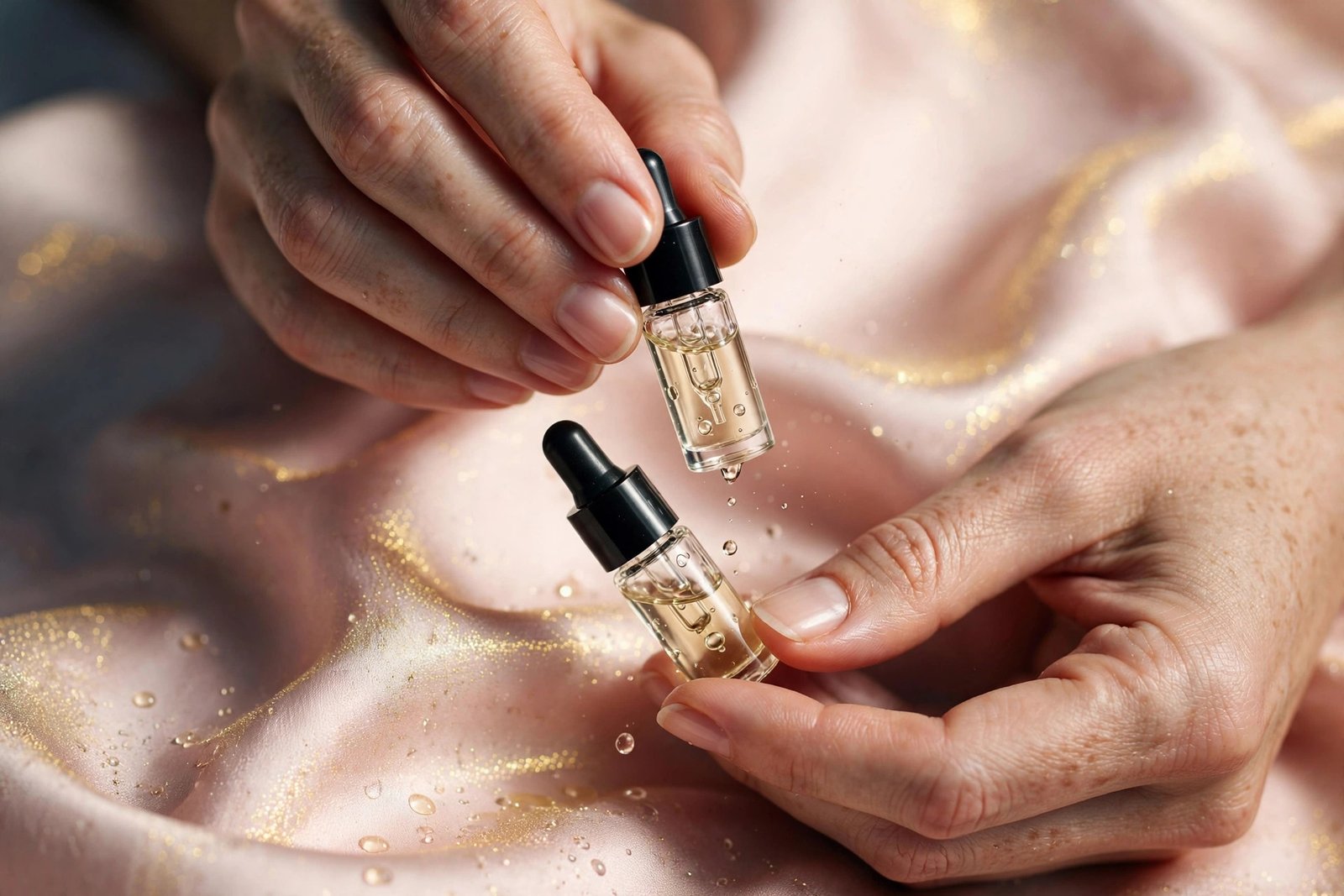
This is the simplest form of layering and where most people should start. Use a scented shower gel, body lotion, or body oil, then spray a complementary perfume over it. Matching products from the same fragrance line are ideal, but complementary scents (vanilla lotion + floral perfume) work beautifully.
Two perfumes: the base + topper method
Apply your base fragrance (heavier, longer-lasting) to your usual pulse points. Wait a minute, then spray the lighter “topper” fragrance over or near the same spots. The lighter scent leads, the base adds depth underneath. A classic example: a warm sandalwood base with a bright bergamot topper.
Different placements for different scents
Instead of stacking sprays in one spot, give each fragrance its own territory: one on the neck, one on the wrists. This creates a subtle blend as you move, and it’s easier to adjust because you can control how much of each area others smell.
Hair mist + skin perfume
Spray your regular perfume on pulse points and a complementary scented hair mist on your hair. As you move, the two mingle gently. Since hair holds scent differently than skin, this creates a soft, blended effect that’s hard to get wrong.
Foolproof Combinations to Try
These pairings follow the shared-note and same-family rules, making them nearly impossible to mess up:
- Vanilla + coconut. Two warm gourmands that blend into a beachy-sweet signature. Perfect for everyday wear.
- Rose + citrus. A bright bergamot or neroli lifts a classic rose into something fresh and modern.
- Sandalwood + vanilla. Warm on warm — cozy, creamy, and excellent for evening.
- Lavender + vanilla. Clean and calming with a sweet finish; lovely for sleep-friendly evening wear.
- Jasmine + white musk. Floral over clean musk creates a soft, skin-like scent that gets compliments.
- Bergamot + amber. Fresh top notes over a rich base — sophisticated and versatile.
When you’re comfortable with pairs, explore seasonal layering ideas for combinations designed around holiday and winter moods.
Layering Mistakes That Cause Scent Clashes
- Combining two strong, complex perfumes. Both fight for attention and neither wins. Pair one complex fragrance with one simple one instead.
- Ignoring concentration. Layering two heavy eaux de parfum can be overpowering. Try a parfum with a lighter eau de toilette or body mist.
- Pairing opposites. An intense leather or tobacco with a delicate aquatic rarely works — the strong scent bulldozes the weak one.
- Judging too fast. The first five minutes of a combination are the most chaotic. Wait for the dry-down (30–60 minutes) before deciding you hate it.
- Layering over strongly scented lotions or hair products. Unknown variables make combinations unpredictable. Use unscented base products when experimenting.
Building Your Own Signature Layered Scent
Once you’ve tested a few successful combinations, think about making one your signature. A signature layered scent works best when it’s versatile enough for daily wear but distinctive enough to be “yours.”
Start with a reliable base — a warm vanilla, soft musk, or creamy sandalwood that you love on its own. This is your anchor. Then rotate toppers by season or mood: citrus in summer, spice in fall, florals in spring. Keep notes on what you sprayed and in what order so you can recreate your favorites. Many layerers keep a small notebook or phone note for winning combinations.
You can also extend layering beyond perfume. For a full DIY approach to scented body products, see our guide to DIY beauty recipes for beginners — homemade scented lotions and body oils make wonderful layering bases.
Seasonal Layering Inspiration
Different seasons invite different combinations:
- Spring: light florals over green or citrus bases — think peony over bergamot.
- Summer: tropical fruits over coconut, or citrus over aquatic notes. Keep concentrations light.
- Fall: spice over amber, or apple over vanilla — warm and cozy without being heavy.
- Winter: the season for rich layers. Oud over vanilla, chocolate over coffee, leather over amber — go bold since cold air mutes projection.
Frequently Asked Questions
Can you layer any two perfumes together?
Technically yes, but not every pair works. Stick to the golden rules: heaviest first, two scents maximum, shared notes or the same fragrance family. Testing on skin before committing to a full day is essential.
Should I layer perfume on top of scented lotion?
Yes — this is one of the best forms of layering. A scented lotion creates a moisturized base that holds fragrance longer and adds its own complementary notes. Matching products from the same line work best, but any complementary scent is fine.
How long should I wait between layers?
One to two minutes is enough. Let the base fragrance settle into the skin before spraying the second one. You don’t need to wait for the base to dry completely — partial drying gives the topper something to grip.
Can layering make cheap perfume smell expensive?
It can genuinely elevate simpler fragrances. Layering a basic vanilla body spray over a quality musk, for example, adds complexity and depth that neither has alone. The combination reads as more expensive than its parts.
What’s the best base fragrance for layering?
Vanilla, white musk, and sandalwood are the three most versatile layering bases. They’re soft, long-wearing, and complement almost every fragrance family. If you’re building your first fragrance collection, adding one of these is a smart early move.
Does layering affect how long perfume lasts?
Yes, usually positively. A heavier base fragrance anchors lighter ones, and layering scented products under perfume is one of the most effective longevity strategies. Our full guide on extending fragrance wear time explains the science behind it.
Conclusion
Fragrance layering turns two ordinary perfumes into a signature no one else is wearing. Start with the golden rules — heaviest first, two scents max, shared notes — and test patiently on skin. Within a few experiments, you’ll develop an instinct for combinations that work and discover a layered scent that feels unmistakably yours. Keep your early experiments simple, note what you love, and don’t be afraid to make it your own.
Love this? Pin it for later!