How to Cover Gray Hair at Home: Every Method Explained
Gray hair doesn’t ask permission — it just shows up, usually right at the part line where everyone can see it. The good news: you have more at-home options for covering gray hair than ever before. Permanent dye, demi-permanent color, root touch-up powders, sprays, henna, and styling tricks each suit a different gray level, budget, and commitment tolerance.
This pillar guide lays out every method side by side — how each works, who it’s best for, what it costs, and how long it lasts — so you can pick the one that fits your life instead of defaulting to the strongest chemical option. Prefer to avoid dye altogether? See how to cover gray hair without dye for the full damage-free playbook.
Key Takeaways
- Under 25% gray: root touch-up powders/sprays or demi-permanent color usually give the most natural result.
- 25–50% gray: demi-permanent or permanent color depending on how much coverage you want; root touch-ups stretch time between sessions.
- Over 50% gray: permanent color gives the most consistent coverage, or consider blending techniques that grow out gracefully.
- Temporary cover-ups wash out and are perfect for events, trial periods, or low-commitment maintenance.
- Gray hair is coarser and more resistant — it often needs longer processing times and may need a dedicated gray-coverage formula.
Understanding Gray Hair (Why It’s Tricky to Color)
Before picking a method, it helps to know what you’re coloring. Gray hairs appear because melanin production in the follicle slows down — the hair strand itself doesn’t change color, it just grows in unpigmented. That unpigmented strand is typically coarser, drier, and more resistant to color than your pigmented hair.
In practice, this means:
- Color may need longer processing time to fully penetrate gray strands.
- Grays at the hairline and temples are the most resistant — they’re often the last to take color.
- Box dyes labeled “100% gray coverage” use higher developer strength to open the coarser cuticle; gentler formulas may leave grays looking translucent rather than fully covered.
Knowing your approximate gray level helps narrow the options: under 25% (a sprinkle), 25–50% (salt-and-pepper), or over 50% (majority gray).
Method 1: Permanent Hair Dye (Full Coverage)
Permanent hair color is the heavyweight option — it lifts the hair cuticle, deposits pigment inside the strand, and lasts until the hair grows out. For majority-gray hair, it’s still the most reliable way to get consistent, opaque coverage.
Best for: over 50% gray, or anyone who wants a uniform, long-lasting color.
How it works: Mix the color cream with developer, apply from roots to ends, process for the time on the box (often 30–45 minutes for gray coverage), then rinse and condition. Many at-home kits now include gray-specific formulas with pre-color treatments that soften resistant strands.
Pros: Complete, even coverage; lasts 6–8 weeks before regrowth becomes visible; huge shade range.
Cons: Highest commitment — visible root regrowth every 4–6 weeks means regular re-application; can dry out hair over time; roots-only touch-ups need precision to avoid overlapping previously colored hair (which darkens and damages it).
Gray-specific tips:
– Apply color to the most resistant grays first (temples, hairline) to give them extra processing time.
– Don’t wash your hair for 24–48 hours before coloring — natural oils protect the scalp.
– If grays look translucent after processing, your formula may be too gentle; look for shades marked “natural” or “N” tones, which contain the base pigment needed for gray coverage.
Method 2: Demi-Permanent Color (Lower Commitment)
Demi-permanent color deposits pigment without lifting the cuticle as aggressively — it fades gradually over 20–28 washes instead of growing out with a hard line. It’s the sweet spot for anyone who wants real coverage without the full permanent commitment.
Best for: under 50% gray, first-timers nervous about commitment, or anyone who wants to blend rather than fully mask.
How it works: Similar application to permanent dye, but with a low-volume developer and shorter processing time (often 15–20 minutes). The result looks more natural because the color fades gradually instead of leaving a harsh regrowth line.
Pros: Less damage than permanent color; no harsh root line as it fades; blends grays softly for a dimensional, natural look; easier to change shade later.
Cons: Won’t fully cover very resistant grays — strands may look tinted rather than opaque; fades with washing, so it needs re-application every 4–6 weeks; can’t lighten hair.
Method 3: Root Touch-Up Products (Between Sessions)
Root touch-up products — powders, sprays, sticks, and tinted dry shampoos — are the workhorse of gray maintenance. They color only the visible regrowth along the part, hairline, and temples, stretching the time between full dye sessions from weeks to months.
Best for: extending any color routine; concealing the first visible grays; anyone who colors less often than regrowth would like.
How it works: Apply the powder or spray directly to regrowth on dry hair, let it set for a minute or two, and style as usual. Most wash out with your next shampoo, so there’s zero commitment.
Pros: Instant results in minutes; inexpensive; zero damage; buys you weeks between dye jobs.
Cons: Temporary — gone after one wash; can transfer to pillowcases or fingers in some formulas; shade range is narrower than permanent color; sprays can look flat if over-applied.
For a detailed breakdown of formats and application, read the best root touch-up products for gray hair.
Method 4: Temporary Cover-Ups (Wash-Out Options)
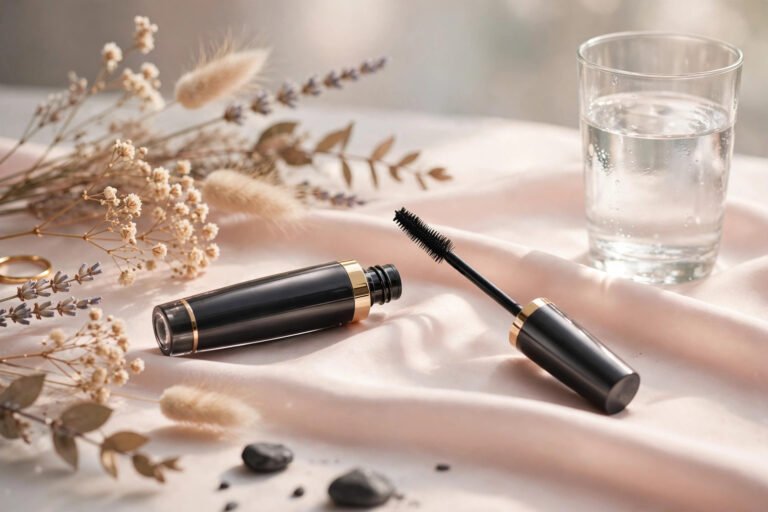
If you want zero chemicals and zero commitment, temporary cover-ups — color-depositing conditioners, hair mascaras, root concealer wands, and tinted hair fibers — hide grays for a day or an event and wash out completely.
Best for: events, photos, job interviews, or testing whether you like the idea of covering grays before committing to dye.
These are the same tools used in our guide to covering gray hair without dye, which covers eight temporary methods in depth. The short version: they work on the surface of the hair, add no damage, and disappear with shampoo — but they don’t survive rain, workouts, or deep sleep without some transfer risk.
Method 5: Natural Options (Henna, Coffee, and More)
Some people prefer plant-based or kitchen-ingredient approaches to covering grays. The main categories:
- Henna: A plant dye that coats the hair shaft with a reddish-copper stain. It’s permanent on the strand it coats and conditions well, but the color range is limited (reds, auburns, deep browns when mixed with indigo), it can be drying, and it reacts unpredictably with chemical dyes applied later.
- Coffee or black tea rinses: These deposit a light brown tint that subtly darkens grays for a few washes. The effect is very subtle — think “softening” rather than covering — but it’s free and completely damage-free.
- Sage and rosemary rinses: Traditional rinses sometimes credited with gradually darkening grays over weeks of use. Evidence is anecdotal, and results are mild at best.
Honest take: Natural options are worth trying if your gray level is low and your expectations are modest. For significant gray coverage with predictable results, they rarely match conventional color.
Method 6: Blending Techniques (Highlights, Lowlights, Balayage)
Blending doesn’t cover grays — it disguises them by weaving light and dark tones through the hair so regrowth and new grays disappear into the pattern. Highlights around the part and hairline are the classic approach; the grays read as “just more highlights.”
Best for: 25–75% gray, especially if you want lower maintenance than full coverage; works beautifully as a transition strategy.
Pros: New grays blend in invisibly, so regrowth is far less noticeable; stretches salon visits; looks natural and dimensional; pairs well with going gray later.
Cons: Usually a salon technique (though at-home highlighting kits exist for the brave); doesn’t give a uniform color; lightening previously colored hair needs professional judgment.
Read how blending gray hair with highlights works for the full technique breakdown. And if you’re considering the opposite direction — embracing the gray entirely — the gray hair transition guide walks through growing it out gracefully.
Which Method Fits Your Gray Level?
| Gray level | Best first choice | Good backup |
|---|---|---|
| Under 25% | Root touch-up powder/spray or demi-permanent | Temporary cover-ups |
| 25–50% | Demi-permanent color or blending highlights | Permanent color for fuller coverage |
| Over 50% | Permanent color (gray-coverage formula) | Blending or transitioning to gray |
Consider commitment level too: permanent color demands a 4–6 week touch-up cycle forever. If that sounds exhausting, blending or transition strategies buy you far more freedom.
Prep and Aftercare for Coloring Gray Hair at Home
Gray hair colored at home lasts longer and looks better with a few prep and aftercare habits:
- Deep condition the week before. Coarse gray hair takes color more evenly when it’s not parched. A hydrating mask 2–3 days before coloring helps.
- Do a strand test. Apply the color to a small section first to check the result on your specific gray texture — resistant grays can surprise you.
- Protect the hairline. Petroleum jelly or a barrier cream along the hairline, ears, and neck prevents skin staining.
- Use color-safe shampoo. Sulfate-free, color-protecting formulas keep at-home color from fading prematurely — especially important for demi-permanent color.
- Mind the heat. Gray hair tends to be drier; cut back on hot tools the week after coloring, or always use heat protectant.
A solid routine matters year-round, not just on color day — see a beginner-friendly hair care routine for the foundations.
How Long Does At-Home Gray Coverage Last?
Expectations vary a lot by method, and knowing what’s normal prevents disappointment:
- Permanent color: Full, opaque coverage that lasts 6–8 weeks before regrowth shows. The color itself doesn’t fade much, but the root line grows out steadily — roughly half an inch per month. Roots-only touch-ups every 4–6 weeks keep it seamless.
- Demi-permanent color: Real coverage that gradually fades over 20–28 washes. Most people reapply every 4–6 weeks depending on how often they wash. The fade is forgiving — no harsh line, just a softening of the color.
- Root touch-up powders and sprays: One day to one wash. They’re maintenance tools, not solutions — plan on reapplying each morning you want coverage.
- Color-depositing conditioners: The tint builds over 3–5 applications and then needs refreshing every 1–2 weeks to maintain, since each regular wash fades it slightly.
- Henna and natural rinses: Henna is permanent on the strands it stains (it only grows out), while coffee/tea rinses last 1–2 washes and need weekly reapplication.
The practical takeaway: match the method’s lifespan to your patience. If reapplying every month sounds like a chore, permanent color with root touch-up stretching is less ongoing effort than a daily powder routine — even though the powder itself is “easier” each time.
When to Consider Going Gray Instead
Covering grays is a valid choice — but so is stopping. There’s a point where the maintenance math stops working: very fast graying, resistant hair that fights every dye job, or simple fatigue with the touch-up cycle. Blending techniques and the transition path exist precisely for this moment.
If you’re on the fence, try this experiment: skip the dye for six weeks and rely only on temporary cover-ups and blending-friendly styling. If the growing-out phase feels freeing rather than stressful, the gray hair transition guide maps out the full journey. Many people discover they prefer the low-maintenance route — and modern silver hair, properly cared for, looks striking.
Common At-Home Gray Coverage Mistakes
- Choosing a shade too dark. Box-dye shades usually read darker on gray hair than the swatch suggests. When in doubt, pick the lighter of your two candidates — you can always go deeper next time.
- Overlapping previously colored roots. Re-applying permanent color over already-colored hair darkens it and causes damage. Apply only to new regrowth, then pull through to the ends for the last 5–10 minutes if needed to refresh.
- Skipping the timing. Under-processing leaves grays translucent; over-processing damages. Follow the box timing for gray coverage, which is often longer than the standard timing.
- Ignoring the hairline. Temples and the front hairline are the most visible and most resistant. Apply there first for extra processing time.
- Forgetting about eyebrows. If your hair color changed dramatically, brows can look mismatched. A tinted brow gel in a matching tone closes the gap.
Frequently Asked Questions
What is the best way to cover gray hair at home for beginners?
Demi-permanent color is the most forgiving starting point — it covers moderately without the harsh regrowth line of permanent dye. If your grays are just a sprinkle, start even simpler with a root touch-up powder, which takes minutes and washes out.
How often do I need to touch up gray roots?
With permanent color, visible regrowth typically appears every 4–6 weeks. Root touch-up products can stretch this to 8–12 weeks between full applications. Demi-permanent color fades over 20–28 washes, so expect to reapply every 4–6 weeks depending on wash frequency.
Why won’t my gray hair take color?
Gray hair is coarser and more resistant because of its tighter cuticle. Make sure you’re using a formula labeled for gray coverage, applying to the most resistant areas first, and processing for the full recommended time. Very resistant grays sometimes need a pre-softening treatment or a professional-strength developer.
Can I cover gray hair without damaging it?
Temporary options — root powders, sprays, mascaras, color-depositing conditioners — cause zero damage since they sit on the surface. Demi-permanent color is the least damaging true dye option. Permanent color causes some cumulative damage, which good conditioning and spaced-out touch-ups keep manageable.
Should I dye my hair lighter or darker to cover grays?
Neither is universally better. Darker shades give more dramatic, opaque coverage of resistant grays. Lighter shades and blending techniques make regrowth less noticeable between sessions. Many colorists suggest going slightly lighter than your natural color as grays increase, since it softens the contrast at the root line.
Is box dye safe for gray hair?
Box dyes labeled for gray coverage are formulated specifically for resistant hair and are widely used safely at home. Follow the instructions exactly, do the included allergy patch test 48 hours before, and don’t leave color on longer than directed. If you have scalp sensitivity or previously damaged hair, a strand test plus patch test is non-negotiable.
Conclusion
There’s no single “best” way to cover gray hair at home — there’s only the method that fits your gray level, your schedule, and your comfort with commitment. Light grays do beautifully with root touch-ups or demi-permanent color. Heavy grays get the most consistent result from permanent gray-coverage formulas. And if commitment isn’t your thing at all, temporary cover-ups and blending techniques keep you looking polished with zero strings attached.
Whatever you choose, the prep matters as much as the product: strand test, protect the hairline, process for the full time, and care for your hair afterward. Do that, and your at-home gray coverage will look every bit as intentional as a salon job.
Love this? Pin it for later!