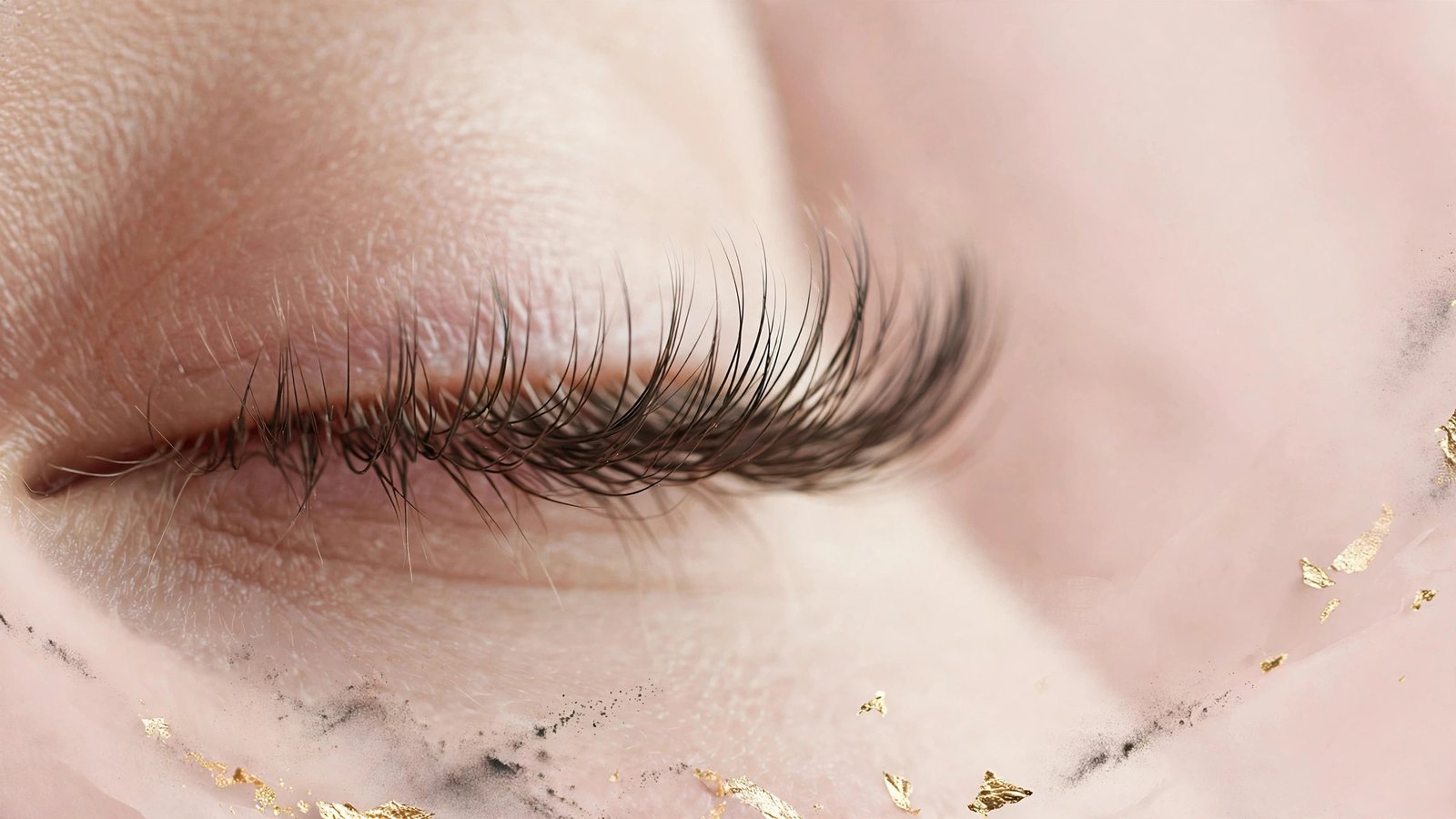
How Long Does a Lash Lift Last? Timeline, Factors & Tips
One of the first questions everyone asks before booking — or attempting — a lash lift is how long the results actually stick around. Marketing sometimes promises dramatic longevity, and disappointed reviews usually come from mismatched expectations rather than bad technique.
The honest answer: a lash lift typically lasts 6 to 8 weeks. But that number is not random — it is dictated by your biology, specifically your natural lash growth cycle. Understanding that cycle explains why the lift fades the way it does, why some people get 5 weeks and others get 9, and what you can actually do to stretch your results.
In this guide, you will learn exactly how the lash growth cycle works, the week-by-week timeline of a fading lift, the factors that shorten your results, and practical tips to make your lift last as long as biologically possible. If you have not had your lift yet, start with our step-by-step at-home lash lift tutorial; if you just had one, our lash lift aftercare guide covers the critical first 48 hours.
The Short Answer: 6 to 8 Weeks
For most people, a well-executed lash lift looks its best for the first 3 to 4 weeks, then gradually softens over weeks 5 through 8 as new, unlifted lashes grow in and lifted lashes naturally shed. By week 8, most of the visible curl has grown out.
That range — 6 to 8 weeks — assumes three things: the lift was done with correct timing and technique, you followed aftercare for the first 48 hours, and your lash growth cycle is average. If any of those are off, expect the shorter end of the range or less. Unlike lash extensions, which need fills to stay full, a lift requires zero maintenance while it fades — it simply grows out.
The Lash Growth Cycle Explains Everything
Your lashes are not static. Each individual lash goes through a continuous three-phase growth cycle, and a lift only affects the lashes that exist at the time of treatment. Here is how it works:
Phase 1: Anagen (Growth)
The anagen phase is when a lash actively grows from the follicle. For eyelashes, this phase lasts roughly 30 to 45 days — much shorter than the multi-year anagen phase of scalp hair, which is why lashes never grow to hair-like lengths. At any given time, about 40% of your upper lashes are in anagen.
What this means for your lift: Lashes that were tiny baby hairs during your lift grow longer afterward — but they grow in straight, not lifted. These new strays poking through your curled set are the first sign your lift is fading.
Phase 2: Catagen (Transition)
Catagen is a short transition phase lasting 2 to 3 weeks. The lash stops growing, the follicle shrinks, and the lash detaches from its blood supply. Only a small percentage of lashes are in catagen at any moment.
What this means for your lift: Not much visibly — these lashes are just passing through on their way out.
Phase 3: Telogen (Resting and Shedding)
The telogen phase lasts around 3 to 4 months for lashes… except that eyelash telogen is unusual: the old lash rests in the follicle while a new anagen lash grows in beneath it, eventually pushing the old one out. You naturally shed 1 to 5 lashes per day per eye without noticing.
What this means for your lift: Every shed lash takes a lifted lash with it, and every replacement grows in unlifted. This steady turnover is the entire reason lifts fade. You cannot stop it — it is healthy, normal biology.
The complete lash cycle runs about 3 to 4 months, but because your lashes are staggered across all three phases, the visible lift lasts 6 to 8 weeks: long enough that most of the lifted set is still present, short enough that turnover has not yet replaced it.
Your Lift, Week by Week: What to Expect
Weeks 1–2: Peak results. The curl is crisp, lashes look their most lifted, and with a tint they read like mascara. This is the honeymoon phase.
Weeks 3–4: Still going strong. The curl softens very slightly at the tips as lashes continue their normal flexing, but the lift still reads clearly. Most people would not notice any change.
Weeks 5–6: Noticeable fading begins. New straight lashes are visibly growing in among the lifted ones, and daily shedding has thinned the lifted set. The overall effect is softer — still lifted, but less dramatic.
Weeks 7–8: Grow-out phase. Enough turnover has happened that the lift looks uneven: some lashes still curled, others straight. Many people start using an eyelash curler again at this point or book their next lift.
Beyond week 8: What remains is mostly new growth. Time to redo — but wait for the full 6 to 8 weeks minimum between lifts to avoid over-processing lashes that are still recovering.
7 Factors That Shorten Your Results
Some of these you control; some you do not. Knowing them helps you set realistic expectations.
1. Poor Aftercare in the First 48 Hours
Water, steam, sweat, and oil in the first 24 to 48 hours can relax the curl before it fully sets. This single factor accounts for a large share of “my lift only lasted two weeks” complaints. The rules are simple but non-negotiable — our lash lift aftercare guide lists every one.
2. Under-Processing During the Lift
If the lifting lotion was removed too early, the curl never fully formed and will drop within days or weeks instead of lasting the full cycle. This is the most common DIY cause of short-lived lifts. Precise timing matters — see the timing charts in our at-home lash lift tutorial.
3. Oily Skin and Oil-Based Products
Natural skin oils and oil-based eye products gradually break down the lifted shape. People with very oily eyelids often report slightly shorter lift life. Using oil-free eye makeup remover and keeping heavy eye creams off the lash line helps.
4. Waterproof Mascara and Harsh Removal
Waterproof mascara itself does not instantly kill a lift, but the aggressive rubbing and strong removers needed to take it off mechanically stress the curled lashes and shorten results. Water-based, non-waterproof mascara with gentle removal is the lift-friendly choice.
5. Heat and Steam Exposure
Frequent saunas, steam rooms, very hot showers directed at the face, and even heated eyelash curlers used carelessly can relax the curl over time. Occasional exposure is fine; daily steam sessions will cost you weeks.
6. Sleeping Face-Down
Consistent pressure on your lashes night after night bends them out of their lifted shape. Side and back sleepers generally keep lifts longer than dedicated stomach sleepers. A silk or satin pillowcase reduces friction for everyone.
7. Your Individual Growth Cycle
Some people simply cycle lashes faster. If your hair and nails grow quickly, your lashes probably turn over quickly too — and no aftercare trick overrides genetics. Faster cyclers should expect the 6-week end of the range rather than 8.
How to Make Your Lash Lift Last Longer
You cannot beat biology, but you can protect your investment and reliably land at the longer end of your personal range:
- Guard the first 48 hours fiercely. No water, steam, sweat, crying marathons, or eye makeup. This is the highest-leverage step in this entire article.
- Go oil-free around the eyes. Oil-free makeup remover, oil-free eye cream applied away from the lash line, and no oil-based mascaras.
- Ditch waterproof mascara for now. Use a water-based, tubing, or regular non-waterproof formula, and remove it gently — no scrubbing or tugging.
- Condition your lashes. A light lash-nourishing oil or serum (applied after the first 48 hours) keeps processed lashes supple. Brittle lashes lose their shape faster. Many people like castor oil routines between lifts — our castor oil for eyelash growth guide explains how.
- Be gentle, always. No rubbing your eyes, no pulling at lashes, no aggressive makeup removal. Mechanical stress is a silent lift-killer.
- Sleep smarter. Back or side sleeping beats face-down; a silk pillowcase reduces friction further.
- Skip the heated curler. Your lashes are already curled — adding heat risks relaxing the chemical set unevenly. If you must touch up late in the cycle, a gentle manual curler on the new straight growth is safer.
- Do not re-lift early. Waiting the full 6 to 8 weeks protects lash health, and healthy lashes hold a lift better than over-processed ones.
When to Book Your Next Lift
The sweet spot is every 6 to 8 weeks, timed to when the previous lift has mostly grown out. Signs it is time:
- New straight lashes visibly outnumber the lifted ones
- You have started reaching for the eyelash curler again most mornings
- The lash line looks uneven — some curled, some straight
Do not re-lift just because the curl softened slightly at week 4 — that is normal mid-cycle behavior, not failure. And never re-lift before 6 weeks to “fix” a disappointing result; lashes need recovery time between chemical processes. If your first lift underwhelmed you, troubleshoot the cause (timing? shield size? aftercare?) before repeating it — our lash lift vs lash extensions comparison can also help you decide whether a different approach suits your lashes better.
Key Takeaways
- A lash lift typically lasts 6 to 8 weeks, looking best in weeks 1–4 and gradually softening as natural lash turnover replaces lifted lashes with new straight ones.
- The lash growth cycle (anagen, catagen, telogen) is the reason lifts fade — shedding and regrowth are healthy biology you cannot stop, only work with.
- The biggest controllable factors in lift longevity are the first 48 hours of aftercare (no water, steam, or sweat), precise processing timing, and avoiding oil-based and waterproof products.
- Heat, steam, face-down sleeping, and rough makeup removal all shorten results; gentle handling, oil-free products, and lash conditioning extend them.
- Wait the full 6 to 8 weeks between lifts to protect lash health — healthy lashes hold a curl better than over-processed ones.
Frequently Asked Questions
Why did my lash lift only last 2 weeks?
The most common reasons are getting lashes wet within the first 48 hours, under-processing (lifting lotion removed too early), oily residue on lashes before the lift, or skipping/shortening the setting lotion step. Less commonly, an expired kit or a very fast individual lash cycle is the cause. Walk through the step-by-step lash lift tutorial timing charts and the aftercare guide to identify which step went wrong before trying again.
Does a lash lift damage your natural lashes?
A correctly performed lift with proper timing is generally gentle on lashes — no weight is added, unlike extensions. Damage happens mainly through over-processing (too long, too frequent) or poor aftercare. Waiting 6 to 8 weeks between lifts and conditioning lashes afterward keeps them healthy. If lashes feel dry or brittle after a lift, extend the gap before your next one.
Can I make my lash lift last longer with mascara?
Mascara does not extend the lift itself, but the right mascara preserves it: water-based, non-waterproof formulas applied gently and removed without scrubbing. Waterproof mascara does the opposite — the harsh removal required weakens the curl. Think of mascara as neutral at best; it is the removal process that matters.
Will my lashes look weird while the lift grows out?
The grow-out is gradual, not dramatic — there is no harsh line like grown-out hair color. Around weeks 6 to 8 you may notice a mix of still-curled and new straight lashes, which most people manage fine with a lash comb or a quick pass with a manual curler on the straight ones. It never looks as awkward as people fear.
How many lash lifts can I get per year?
At 6 to 8 weeks apart, that works out to roughly 6 to 8 lifts per year. This pace is sustainable for healthy lashes as long as each lift is done correctly with full aftercare. If you notice increasing dryness or brittleness, take a longer break and focus on conditioning before your next lift.
Do lash lifts last longer on certain lash types?
Thick, coarse lashes tend to hold a lift slightly longer because the hair shaft is sturdier, while very fine lashes may relax a bit sooner. Longer lashes also show the curl more dramatically throughout the grow-out. That said, individual growth-cycle speed matters more than lash type — fast cyclers will always land on the shorter end regardless of thickness.
Love this? Pin it for later!