Does Baking Soda Whiten Teeth? An Honest Evidence Review
Baking soda has been recommended for whiter teeth for well over a century — your grandmother probably did it. It’s cheap, it’s in your kitchen, and countless blogs promise it whitens teeth naturally. But does it actually work, and just as importantly, is it safe?
The short answer: baking soda does remove surface stains, but its whitening power is modest, the research is less impressive than the hype suggests, and using it wrong can damage your enamel. Here’s what the evidence actually says, without the exaggeration.
For the bigger picture on where baking soda fits among all at-home methods, see our complete guide to whitening teeth at home.
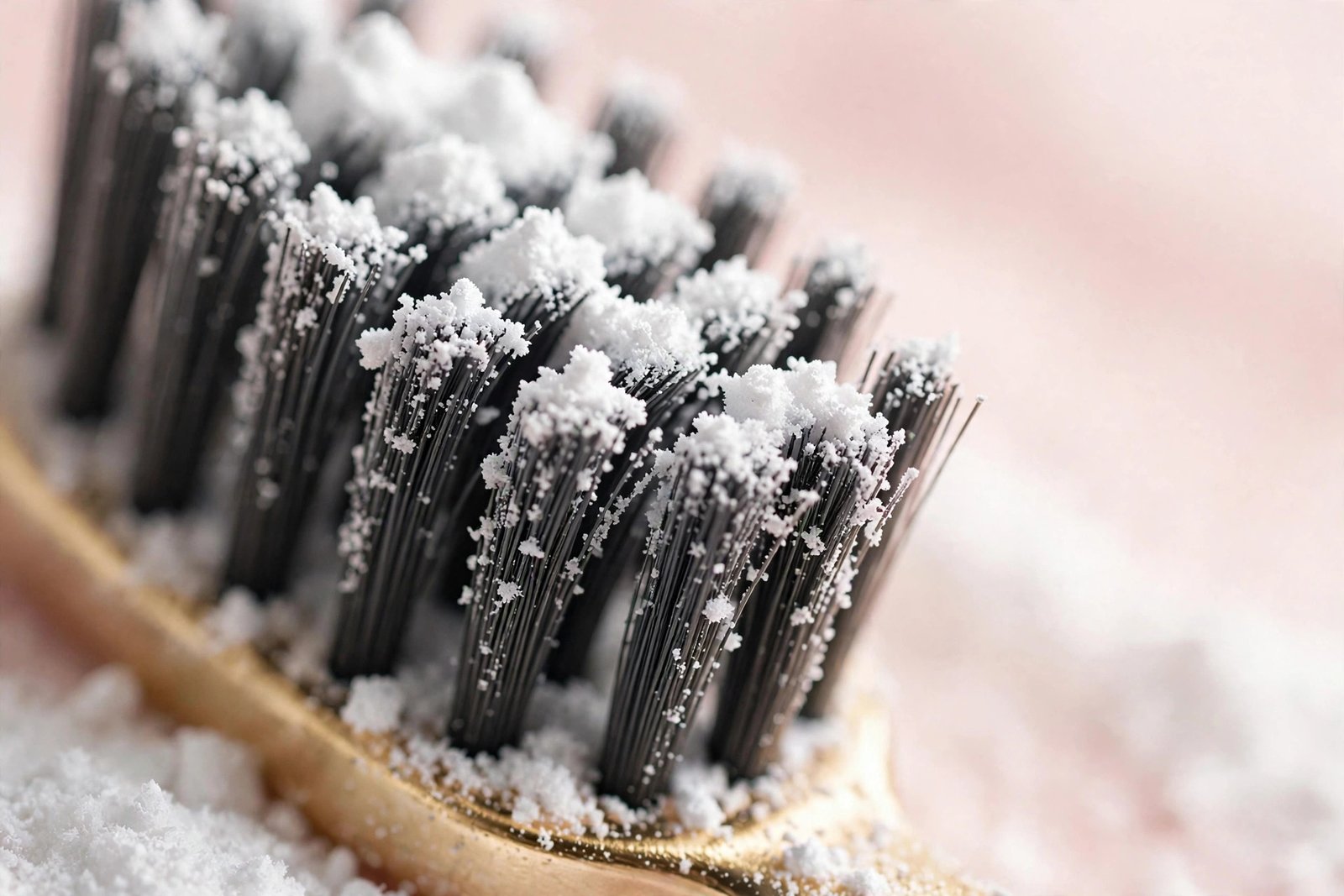
How Baking Soda Is Supposed to Work
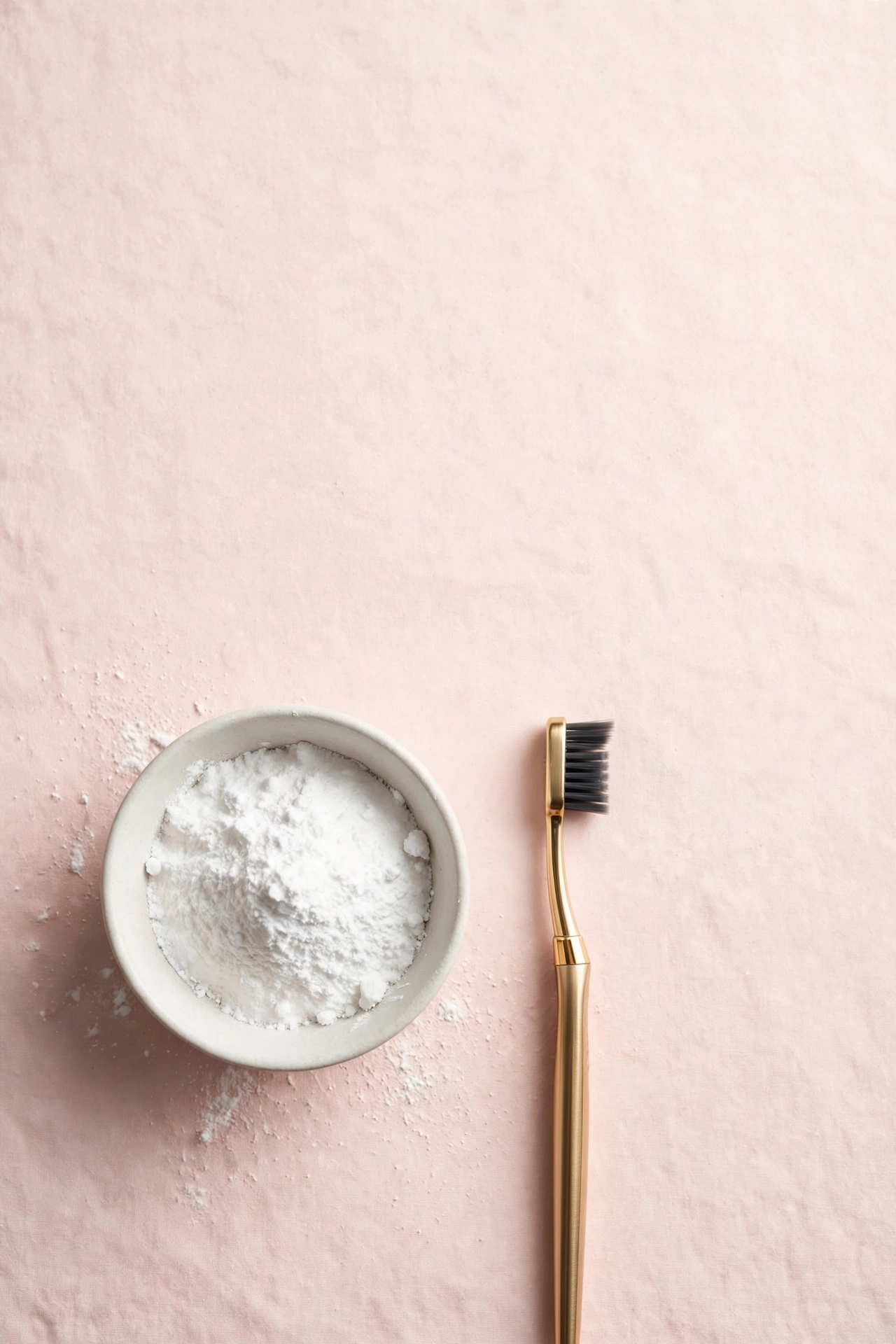
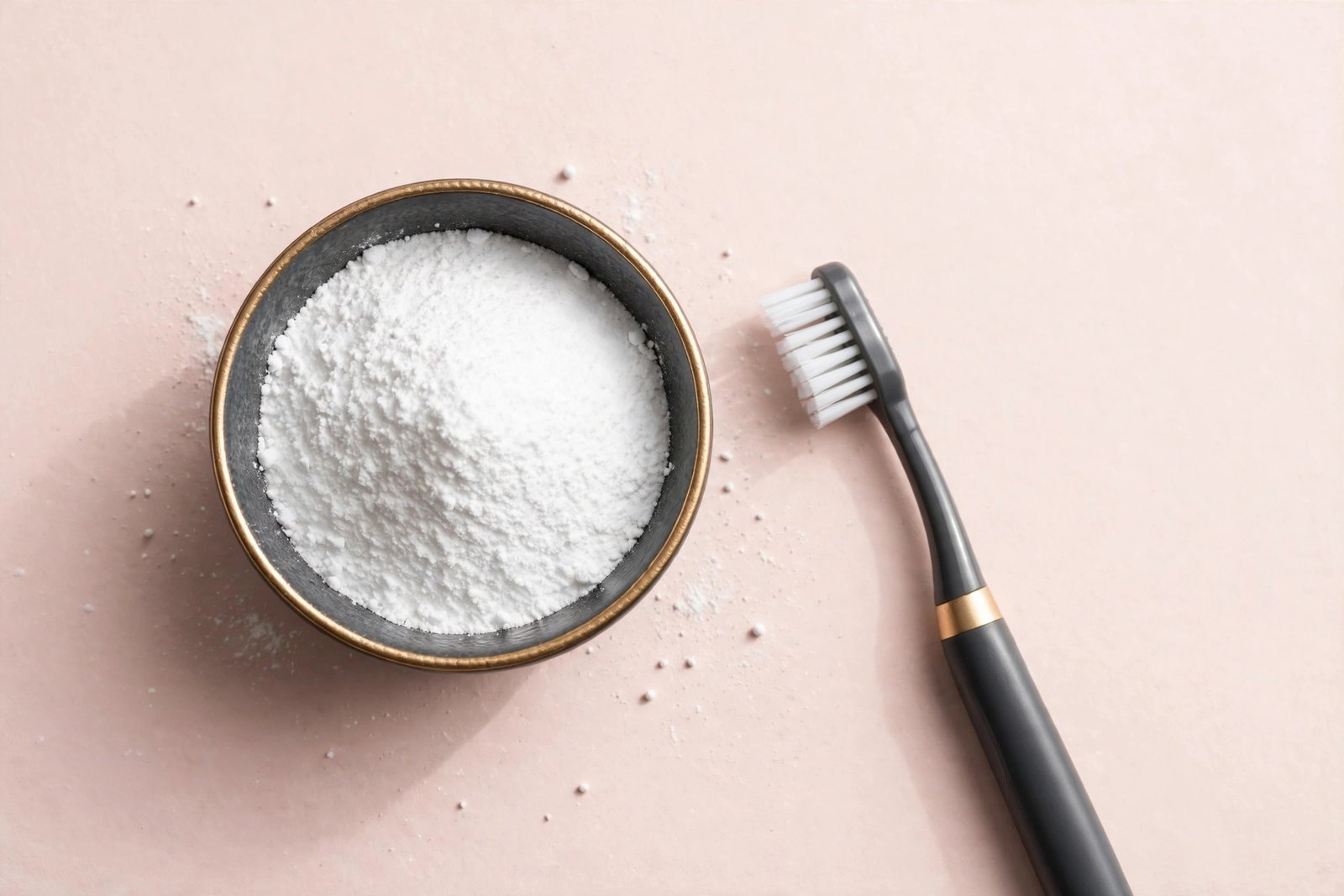
Baking soda (sodium bicarbonate) is a fine, mildly abrasive powder. When you brush with it:
- Physical polishing: The tiny crystals act as a gentle abrasive, scrubbing away the pellicle — the protein film on teeth where pigments from coffee, tea, and food get trapped.
- Alkaline environment: Baking soda raises the pH in your mouth, which makes it harder for acid-loving bacteria to thrive and may help dissolve some stains.
Because it’s a mild abrasive rather than a chemical whitener, it can only remove what’s on the tooth surface. It cannot bleach the tooth from within the way peroxide-based products do.
What the Research Actually Shows
Here’s where honesty matters: the evidence for baking soda as a whitener is modest, and most of the strongest claims trace back to studies funded by toothpaste manufacturers.
What research supports:
– A review of clinical studies found that toothpastes containing baking soda were more effective at removing plaque and surface stains than toothpastes without it. The effect is real but incremental.
– Baking soda has a relatively low abrasivity score (RDA, or Relative Dentin Abrasivity) compared to some whitening toothpastes — meaning at controlled concentrations in commercial toothpaste, it’s reasonably gentle.
– Its alkaline pH can help neutralize acids in the mouth after meals.
What research doesn’t show:
– There’s no strong evidence that brushing with plain baking soda changes your teeth’s intrinsic shade. It polishes off surface staining, which makes teeth look brighter if they were stained, but it won’t make naturally ivory teeth white.
– Head-to-head, baking soda doesn’t outperform peroxide-based whitening products. Not even close. If your goal is multiple shades lighter, baking soda won’t get you there.
– Most studies test baking soda in toothpaste formulations, not the DIY paste-from-the-box method most people use at home. The concentration, particle size, and accompanying ingredients differ.
The bottom line from the evidence: Baking soda is a decent surface-stain polisher with limited whitening power. Think of it as a maintenance tool, not a transformation tool.
Baking Soda Toothpaste vs. Plain Baking Soda: What’s the Difference?
This distinction matters more than most DIY guides admit.
Commercial baking soda toothpaste:
– Contains a controlled, tested concentration of sodium bicarbonate
– Pairs it with fluoride for cavity protection and remineralization
– Uses standardized particle sizes for consistent, predictable abrasivity
– Includes detergents and flavoring that improve cleaning and make regular use pleasant
– Is formulated and tested for daily, long-term use
DIY paste (baking soda + water from the box):
– Concentration is guesswork — a “pinch” vs. a “tablespoon” changes abrasivity significantly
– Contains no fluoride, so you miss out on enamel remineralization
– Particle size varies by brand and how finely it’s ground
– No testing for daily-use safety; all safety data assumes occasional use
– Tastes unpleasant enough that most people either under-use it (no benefit) or over-scrub to “make it work” (enamel risk)
If you like the idea of baking soda, the toothpaste version gives you the stain-fighting benefit with the safety engineering built in. Save the box for actual baking.
Who Should Skip Baking Soda Entirely
Baking soda isn’t for everyone. Skip it — even occasionally — if you:
- Already have sensitive teeth or thinning enamel. Any additional abrasion works against you; a low-abrasion whitening toothpaste is the safer choice.
- Have gum recession or exposed roots. Exposed root surfaces are softer than enamel and wear much faster.
- Have dental restorations. Crowns, veneers, bonding, and fillings can be scratched or dulled by abrasives, and unlike enamel they can’t remineralize.
- Have braces or orthodontic appliances. Abrasive paste can damage brackets and get trapped around hardware.
- Are undergoing professional whitening. Your dentist’s protocol is calibrated; adding abrasives on top risks over-treating.
When in doubt, a quick question at your next cleaning — “is my enamel healthy enough for occasional baking soda?” — gets you a personalized answer in seconds.
The Enamel Risk Nobody Talks About
Here’s the part the DIY blogs skip: enamel does not regenerate. Once it’s worn away, it’s gone — and thinner enamel actually makes teeth look more yellow, because the yellowish dentin underneath shows through more clearly. Ironic, but true.
The risks of DIY baking soda use include:
- Over-scrubbing: Many people brush harder with baking soda paste because it feels “gritty,” treating it like a scouring powder. This is exactly what damages enamel.
- Frequency creep: “Once a week” quietly becomes every day. Daily abrasive brushing compounds enamel wear over months and years.
- Too-coarse mixtures: Adding lemon juice (an acid — terrible idea), making overly thick pastes, or using baking soda with a hard-bristled brush all increase abrasion.
- Gum irritation: The alkaline paste can irritate sensitive gum tissue, especially if you brush aggressively near the gumline.
Using a commercial baking soda toothpaste is meaningfully safer than the DIY box-and-water method, because the concentration and abrasivity are controlled and tested.
Safe Usage Limits: The Responsible Way to Use It
If you want to use baking soda, here’s the evidence-informed approach:
- Use a commercial baking soda toothpaste rather than DIY paste when possible — the formulation is controlled and safer.
- If using plain baking soda: Limit to once or twice per week, never daily.
- Use a soft-bristled brush and light pressure — let the powder do the work, not your arm.
- Make a thin paste, not a thick gritty one. A little water goes a long way.
- Brush for the normal two minutes, not longer.
- Rinse thoroughly afterward, and consider following with a fluoride toothpaste to remineralize.
- Never combine with lemon juice, vinegar, or other acids.
- Stop and see a dentist if you notice increased sensitivity, thinning edges, or a translucent look at the tips of your teeth.
Baking Soda vs. Other Whitening Methods
How does it stack up?
| Method | Stain removal | Shade change | Enamel risk | Cost |
|---|---|---|---|---|
| Baking soda (occasional) | Moderate | Minimal | Low if limited | Very low |
| Whitening toothpaste | Moderate | Minimal–mild | Low | Low |
| Whitening strips | High | Moderate–high | Low if directed | Moderate |
| Coffee-stain routines | High (for drinkers) | Mild–moderate | Low | Low |
Baking soda’s real competitors aren’t the whitening strips — it’s other gentle maintenance methods. If surface stains are your main concern, a targeted routine may serve you better; see how to remove coffee and tea stains from teeth. If you want a meaningful shade change, whitening strips and other home methods compared are the evidence-based next step.
For gentle daily maintenance without abrasion worries, many people pair occasional baking soda use with a low-abrasion formula — see whitening toothpastes safe for sensitive teeth.
Key Takeaways
- Baking soda removes surface stains through mild abrasion — it does not bleach teeth.
- The research shows modest stain-removal benefit, mostly from studies of baking soda in commercial toothpaste.
- It will not meaningfully change your teeth’s natural shade.
- Overuse risks permanent enamel wear, which can make teeth look more yellow long-term.
- Safe limits: once or twice weekly, soft brush, light pressure, no acids, rinse well.
- Commercial baking soda toothpaste is safer than the DIY box-and-water method.
Frequently Asked Questions
How often can I brush with baking soda?
Once or twice a week is the safe upper limit for plain baking soda. Daily use increases enamel wear risk. Commercial baking soda toothpastes are formulated for daily use and are the safer everyday option.
Can baking soda damage my teeth?
Yes, if overused or used with hard scrubbing. Enamel doesn’t regenerate, so abrasion is cumulative. Stick to the limits above and stop if sensitivity increases.
Is baking soda better than whitening toothpaste?
Not really. Whitening toothpastes are formulated with controlled abrasivity plus stain-fighting ingredients, making them both effective and safer for daily use. Baking soda’s advantage is mostly cost.
Should I mix baking soda with lemon juice?
No. Lemon juice is acidic and erodes enamel. Any whitening effect comes from dissolving the tooth surface itself — this is one of the worst DIY whitening methods.
When should I talk to a dentist about whitening?
If you have significant discoloration, thinning enamel, existing sensitivity, cavities, or restorations like crowns and veneers, check with your dentist before any whitening routine, including baking soda.
Conclusion
Baking soda is neither the miracle whitener the DIY world claims nor the enamel-destroyer some fear — it’s a modest surface-stain polisher that works fine within strict limits. Use it occasionally and gently, prefer commercial formulations for daily use, and keep your expectations honest: it maintains a bright smile, it doesn’t create one. For bigger changes, the evidence points to peroxide-based products used as directed.
Love this? Pin it for later!