Best Eye Cream for Fine Lines: A Beginner’s Guide to Your First Pick
The skin around your eyes is the thinnest on your entire face — about 0.5mm compared to roughly 2mm elsewhere — which is why it’s almost always where fine lines appear first. Crow’s feet from smiling, crepey texture from dehydration, faint lines from years of squinting into sunlight: the eye area shows everything early. So when beginners ask whether they need a separate eye cream, the honest answer is: not necessarily — but if fine lines around the eyes are your specific concern, a well-chosen eye cream is one of the most targeted things you can add to your routine.
This guide explains which ingredients genuinely help with eye-area fine lines, which product types suit beginners, what to avoid, and how to apply eye cream correctly (most people use too much and rub too hard). It’s part of the site’s anti-aging series: the full routine lives in the [anti-aging skincare routine for beginners → anti-aging-skincare-for-beginners], ingredient science in [best anti-aging ingredients for beginners → best-anti-aging-ingredients-for-beginners], and the decade-specific playbook in [how to prevent fine lines in your 30s → how-to-prevent-fine-lines-in-your-30s].
Key Takeaways
- Eye creams aren’t mandatory, but they’re worthwhile when fine lines around the eyes are your main concern.
- Look for peptides, niacinamide, caffeine (for puffiness), and gentle retinoids — these have the best evidence for the eye area.
- Avoid fragrance, harsh exfoliating acids, and high-strength retinoids near the eyes as a beginner.
- A pea-sized amount for both eyes is plenty; pat gently with your ring finger, don’t rub.
- Sunglasses and sunscreen around the eyes prevent more lines than any cream can fix.
- Give any eye cream 8–12 weeks before judging — the eye area changes slowly.
Do Beginners Actually Need an Eye Cream?
Dermatologists are split into two honest camps here. Camp one says a good facial moisturizer works fine around the eyes — the skin needs the same things (hydration, barrier support, sun protection) and separate products are marketing. Camp two says the eye area’s unique thinness, constant movement, and sensitivity justify dedicated formulas with appropriate concentrations.
The practical beginner answer: start with your moisturizer. If after 2–3 months of a solid routine your eye area still shows the fine lines that bother you, then add a dedicated eye cream. There’s no prize for owning the most products; there’s a real cost (money and irritation risk) to adding steps you don’t need. But when the eye area is your priority concern, targeted formulas with eye-appropriate ingredient levels genuinely outperform slathering a strong face retinoid up to your lash line — which you should never do.
The Ingredients That Actually Work Around the Eyes
Not every “anti-aging” ingredient belongs near your eyes. These are the ones with the best evidence-to-gentleness ratio for the delicate eye area:
Peptides — The eye-cream MVP for beginners. Signal peptides support firmness without the irritation risk of retinoids, and the eye area tolerates them beautifully. Look for palmitoyl tripeptide, palmitoyl tetrapeptide-7, or copper peptides on the ingredient list.
Niacinamide (vitamin B3) — Strengthens the thin eye-area barrier, improves elasticity, and helps with the dark-circle component that’s partly vascular. Effective at low percentages and very well tolerated.
Caffeine — Constricts blood vessels temporarily, which reduces puffiness and can make under-eye darkness look less pronounced. It doesn’t fix fine lines directly, but de-puffed eyes make lines less noticeable. Best in morning formulas.
Gentle retinoids (retinal/encapsulated retinol) — The only ingredient class with strong wrinkle-reduction evidence, formulated at eye-appropriate low concentrations. Beginners should choose products explicitly labeled for eyes rather than applying face retinoids near the orbital bone.
Hyaluronic acid + ceramides — Hydration and barrier support. Dehydration makes every fine line look deeper; well-hydrated eye skin looks smoother immediately. These are the “instant gratification” ingredients while peptides and retinoids do the slow work.
Vitamin C derivatives — Brighten dark circles caused by pigmentation (as opposed to vascular/shadowing causes). Gentle derivatives like ascorbyl glucoside suit the eye area better than pure L-ascorbic acid.
What to Look for in Your First Eye Cream (Shopping Checklist)
When comparing options, run through this checklist:
- [ ] Fragrance-free. Fragrance is a top eye-area irritant — stinging, watering eyes are often fragrance reactions. “Unscented” isn’t the same as “fragrance-free” (unscented products can contain masking fragrance); check the ingredient list.
- [ ] Contains at least one proven active — peptides, niacinamide, caffeine, or a gentle retinoid. A cream that’s only moisturizers isn’t useless, but it won’t do more than your face moisturizer does.
- [ ] Appropriate texture for your concern. Rich creams suit dry, crepey under-eyes; lightweight gels suit puffiness-prone eyes and layer better under makeup. There’s no universally “best” texture — match it to your skin.
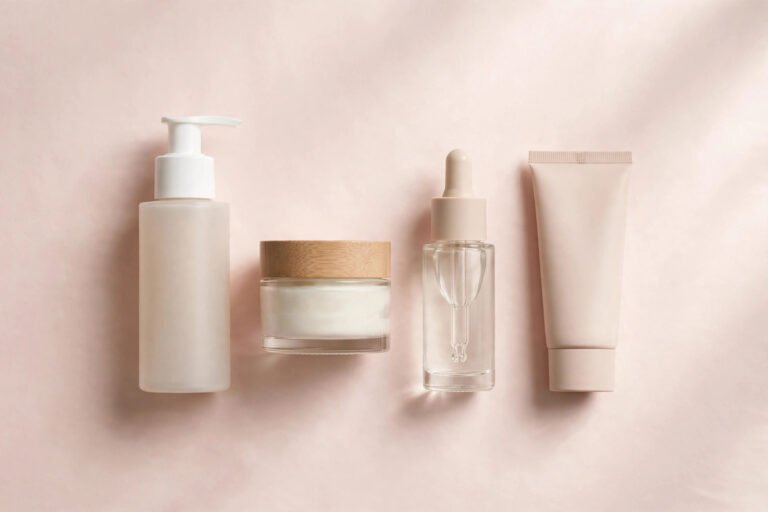
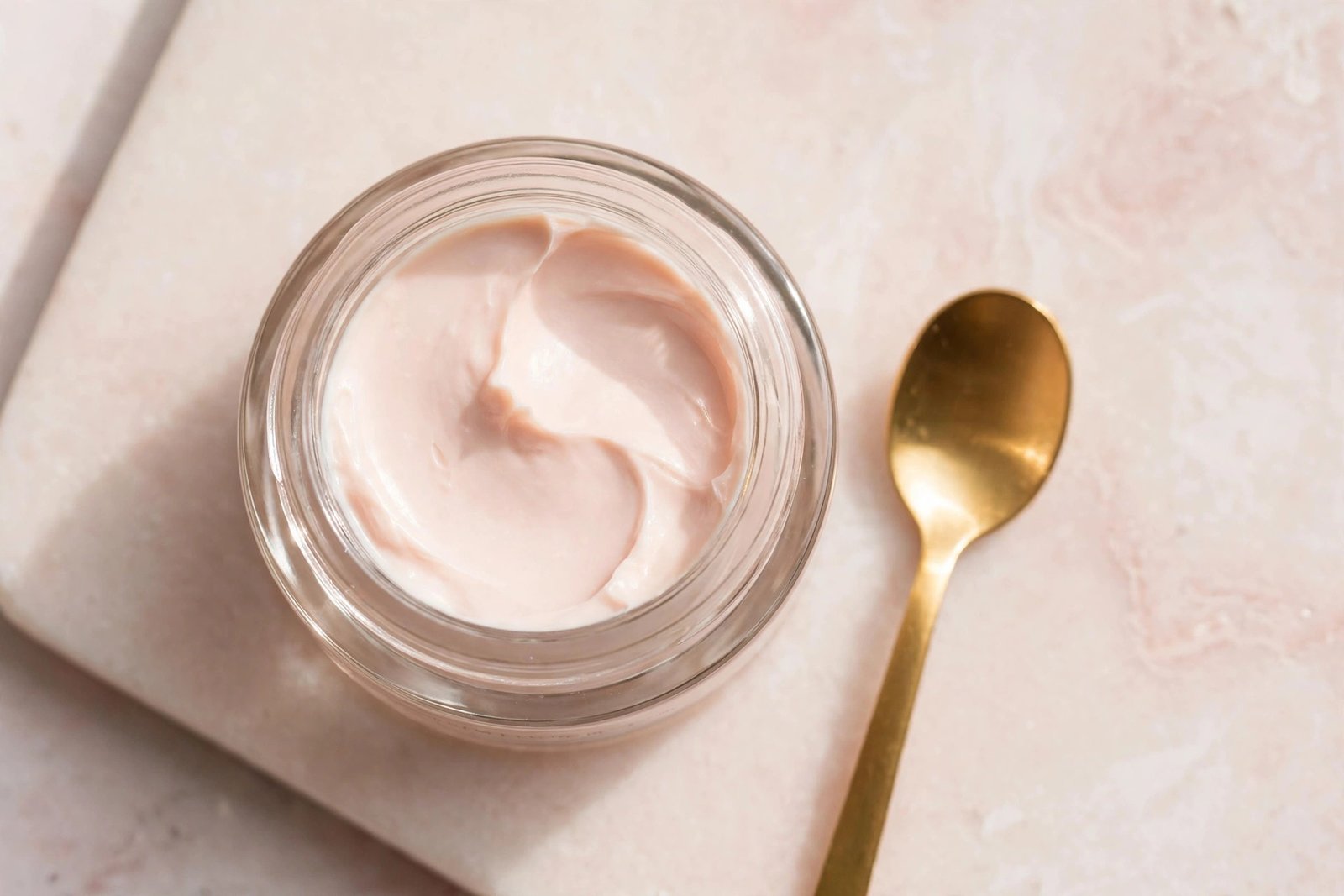
- [ ] Opaque, air-restrictive packaging. Jars expose the formula to air and fingers every use, degrading actives (especially vitamin C and peptides). Pumps or tubes keep formulas stable longer.
- [ ] No harsh exfoliating acids. Glycolic acid at face-strength percentages has no business millimeters from your eyes as a beginner.
- [ ] SPF for daytime (bonus). Most eye creams skip SPF, so your morning sunscreen needs to cover the eye area — mineral formulas tend to sting less if sunscreen migrates.
Product Types Worth Considering (By Concern)
Rather than naming specific products that may be reformulated or discontinued, here’s how to match product types to concerns — this framework stays useful no matter what’s on shelves:
For early crow’s feet (30s, first lines): A peptide + niacinamide cream, morning and night. This is the gentlest effective entry point — no adjustment period, layers under makeup, suitable for sensitive eyes. Expect visible softening in 8–12 weeks.
For crepey, dehydrated under-eyes: A hyaluronic acid + ceramide formula, applied to slightly damp skin. The plumping effect is relatively quick (days to weeks) because it’s hydration-driven. Layer your richer night moisturizer over it if needed.
For puffiness + lines together: A caffeine-containing gel for mornings (de-puffing) paired with a peptide cream at night (line treatment). The gel texture also sits better under concealer.
For established lines (40s+, deeper crow’s feet): An eye-specific gentle retinoid formula at night, introduced 2–3 nights per week like a face retinoid. This is the strongest evidence-backed option — but respect the adjustment period and keep it away from the lash line and waterline.
For dark circles + lines: Identify the cause first. Brownish circles (pigmentation) respond to vitamin C derivatives and niacinamide; bluish circles (vascular, thin skin showing vessels) respond modestly to caffeine and are largely structural — manage expectations honestly. Lines plus either type still benefit from the peptide/retinoid approach above.
How to Apply Eye Cream (Technique Matters More Than You Think)
Most beginners use too much product and too much pressure. The eye area needs a light touch:
- Amount: A pea-sized amount total — roughly half a pea per eye. More product doesn’t mean more results; excess migrates into eyes and causes irritation.
- Placement: Dot along the orbital bone (the bony ridge around the eye), not on the eyelid or right against the lash line. Product naturally migrates slightly with body heat — starting on the bone keeps it where it belongs.
- Finger: Use your ring finger — it naturally applies the least pressure.
- Motion: Gentle patting or tapping, never rubbing or dragging. Dragging stretches thin skin and works against your goals.
- Order: Apply after serums, before (or instead of) moisturizer around the eyes. In the morning: eye cream → sunscreen (careful around eyes) → makeup.
- Patience: Don’t layer concealer immediately — give the cream 1–2 minutes to absorb so makeup doesn’t pill.
The Habits That Matter More Than the Cream
An honest guide has to say this: no eye cream outperforms these free habits for preventing eye-area lines:
- Sunglasses outdoors, always. They block UV and stop the squinting that etches crow’s feet. Wraparound styles protect the sides where lines creep in.
- Sunscreen around the eyes. Extend your SPF to the orbital bone every morning. If chemical sunscreens sting your eyes, mineral formulas near the eyes solve this for most people.
- Don’t rub your eyes. Allergy sufferers and contact-lens wearers take note — chronic rubbing breaks down the thin skin’s elasticity. Treat the allergy or the dryness instead.
- Sleep on your back when you can. Side-sleeping presses and creases the eye area for hours nightly; a silk pillowcase reduces the friction if back-sleeping isn’t happening.
- Stay hydrated and manage salt. Under-eye puffiness that stretches the skin daily contributes to laxity over time; it’s a minor factor, but it’s free to address.
Frequently Asked Questions
At what age should I start using eye cream?
There’s no required age. Most people consider it when they notice persistent fine lines around the eyes — commonly late 20s to mid-30s. Before that, moisturizer plus sunglasses and sunscreen cover prevention well.
Can I just use my face moisturizer as eye cream?
Yes — especially as a beginner. If your moisturizer is fragrance-free and gentle, it’s perfectly fine around the eyes. Upgrade to a dedicated eye cream when you want targeted actives (peptides, caffeine, eye-safe retinoids) at appropriate concentrations.
Why does my eye cream make my eyes water?
Usually fragrance, migrating chemical sunscreen, or too-strong actives applied too close to the lash line. Switch to fragrance-free, reduce the amount, keep product on the orbital bone, and give it a minute to absorb before lying down.
How long before I see results from an eye cream?
Hydration-based smoothing: days to a couple of weeks. Peptide and retinoid-driven firmness and line softening: 8–12 weeks minimum. Anyone promising overnight wrinkle erasure is selling hope, not skincare.
Are expensive eye creams better than affordable ones?
The price-to-efficacy correlation in eye creams is weak. What matters is the active ingredients, fragrance-free formulation, and stable packaging — all available at drugstore prices. Luxury eye creams often charge for texture, scent, and packaging rather than superior actives.
Your first eye cream should be boring in the best way: fragrance-free, peptide or niacinamide-based, in a tube or pump, applied with a light hand. Pair it with the real line-preventers — sunglasses, sunscreen, sleep — and the broader routine from the [anti-aging skincare guide for beginners → anti-aging-skincare-for-beginners]. For the full ingredient education, see [best anti-aging ingredients → best-anti-aging-ingredients-for-beginners], and for the decade when eyes need the most attention, [preventing fine lines in your 30s → how-to-prevent-fine-lines-in-your-30s].
anti-aging skincare routine for beginners
best anti-aging ingredients for beginners
when should you start anti-aging skincare
how to prevent fine lines in your 30s
how to use vitamin C serum
Love this? Pin it for later!