How to Stop Hair Fall at Home: 12 Natural Remedies That Work
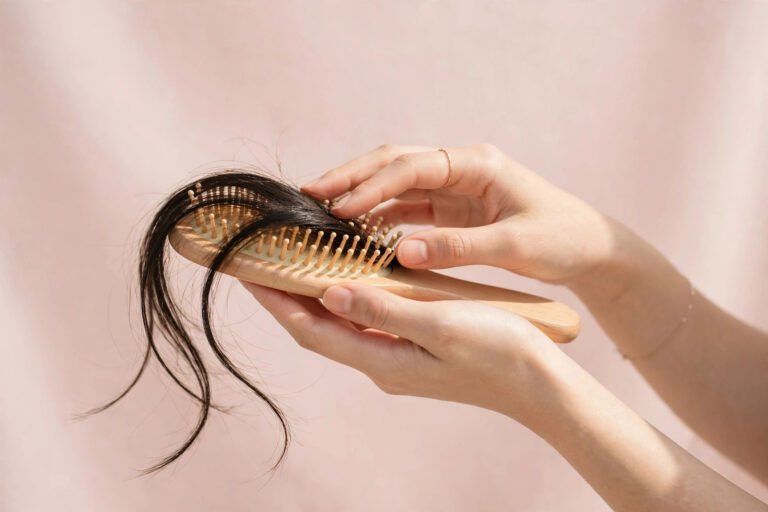
Before reaching for expensive treatments, it’s worth knowing that many effective hair fall strategies start at home — in your kitchen, your shower, and your daily habits. Natural remedies won’t cure pattern baldness or replace medical treatment, but for common shedding caused by stress, poor scalp health, breakage, and nutritional gaps, at-home methods can make a genuine difference.
This guide covers 12 natural remedies for hair fall you can try at home, how to use each one safely, what the evidence actually says, and which habits matter most. For the full picture on causes and diagnosis, see our complete hair fall control guide.
A Quick Reality Check
Natural remedies work best for shedding and breakage — the kinds of hair fall driven by scalp health, stress, nutrition, and hair care habits. They don’t regrow hair lost to advanced pattern baldness, and they don’t replace medical evaluation for sudden or patchy loss. Also: “natural” doesn’t mean risk-free. Onion juice can irritate sensitive scalps; essential oils must be diluted. Patch-test anything new, and stop if you get itching, redness, or increased shedding.
1. Scalp Massage (With or Without Oil)
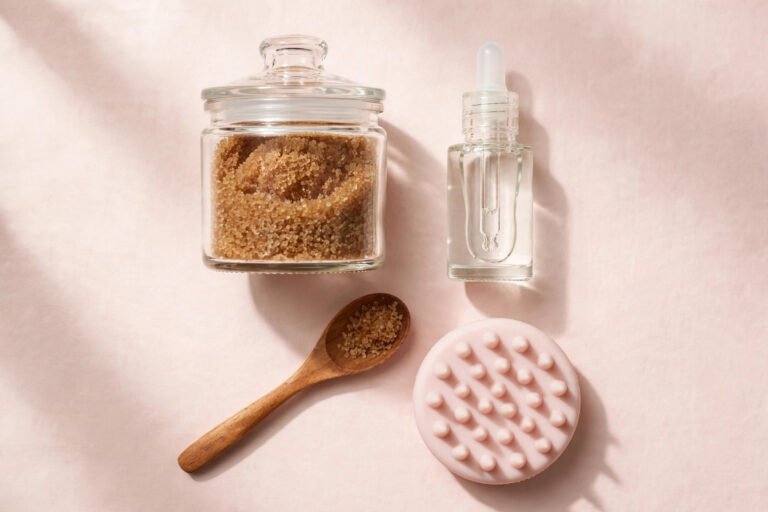
The simplest remedy on this list — and one of the best supported. Regular scalp massage increases blood circulation to follicles and may reduce stress hormones. Studies on standardized scalp massage have shown improvements in hair thickness over several months of daily practice.
How to do it: Using your fingertips (never nails), press and move the skin of your scalp in small circles for 4–5 minutes daily. Do it on dry hair or during shampooing. If using oil, warm a small amount between your palms first — see our guide to the best oils for hair fall for which to choose.
2. Aloe Vera Gel
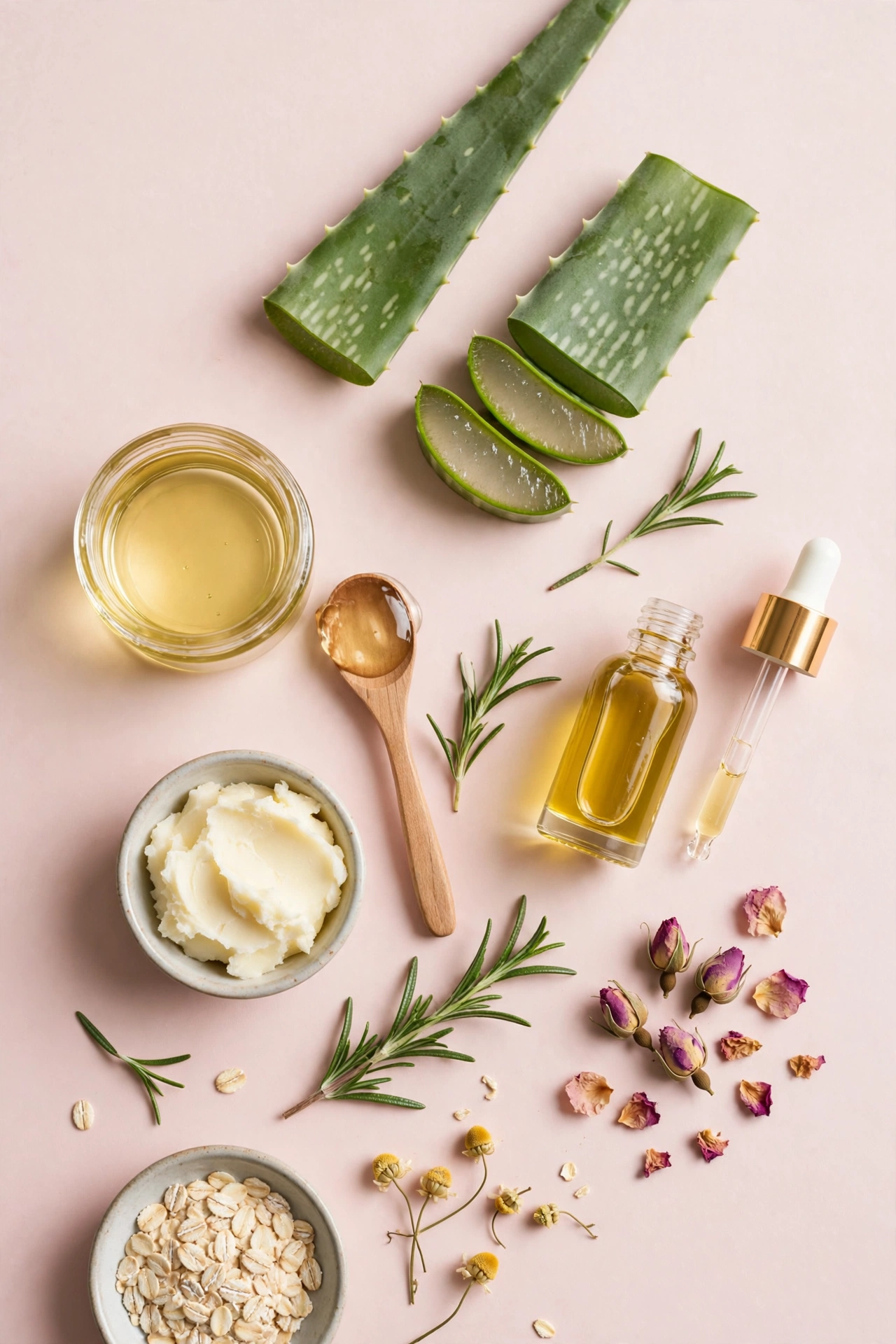
Aloe vera soothes the scalp, reduces dandruff-related inflammation, and conditions hair without heaviness. It’s especially useful when shedding is accompanied by itching or flaking.
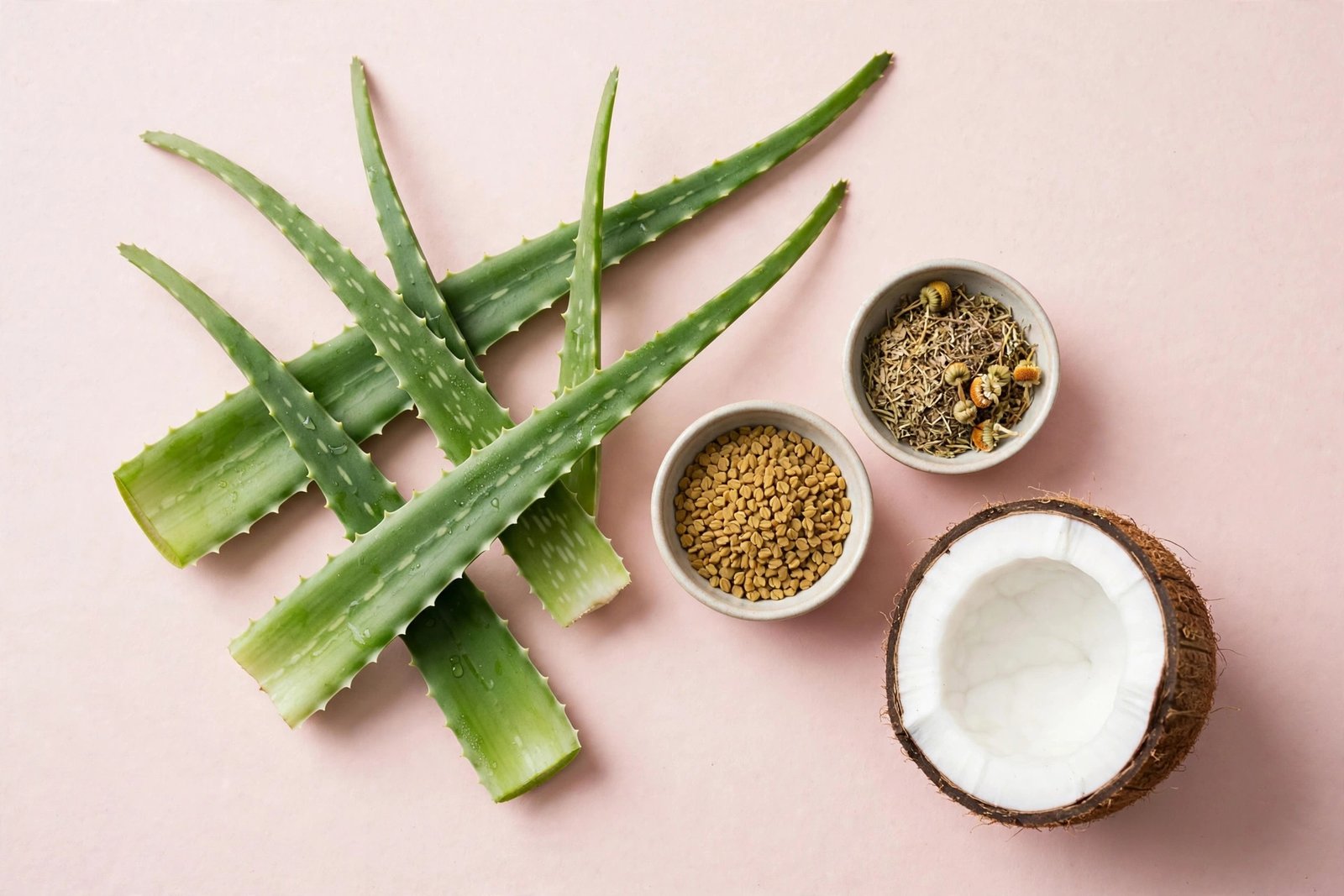
How to do it: Apply fresh aloe vera gel (from the leaf) or pure store-bought gel directly to the scalp. Leave for 30–45 minutes, then wash out with a gentle shampoo. Use 1–2 times weekly. Avoid gels with added alcohol or fragrance, which can dry the scalp.
3. Onion Juice
Onion juice is one of the few kitchen remedies with published research behind it — a small study found it helped with patchy hair loss (alopecia areata) when applied regularly. It’s rich in sulfur, which supports keratin production.
How to do it: Blend or grate an onion, strain the juice through cloth, and apply to the scalp with a cotton ball. Leave for 15–30 minutes (no longer — it can irritate), then shampoo thoroughly. Use 1–2 times weekly. The smell is strong; a diluted apple cider vinegar rinse afterward helps.
Caution: Skip this if you have a sensitive or broken scalp, eczema, or psoriasis — it stings and can worsen inflammation.
4. Coconut Oil Treatment
Coconut oil is one of the few oils shown to penetrate the hair shaft and reduce protein loss during washing — which directly reduces breakage that looks like hair fall. Our guide on how to oil hair for growth covers technique in detail.
How to do it: Warm 1–2 tablespoons of virgin coconut oil, massage into the scalp and through the lengths, leave for 1–2 hours (or 30 minutes minimum), then shampoo out — you may need two light shampoo passes. Use 1–2 times weekly.
5. Fenugreek (Methi) Seed Mask
Fenugreek seeds are a traditional remedy across South Asia and the Middle East, rich in protein, iron, and nicotinic acid. Soaked and ground into a paste, they make a conditioning mask that strengthens hair and soothes the scalp.
How to do it: Soak 2–3 tablespoons of fenugreek seeds overnight, grind into a smooth paste in the morning, and apply to scalp and hair. Leave for 30–45 minutes, then rinse and shampoo. Use weekly. The paste can be gritty — rinse very thoroughly.
6. Green Tea Rinse
Green tea contains catechins and caffeine, both studied for their potential effects on hair follicles. As a rinse, it’s a gentle, low-risk addition to a wash routine.
How to do it: Brew 2 bags of green tea in 2 cups of hot water, let it cool completely, and pour over your scalp and hair after shampooing. Leave for 10 minutes, then rinse with cool water. Use 1–2 times weekly.
7. Egg Mask for Protein
Hair is protein, and an occasional egg mask delivers protein directly to the shaft, temporarily strengthening weak, breakage-prone hair. It won’t affect shedding from the root, but it reduces the snapping that mimics hair fall.
How to do it: Whisk 1–2 eggs (one yolk + white for normal hair; two yolks for dry hair) with a tablespoon of olive oil. Apply to damp hair, leave for 20 minutes, then rinse with cool or lukewarm water (hot water cooks the egg) and shampoo. Use every 1–2 weeks — overdoing protein makes hair stiff and brittle.
8. Amla (Indian Gooseberry)
Amla is rich in vitamin C and antioxidants and has a long history in Ayurvedic hair care for strengthening roots and reducing premature shedding. Amla oil or powder both work.
How to do it: Mix amla powder with warm water into a paste and apply as a mask for 30 minutes, or massage amla oil into the scalp before washing. Use weekly. Note: amla can slightly darken hair over time and may stain light-colored hair or fabrics.
9. Hibiscus Flower and Leaf Mask
Hibiscus is traditionally used to condition hair, reduce shedding, and support scalp health. The flowers contain mucilage that acts as a natural conditioner.
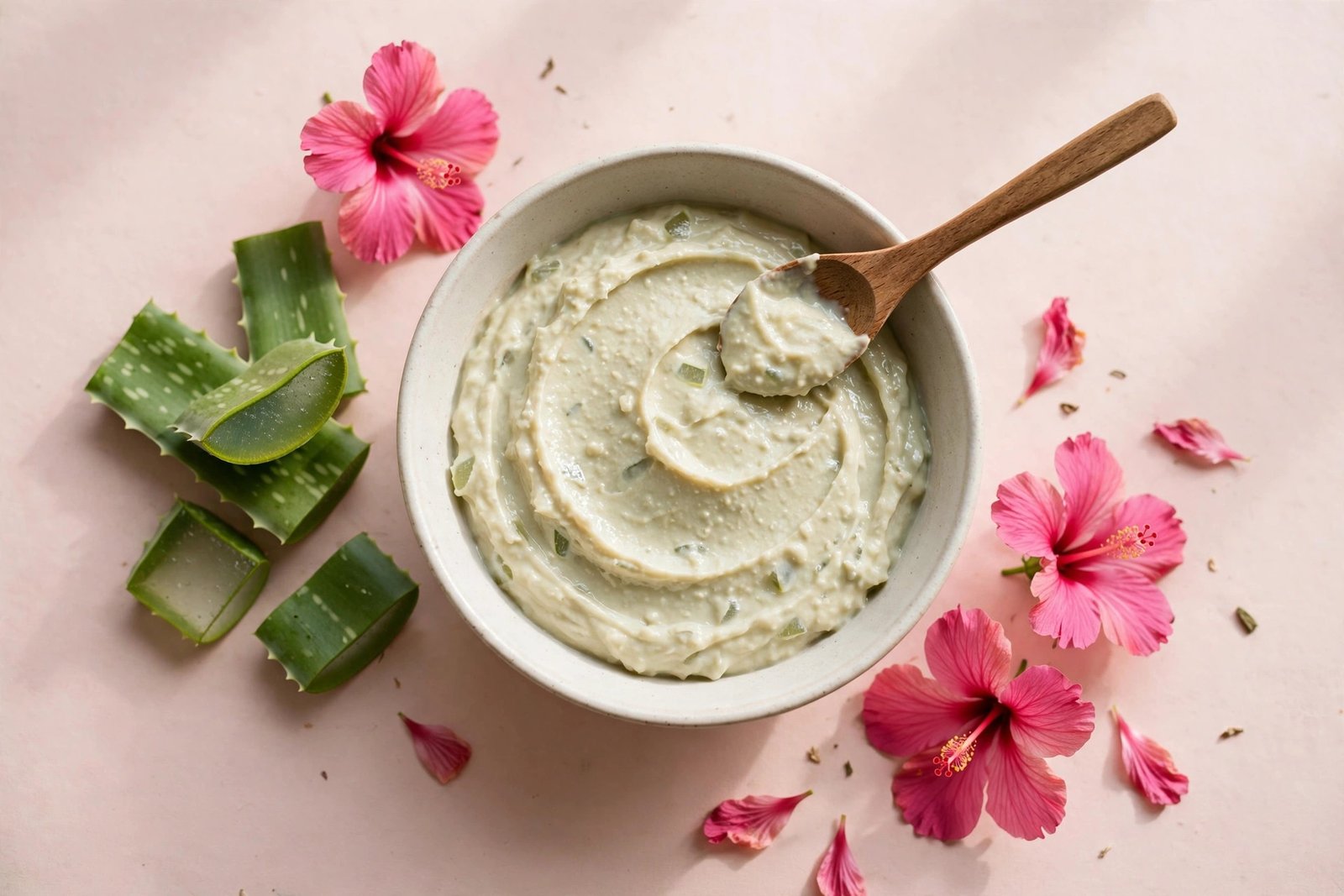
How to do it: Grind fresh hibiscus flowers and leaves (or 2 tablespoons of dried hibiscus powder) with a little water into a paste. Apply to scalp and hair for 30 minutes, then rinse and shampoo. Use weekly.
10. Rice Water Rinse
Fermented rice water went viral for good reason — it contains inositol, amino acids, and B vitamins that smooth the hair cuticle and reduce friction breakage. Our detailed guide covers how often to use a rice water rinse, and there’s a rice water and rosemary DIY version too.
How to do it: Rinse ½ cup of rice, soak in 2 cups of water for 30 minutes (or ferment 12–24 hours for stronger effect), strain, and pour over hair after shampooing. Leave 10–20 minutes, then rinse. Use weekly — overuse can cause protein-like stiffness.
11. Rosemary Water or Diluted Rosemary Oil
Rosemary has some of the most interesting preliminary research among herbal remedies — one trial found rosemary oil comparable to 2% minoxidil for hair count over six months (with less scalp itching). Evidence is early, but it’s promising and low-risk when diluted.
How to do it: Add 3–5 drops of rosemary essential oil to a tablespoon of carrier oil (jojoba or coconut) and massage into the scalp 2–3 times weekly — or brew strong rosemary tea, cool it, and use as a scalp rinse. Never apply undiluted essential oil to skin.
12. Dietary Changes at Home
The most powerful “home remedy” isn’t topical at all — it’s nutritional. Hair fall driven by deficiency won’t respond to any mask or oil until the deficiency is fixed:
- Protein at every meal: Eggs, lentils, beans, chicken, fish, yogurt, paneer, tofu.
- Iron + vitamin C together: Spinach or lentils with lemon juice or bell peppers boosts absorption.
- Seeds and nuts: Pumpkin seeds (zinc), almonds and walnuts (vitamin E, biotin).
- Stop crash dieting: Rapid weight loss is a top trigger of shedding — it shows up 2–3 months later.
For a deeper look at the supplement question, read does biotin work for hair growth.
Habits That Matter More Than Any Remedy
Remedies help, but these daily habits determine most of your results:
- Wash when your scalp needs it. An oily, flaky scalp sheds more. Find your frequency in our hair washing guide.
- Detangle gently. Wide-tooth comb, conditioner in, start from the ends. Never brush soaking-wet hair aggressively.
- Loosen up hairstyles. Tight ponytails and buns cause traction loss over time.
- Protect from heat. Cut back on daily heat, and always use protection — see do you need heat protectant.
- Sleep on silk or satin. Less friction means less overnight breakage (silk pillowcase benefits).
- Manage stress. Chronic stress is a documented shedding trigger; exercise, sleep, and downtime are hair care too.
Frequently Asked Questions
How long do home remedies take to show results?
Hair cycles are slow — expect 8–12 weeks of consistent use before judging any remedy. If a remedy promises visible regrowth in two weeks, it’s marketing, not biology. Take photos in consistent lighting to track progress objectively.
Can I combine multiple remedies?
Yes, but introduce them one at a time (one new remedy per 1–2 weeks) so you can tell what’s helping and what’s irritating your scalp. A sensible weekly rotation: oiling before one wash, a mask before another, and daily scalp massage.
Is onion juice safe for all hair types?
It’s generally safe but can irritate sensitive, broken, or inflamed scalps — patch-test behind your ear first. It may also slightly lighten or dry very porous hair. If it burns or itches beyond mild tingling, rinse immediately and skip it.
Do home remedies work for male pattern baldness?
Kitchen remedies don’t reverse androgenetic alopecia. They can improve scalp health and reduce breakage, which helps hair look fuller, but pattern loss needs evidence-based treatment — see a dermatologist early, when the most options are available.
When should I stop trying home remedies and see a doctor?
See a doctor for sudden heavy shedding, bald patches, scalp pain or inflammation, shedding that doesn’t improve after 3 months of good habits, or hair loss with other symptoms (fatigue, weight changes, irregular periods). Our complete hair fall guide has the full checklist.
Key Takeaways
- Home remedies work best for shedding and breakage caused by scalp health, stress, nutrition, and habits — not for pattern baldness or medical hair loss.
- The best-supported options: daily scalp massage, coconut oil (reduces protein loss), onion juice (small but real studies), rosemary (promising early research), and rice water rinses.
- Kitchen remedies need 8–12 weeks of consistent use; introduce one at a time and patch-test first.
- Nutrition matters more than any topical remedy — protein, iron, and an end to crash dieting are foundational.
- Daily habits (gentle detangling, loose styles, regular washing, heat protection, silk pillowcase) determine most of your results.
- See a dermatologist for sudden, patchy, or persistent shedding rather than cycling through endless remedies.
- For causes, diagnosis, and the full strategy, read the hair fall control complete guide.
Love this? Pin it for later!