Best Oils for Hair Fall: 9 Oils That Reduce Shedding and Breakage
Hair oiling is one of the oldest hair care practices in the world — and one of the most debated online. Does it actually reduce hair fall, or is it just tradition? The honest answer: oils don’t regrow hair from dead follicles, but the right oil, used correctly, reduces breakage, calms the scalp, and makes the massage that supports circulation possible. That’s a meaningful part of any hair fall routine.
This guide ranks the 9 best oils for hair fall, explains what each one actually does (and doesn’t do), matches oils to hair types, and walks through the correct oiling technique. For technique detail, see how to oil hair for growth; for the bigger picture, the hair fall control complete guide.
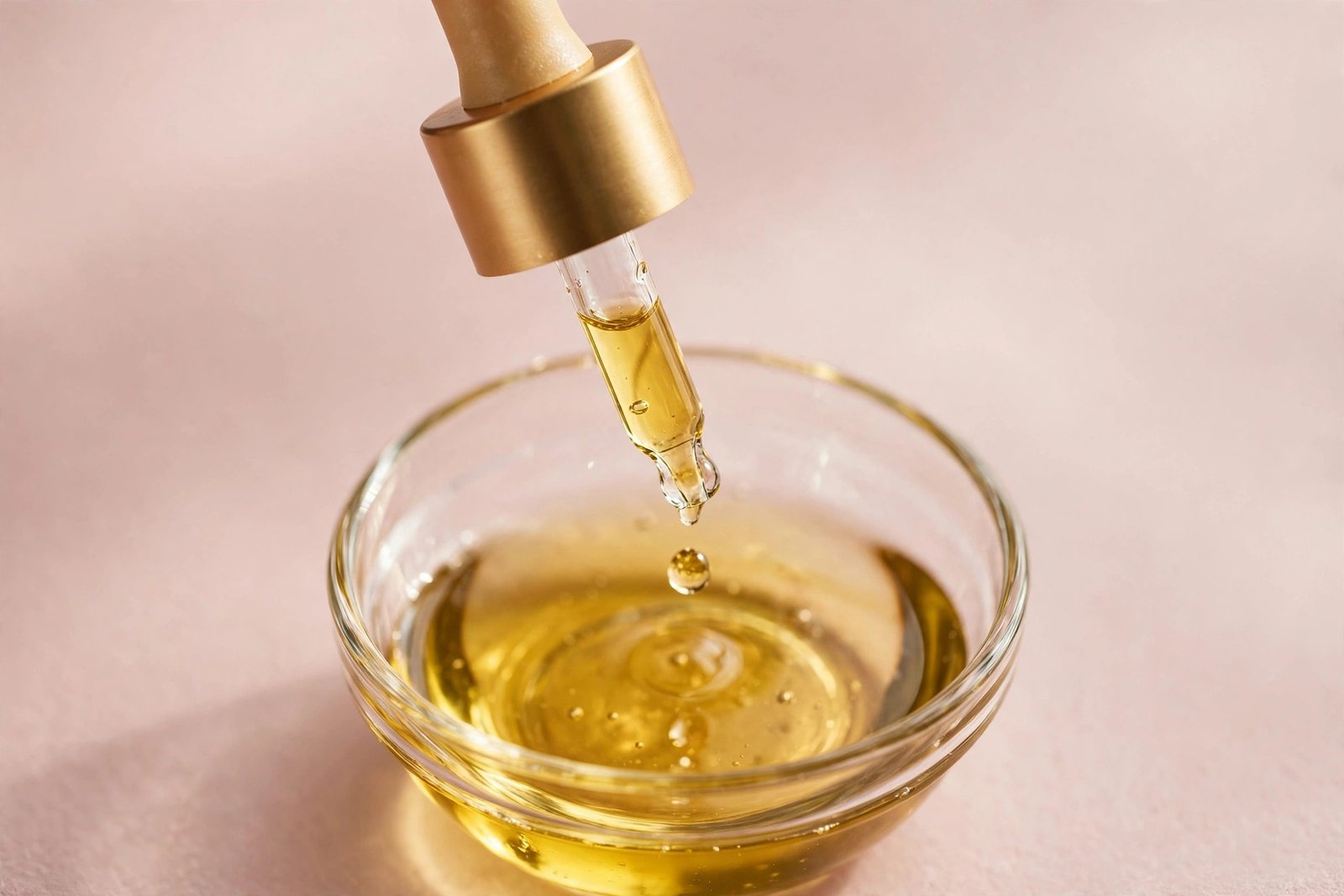
What Hair Oil Can and Can’t Do
What it can do:
– Reduce protein loss and breakage (especially coconut oil, which penetrates the shaft)
– Lubricate hair so detangling causes less snapping
– Soothe a dry, tight, flaky scalp
– Enable scalp massage, which supports circulation
– Protect hair from hygral fatigue (the swelling-shrinking stress of wetting and drying)
What it can’t do:
– Regrow hair lost to pattern baldness
– “Unclog follicles and restart growth” (a common marketing claim with no basis)
– Replace treatment for deficiencies, thyroid issues, or scalp disease
Keeping these boundaries clear saves money and disappointment.
The 9 Best Oils for Hair Fall
1. Coconut Oil — Best All-Rounder
The most studied hair oil. Research shows coconut oil penetrates the hair shaft and reduces protein loss during washing better than mineral or sunflower oil. That directly translates to less breakage — which is half the battle when “hair fall” is really hair snapping.
Best for: Most hair types, especially medium to thick hair. Use: Pre-wash treatment, 1–2 hours before shampooing, 1–2x weekly. Can feel heavy on very fine hair — use sparingly on lengths only.
2. Castor Oil — Best for Thickness and Edges
Thick, sticky, and rich in ricinoleic acid, castor oil is the traditional choice for sparse edges, thin eyebrows-adjacent hairlines, and overall density. There’s limited clinical research, but its occlusive nature seals moisture in and its texture makes it a favorite for targeted scalp application.
Best for: Thick, coarse, or very dry hair; edges and hairline. Use: Mix with a lighter oil (1:1 with coconut or almond) because pure castor oil is very thick and hard to wash out. Apply to scalp, leave 1–2 hours, shampoo thoroughly — often twice.
3. Onion Seed (Kalonji/Nigella Sativa) Oil — Best Trending Pick
Onion seed oil — pressed from black seeds, not the same as onion juice — has surged in popularity for hair fall. It contains thymoquinone, an antioxidant and anti-inflammatory compound. Human clinical data is limited, but traditional use and early studies on its anti-inflammatory properties make it a reasonable choice, especially for inflamed or flaky scalps.
Best for: Those dealing with scalp inflammation alongside shedding. Use: Massage a small amount into the scalp 1–2x weekly before washing. It has a strong, peppery scent — blending with coconut oil helps.
4. Rosemary Essential Oil — Best Evidence-Backed Essential Oil
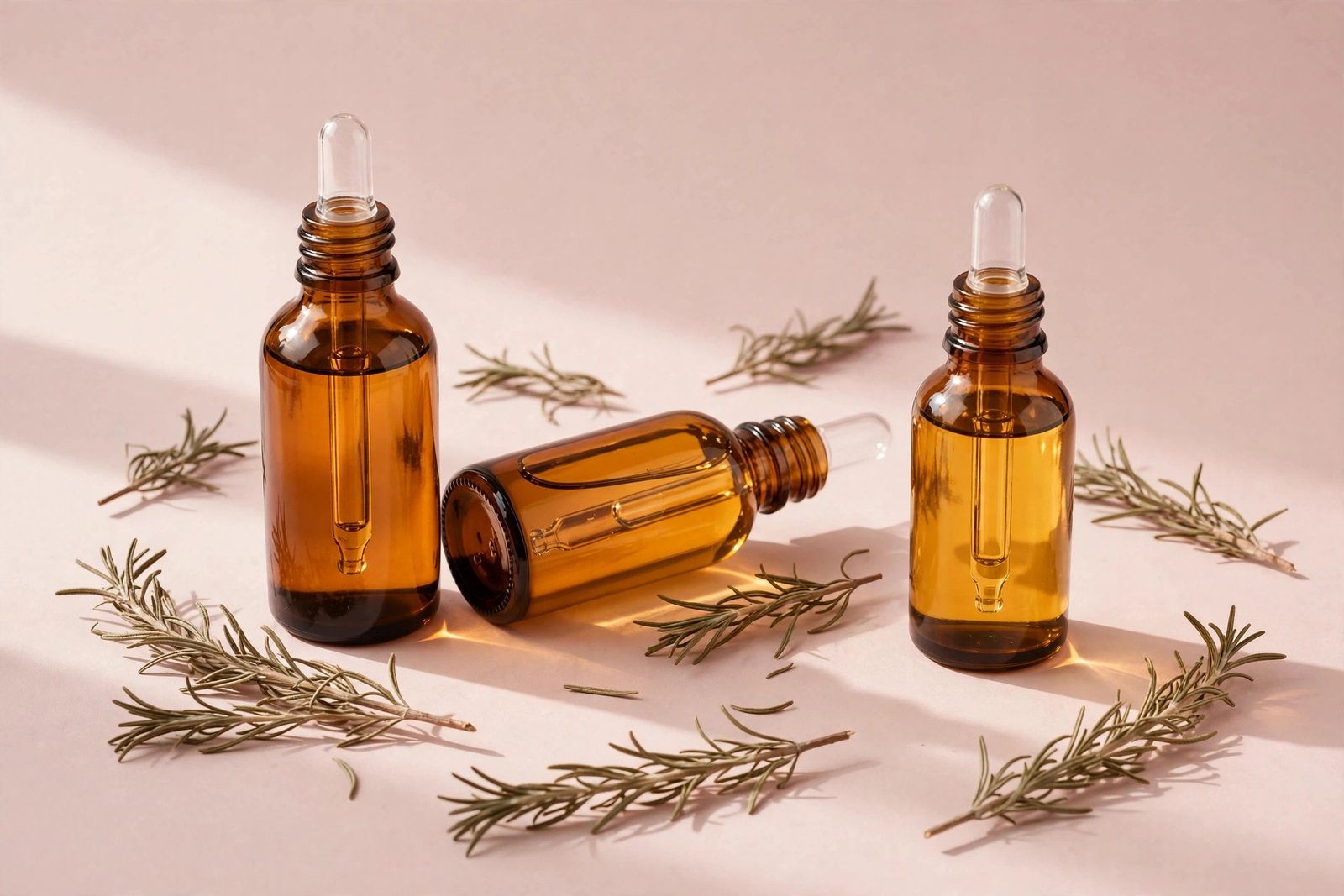
Rosemary oil has the most interesting clinical data of any essential oil for hair: a 2015 randomized trial found it comparable to 2% minoxidil for hair count after six months, with less scalp itching. It must always be diluted — never applied neat.
Best for: Early thinning where you want a low-risk active. Use: 3–5 drops per tablespoon of carrier oil (jojoba, coconut, or almond). Massage into scalp 2–3x weekly. Alternatively, use strong cooled rosemary tea as a rinse.
5. Argan Oil — Best Lightweight Finisher
Rich in vitamin E and fatty acids, argan oil is light, absorbs well, and excels as a leave-in for frizz control and shine rather than a heavy pre-wash treatment. It reduces friction breakage on dry hair.
Best for: Fine to medium hair, frizz-prone hair, color-treated hair. Use: A pea-sized amount on damp or dry mid-lengths and ends. Too heavy for scalp application on oily scalps — keep it off the roots if you’re acne-prone on the forehead.
6. Almond Oil — Best Gentle Everyday Oil
Light, affordable, rich in vitamin E and magnesium, sweet almond oil is one of the least irritating options — a good starting point if your scalp reacts to stronger oils.
Best for: Sensitive scalps, beginners, fine hair. Use: Pre-wash scalp massage or light leave-in on ends. Blends well with essential oils like rosemary or peppermint.
7. Jojoba Oil — Best Scalp-Balancing Oil
Technically a liquid wax, jojoba closely resembles the scalp’s natural sebum. It moisturizes without heaviness and is non-comedogenic, making it one of the best carrier oils for oily or acne-prone scalps.
Best for: Oily scalps, the ideal carrier for essential oils. Use: As a base for rosemary or peppermint oil scalp treatments, or alone for light scalp massage.
8. Amla Oil — Best Traditional Strengthener
Amla (Indian gooseberry) oil is rich in vitamin C and antioxidants with centuries of Ayurvedic use for strengthening roots and reducing shedding. It may slightly darken hair over time — a bonus for some, a caution for color-treated blondes.
Best for: Those wanting a traditional, nutrient-rich scalp oil. Use: Warm slightly, massage into scalp before washing, 1–2x weekly.
9. Pumpkin Seed Oil — Best Emerging Pick
Pumpkin seed oil contains phytosterols that may mildly inhibit 5-alpha reductase (the enzyme involved in pattern hair loss). One small trial showed increased hair count versus placebo. Evidence is early, but it’s a reasonable, food-grade option.
Best for: Early pattern thinning as a complementary approach. Use: A few drops massaged into thinning areas, or 1 tablespoon taken orally daily (it’s a food oil) — don’t exceed culinary amounts without guidance.
Matching Oil to Your Hair Type
| Hair type | Best choices | Notes |
|---|---|---|
| Fine, oily scalp | Jojoba, almond (light) | Keep oil off roots or wash very thoroughly; avoid heavy castor |
| Thick, dry, coarse | Coconut, castor blend, amla | Can handle heavier oils and longer leave-in times |
| Curly/coily | Castor blend, coconut, almond | Hair needs more sealing; oil helps retain moisture between washes |
| Color-treated | Argan, almond | Amla may darken; coconut is color-safe |
| Sensitive/flaky scalp | Almond, jojoba + rosemary (diluted) | Patch-test; skip onion juice if reactive |
| Early thinning | Rosemary in carrier, pumpkin seed | Complement — don’t expect these to replace medical treatment |
How to Do a Hair Oil Massage Correctly
Technique matters more than the oil brand:
- Warm slightly. Lukewarm oil (not hot) spreads better and feels better. Test on your wrist.
- Section your hair. Apply with fingertips directly to the scalp in sections — don’t just pour it over the top of your head.
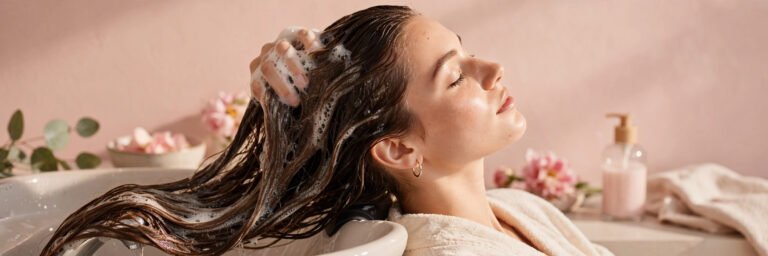
- Massage 5–10 minutes. Small circular motions with fingertips, moving the scalp skin. This is the active step — don’t rush it.
- Work through lengths. Whatever remains on your hands, smooth down the mid-lengths and ends.
- Leave 1–2 hours. Longer isn’t better — overnight oiling every time can cause buildup and, for some, folliculitis. Once in a while overnight is fine.
- Wash thoroughly. Shampoo twice with a gentle shampoo, focusing on the scalp. Leftover oil causes buildup, itching, and can worsen shedding.
Frequency: 1–2 times per week is the sweet spot for most people.
DIY Anti-Hair-Fall Oil Blend
A simple, effective weekly blend:
- 2 tablespoons coconut oil (base, reduces protein loss)
- 1 tablespoon castor oil (thickness, sealing)
- 5 drops rosemary essential oil (scalp stimulation)
- 3 drops peppermint essential oil — optional (cooling, circulation)
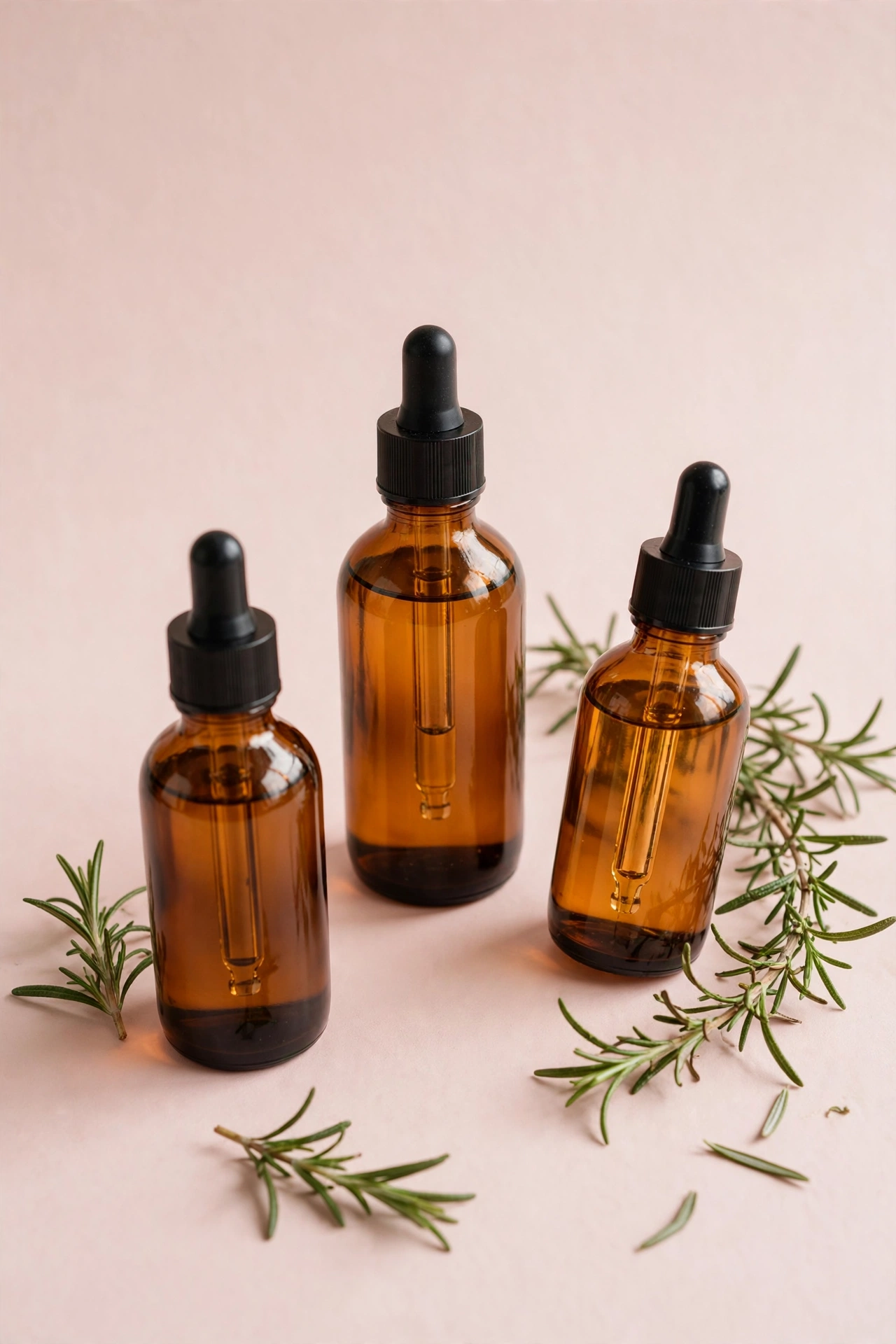
Warm, mix, massage into scalp, leave 1–2 hours, wash out. Store leftovers in a dark glass bottle for up to a month. Always patch-test a new blend behind your ear first.
Oiling Mistakes That Increase Hair Fall
- Oiling dirty scalps and leaving it for days. Oil traps sweat, dust, and dead skin against the scalp — a recipe for inflammation and folliculitis.
- Aggressive massage with nails. Scratching damages the scalp; fingertips only.
- Using too much. A tablespoon or two is plenty. Drowning hair in oil just means harsher washing to remove it.
- Skipping the wash. Oil must come out fully. If your regular shampoo can’t remove it, clarify occasionally.
- Expecting regrowth. Oil supports the hair you have; it doesn’t create follicles where they’ve miniaturized.
Frequently Asked Questions
Which oil is best for hair fall and regrowth?
No oil regrows hair lost to pattern baldness. For reducing shedding and breakage, coconut oil has the strongest evidence (protein-loss reduction), rosemary oil has the most promising clinical data for density, and castor oil is the traditional pick for thickness. Match the oil to your hair type and scalp needs rather than chasing one “best” oil.
Can I leave oil in my hair overnight?
Occasionally, yes — but not as a routine. Leaving oil on for 1–2 hours before washing gives you the benefits; overnight application increases the risk of buildup, scalp acne, and follicle clogging, especially on oily scalps.
Is onion seed oil the same as onion juice?
No. Onion seed (kalonji) oil is pressed from black cumin seeds and contains thymoquinone; onion juice is squeezed from bulb onions and contains sulfur compounds. They’re different remedies with different evidence — juice has a small clinical study behind it, while seed oil relies more on traditional use and anti-inflammatory research.
How often should I oil my hair to control hair fall?
One to two times per week suits most people. Daily oiling is unnecessary and often counterproductive, leading to buildup that requires harsh washing — which damages hair more than the oil helped.
Can oiling cause more hair fall?
It can appear to: massage loosens hairs already in the shedding phase, so you’ll see more hair on oiling days. That’s normal — those hairs were going to fall. But if shedding stays elevated, or you develop itching, bumps, or flaking, you’re likely leaving oil on too long, using too much, or reacting to the oil. Cut back and reassess.
Key Takeaways
- Oils reduce breakage and support scalp health — they don’t regrow hair lost to pattern baldness.
- Coconut oil has the strongest evidence (reduces protein loss); rosemary oil has the most promising clinical data for density; castor oil is the traditional thickness pick.
- Match oil to hair type: lightweight (jojoba, almond, argan) for fine/oily hair; heavier (coconut, castor blends) for thick/dry hair.
- Technique beats product: fingertip massage 5–10 minutes, leave 1–2 hours (not routinely overnight), shampoo out thoroughly.
- Oil 1–2x weekly; more often causes buildup that worsens shedding.
- Always dilute essential oils, patch-test new oils, and stop if you get irritation.
- For the full routine context, see the hair fall control complete guide and how to oil hair for growth.
Love this? Pin it for later!