How to Oil Hair for Growth: Best Oils and Method
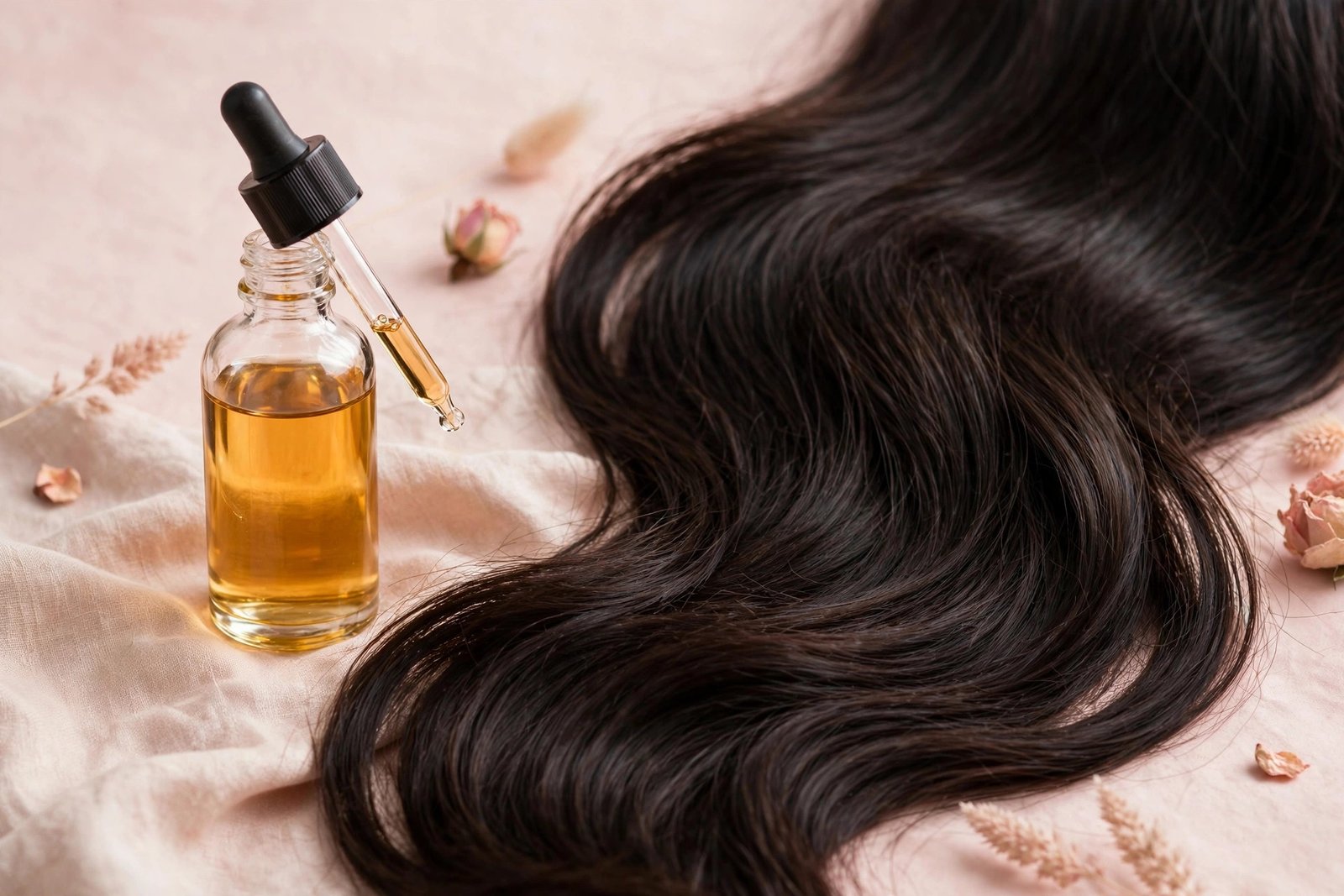
Hair oiling is one of the oldest hair care practices in the world, and it’s having a major moment right now. Scroll through any beauty feed and you’ll see scalp massages, rosemary oil before-and-afters, and overnight oil treatments promising longer, thicker hair.
But does oiling actually help hair grow? Which oils are worth using, and which are just hype? And — critically — how do you do it without ending up with greasy, limp hair and a clogged shower drain?
This guide covers everything: the honest science, the best oils for growth, a step-by-step method, how often to oil, and the mistakes that sabotage results.
Does Oiling Actually Help Hair Grow?
Let’s start with the honest answer: no oil can change your genetic hair growth rate. Hair grows about half an inch per month, and that speed is set by your follicles, not by what you put on your scalp.
What oiling can do is help you keep the length you grow. Most people who think their hair “won’t grow” are actually dealing with breakage — the hair grows, then snaps off before it gets long. Oil helps in three concrete ways:
- Reduces breakage. Oil lubricates the hair shaft, so strands flex instead of snapping during brushing, styling, and sleeping. Less breakage = more visible length over time.
- Supports scalp health. A dry, flaky, or irritated scalp isn’t an ideal environment for healthy growth. Gentle oiling and massage can moisturize the scalp and improve blood flow to the follicles.
- Protects during washing. Hair swells when wet and becomes more fragile. A light pre-wash oil treatment reduces the swelling, so strands take less damage in the shower.
One oil deserves special mention: rosemary oil. A small, often-cited study found that rosemary oil performed comparably to minoxidil 2% for supporting hair density over six months. The evidence is preliminary and limited, but rosemary is the closest thing to a research-backed “growth” oil. It must be diluted in a carrier oil — never applied undiluted.
Bottom line: think of oiling as length retention and scalp care, not a magic growth accelerator. If your hair breaks easily or your scalp is dry, oiling is genuinely worth adding to your hair care routine.
The Best Oils for Hair Growth
Not all oils behave the same on hair. Here’s how the most popular options compare.
Coconut Oil
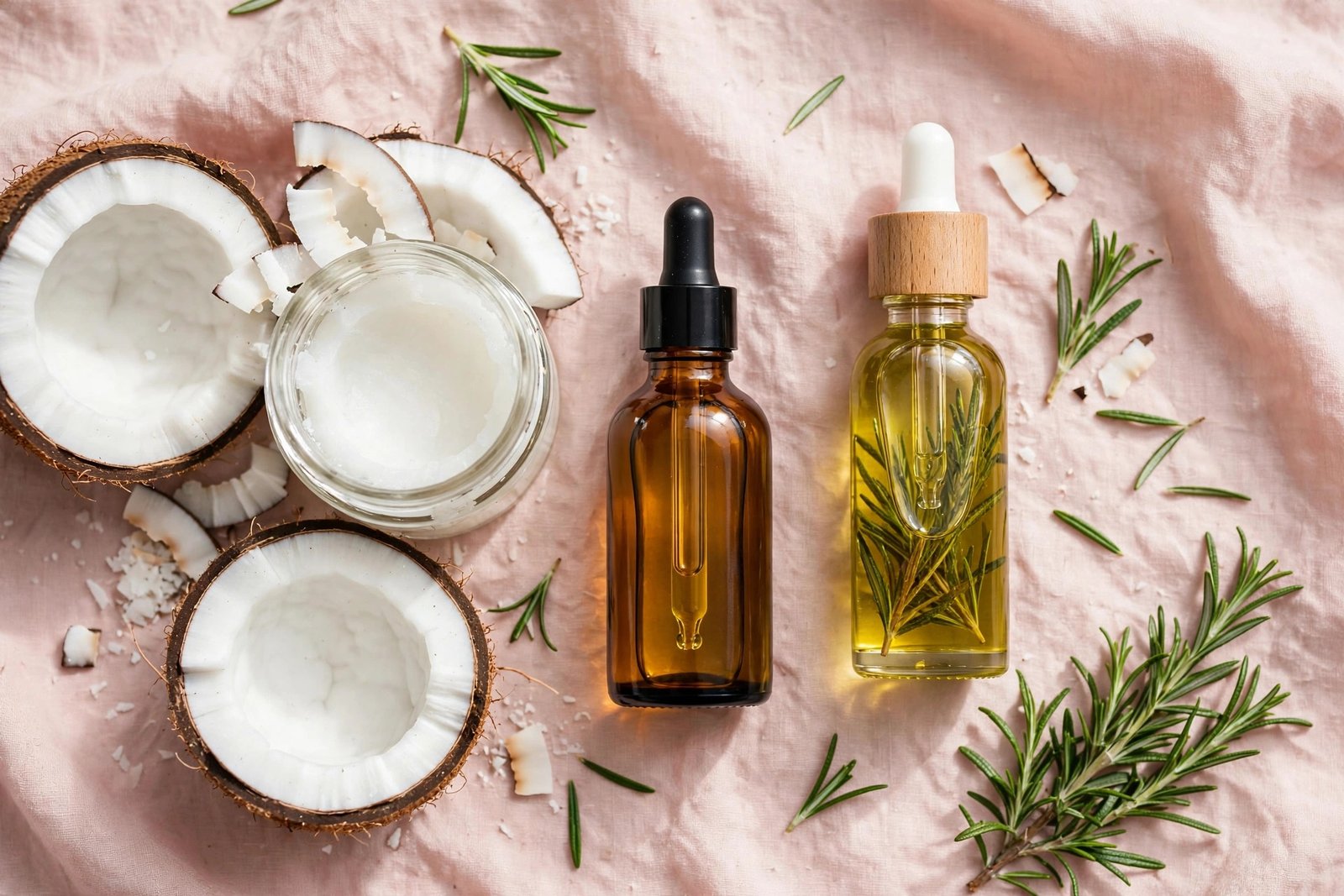
The most studied hair oil. Coconut oil’s small molecular structure lets it penetrate the hair shaft rather than just sitting on top, which is why it reduces protein loss during washing better than most alternatives.
- Best for: Thick, coarse, or high-porosity hair; pre-wash treatments
- Watch out for: Can be too heavy for fine or low-porosity hair, and some people find it causes buildup or stiffness with frequent use. If your hair feels crunchy after coconut oil, switch to a lighter option.
Argan Oil
A lightweight, fast-absorbing oil rich in vitamin E and fatty acids. It smooths frizz and adds shine without weighing hair down.
- Best for: Fine to medium hair, frizz control, leave-in use on ends
- Watch out for: Genuine argan oil is expensive, and the market is full of diluted fakes. It’s a better finishing oil than a deep scalp treatment.
Rosemary Oil (Essential Oil)
The only oil with clinical evidence related to hair density support. It must always be diluted — typically 3–5 drops per tablespoon of carrier oil.
- Best for: Scalp massage treatments aimed at supporting growth
- Watch out for: Never use undiluted. Do a patch test first. Avoid during pregnancy unless your doctor approves.
Castor Oil
Thick, sticky, and rich in ricinoleic acid. Popular for edges and brows, and many people swear by it for thickness.
- Best for: Scalp treatments where you want the oil to really stay put
- Watch out for: Very thick — mix with a lighter oil (like coconut or jojoba) so it spreads and washes out. Using it straight can make wash day miserable.
Jojoba Oil
Technically a liquid wax, and its structure closely resembles the scalp’s natural sebum. Lightweight and rarely causes buildup.
- Best for: Oily scalps, fine hair, people prone to buildup
- Watch out for: Less penetrating than coconut oil, so it’s better as a scalp moisturizer than a deep shaft treatment.
Olive Oil
The pantry staple. A decent all-rounder for deep conditioning, though heavier than argan or jojoba.
- Best for: Very dry, thick hair; occasional deep treatments
- Watch out for: Can be hard to wash out of fine hair. Use sparingly.
Quick pick guide: Dry scalp + breakage → coconut or castor blend. Fine hair + frizz → argan or jojoba. Growth-focused scalp routine → rosemary diluted in jojoba or coconut.
How to Oil Hair for Growth: Step-by-Step Method
Here’s the method that gives results without the greasy aftermath.
Step 1: Choose and Warm Your Oil
Pick your oil (or blend) based on the guide above. Pour 1–2 tablespoons into a small bowl — less for short or fine hair, more for long or thick hair. Warm it slightly by placing the bowl in warm water for a minute. Lukewarm oil spreads more easily and feels better on the scalp. Never microwave oil, and never apply it hot.
Step 2: Section Your Hair
Divide dry (not wet) hair into 4–6 sections. Oiling dry hair lets the oil coat the shaft evenly; oiling soaking-wet hair just slides off.
Step 3: Massage Into the Scalp
Dip your fingertips (not nails) into the oil and massage it into your scalp using small circular motions. Spend a full 5 minutes on this — the massage matters as much as the oil. It boosts blood flow to the follicles and helps work the oil in. If you’re using rosemary oil, this is where it does its work.
Step 4: Work Through the Lengths
Run the remaining oil down the lengths of your hair, focusing on the ends, which are the oldest and driest part. If your ends are very dry, add a tiny extra drop just to them. Keep oil off the roots if your hair gets greasy fast — mid-lengths to ends is enough for breakage protection.
Step 5: Cover and Wait
Twist your hair up and cover it with a shower cap or warm towel. The gentle heat helps the oil penetrate. Leave it on for the time that suits your schedule (see “How Long to Leave Oil On” below).
Step 6: Shampoo Properly
This is where most people go wrong. Shampoo twice. The first shampoo breaks up the oil; the second actually cleans the scalp. Focus shampoo on the scalp, not the lengths — the suds running down are enough to clean the ends. If hair still feels oily after two washes, a third light wash is fine. Follow with conditioner as usual.
How Often Should You Oil Your Hair?
More is not better with oiling. The right frequency depends on your hair and scalp:
- Dry scalp / dry, thick, or curly hair: 1–2 times per week
- Normal hair: Once a week
- Fine hair or oily scalp: Once every 1–2 weeks, focusing on mid-lengths and ends rather than the scalp
- Very damaged hair: Up to twice a week during a repair phase, then scale back
Signs you’re over-oiling: hair looks limp or greasy even after washing, your scalp feels coated, or you’re getting breakouts along the hairline. If that happens, cut back to once every two weeks and use less oil.
Consistency beats intensity. A light weekly oiling for three months will do more than one heavy monthly treatment. If you’re building a full routine, oiling fits naturally into a weekly hair care schedule alongside treatments like rice water rinses.
How Long Should You Leave Oil On?
There’s a lot of conflicting advice here, from 30 minutes to overnight. Here’s what actually matters:
- Minimum effective time: 30 minutes. This gives the oil time to coat and partially penetrate the shaft.
- Sweet spot: 1–2 hours. Long enough for real benefit, short enough to fit into a normal day.
- Overnight: Fine occasionally, especially for very dry hair — but protect your pillowcase with a towel or cap. There’s no strong evidence that 8 hours does dramatically more than 2 hours for most oils.
- Don’t leave it for days. Oil left on too long collects dust and buildup, which can irritate the scalp and clog follicles — the opposite of what you want for growth.
If you’re short on time, even a 30-minute pre-wash treatment once a week makes a noticeable difference in breakage over a month or two.
7 Common Hair Oiling Mistakes
- Using too much oil. A tablespoon or two is plenty. Drowning your hair just makes wash day harder without added benefit.
- Applying to soaking-wet hair. Oil and water don’t mix — the oil slides off instead of coating the strand. Start with dry or very slightly damp hair.
- Skipping the double shampoo. One wash rarely removes a proper oil treatment. Two shampoos is the standard for a reason.
- Oiling a dirty scalp. If you have significant buildup, flaking, or an irritated scalp, clarify first. Oiling over buildup traps it against the skin.
- Using undiluted essential oils. Rosemary, peppermint, and tea tree oils must be diluted in a carrier oil. Undiluted application can cause chemical burns or severe irritation.
- Expecting overnight miracles. Hair oiling is a long game. Judge results after 8–12 weeks of consistent use, not after one treatment.
- Ignoring your hair type. What works for thick, coily hair will overwhelm fine, straight hair. Match the oil weight and frequency to your hair, not to someone else’s routine.
FAQ
Can oiling cause hair loss?
Oiling itself doesn’t cause hair loss, but two things related to it can: leaving heavy oil on for days (buildup can clog follicles and irritate the scalp), and aggressive massage or tugging during application. Be gentle, don’t overdo frequency, and wash thoroughly.
Should I oil my scalp or just the lengths?
If your goal is growth support, the scalp is where the action is — that’s where follicles live. If your goal is breakage prevention, focus on the lengths and ends. Many people do both: scalp massage with a lighter oil, then a richer oil on the ends.
Is it better to oil before or after washing?
Before. Oil is a pre-wash treatment. Applying heavy oil to clean hair just makes it look greasy and attracts dirt. The one exception: a single drop of argan or jojoba on the very ends as a finisher after styling.
Can I mix oils together?
Absolutely — blending is smart. A popular growth-focused blend is coconut or jojoba as the carrier with a few drops of rosemary essential oil. For dryness, try coconut + castor + a drop of argan on the ends.
Does oiling work for all hair types?
The principle works for all types, but the oil and method must match. Fine, low-porosity hair needs light oils (jojoba, argan) used sparingly; thick, high-porosity or curly hair can handle richer oils (coconut, castor) more often. When in doubt, start light and infrequent.
How long until I see results?
For breakage reduction, most people notice smoother, less tangly hair within 2–4 weeks. For visible length retention, give it 3–6 months of consistent weekly oiling. Hair grows slowly — there’s no shortcut around that timeline.
Key Takeaways
- Oiling doesn’t speed up growth, but it reduces breakage and supports scalp health, which helps you keep the length you grow.
- Match the oil to your hair type: coconut for thick/dry hair, argan or jojoba for fine hair, rosemary (diluted) for scalp-focused routines.
- Method matters: warm the oil, massage the scalp for 5 minutes, cover for 30 minutes to 2 hours, then shampoo twice.
- Once a week is the sweet spot for most people; adjust based on how your hair responds.
- Judge results after 8–12 weeks of consistency, not after a single treatment.
Love this? Pin it for later!