How Often Should You Wash Your Hair? (By Hair Type)
Ask five people how often they wash their hair and you’ll get five different answers. Someone swears by daily washing. Another washes once a week. Someone else says their hair has never looked better since they cut back to every other day.
So who’s right? The truth is, there’s no single answer — the right washing schedule depends on your hair type, scalp condition, lifestyle, and the products you use. This guide breaks down exactly how to find your ideal frequency, the signs you’re washing too much (or too little), and how to transition to a schedule that actually works.
If you’re building a hair routine from scratch, start with our hair care routine for beginners guide — washing frequency is just one piece of the puzzle.
Why Washing Frequency Matters
Your scalp produces sebum, a natural oil that protects your hair and skin. When you shampoo, you strip away sebum (plus sweat, dirt, and product buildup). Some of that is good — buildup left too long can clog follicles, cause itchiness, and even contribute to dandruff.
But wash too aggressively, and you strip the moisture your hair needs. The result can be:
- Dry, brittle strands that snap easily
- A scalp that overcompensates by producing more oil (yes, really)
- Frizz and dullness, especially on wavy and curly hair
- Color fading faster on dyed hair
Wash too infrequently, and you get:
- Visible oiliness and a weighed-down look
- Itchy, flaky scalp
- Product buildup that makes styling harder
- An unpleasant odor
The sweet spot is washing often enough to keep your scalp clean and comfortable — but not so often that your hair dries out.
How Often Should You Wash by Hair Type
Here’s the honest framework most stylists and dermatologists agree on. Use it as a starting point, then adjust based on how your hair actually responds.
Oily / Fine Hair
Typical range: every 1–2 days
Fine hair has more strands per square inch, which means more oil glands and oil that spreads quickly down the strand. If your hair looks greasy by the next morning, daily or every-other-day washing is completely normal — and healthy.
Tips for oily hair:
– Use a gentle, sulfate-free shampoo rather than harsh clarifying formulas daily.
– Focus shampoo on the scalp, not the lengths — the suds running down are enough for the ends.
– Dry shampoo on day two can stretch your wash by a day.
Normal / Medium Hair
Typical range: every 2–3 days
If your hair isn’t oily or dry — it looks fine on day two and just a little lived-in on day three — every 2–3 days is the sweet spot for most people.
Dry / Coarse Hair
Typical range: every 3–4 days (or less)
Coarse and dry hair types don’t get oily as fast because sebum has a harder time traveling down thicker, textured strands. Washing too often strips the limited natural moisture your hair has.
Curly / Coily Hair
Typical range: every 3–7 days
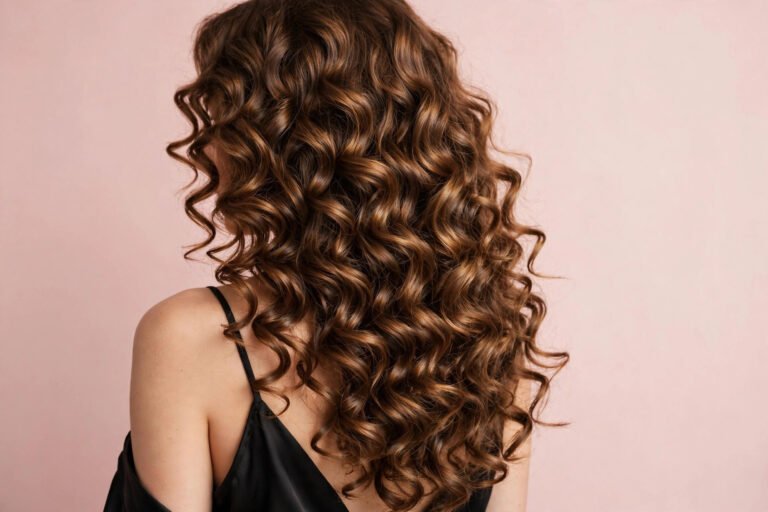
Curly and coily hair is naturally drier, and the curl pattern makes it fragile when wet. Many people with curly hair wash once a week and refresh curls between washes with a spray bottle and a little leave-in conditioner. Overwashing is the single most common mistake with curly hair.
| Hair type | Starting frequency | Watch for |
|---|---|---|
| Fine / oily | Every 1–2 days | Greasy roots by day 2 |
| Normal / medium | Every 2–3 days | Comfortable, no itch |
| Dry / coarse | Every 3–4 days | Dullness, brittleness |
| Curly / coily | Every 3–7 days | Dryness, frizz, breakage |
Signs You’re Overwashing
Your hair will tell you when you’re washing too much. Look for:
- Hair feels squeaky or straw-like after washing. Clean is good; stripped is not.
- Your scalp gets oily faster than it used to. This is the rebound effect — aggressive cleansing signals oil glands to produce more.
- Increased frizz and flyaways, especially in humid weather.
- Color fading quickly if your hair is dyed.
- An itchy, tight-feeling scalp right after washing.
If several of these sound familiar, try stretching washes by one extra day for two weeks and see how your hair responds. You can ease the transition with dry shampoo at the roots.
Signs You’re Underwashing
On the flip side, going too long between washes has its own problems:
- Itchy scalp or visible flakes that aren’t dandruff from dryness — they’re from buildup.
- Hair looks limp and won’t hold style, even right after styling.
- A sour or musty smell — sebum and sweat do have an odor after several days.
- Breakouts along the hairline, which can come from oil and product sitting on skin.
There’s no prize for washing the least. If your scalp is uncomfortable, wash it.
Factors That Change the Equation
Hair type is the biggest factor, but these matter too:
- Exercise. If you sweat heavily most days, you’ll need to wash (or at least rinse) more often. A water-only rinse with conditioner on the ends can refresh without a full shampoo.
- Product use. Heavy styling products, dry shampoo layering, and oils build up faster and may require more frequent cleansing — or a monthly clarifying wash.
- Climate. Humid weather makes scalps oilier; dry winter air is more forgiving.
- Hard water. Mineral buildup can make hair feel coated; a chelating or clarifying shampoo once a month helps.
- Scalp conditions. Dandruff or seborrheic dermatitis often need more frequent washing with a medicated shampoo, not less — ask a dermatologist if flakes persist.
How to Transition to Washing Less (Safely)
If you currently wash daily and want to cut back, don’t go cold turkey — your scalp needs time to adjust oil production. Here’s a gradual approach:
- Week 1–2: Wash every other day. Use dry shampoo on the in-between day, applied at night so it absorbs oil while you sleep.
- Week 3–4: Try stretching to every third day. On non-wash days, a boar-bristle brush can distribute oil from roots to ends.
- Reassess. If your scalp is comfortable and your hair looks good, you’ve found your rhythm. If it’s itchy or smelly, you’ve gone too far — step back a day.
Be patient: the adjustment period typically takes 2–4 weeks. And some hair types (very fine, very oily) may simply never stretch past every other day — that’s normal, not a failure.
The Right Way to Wash (When You Do)
Frequency matters, but technique matters too:
- Brush before washing to detangle and distribute oils.
- Use lukewarm water — hot water strips more oil and roughs up the cuticle.
- Shampoo twice on wash day if you go several days between washes: the first cleanse removes buildup, the second actually cleans the scalp.
- Conditioner goes on mid-lengths to ends, not the scalp (unless your scalp is very dry).
- Rinse thoroughly. Leftover product is a top cause of dull, limp hair.
Frequently Asked Questions
Is it bad to wash your hair every day?
Not inherently — if you have very fine or oily hair, daily washing with a gentle shampoo is fine. Problems come from harsh shampoos or very hot water, not the frequency itself. That said, most hair types do better with at least one rest day between washes.
Can you train your hair to be less oily?
Partially. Scalps can adjust oil production when washing becomes less aggressive, but genetics set the baseline. Many people can stretch washes by a day or two; going from daily to weekly washing usually isn’t realistic for fine, oily hair.
Should you wash your hair before or after the gym?
If you sweat a lot, rinse after. A full shampoo every single workout day can be too much for most hair types — try alternating: full wash after intense sessions, water rinse or co-wash after lighter ones.
Does not washing your hair make it grow faster?
No. Hair growth happens at the follicle, and a clean, healthy scalp supports growth — but skipping washes doesn’t speed anything up. In fact, excessive buildup can clog follicles and work against you.
What about co-washing (conditioner-only washing)?
Co-washing can work well for curly, coily, and very dry hair as a between-shampoo refresh. It’s usually not enough on its own long-term for oily scalps, since conditioner doesn’t cleanse as effectively as shampoo. Most people who co-wash still clarify with shampoo regularly.
Key Takeaways
- There’s no universal rule — start with your hair type (oily: 1–2 days; normal: 2–3; dry/curly: 3–7) and adjust.
- Overwashing signs: straw-like texture, faster oil rebound, frizz, quick color fade.
- Underwashing signs: itchiness, flakes, limp hair, odor.
- Transition gradually (add one day at a time) rather than quitting cold turkey.
- Technique matters as much as frequency: lukewarm water, scalp-focused shampoo, thorough rinsing.
- For the full picture, see our beginner’s hair care routine guide.
Love this? Pin it for later!