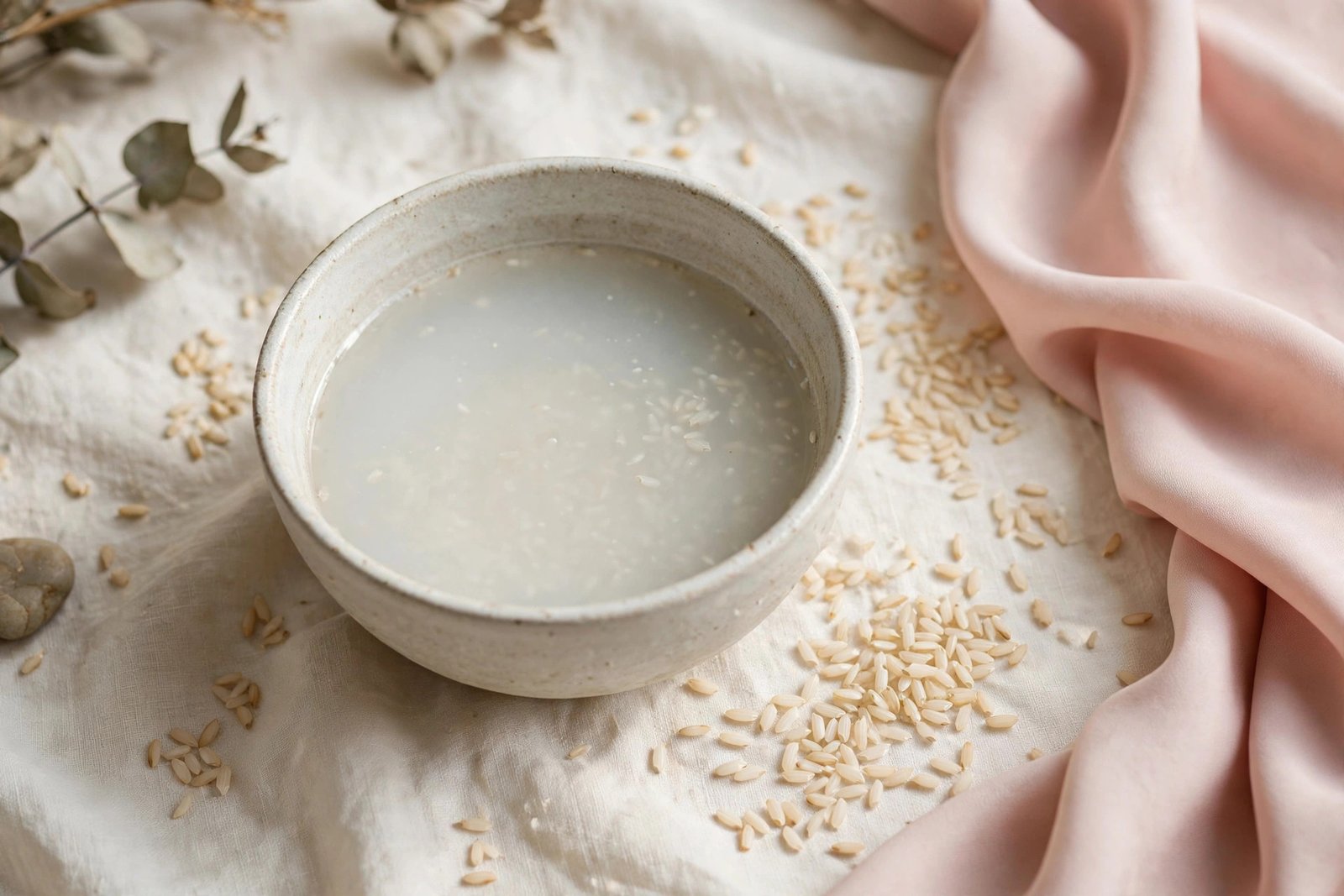
“Rice Water Rinse for Hair Growth: How Often Should You Actually Use It?”
Direct answer: Most hair types do best with a rice water rinse once a week or every two weeks — not daily. Rice water is a protein treatment, and overusing it causes protein overload: dry, stiff, brittle hair that breaks more easily. Fine or low-porosity hair should stick to every two weeks; thick, high-porosity, or curly hair can usually handle weekly use. Always follow with conditioner.
Rice water is one of those rare internet beauty trends with genuine history — women in Huangluo, China, have used fermented rice water for centuries and are famous for extraordinarily long hair. But somewhere between that tradition and TikTok, the message got mangled into “use it every day for faster growth.” That advice is wrong, and for some hair types it’s actively harmful.
Here is the honest, hair-type-specific guide.
What rice water actually does (and doesn’t do)
Rice water contains inositol (a carbohydrate that studies suggest can penetrate and stay in the hair shaft), amino acids, and starch. What it realistically offers:
- Mild strengthening from protein-like compounds — helpful for breakage-prone hair.
- Smoother cuticle — the starch coats lightly, adding slip and shine.
- Scalp refresh — fermented rice water is mildly acidic, which can calm an itchy scalp.
What it does not do: magically speed up your growth rate. Hair grows from the follicle, roughly half an inch a month, and no rinse changes your genetics. What rice water can do is reduce breakage so you retain more of the length you grow — which looks exactly like “faster growth” in practice. That distinction matters.
The daily-use myth (please stop)
The most common advice online says to use rice water daily or every wash. Here’s why that’s a problem: rice water behaves like a protein treatment. Hair needs a balance of protein and moisture. Too much protein with too little moisture = protein overload: hair feels dry, stiff, straw-like, and snaps instead of stretching.
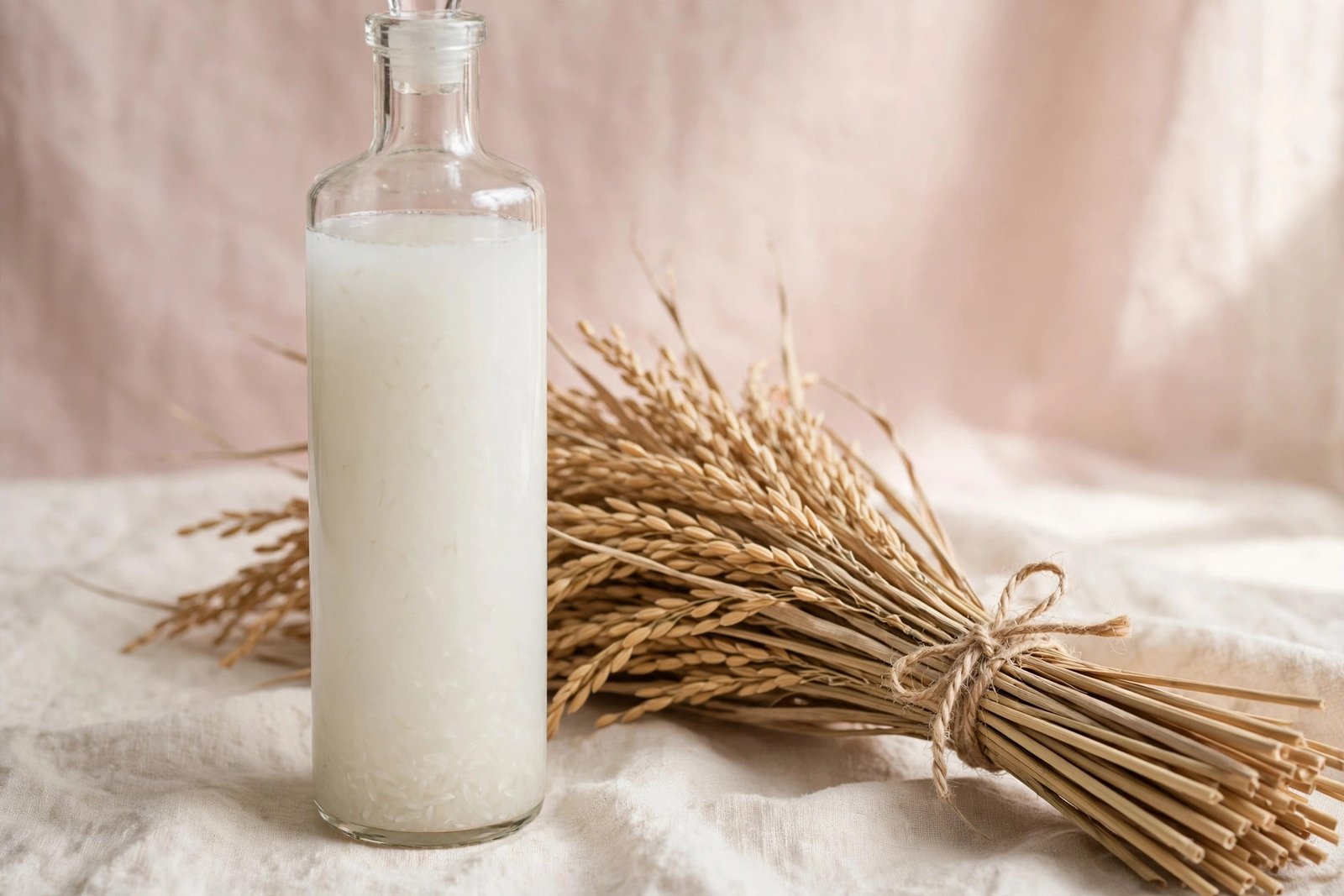
I have seen this pattern repeatedly in hair communities: someone starts daily rice water, loves the initial shine (weeks 1–2), then by week 4 their hair feels worse than when they started. That’s not the rice water “not working” — it’s overuse.
Frequency by hair type (the honest chart)
| Hair type | How often | Notes |
|---|---|---|
| Fine, thin, or low-porosity | Every 2 weeks | Your hair absorbs protein fast and overloads easily — less is more |
| Medium, normal porosity | Once a week | The sweet spot for most people |
| Thick, coarse, high-porosity | Once a week | Can tolerate weekly; watch for stiffness |
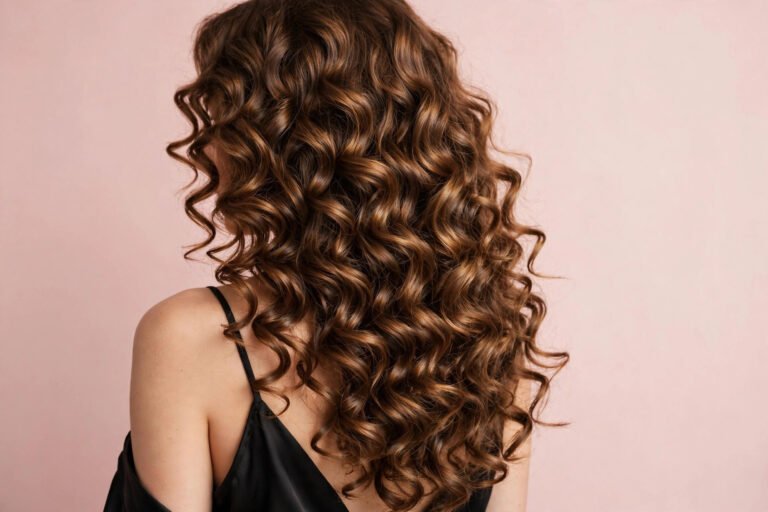
| Curly / coily (3A–4C) | Once a week to every 10 days | Great for strength, but always deep condition after |
| Damaged or bleached | Once a week | Protein helps fill gaps, but balance with heavy moisture |
| Already protein-sensitive (hair feels stiff with protein products) | Once a month or skip | Your hair is telling you it doesn’t want more protein |
The golden rule: if your hair starts feeling dry, rough, or brittle after rinses, you’re doing it too often. Cut back frequency before you blame the rice water itself.
How to make and use it (the simple method)
Fermented method (strongest):
1. Rinse ½ cup of rice to remove dirt, then soak it in 2 cups of water for 30 minutes, swirling occasionally.
2. Strain the rice out. Leave the water at room temperature for 12–24 hours to ferment (it should smell slightly sour — that’s normal).
3. Refrigerate and use within a week.
Quick method: skip the ferment and use the soaking water immediately. Milder, but still effective and less likely to irritate sensitive scalps.
How to apply:
1. Shampoo as normal.
2. Pour the rice water over your hair and scalp, massaging it in.
3. Leave on for 5–20 minutes (start with 5 if you’re new to it).
4. Rinse thoroughly, then always follow with conditioner — this is the step everyone skips, and it’s non-negotiable. The conditioner restores the moisture balance the protein treatment disrupts.
Signs you should cut back
- Hair feels dry or straw-like after rinsing
- Increased tangling or roughness
- Hair snaps easily when gently pulled (healthy hair stretches a little first)
- Dullness that wasn’t there before
If you notice these, pause rice water for 3–4 weeks, do a couple of deep moisture masks, and restart at half the frequency.
If frizz is the reason you’re reaching for the straightener in the first place, here’s the routine that kept my straightened hair sleek for three days.
Frequently asked questions
Does rice water actually grow hair faster?
Not exactly — nothing topical changes your follicle’s growth rate. What rice water does is strengthen the hair shaft and reduce breakage, so you keep more of the length you grow. Less breakage = visibly longer hair over time.
Can I leave rice water in my hair overnight?
I don’t recommend it. Extended exposure increases the risk of protein overload and scalp irritation, especially with fermented rice water. The 5–20 minute window gives you the benefits without the risks.
Fermented or plain rice water — which is better?
Fermented is more potent (lower pH, more available nutrients) but also more likely to irritate sensitive scalps or overload fine hair. Beginners should start with plain soaking water and graduate to fermented only if their hair responds well.
Why does my hair feel worse after rice water?
Almost always protein overload from using it too often, leaving it on too long, or skipping conditioner afterward. It can also mean your hair simply doesn’t need extra protein — some hair types genuinely do better without it, and that’s fine.
Can I use rice water on color-treated hair?
Yes, but cautiously — start with every two weeks and watch for dryness. Fermented rice water’s acidity is generally color-safe, but overuse can make color-treated hair feel rough. When in doubt, do a strand test first.
Love this? Pin it for later!