Butterfly Haircut Layers: The Viral Cut Explained
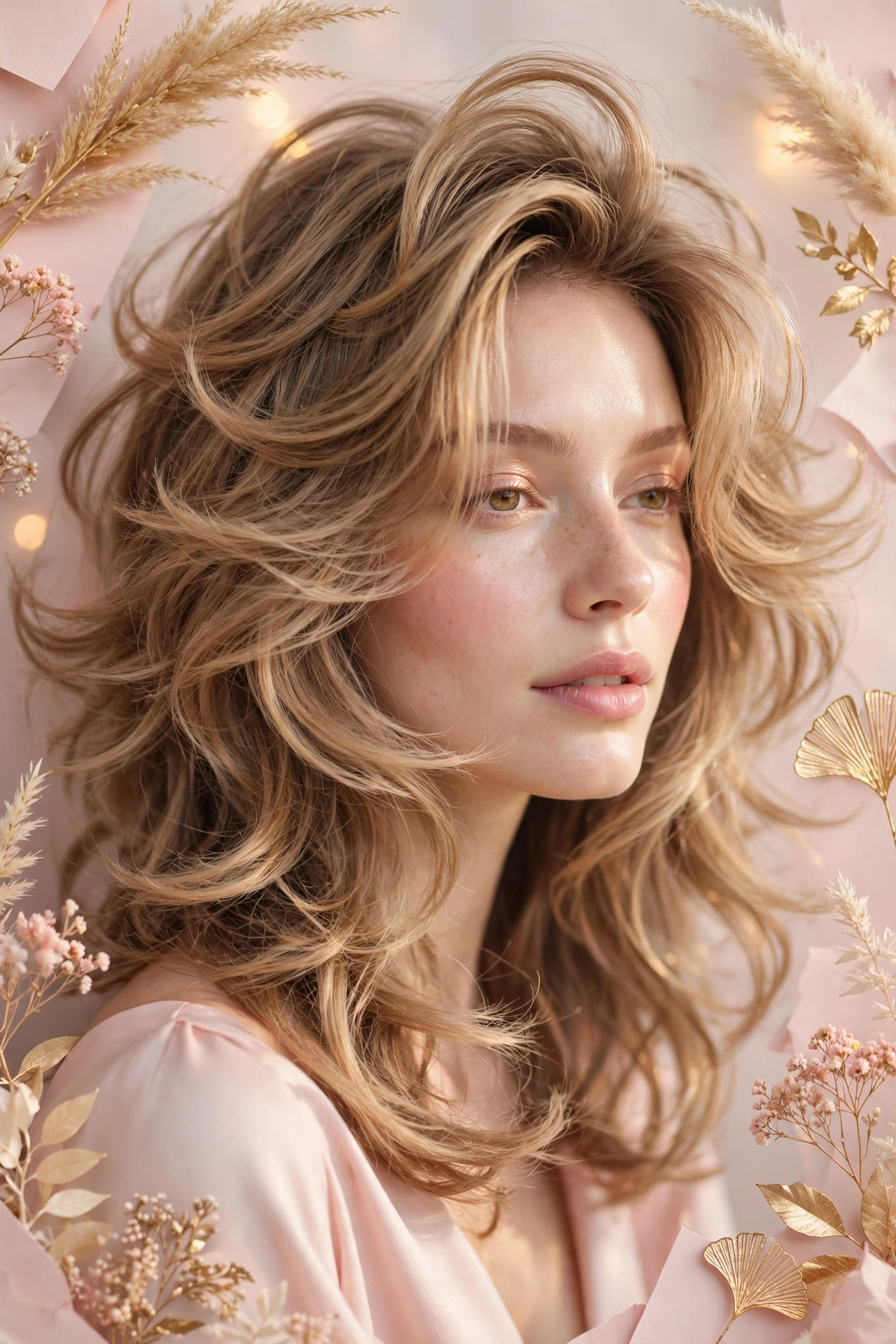
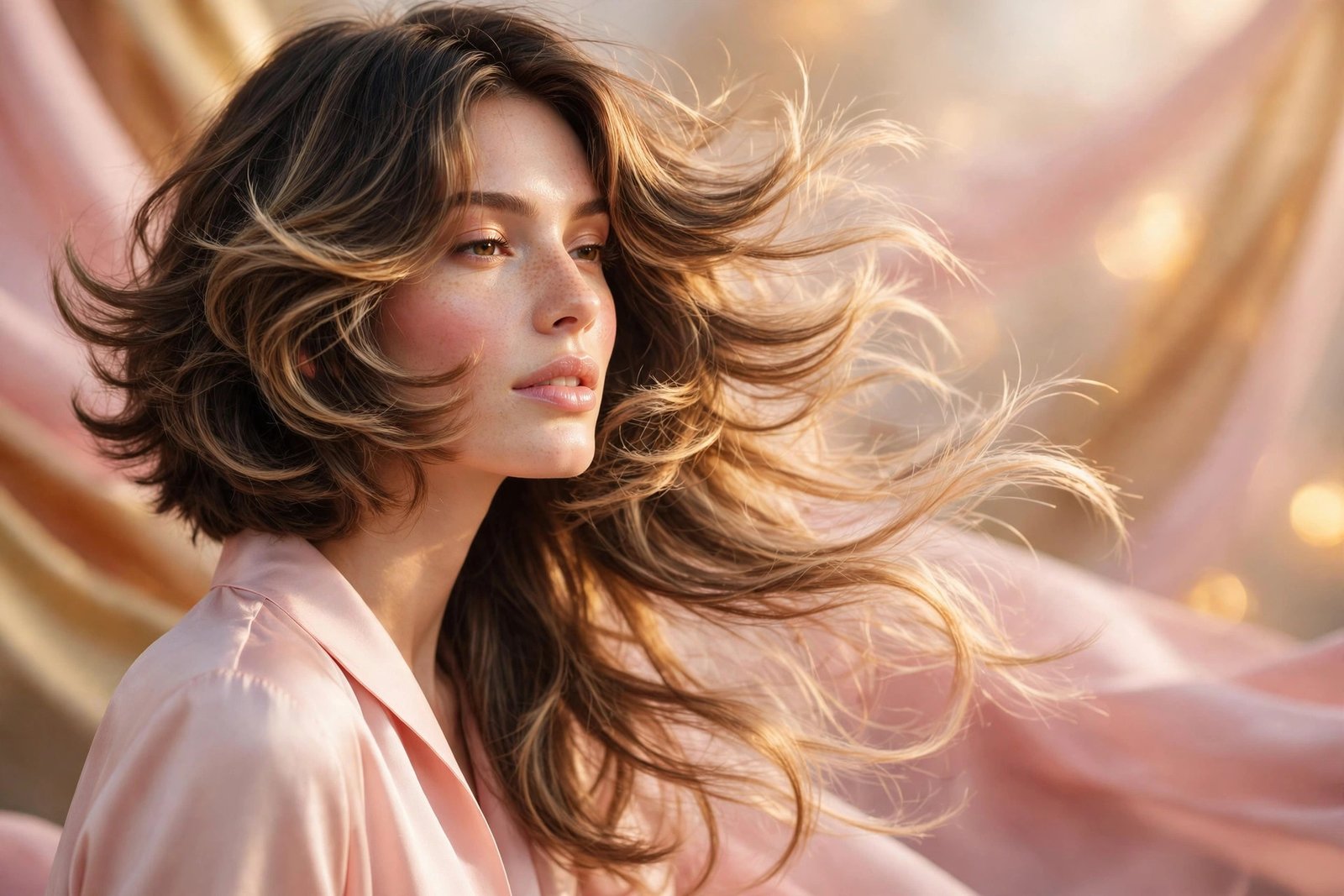
The butterfly haircut has dominated hair trends through 2026, and it’s easy to see why. The cut creates the illusion of short, bouncy hair from the front while keeping long layers at the back — two haircuts in one. Short layers around the crown and face give volume and movement, while longer layers below maintain length. The result is hair that looks full, bouncy, and dimensional from every angle.
But the butterfly cut is also one of the most misunderstood salon requests. Ask for it the wrong way and you can walk out with layers that look disconnected, or a “wolf cut” that wasn’t what you wanted. This guide covers exactly what the butterfly haircut is, who it suits, what to ask your stylist for, and how to style those bouncy layers at home.
Key Takeaways
- The butterfly haircut pairs short, voluminous top layers with long bottom layers — “short in front, long in back” without a mullet look.
- It suits most face shapes and hair types, but fine hair needs careful layering to avoid stringy ends.
- Ask for: bouncy face-framing layers starting at the cheekbones, blended (not disconnected) layers, and length kept below.
- Style with a round brush or large rollers for the signature bouncy blowout.
- It’s different from a wolf cut (softer, more blended) and a shag (longer, less choppy).
What Is the Butterfly Haircut?
The butterfly cut is a heavily layered haircut with two distinct zones. The top section — roughly from the crown to the cheekbones — is cut into shorter, bouncy layers that frame the face and create volume. The bottom section keeps its length, with long layers that blend into the shorter pieces. When styled, the short layers flip and bounce like butterfly wings (hence the name), while the long layers flow underneath.
Unlike the how to style curtain bangs trend it often pairs with, the butterfly cut is about the overall silhouette, not just the fringe. The face-framing layers typically start around the cheekbones or jawline and curve inward, opening up the face. From the front, the short layers dominate and the hair reads as a bouncy, shoulder-grazing cut; from the back, the full length is visible.
The cut works because of contrast: volume on top, length below. That contrast is also what goes wrong when the layers are cut too bluntly or disconnected — instead of a seamless blend, the hair can look like two separate haircuts stacked on top of each other.
Who Does the Butterfly Haircut Suit?
Face shapes
The butterfly haircut is unusually versatile. The face-framing layers soften angular features, making it a strong choice for the best haircuts for square faces, where the curved layers counterbalance a strong jawline. For the best haircuts for round faces, the volume at the crown adds height that elongates the face. And for the best haircuts for long faces, the width-adding face-framing layers balance a longer silhouette. If you’re still deciding which camp you’re in, the haircuts for face shapes guide breaks down how to match cuts to your features.
Hair types
- Thick hair: Ideal. The layers remove bulk and create shape where thick hair can otherwise look heavy and triangular.
- Medium hair: Great — the most forgiving texture for this cut. Layers add movement without sacrificing density.
- Fine hair: Proceed carefully. Too many short layers can make the ends look sparse and stringy. Ask for fewer, longer layers and keep the shortest pieces at or below the chin. A blunt-ish perimeter with soft internal layers preserves fullness.
- Curly/wavy hair: Beautiful, but the “butterfly” effect reads differently — curls spring up, so layers should be cut longer than they would be on straight hair. Cutting curly hair dry (or stretched) helps the stylist see where layers will actually land.
- Straight hair: Shows off the cut’s shape best but needs styling (blowout, rollers) to get the bounce. Without styling, straight hair can fall flat and the layers can look limp.
Hair length
You need enough length for the two-zone effect — generally at least collarbone-length hair, ideally longer. On very short hair, there isn’t enough length differential for the “butterfly” contrast, and the cut reads as a standard layered bob instead.
What to Ask Your Stylist For
Walking in with reference photos is non-negotiable — but here’s the language that gets you the right cut:
- “Short, bouncy layers around my crown and face, starting around my cheekbones.” This defines the top zone.
- “Keep my length — long layers underneath that blend into the short ones.” This defines the bottom zone and prevents over-cutting.
- “Blended, not disconnected.” This is the crucial phrase. Disconnected layers create a visible shelf; blended layers melt into each other.
- “Face-framing pieces that curve inward.” Inward-curving layers hug the face softly; outward-flipping layers can look dated or harsh depending on styling.
- “Curtain bangs that blend into the layers” (optional). Many butterfly cuts include curtain bangs that flow into the face-framing layers for a seamless look.
Also tell your stylist how you actually style your hair. If you air-dry, the layers need to be cut to work with your natural texture. If you heat-style daily, the cut can be more precise since you’ll be shaping it yourself.
Butterfly Cut vs. Similar Cuts
The butterfly cut gets confused with several other layered cuts. Here’s how to tell them apart:
| Cut | Key difference from butterfly |
|---|---|
| Wolf cut | Choppier, more disconnected, edgier — a shag-mullet hybrid. Butterfly is softer and more blended. |
| Shag | Layers throughout at varying lengths with lots of texture. Butterfly keeps a clear long bottom section. |
| Long layers | Subtle, all-over layering with no dramatic length contrast. Butterfly has a deliberate short-top/long-bottom split. |
| Octopus cut | Extreme version — very short top, very long bottom, often with a 90s blowout. Butterfly is the wearable middle ground. |
If your stylist hears “butterfly” and reaches for the texturizing shears to chop aggressively, clarify: you want the soft, bouncy, blended version, not the edgy disconnected one.
How to Style Butterfly Haircut Layers
The cut does half the work; styling delivers the signature bounce.
The classic bouncy blowout
- Apply a volumizing mousse or root-lifting spray to damp hair.
- Rough-dry until hair is about 80% dry, directing roots upward.
- Using a large round brush, blow-dry the face-framing layers away from the face in sections, rolling the brush outward at the ends to create the wing-like flip.
- For the bottom layers, blow-dry smooth with a slight inward curve.
- Finish with a light-hold hairspray or texturizing spray — heavy products flatten the bounce.
Heatless options
- Velcro rollers: The easiest path to butterfly bounce. Set the face-framing layers on large velcro rollers while hair is slightly damp, leave for 30+ minutes, and remove for soft volume.
- Overnight: A loose high bun or heatless curling rod gives the top layers wave and body by morning.
- Diffusing (wavy/curly hair): Diffuse with the head flipped upside down for root volume, then arrange the face-framing pieces by hand.
Everyday refresh
The top layers lose bounce fastest. On day two or three, re-wet just the face-framing pieces, add a little mousse, and hit them with the blow dryer and a round brush for two minutes — the rest of the hair usually survives fine. Dry shampoo at the roots keeps the crown from going flat.
Maintaining the Butterfly Cut
Layered cuts grow out faster than blunt ones — the shape that makes the butterfly cut beautiful starts to disappear as the short layers grow into the long ones. Most stylists recommend a trim every 8–10 weeks to maintain the layer structure. Between appointments, the cut is forgiving: growing-out layers just read as regular long layers, so there’s no awkward phase as long as the ends stay healthy.
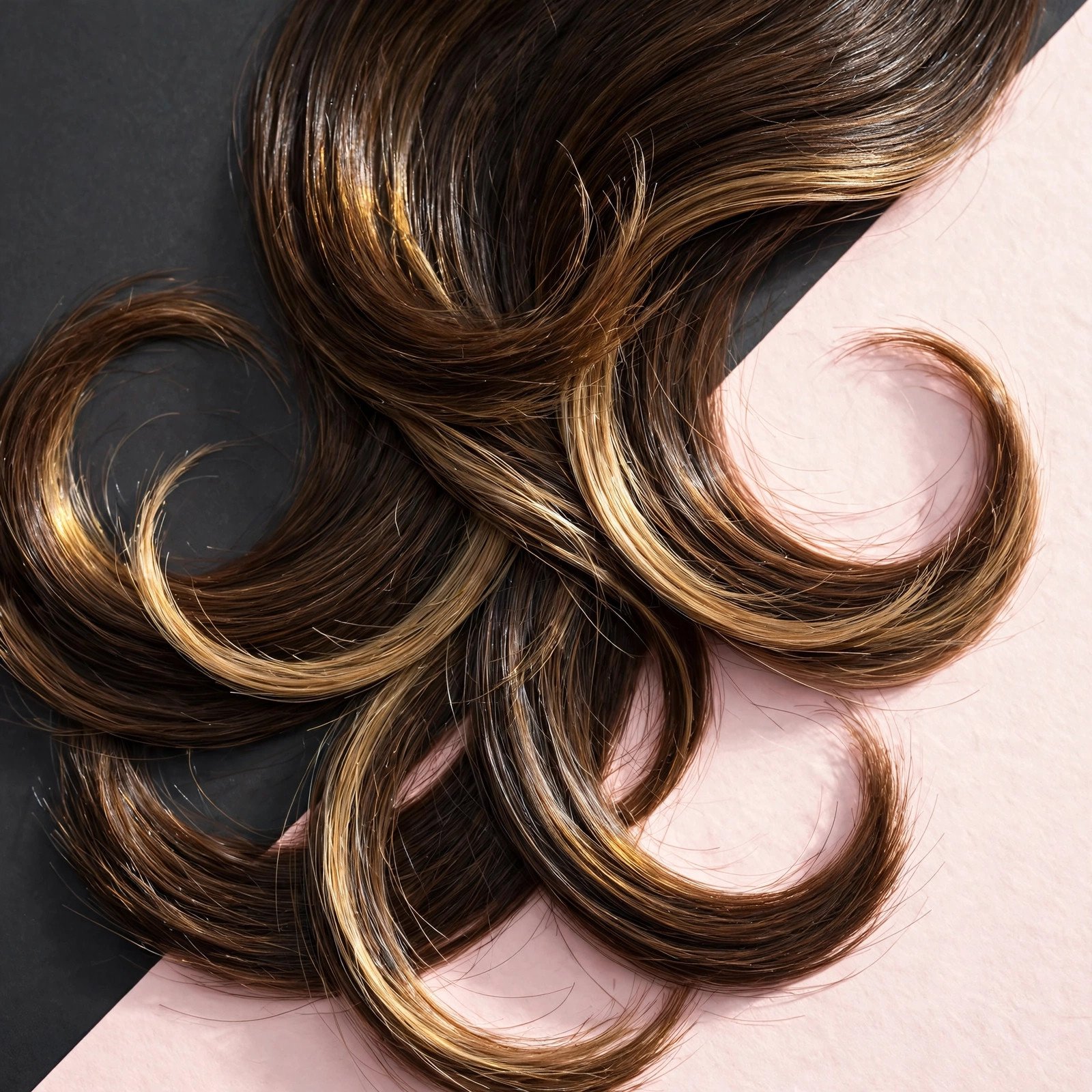
Color-wise, the butterfly cut shows off dimensional color beautifully. Face-framing highlights, balayage, or money pieces emphasize the layer separation and make the bounce more visible. One-length, flat color can make the layers harder to see.
Common Mistakes to Avoid
- Layers cut too short on fine hair — leaves the ends wispy and the cut looking thin rather than bouncy.
- Disconnected layers — the “shelf” effect where short layers sit visibly on top of long hair instead of blending.
- Skipping the styling — on straight hair especially, an unstyled butterfly cut can look like an accidental grow-out. The cut assumes some heat or roller styling.
- Too many layers — over-layering the bottom section removes the length contrast that defines the cut. The bottom should stay relatively full.
- Wrong fringe pairing — blunt bangs fight the cut’s soft, sweeping lines. Curtain bangs or no bangs work best.
Frequently Asked Questions
Is the butterfly haircut still trendy in 2026?
Yes — it has evolved from a viral moment into a staple salon request. The 2026 version is softer and more blended than the original TikTok cut, with more emphasis on wearable bounce than dramatic contrast.
Does the butterfly haircut work on thin hair?
It can, with adjustments. Keep the layers longer and fewer, maintain a fuller perimeter, and avoid over-texturizing the ends. On very fine hair, the cut needs regular styling to maintain the illusion of volume.
What’s the difference between a butterfly cut and a wolf cut?
The wolf cut is choppier, more textured, and edgier — closer to a shag-mullet. The butterfly cut is softer, more blended, and more polished, with a clearer distinction between the bouncy top layers and the long bottom layers.
How long does my hair need to be for a butterfly cut?
At least collarbone length, ideally longer. The cut needs enough length for the short top layers and long bottom layers to read as distinct zones. Shorter hair just becomes a layered bob.
Can I get a butterfly cut with curly hair?
Yes, and it looks gorgeous — but have it cut dry or on stretched hair so the stylist can see where the layers will actually fall once the curls spring up. The layers should be left longer than on straight hair.
The butterfly haircut earned its viral status honestly: it’s one of the rare trends that genuinely flatters most people. Get the blend right, style the bounce in, and maintain the shape with regular trims — and those butterfly layers will keep turning heads well past the trend cycle.
Love this? Pin it for later!