How to Reapply Sunscreen Over Makeup (Without Ruining It)
You applied sunscreen carefully this morning, did your foundation, blush, and setting spray — and now it’s 1 PM, you’re about to step out for lunch, and your UV protection has quietly worn off. This is the sunscreen dilemma almost everyone faces: reapplying every two hours is the dermatologist-backed rule, but slathering liquid SPF over a finished face sounds like a recipe for smeared mascara and patchy foundation.
The good news is that reapplying SPF over makeup is entirely doable once you know the right formats and techniques. Dermatologists consistently point out that the most common sunscreen failure isn’t picking the “wrong” formula — it’s wearing too little and never reapplying. If you’re new to SPF basics, start with this complete beginner’s sunscreen guide, then come back here for the over-makeup playbook. Below are five methods ranked by convenience, plus an honest look at which ones give you real protection and the mistakes that undo your morning routine.
Key Takeaways
- Sunscreen protection fades within about two hours of sun exposure (faster if you sweat, swim, or touch your face), so midday reapplication is non-negotiable for real protection.
- SPF mists, mineral powders, sticks, and cushion compacts are the four formats designed to layer over makeup without disturbing it.
- Sprays and powders are convenient but hard to apply in the full tested amount — layer generously or combine methods for better coverage.
- Never rub or drag products over makeup; press, pat, and mist instead to keep your base intact.
- Makeup with SPF (even SPF 30 foundation) does not replace dedicated sunscreen or reapplication.
Why Sunscreen Needs Reapplying — Even on Makeup Days
UV filters don’t last all day. Whether mineral or chemical, sunscreen ingredients break down with UV exposure, migrate around the skin from oil and sweat, and get physically removed when you touch your face, blot, or wear a mask. The widely cited guidance from dermatology associations is to reapply every two hours of continuous sun exposure, and sooner after swimming or heavy sweating.
Morning application alone typically gives you solid protection until around mid-morning if you’re indoors near windows, and less if you’re outside. UV rays pass through glass (UVA especially), so “I’m inside all day” isn’t the free pass many people assume. Cumulative, incidental exposure — the walk to your car, the sunny desk by the window, the lunch run — adds up to meaningful UV damage over years, contributing to dark spots, fine lines, and uneven tone.
The practical barrier is real, though. A full face of makeup took effort, and the fear of ruining it is the number one reason people skip reapplication. That’s exactly why the beauty industry developed SPF formats specifically for this moment. The goal isn’t perfection; it’s a realistic routine you’ll actually repeat daily.
5 Easy Methods to Reapply Sunscreen Over Makeup
Not every format suits every skin type or makeup style. Here’s how the five main over-makeup methods compare, with honest notes on where each falls short.
1. SPF Setting Mists and Sprays
Best for: full faces of makeup, on-the-go touch-ups, all skin types
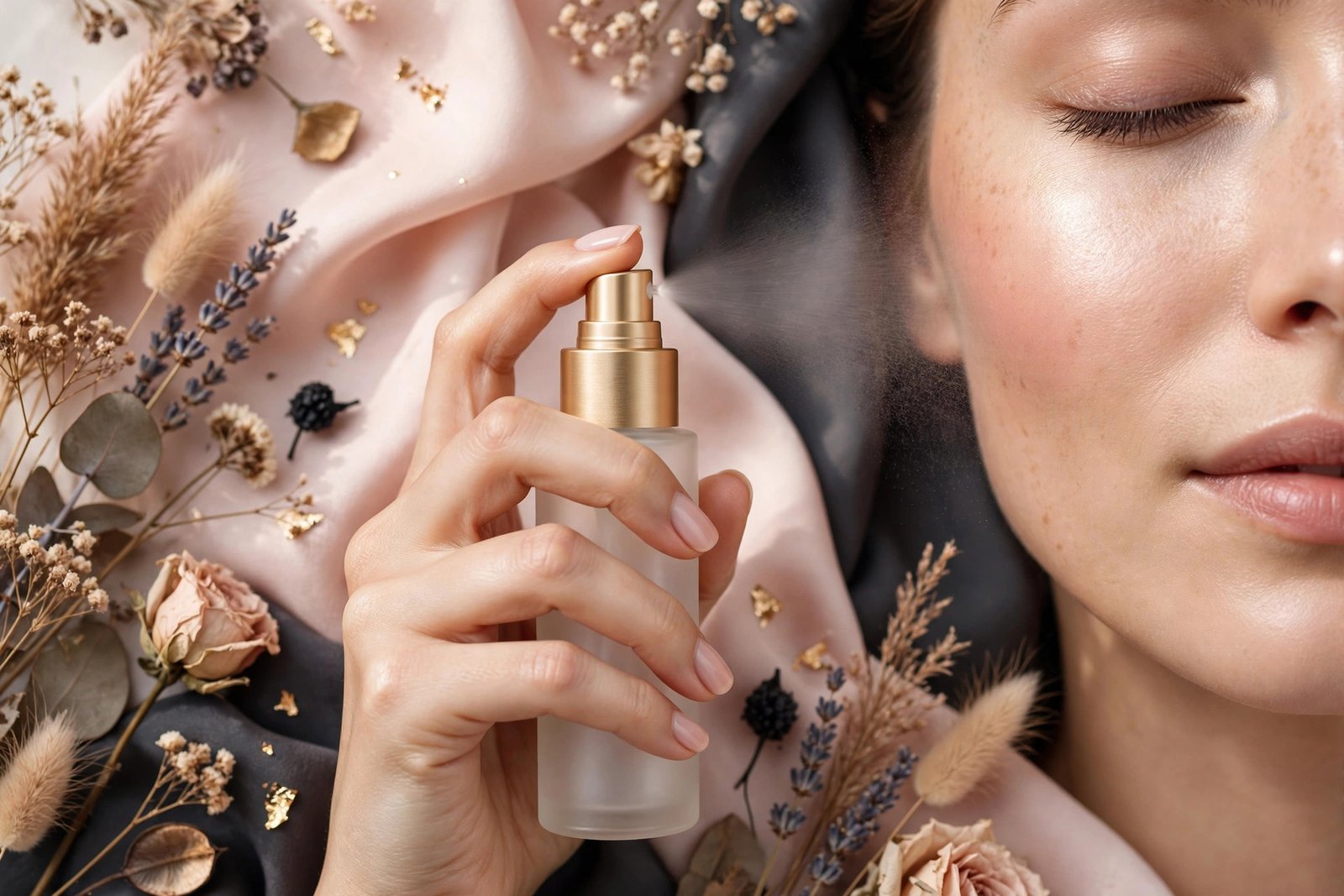
Sunscreen sprays and mists are the fastest way to add a layer of SPF over finished makeup. Hold the bottle 8–10 inches from your face, close your eyes, and mist in a slow “X” and “T” pattern to cover the whole face evenly. Keep your eyes closed for a few seconds afterward and let it set — don’t touch your face while it’s damp.
What to know: Sprays feel weightless and won’t disturb powder, blush, or contour. Look for fine-mist formulas (the finer the mist, the more even the coverage) and avoid anything that sprays in heavy droplets, which can spot your base. Reapply generously — most people spray far less than the amount sunscreen is tested at, so do several slow passes rather than one quick spritz.
Watch out for: Alcohol-heavy spray formulas can sting eyes and dry out skin with repeated use. If you have dry or sensitive skin, choose a hydrating mist format. And never spray directly toward open flames or use aerosol sprays in enclosed spaces without ventilation.
2. Mineral SPF Powders
Best for: oily and combination skin, midday shine control, sensitive skin
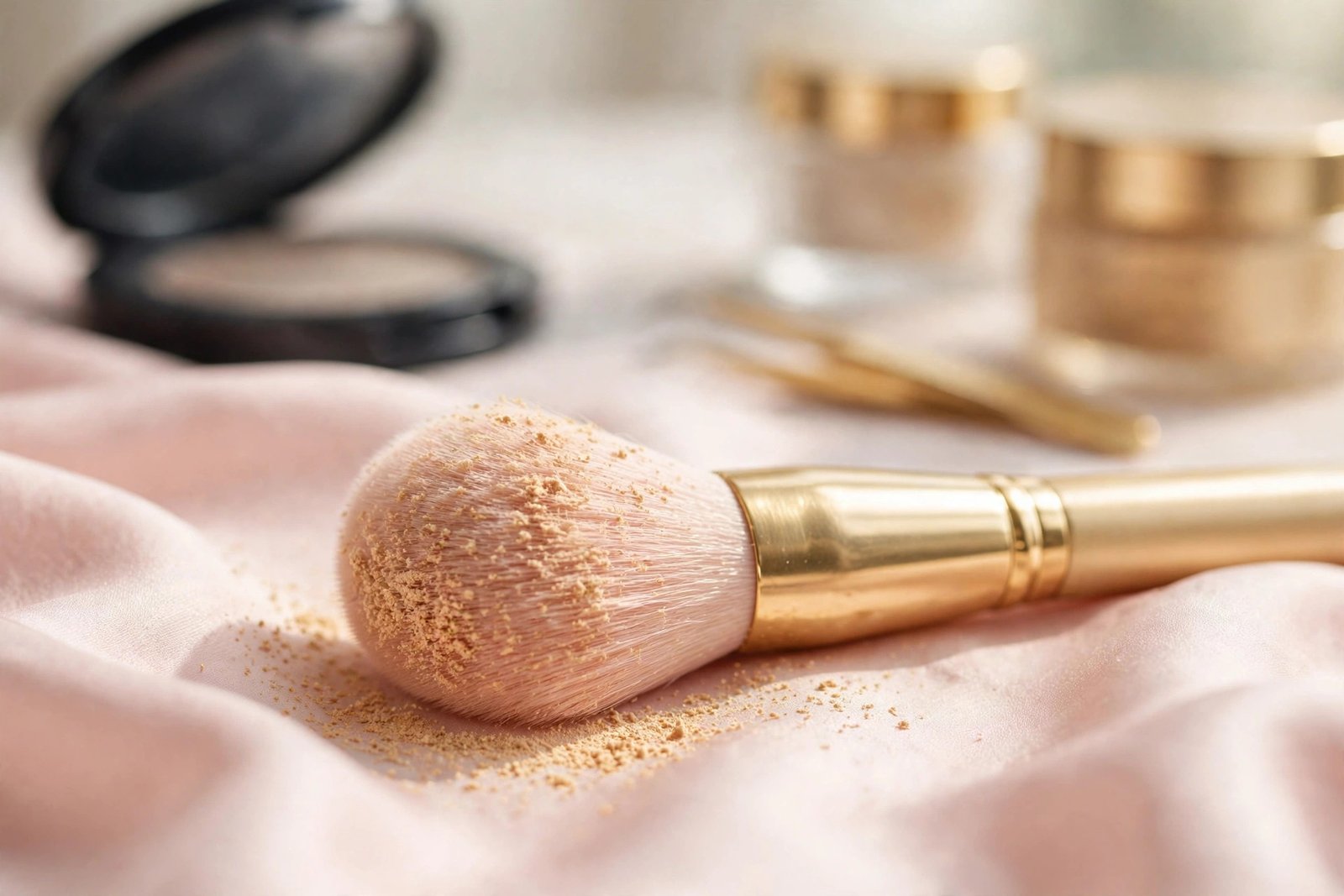
SPF powders — usually loose mineral powder with zinc oxide and/or titanium dioxide in a brush applicator — do double duty: they set makeup, absorb midday oil, and add sun protection. If your T-zone gets shiny by afternoon, this is the most elegant option. Sweep the built-in brush over your forehead, nose, chin, and anywhere else that shines.
What to know: Powders are the least disruptive format of all — they genuinely improve how makeup looks while adding SPF. They’re also a smart pick for combination skin that needs the right sunscreen texture, since they mattify without adding another liquid layer. Most come in translucent or lightly tinted shades.
Watch out for: Here’s the honest limitation — getting the full labeled SPF from powder alone requires a heavy, visible layer that almost nobody applies. Treat powder SPF as a useful top-up and oil-control step, not your sole protection on a high-UV day. On days you’ll be outdoors for hours, pair it with a mist or stick underneath.
3. SPF Sticks (Solid Balms)
Best for: targeted zones, travel, precise application
Solid SPF sticks glide directly onto skin and are brilliant for high-exposure zones: the tops of cheekbones, nose bridge, forehead, and around the lips. Press and glide — don’t drag aggressively — then lightly pat with a fingertip or sponge to blend the edges into your makeup.
What to know: Sticks deliver a thicker, more concentrated layer than sprays or powders, so they come closest to real labeled protection in a portable format. They’re mess-free, TSA-friendly, and great tossed in a bag. Many formulas now come in sheer or lightly tinted finishes that blend over foundation.
Watch out for: Some stick formulas are waxy and can disturb powder makeup or pill over certain foundations. Test yours at home first: apply your normal makeup, then try the stick on one cheek and check after an hour. If it shifts your base, reserve the stick for bare-skin days and use mist or powder over makeup instead.
4. SPF Cushion Compacts
Best for: dry and normal skin, refreshing base makeup, even coverage
Cushion compacts with SPF — popularized by K-beauty — let you press a fresh, thin layer of tinted SPF over your existing makeup with a puff. The pressing motion is key: bounce the puff gently rather than swiping, which keeps your base intact while depositing an even veil of product.
What to know: This method gives the most even, substantial coverage of all the over-makeup options, because you’re physically pressing product onto skin. It’s also the best choice if your makeup has faded unevenly by midday, since the cushion refreshes coverage and SPF together. Choose a shade close to your foundation or a translucent formula.
Watch out for: Pressing product over powder-heavy makeup can look cakey if you overdo it. Use a light hand and focus on areas where protection matters most (forehead, cheeks, nose). Sanitize or replace the puff regularly — pressing a used puff over your face repeatedly can transfer bacteria.
5. Patting Liquid Sunscreen With a Damp Sponge
Best for: high-UV days when you need maximum protection, no-makeup or light-makeup days
When you need the real thing — a full, proper layer of sunscreen — the sponge method works. Squeeze a generous amount of your regular fluid or lotion sunscreen onto the back of your hand, pick it up with a damp makeup sponge, and bounce it over your face in thin layers. The damp sponge sheers the product out and the bouncing motion avoids disturbing makeup underneath as much as fingers would.
What to know: This is the only over-makeup method that can genuinely deliver a full application amount, because you’re using a standard sunscreen at full strength. Dermatologists generally recommend about a nickel-sized amount (roughly 1/4 teaspoon) for the face — nearly impossible with sprays and powders, achievable here.
Watch out for: It will slightly sheer out powder products and may lighten coverage. Blot first with tissue if you’re very oily, work in thin layers, and finish with a light dusting of powder if needed. Save this method for days when protection matters more than a flawless finish — beach days, long outdoor events, peak-summer commutes.
What Actually Gives You Full Protection (An Honest Assessment)
Here’s what the research-minded beauty community agrees on: SPF testing assumes a thick, even layer (2 mg/cm²), and every convenient over-makeup format makes it harder to hit that amount. That doesn’t mean sprays and powders are useless — a reapplied layer of SPF 30, even imperfectly applied, beats the zero protection of skipping reapplication entirely.
The smartest strategy is layering:
- Start strong in the morning with a proper full application of sunscreen under makeup. This is your real protection baseline.
- Top up at midday with whichever format suits your makeup — mist, powder, stick, or cushion.
- On high-exposure days, do the sponge method or reapply your regular sunscreen and refresh makeup after.
Also remember that reapplication timing depends on exposure, not the clock alone. Two hours of direct sun is the standard trigger; if you’ve been indoors away from windows all morning, your midday top-up still counts as smart maintenance. After swimming, sweating heavily, or toweling your face, reapply immediately regardless of timing.
Don’t forget the spots makeup doesn’t cover: ears, the back of the neck, the backs of hands, and the lips (use an SPF lip balm). And if scalp sunburn is a concern — part lines burn surprisingly easily — see this guide to protecting your scalp and part line.
Mistakes That Ruin Your Makeup (and Your Protection)
- Rubbing instead of pressing. Any dragging motion moves foundation around. Mist, press, pat, bounce — never swipe aggressively.
- Reapplying over a very dewy or oily face without blotting. Excess oil plus a new layer equals sliding makeup. Blot first with tissue or blotting paper, then reapply.
- Using your morning liquid sunscreen straight from the tube with fingers. Fingers drag and deposit too much in one spot. If you must use fingers, dot and pat — but the sponge method is better.
- Relying on “SPF 15” or “SPF 30” in foundation alone. You’d need roughly seven times the normal amount of foundation to reach the labeled SPF. Makeup SPF is a bonus, never the plan.
- Skipping reapplication because you’re indoors. UVA penetrates window glass and contributes to aging and dark spots. If you sit near windows, reapply.
- Forgetting that powder SPF needs re-powdering. One morning dusting of SPF powder doesn’t protect you at 3 PM. Reapply it like any other sunscreen.
- Spraying too close or too little. A single quick spritz from six inches away covers almost nothing. Multiple slow passes from the proper distance make the difference.
Men’s skincare routines face the same reapplication challenge — often without makeup in the mix, which actually simplifies things. If that’s you, this no-white-cast sunscreen roundup for men covers formulas that reapply invisibly.
A Realistic Daily Reapplication Routine
Morning: Apply a full measure of sunscreen as the last step of skincare, wait a few minutes, then do makeup as usual. This base layer does the heavy lifting.
Midday (around lunch): Blot oil, then mist with an SPF spray or sweep SPF powder over shiny zones. Takes 30 seconds. Keep the product in your bag so there’s no friction.
Afternoon (if outdoors): Reapply again if you’re spending extended time in direct sun. Stick format shines here for quick targeted touch-ups on nose, cheeks, and forehead.
Desk workers: One midday top-up is plenty if you’re away from windows. Window-seat workers should treat it like a normal reapplication schedule.
Outdoor days: Use the sponge-and-liquid method or reapply regular sunscreen properly, then refresh makeup on top if you want. Protection first on these days.
Keep a dedicated “reapply kit” in your bag — one format you like, blotting papers, and an SPF lip balm. The easier it is to reach for, the more likely you’ll actually do it.
Frequently Asked Questions
Can I just use a regular spray sunscreen over makeup?
Body spray sunscreens aren’t designed for the face — the formulas can sting eyes, feel greasy, and disturb makeup. Face-specific SPF mists use finer atomization and gentler formulas. Stick to products labeled for facial use when spraying over makeup.
Does SPF powder really protect my skin?
It contributes real protection, especially from mineral UV filters, but most people apply far less than the tested amount. Think of SPF powder as a helpful top-up layer and shine control rather than standalone all-day protection. For the strongest defense, layer it over a proper morning sunscreen application.
Will reapplying sunscreen make my makeup pill or separate?
It can if you rub or layer incompatible formulas (for example, a silicone-heavy spray over a water-based base). Patting and pressing motions minimize this, and testing your specific combination at home on a low-stakes day prevents surprises. If pilling happens consistently, switch to a powder or cushion format instead.
How often should I reapply if I work indoors?
If you’re away from windows, one midday refresh is reasonable maintenance. If you sit near windows or step out for lunch, follow the standard every-two-hours-of-exposure guidance. When in doubt, a quick midday top-up costs 30 seconds and there’s no downside.
Do I need to reapply sunscreen on cloudy days?
Yes. Up to 80% of UV rays penetrate cloud cover, and UVA (the aging ray) is present at similar levels regardless of clouds. Cloudy-day skipping is one of the most common protection gaps.
What about reapplying around my eyes?
The eye area is delicate and prone to stinging from chemical filters. Use a mineral SPF stick pressed gently around the orbital bone, or rely on sunglasses — which are genuinely excellent UV protection for the eye area. Avoid spraying mist with eyes open; close them fully and wait a moment before opening.
The Bottom Line
Reapplying sunscreen over makeup isn’t about achieving laboratory-perfect coverage at 2 PM — it’s about closing the protection gap that opens every afternoon. Pick one format that fits your skin and routine, keep it in your bag, and make the midday top-up as automatic as your morning application. Your future skin — fewer dark spots, slower visible aging, lower cumulative UV damage — will thank you.
For the full foundation of SPF knowledge, from choosing filters to how much to apply in the morning, read the sunscreen guide for beginners next.
Love this? Pin it for later!