Hypochlorous Acid Spray Benefits: The Skin-Saving Mist Explained
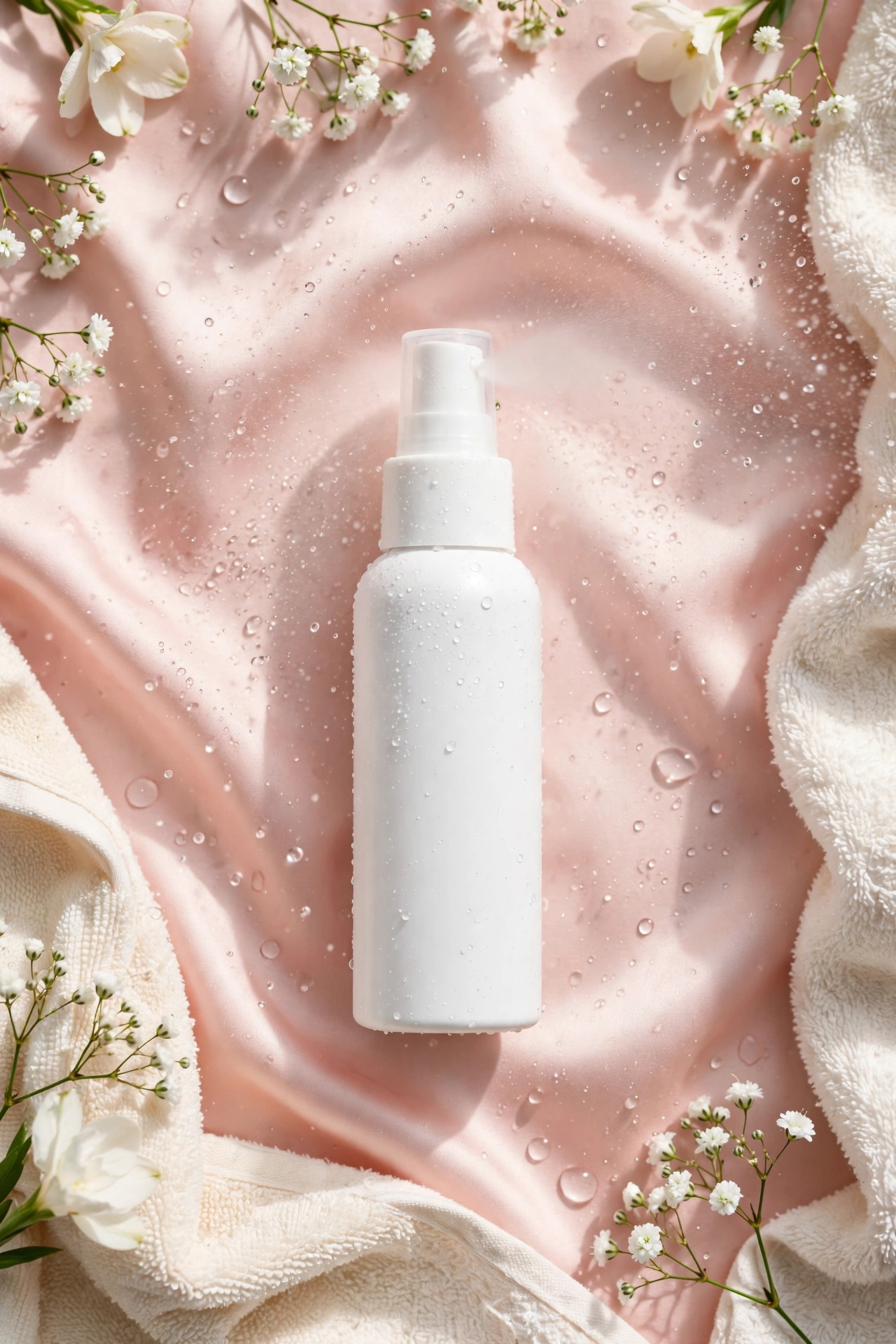
Hypochlorous acid spray went from a niche dermatology-office staple to one of the most talked-about skincare products in just a couple of years. It is essentially a gentle antimicrobial mist that calms irritation, helps prevent breakouts, and supports healing — all without stinging, even on broken or sensitive skin. If your skin barrier has ever felt too fragile for “real” actives, this one is worth understanding.
In this article, we will cover what hypochlorous acid actually is, the evidence-backed benefits of hypochlorous acid spray for skin, how to use it for post-workout breakouts and sensitive skin, where it fits in your routine, and what to look for when choosing a product. It pairs well with a calm, barrier-first approach — similar in spirit to our azelaic acid benefits for skin, another gentle multi-tasker worth knowing about.
What Is Hypochlorous Acid?
Hypochlorous acid (HOCl) is a weak acid that your own immune system produces — white blood cells generate it to fight off bacteria and support wound healing. The skincare version is made by electrolyzing salt water, producing a solution that mimics what your body already makes.
This is not new science. Hypochlorous acid has been used in wound care, ophthalmology, and veterinary medicine for decades because it kills a broad spectrum of bacteria, viruses, and fungi while being remarkably non-irritating to human tissue. Skincare brands simply packaged that same technology into convenient facial mists.
The key properties that make it interesting for skin:
- Antimicrobial: Effective against acne-associated bacteria and other microbes on the skin’s surface.
- Anti-inflammatory: Helps calm redness and irritation rather than causing it.
- Non-cytotoxic at skincare concentrations: Unlike harsh antiseptics (think rubbing alcohol or hydrogen peroxide), it does not damage healthy skin cells at the concentrations used in facial sprays.
- pH-friendly: Formulated near the skin’s natural pH, so it does not disrupt the acid mantle.
The Main Hypochlorous Acid Spray Benefits
1. Helps Prevent Post-Workout and Mask-Related Breakouts
This is the use case that made the spray famous. Sweat, heat, friction, and trapped moisture create an ideal environment for breakout-causing bacteria. Spritzing hypochlorous acid on skin after a workout — or after removing a mask, helmet, or sports gear — reduces the bacterial load on the skin’s surface before it can trigger clogged pores and pimples.
It is not a cleanser replacement: you should still wash your face properly after heavy sweating. Think of the spray as the bridge step — the thing you use when you cannot get to a sink for an hour after the gym. For a full breakdown routine approach, see our complete guide to getting rid of acne.
2. Calms Sensitive, Reactive, and Eczema-Prone Skin
Because hypochlorous acid does not sting — even on broken skin — it is one of the few antimicrobial options suitable for highly reactive complexions. People with eczema-prone skin, perioral dermatitis, or rosacea-related sensitivity often use it as a calming mist during flare-ups.
Its anti-inflammatory properties can take the edge off redness and itching. It will not treat the underlying condition the way prescription medications do, but as a supportive daily step, it is one of the gentlest options available.
3. Supports Healing of Blemishes and Minor Skin Damage
Dermatologists have long used hypochlorous acid in wound care because it keeps the area clean while supporting the healing environment. On the face, that translates to a helpful step after extractions, microneedling, waxing, or when a picked blemish needs to calm down. A few spritzes keep the area clean without the sting of alcohol-based products.
4. Reduces Odor-Causing Bacteria (Underarms and Beyond)
Some people use hypochlorous acid spray as a gentle deodorant alternative or supplement. Because body odor is caused by bacteria breaking down sweat, reducing that bacterial population reduces odor — without aluminum, fragrance, or irritation. It needs reapplication through the day since it does not block sweat itself, but for sensitive underarms it is a popular option.
5. Safe Around Eyes and for the Whole Family
Unlike most actives, hypochlorous acid spray is gentle enough for the eye area — it is used in eyelid hygiene for blepharitis (eyelid inflammation) in clinical settings. Many families keep a bottle for minor scrapes, bug bites, and irritated skin on kids, since it does not sting on application.
How to Use Hypochlorous Acid Spray in Your Routine
The Basic Method
- Cleanse your skin (or start with a clean face in the morning).
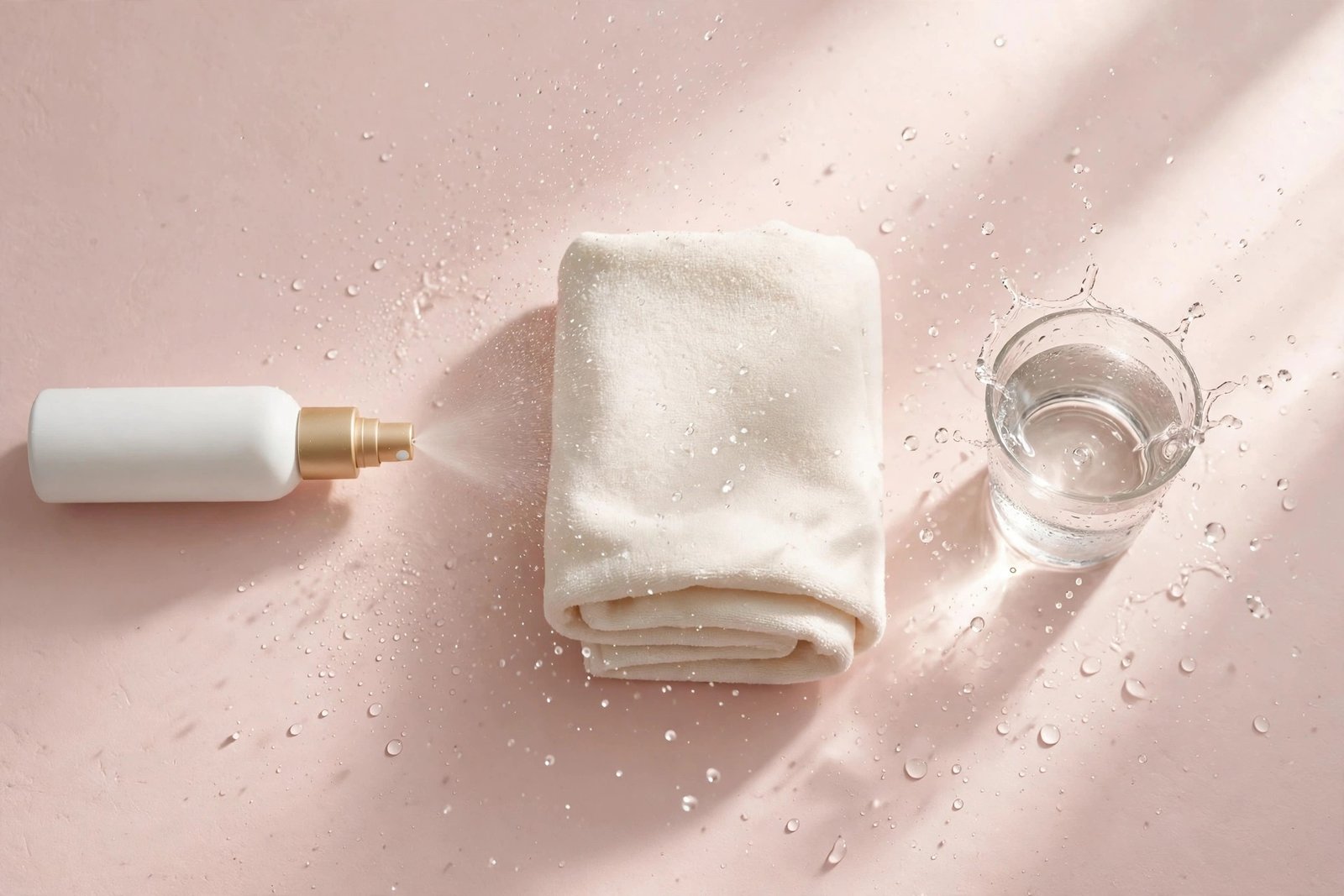
- Close your eyes and mist 2–4 sprays over your face, holding the bottle 6–8 inches away.
- Let it sit for 30–60 seconds — do not wipe it off immediately.
- Follow with the rest of your routine: serums, moisturizer, sunscreen.
Where It Fits in Layering Order
Hypochlorous acid spray goes on clean skin, before other products. It is water-based and lightweight, so it should be one of your first steps — right after cleansing, before serums and moisturizer. If you use it post-workout, apply it as soon as possible after exercising, then cleanse properly when you can.
How Often to Use It
- Daily maintenance: 1–2 times per day (morning and/or evening after cleansing).
- Post-workout: Immediately after exercising, before your full cleanse.
- During flare-ups: As needed throughout the day — it layers fine over makeup in a pinch, though clean skin is ideal.
- After procedures: Follow your provider’s instructions; hypochlorous acid is commonly recommended after microneedling and extractions.
What It Pairs Well With
Hypochlorous acid is compatible with virtually everything because it is not a traditional “active” — it does not exfoliate, it does not alter pH dramatically, and it does not compete with other ingredients. It layers safely under vitamin C, niacinamide, retinoids, and AHAs. If you are building a gentle routine around barrier support, it sits comfortably alongside ingredients like lactic acid for sensitive skin.
Choosing a Hypochlorous Acid Spray: What to Look For
Well-known options you will see mentioned include Tower 28 SOS Daily Rescue Facial Spray, Prequel’s hypochlorous acid spray, and Magic Molecule — these are established names in the category, described here for reference rather than as tested recommendations. When comparing any hypochlorous acid spray, check:
- Concentration: Most facial sprays fall in a similar effective range; the exact percentage matters less than the formulation quality.
- Packaging: Hypochlorous acid degrades with light and air exposure. Opaque, airtight bottles preserve potency — clear bottles sitting on a sunny shelf are a red flag.
- Added ingredients: The simplest formulas are just hypochlorous acid, water, and salt/sodium chloride. Added fragrance is unnecessary and potentially irritating.
- pH: Look for products formulated near skin pH (roughly 4.5–5.5); reputable brands disclose this.
Shelf life matters more here than with most products. Hypochlorous acid breaks down over time, especially once opened. Check expiration dates, store the bottle away from heat and sunlight, and replace it when it expires — an old bottle is essentially expensive salt water.
What Hypochlorous Acid Spray Cannot Do
Honest expectations matter. Hypochlorous acid spray:
- Is not a substitute for cleanser. It reduces surface bacteria but does not remove sunscreen, makeup, or sebum buildup.
- Will not clear moderate to severe acne alone. It is a supportive step, not a primary acne treatment. Persistent acne needs proven treatments — see our complete acne guide.
- Does not exfoliate or treat hyperpigmentation. For dark spots and texture, you need dedicated actives like azelaic acid or AHAs such as mandelic acid vs glycolic acid.
- Does not replace prescription treatment for eczema, rosacea, or dermatitis — it supports, but does not replace, medical care.
Key Takeaways
- Hypochlorous acid is a gentle antimicrobial mist your immune system also produces naturally; skincare versions are made from electrolyzed salt water.
- Its standout use is preventing post-workout and friction-related breakouts by reducing bacteria on the skin’s surface when you cannot cleanse immediately.
- It calms sensitive, eczema-prone, and reactive skin without stinging — even on broken skin — and supports healing after extractions or minor damage.
- Apply to clean skin before serums and moisturizer, 1–2 times daily or as needed; it layers safely with virtually all other actives.
- Choose opaque, airtight packaging, check expiration dates, and store away from heat and light — potency degrades over time.
- It is a supportive step, not a replacement for cleanser, primary acne treatment, or prescription care.
Frequently Asked Questions
Can I use hypochlorous acid spray every day?
Yes. Daily use is standard — most people mist once or twice a day after cleansing. Because it is non-irritating and compatible with other ingredients, there is no need to cycle it or take breaks. Just make sure the bottle is within its expiration date for full potency.
Does hypochlorous acid spray replace toner?
It can occupy the “first step after cleansing” slot that toner usually fills, but it does not do a toner’s hydrating or pH-balancing job in the same way. Many people use both: hypochlorous acid spray first for its antimicrobial benefit, then a hydrating toner. If you only want one step, choose based on your priority — breakouts and sensitivity favor the spray, dehydration favors the toner.
Can I spray hypochlorous acid over makeup?
You can in a pinch — for example, a midday refresh or post-gym when you cannot wash your face. It will not ruin makeup, though a heavy misting may disturb it slightly. For best results, apply to clean skin so nothing blocks contact with the skin’s surface.
Is hypochlorous acid spray safe for eczema?
It is widely used as a supportive step for eczema-prone skin because it reduces Staphylococcus aureus colonization (common on eczema-prone skin) without stinging or drying. It does not replace prescription eczema treatments like topical steroids or calcineurin inhibitors — think of it as a gentle adjunct, and check with your dermatologist.
How long does a bottle last once opened?
It depends on the brand and bottle size, but most sprays remain potent for a few months after opening when stored properly (cool, dark place). Because hypochlorous acid degrades with light, heat, and air exposure, always check the expiration date and replace expired bottles — they lose effectiveness gradually rather than all at once.
Love this? Pin it for later!