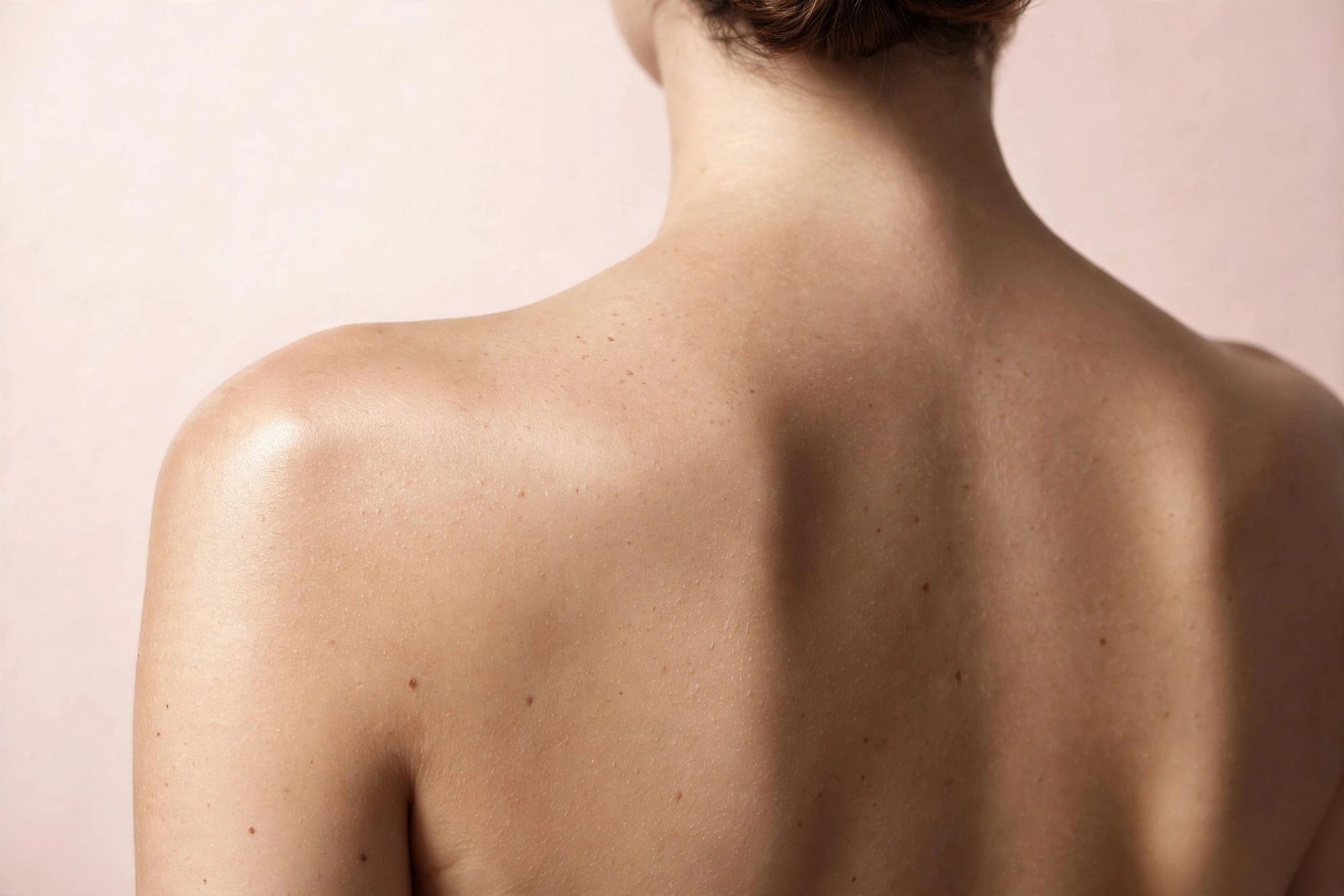
How to Get Rid of Back Acne (Bacne): A Proven Guide
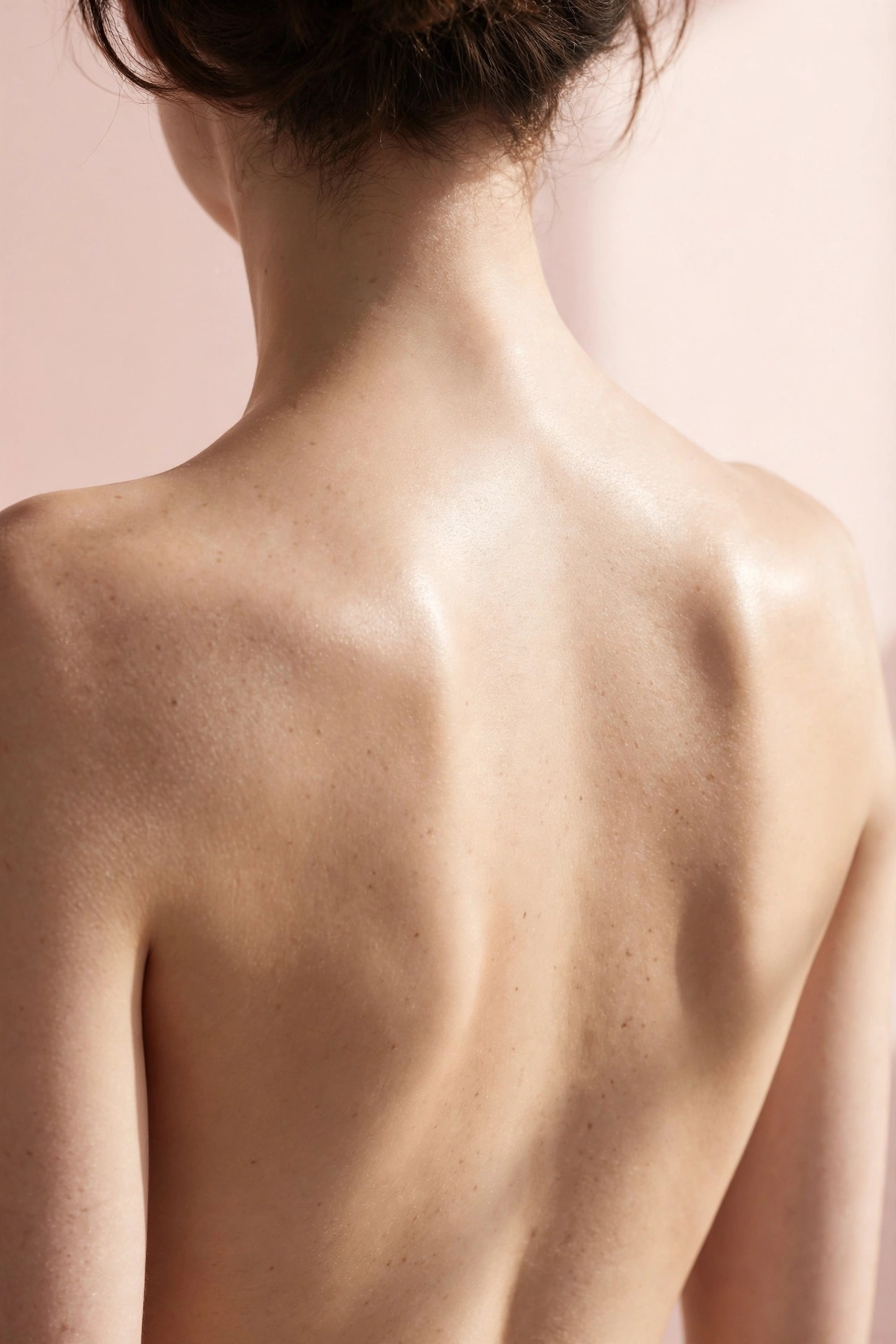
Back acne — “bacne” — is one of the most common and least talked-about forms of breakouts. It can make you dread tank tops, swimsuits, and backless dresses, and because it’s hard to see and reach, it often goes untreated far longer than facial acne.
The reassuring news: back acne responds to the same proven ingredients as facial acne, with a few adjustments for the thicker skin and sweatier environment of the back. This guide covers what causes bacne, the shower and lifestyle habits that prevent it, the treatments that work, and when to see a dermatologist.
Key Takeaways
- Back acne has the same root causes as facial acne — clogged pores, excess oil, and bacteria — amplified by sweat, friction, and hair products.
- Shower promptly after sweating, and always cleanse your back after conditioning your hair.
- Salicylic acid and benzoyl peroxide body washes are the most effective over-the-counter treatments.
- Wear breathable fabrics, wash sports bras and workout tops after every use, and change sheets weekly.
- See a dermatologist if bacne is widespread, painful, scarring, or unchanged after 8–12 weeks of treatment.
What Causes Back Acne?
The biology of back acne is identical to facial acne: pores clog with excess sebum and dead skin cells, bacteria multiply, and inflammation follows. But the back has features that make it especially breakout-prone:
- More oil glands: The upper back and shoulders are dense with sebaceous glands, producing more oil than most body areas.
- Sweat: Exercise, heat, and humidity keep the back damp, and sweat mixed with oil and dead skin is a recipe for clogged pores — especially when trapped under clothing.
- Friction: Tight clothing, backpack straps, and sports bras rub against the skin, irritating follicles (a phenomenon called acne mechanica).
- Hair products: Conditioner, hair masks, and styling products rinse down the back in the shower, leaving pore-clogging residue. This is one of the most common — and most fixable — bacne causes.
- Hormones: The same androgen fluctuations behind facial breakouts drive back acne too. hormonal acne guide
- Not cleansing enough: Many people wash their face meticulously and barely touch their backs in the shower.
The Right Way to Wash Your Back
Technique matters as much as products:
- Shampoo and condition first. Wash and rinse your hair completely before cleansing your body, so no conditioner residue sits on your back.
- Use an acne-fighting body wash. A salicylic acid or benzoyl peroxide body wash, massaged into the back and shoulders and left on for 30–60 seconds before rinsing, gives the active ingredient time to work.
- Use a long-handled brush or back applicator. You can’t treat what you can’t reach — a soft silicone back scrubber makes consistent cleansing possible.
- Rinse thoroughly. Residue from any body product can clog pores, so rinse longer than feels necessary.
- Shower after sweating. Don’t sit in sweaty workout clothes. If you can’t shower immediately, at least change out of the damp top.
Lukewarm water is best — very hot water strips the skin and can trigger more oil production, the same principle as with facial cleansing. complete acne guide routines
Best Ingredients for Treating Back Acne
Back skin is thicker and tougher than facial skin, so it generally tolerates stronger treatments:
- Salicylic acid body wash (2%): The first-line choice. It exfoliates inside pores and handles the blackheads and small bumps typical of bacne. Use daily in the shower.
- Benzoyl peroxide wash (4–10%): Excellent for red, inflamed back breakouts. Use it as a short-contact wash (leave on a minute, rinse off) to get the antibacterial benefit with less irritation. Warning: it bleaches fabric, so rinse thoroughly and use white towels until you’re sure it’s fully washed off.
- Adapalene gel: For stubborn bacne that doesn’t respond to washes, a thin layer of OTC adapalene on the affected area a few nights per week can help — though reaching your own back requires either flexibility or help.
- Niacinamide body lotion: A supporting player that calms redness and regulates oil without irritation.
Avoid heavy, fragranced body lotions and oils on breakout-prone areas — they can clog pores just like comedogenic facial products. If the skin on your back feels dry from treatment, choose a lightweight, non-comedogenic moisturizer.
Lifestyle Habits That Prevent Back Acne
- Wash workout clothes after every single use. Re-wearing a sweaty sports bra or top presses bacteria-laden fabric against your back for hours. This single habit change clears up a surprising number of bacne cases.
- Choose breathable fabrics. Cotton and moisture-wicking athletic fabrics beat synthetic, non-breathable materials that trap sweat.
- Rethink your laundry detergent. Heavily fragranced detergents and dryer sheets can irritate back skin. A fragrance-free detergent is a simple swap.
- Change your sheets weekly. You spend a third of your life with your back against your sheets.
- Shower before bed if you don’t shower in the morning. Going to bed with a day’s worth of sweat, oil, and city grime on your back undoes your treatment efforts.
- Keep long hair off your back. Hair products and natural scalp oils transfer to back skin. Clip hair up during workouts and consider washing hair separately from body when possible.
Back Acne Scars and Dark Marks
Because bacne often goes untreated longer than facial acne — out of sight, out of mind — it’s more likely to leave dark marks and scars. Prevention follows the same rules: don’t pick or scratch at back breakouts, treat inflammation early, and protect healing skin from the sun (yes, your back needs sunscreen at the beach or pool too).
For existing dark marks, the brightening ingredients that work on the face — niacinamide, azelaic acid, vitamin C — work on the back as well. True indented scarring from severe bacne may need professional treatments like microneedling or laser. Our guide to preventing acne scars and dark marks covers the distinction in detail.
When to See a Dermatologist About Back Acne
Professional help is warranted when:
- Bacne is widespread across the back, shoulders, and chest.
- Breakouts are deep, painful, or cystic.
- Scarring or persistent dark marks are forming.
- Over-the-counter washes and habits haven’t helped after 8–12 weeks.
Dermatologists can prescribe stronger topical retinoids, oral medications for appropriate candidates, and in-office treatments. There’s an unfortunate tendency to treat bacne as less serious than facial acne because it’s hidden — but painful, scarring breakouts deserve professional care wherever they appear.
What About Chest Acne?
Chest acne is bacne’s close cousin and responds to exactly the same playbook: salicylic acid or benzoyl peroxide wash, showering after sweat, breathable fabrics, and clean sports bras. The chest has one extra consideration — many people apply fragranced body lotions, shimmer oils, or heavy sunscreens to the chest area, all of which can clog pores. If your breakouts cluster where you apply body products, try switching to non-comedogenic formulas for a few weeks and watch what happens.
Frequently Asked Questions
Why do I get acne on my back but not my face?
The back has a higher density of oil glands than most of the face, produces more sweat, endures more friction from clothing, and gets less cleansing attention. Hormonal factors affect both areas, but these back-specific factors explain why some people get bacne with clear facial skin.
Does back acne go away on its own?
Mild cases sometimes improve with better hygiene habits alone — showering after workouts, washing workout clothes, and rinsing conditioner off the back. But moderate bacne driven by oil production and hormones typically needs active treatment with salicylic acid or benzoyl peroxide to clear.
Can you pop back acne?
The same rules apply as facial acne: don’t. Squeezing pushes bacteria deeper, increases inflammation, and raises scarring risk — and on the back, where you can’t see well, you’re more likely to cause damage. Treat with proper products instead.
How long does it take to clear back acne?
Similar to facial acne: expect 6–8 weeks of consistent treatment before judging results, with full improvement often taking 12 weeks. Back skin’s slower cell turnover can make it marginally slower than the face, so patience matters even more.
Is back acne related to diet?
The evidence is the same modest link seen with facial acne — high-glycemic foods may worsen breakouts for some people, but diet is rarely the primary driver of bacne. Focus first on proven treatments and the hygiene habits above; consider a food-and-skin diary only if breakouts persist despite consistent treatment.
Love this? Pin it for later!