Job Interview Makeup: Natural, Professional & Polished
Your makeup at a job interview has one job: to make you look polished, confident, and put-together — without giving the interviewer anything to notice except you. The ideal interview look sits in a specific sweet spot: more refined than your everyday face, but quieter than evening makeup. Think “best version of yourself on a really good skin day.”
This guide breaks down the natural professional look step by step, explains the reasoning behind each choice, and flags the common mistakes that distract interviewers. Whether it’s your first interview or your fiftieth, these principles work across industries — with small adjustments for conservative versus creative fields.
Key Takeaways
- The goal is invisible effort: interview makeup should look like great skin, not like makeup.
- Even skin is the priority: an even base matters more than dramatic eyes or bold lips.
- Neutrals win: brown, taupe, and soft rose tones are universally professional.
- Avoid anything distracting: glitter, bold lips, heavy contour, and strong fragrance pull focus.
- Longevity still matters: interviews run long; use primer and setting spray so you look fresh at the final round.
- Adjust for industry: conservative fields call for restraint; creative fields allow a bit more personality.
The Philosophy: Polished, Not Noticeable
Before touching a brush, internalize the core principle: interview makeup should never be the thing someone remembers. Studies on first impressions consistently show that grooming and polish signal competence — but anything dramatic shifts attention from what you’re saying to how you look. Your answers should be the memorable part.
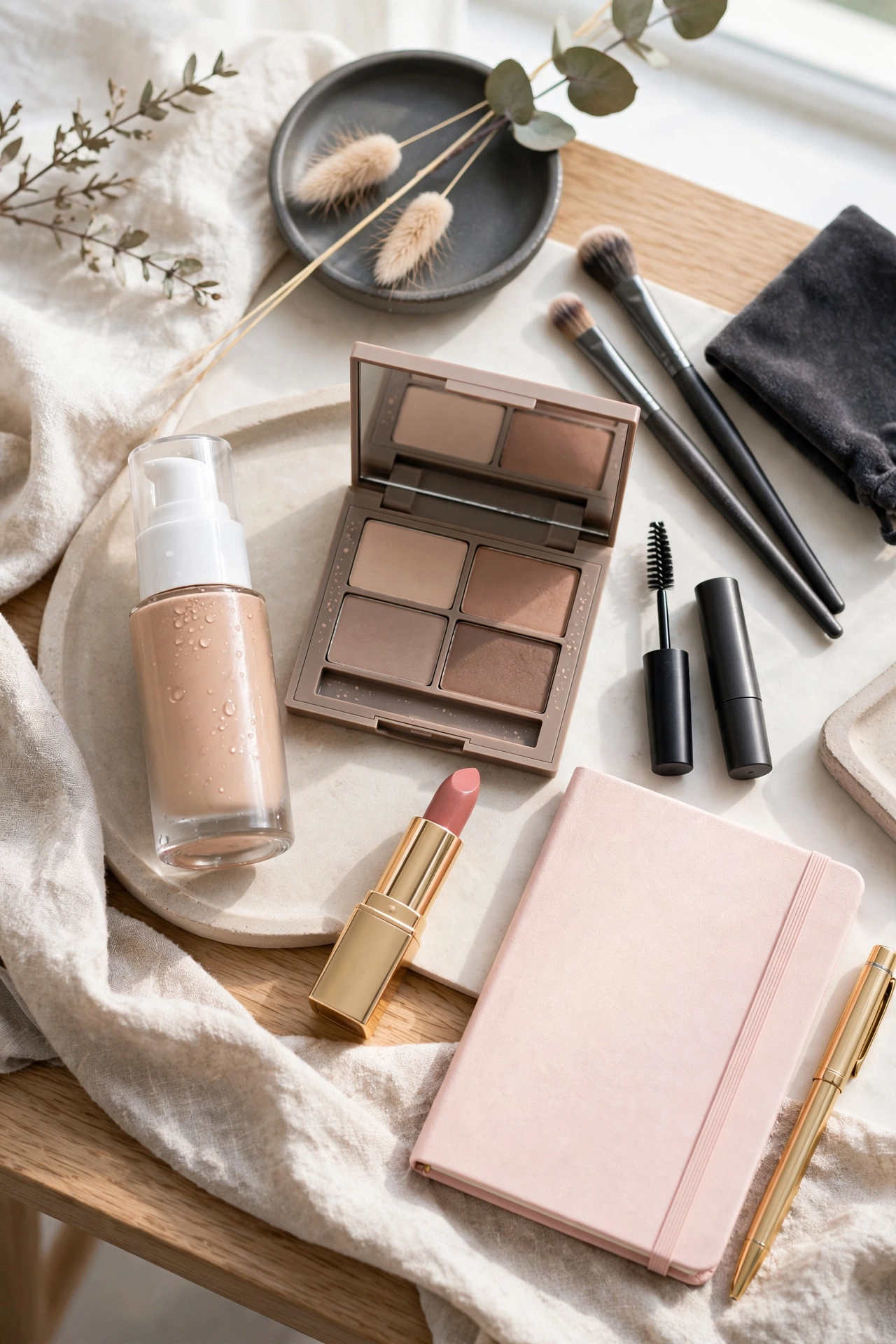
This doesn’t mean bare-faced. “No-makeup makeup” is itself a full routine — it just hides its effort. The look we’re building: even skin tone, defined but soft eyes, groomed brows, and a lip color close to your natural tone, deepened slightly.
If you’re building an event-makeup wardrobe from scratch, our special occasion makeup guide covers the foundational routine this interview look is adapted from.
Step 1: Skin Prep for a Calm, Even Base
Interview nerves can make skin act up — flushing, oiliness, or dryness from stress. Prep counters all of it.
Cleanse, Hydrate, Prime
Wash with a gentle cleanser and apply a lightweight moisturizer, even if you’re oily. Stressed skin overproduces oil, and skipping moisturizer makes it worse. Then apply primer: a pore-blurring primer on the T-zone for oily or combination skin, a hydrating primer for dry skin. Primer keeps foundation from breaking down during a long interview day that might include multiple rounds, a lunch, or a panel.
Give each layer a few minutes to absorb. Makeup applied over damp skincare slides and separates — the most common reason a base looks fine at 9am and patchy by noon.
Step 2: An Even, Natural Base
Foundation: Match, Don’t Mask
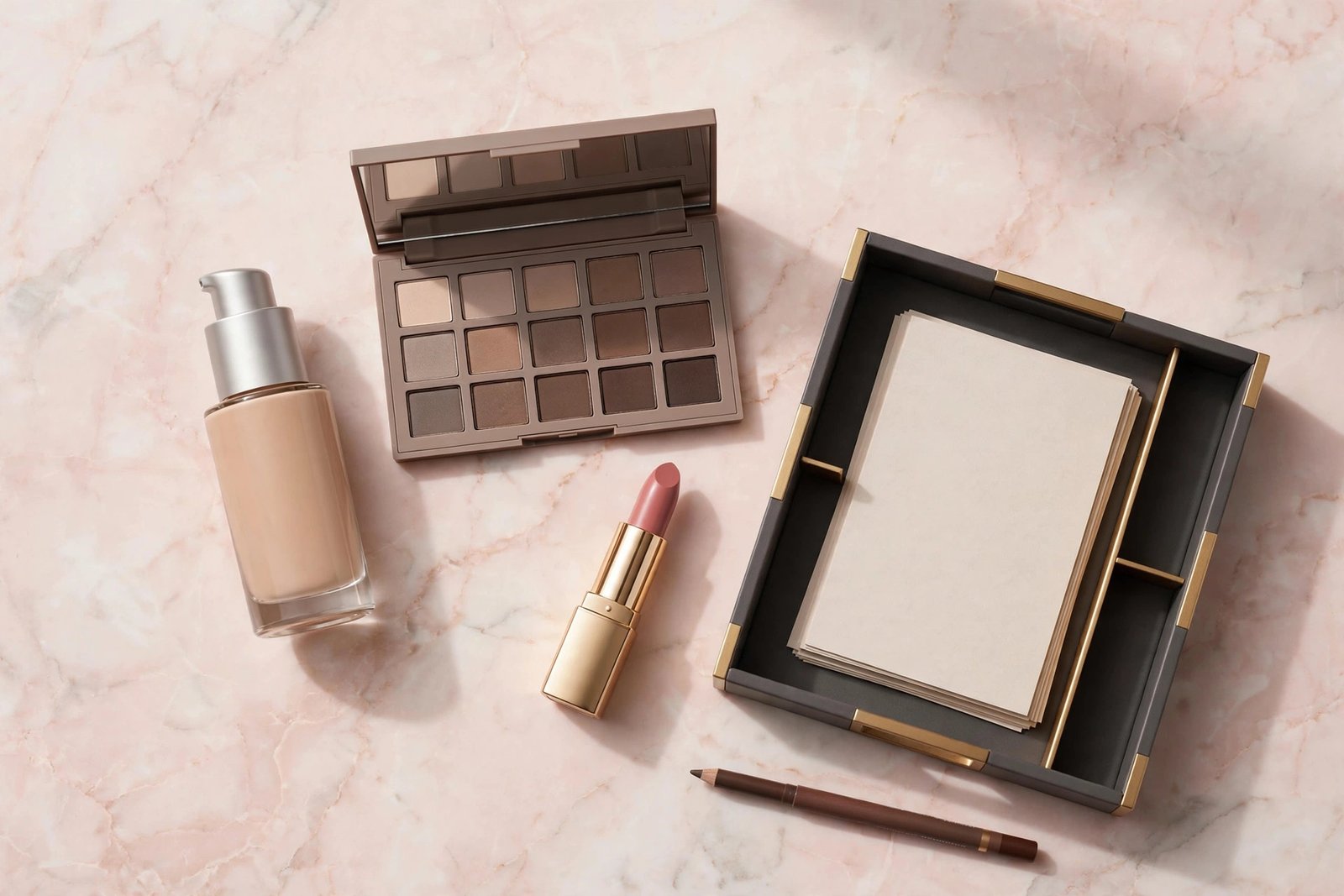
Choose a foundation that matches your neck exactly — test shades along your jawline in natural daylight, not under store lighting. For interviews, a natural or satin finish in light-to-medium coverage is ideal. Apply with a damp sponge in thin layers, focusing coverage on the center of the face (where redness and unevenness concentrate) and blending outward. The edges of the face need very little product.
Avoid full-coverage matte foundations for interviews unless your skin truly needs them; they can look heavy and mask-like in the close, conversational distance of an interview room.
Concealer: Less Is More
Use concealer only where foundation didn’t fully even things out: under the eyes, around the nose, on blemishes. Blend with a sponge and set the under-eye area with a whisper of translucent powder to prevent creasing. Heavy concealer triangles and bright highlighting look great on camera but can appear stark in person — keep it subtle.
Skip Heavy Contour
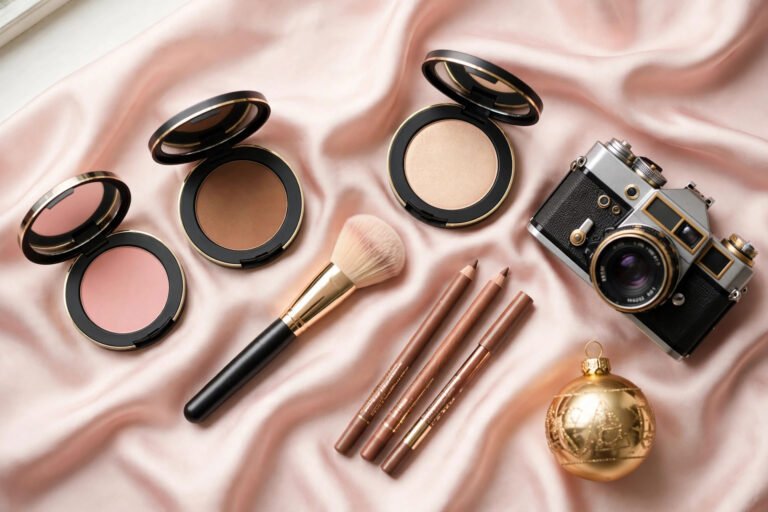
Dramatic contouring has no place in interview makeup. If you want subtle definition, a light dusting of bronzer or a neutral contour shade along the hollows of the cheeks is enough — it should be nearly invisible, just adding gentle dimension. When in doubt, leave it out. A touch of blush in a natural shade (soft rose, warm peach) on the apples of the cheeks adds healthy color that reads as vitality, not makeup.
Step 3: Soft, Defined Eyes
The Professional Eye, Step by Step
- Prime the lids. Eyeshadow primer prevents creasing and keeps color true for hours — essential when you don’t know if the interview will run 30 minutes or three hours.
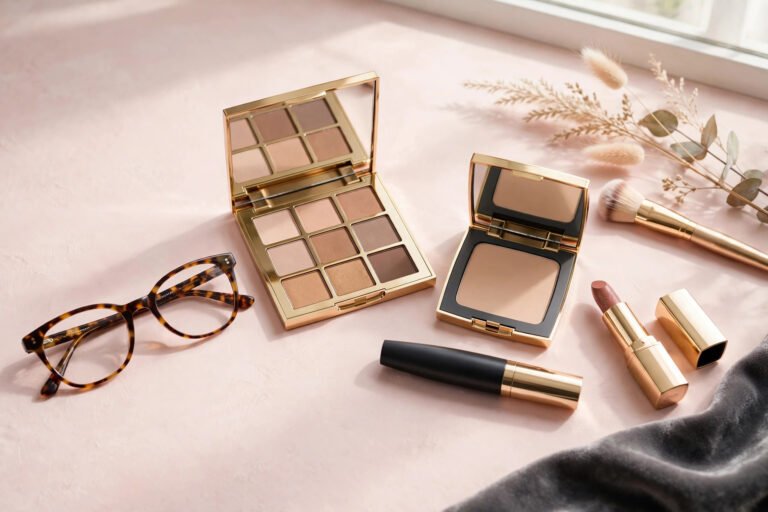
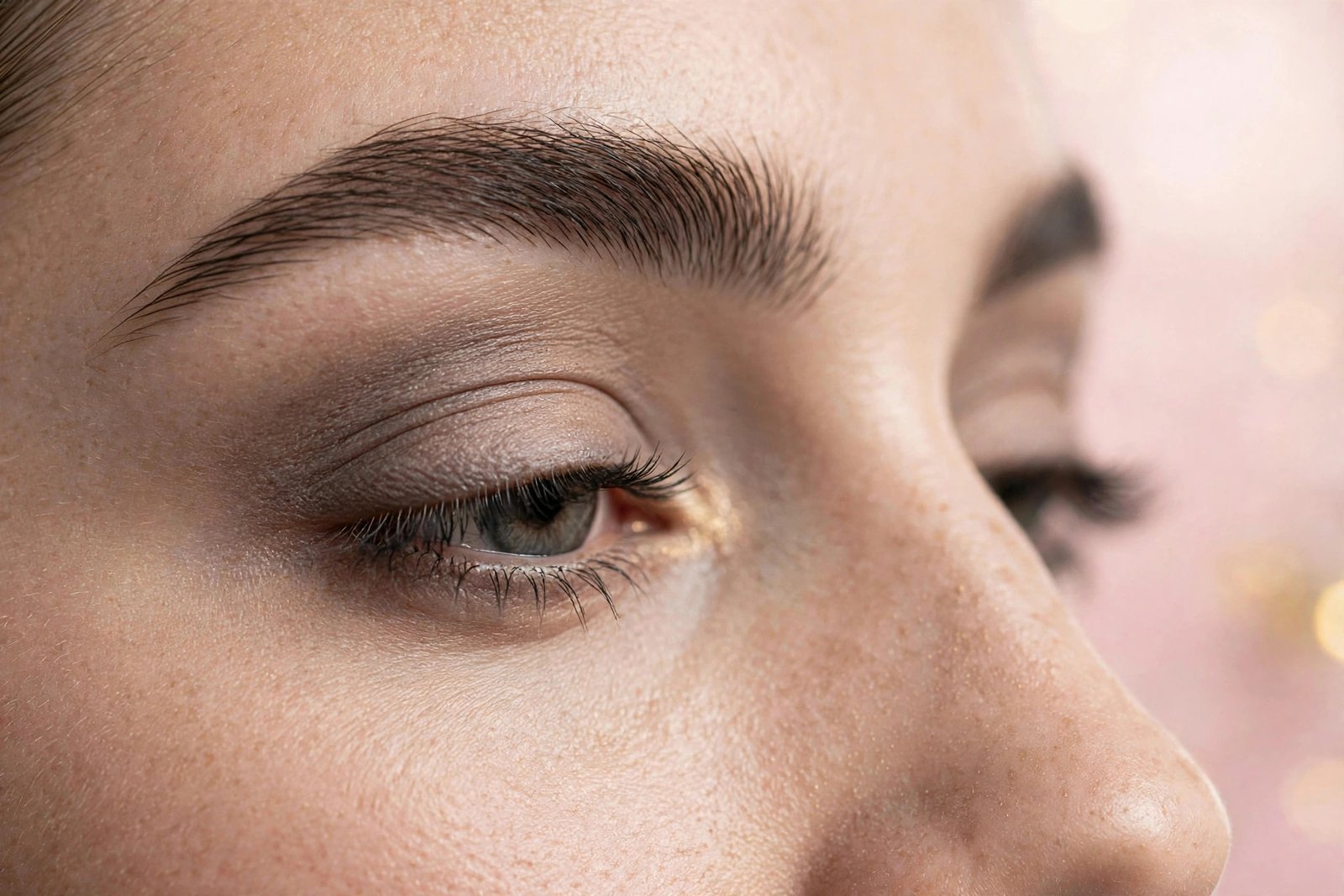
- Wash of neutral shadow. Sweep a matte shade close to your skin tone across the lid and lightly through the crease. This evens out lid discoloration and adds quiet definition.
- Subtle depth. Add a slightly deeper matte taupe or soft brown to the outer corner and crease, blended well. No harsh lines, no cut creases.
- Optional liner. A thin line of brown (not black) eyeliner along the upper lash line, smudged softly, defines the eyes without looking severe. Tightlining the upper waterline is an even subtler alternative.
- Mascara. One to two coats of a lengthening mascara in brown-black or soft black. Avoid volumizing formulas that clump, and skip false lashes — even natural-looking ones can read as “evening” in conservative settings.
Brows: Groomed, Not Sculpted
Fill sparse areas with a pencil or powder close to your natural brow color, following your natural shape rather than redrawing it. Set with clear brow gel. Overdrawn, Instagram-style brows are one of the most distracting elements in professional settings — aim for tidy and natural.
Step 4: Lips That Mean Business
The right interview lip color is your natural lip tone, refined: a shade or two deeper, or a “my lips but better” tone. Good options include sheer rosy nudes, soft mauves, muted roses, and for deeper skin tones, rich berries in a sheer formula.
Application Tips
- Exfoliate lips gently and apply balm first; blot before color.
- Use a lip liner close to your natural lip color to define the edges and prevent feathering — then fill in lightly.
- Choose a satin or cream finish over high-shine gloss (gloss draws the eye and needs frequent reapplication) or ultra-matte liquid lipstick (can look severe and dry).
- Avoid bold reds, dark vampy shades, and bright corals for conservative industries. In creative fields, a classic red can be a confident power move — know your audience.
Bring the lipstick for touch-ups. Interviews often involve coffee, water, and waiting-room time; a quick reapplication before you walk in keeps you looking intentional.
Step 5: Set It and Forget It
A light dusting of translucent powder on the T-zone controls shine under office lighting and camera (many interviews now include a video component). Finish with a few spritzes of setting spray to meld everything into a skin-like finish and extend wear through a long day. For the full longevity playbook — layering order, touch-up kits, event-proof techniques — see our guide on making makeup last all day.
Pack blotting papers in your bag. A quick press on the forehead and nose before you enter the building takes ten seconds and removes the shine that fluorescent lighting exaggerates.
Adjusting for Your Industry
Conservative Fields (Finance, Law, Corporate, Government)
Maximum restraint. Neutral eyes, natural lips, minimal shimmer, no visible contour, hair neat. The makeup should be essentially undetectable as makeup. When in doubt, remove one element — if you’re debating the eyeliner, skip it.
Creative Fields (Design, Media, Fashion, Tech Startups)
You have more latitude for personality: a slightly stronger brow, a touch of shimmer on the lids, or a bolder lip can all work. The rule still holds — one statement element maximum. A red lip with otherwise minimal makeup reads confident; a red lip plus smoky eyes plus contour reads evening.
Healthcare, Education, and Client-Facing Roles
Approachable polish is the goal. Warm, friendly tones — soft blush, natural lips — signal warmth. Avoid anything that could read as severe or unapproachable, like very dark lips or harsh contour.
Video Interviews
Cameras wash out color and flatten features. Go slightly stronger than you would in person: a bit more blush, slightly deeper lip color, and defined brows. Check yourself on camera beforehand — most people need about 20% more color than they think. Avoid heavy SPF foundations that cause flashback under bright ring lights.
What to Avoid: The Distraction Checklist
- Glitter or heavy shimmer anywhere on the face — it catches light distractingly.
- Bold or dark lip colors (in conservative settings).
- Heavy contour, baking, or stark highlight — reads as evening makeup.
- False lashes or dramatic wings — keep eyes soft.
- Strong fragrance — many workplaces are scent-sensitive; skip perfume or keep it minimal.
- Untested products — never debut a new foundation or mascara on interview day. Do a trial run.
- Touching your face — it transfers makeup and signals nervousness. Blot, don’t fidget.
The Night Before and Morning Of
Night before: get sleep if you can, avoid salty foods and alcohol (both cause puffiness), and lay out your outfit and makeup so the morning is calm. If your eyes tend to puff, keep a cold spoon or chilled eye patches ready.
Morning of: give yourself more time than you think you need. Rushing shows in application — uneven blending, missed spots, smudged liner. Do your makeup in natural daylight near a window if possible; bathroom lighting lies. Finish at least 30 minutes before you leave so everything settles, then do a final check: teeth (lipstick!), nose (powder), and collar (foundation transfer).
Frequently Asked Questions
Should I wear makeup to a job interview at all?
It’s entirely optional — many people interview successfully with no makeup. But if makeup is part of how you feel polished and confident, wear it. The goal is to feel like yourself at your best, not to meet someone else’s standard.
Is red lipstick unprofessional for an interview?
Not inherently — context decides. In creative industries, a classic red lip can project confidence. In conservative fields like finance or law, it’s safer to choose a muted rose or natural shade. When unsure, go subtler.
How do I keep my makeup fresh through multiple interview rounds?
Primer, setting spray, and blotting papers are the trio. Blot shine between rounds rather than adding powder, reapply lipstick once, and avoid touching your face. A five-minute bathroom refresh between rounds works wonders.
What makeup should I avoid for a video interview?
Avoid heavy SPF foundations (flashback under bright lights), very glossy lips (glare), and anything too subtle — cameras wash out about 20% of your color. Test your look on camera before the call.
Can I wear the same makeup I wear on dates to an interview?
The base techniques overlap, but the intensity differs. Date-night makeup leans romantic — smokier eyes, deeper lips, more glow. Interview makeup dials all of that back. Our date night makeup guide shows the romantic version; for interviews, take that look and soften every element by half.
How much makeup is too much for an interview?
A useful test: if someone would describe your makeup before they’d describe you (“she had dramatic eyeshadow”), it’s too much. Aim for people to notice that you look polished and well-rested without being able to pinpoint why.
Conclusion
Job interview makeup is the art of invisible effort: even skin, softly defined eyes, groomed brows, and a natural lip — all set to last through a long day. Match the intensity to your industry, do a trial run, and give yourself a calm morning. When your makeup is handled, you can put all your energy where it belongs: into your answers.
For step-by-step fundamentals — tools, application order, blending basics — our beginner makeup guide is the perfect companion read. And if you want the broader event-makeup system this look comes from, start with the special occasion makeup guide.
Love this? Pin it for later!